2026年1月16日
3D ACADEMY offers affordable English study programs in Cebu, Philippines – perfect for beginners, professionals, and exam takers.

3D UNIVERSAL ENGLISH INSTITUTE INC
info.3d-universal.com
8:00-17:00(Mon-Fri)
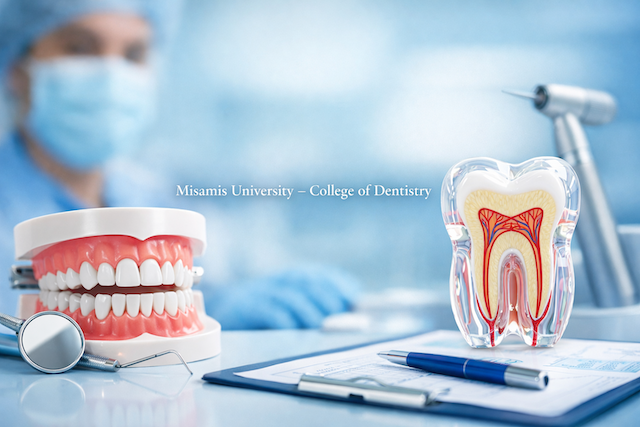
Misamis University – College of Dentistry
Contents
- Misamis University – College of Dentistry
- About Misamis University and Its Dentistry Track
- Why Students Consider a Local Dentistry School
- What the Dentistry Program Typically Looks Like
- Core Skills You’ll Build as a Dental Student
- Facilities and Learning Environment
- Clinical Training and Patient Experience
- Admissions and Eligibility
- Tuition, Fees, and Budget Planning
- Scholarships and Student Support
- How to Succeed as a Dentistry Student
- Career Paths After Graduation
- Questions to Ask Before You Enroll
- Conclusion
- FAQs (Frequently Asked Questions)
- Is Misamis University – College of Dentistry a good choice for students who want to study near home?
- What should I check first when evaluating a dentistry program?
- Does the program focus more on theory or hands-on training?
- When do students usually start clinical work with real patients?
- Do dental students need to find their own patients?
- What facilities matter most for dentistry students?
- How expensive is dentistry school beyond tuition?
- What academic subjects are usually the most challenging?
- What skills should I develop before starting dentistry school?
- How do students manage stress during clinical years?
- Will this program prepare me for the dental licensure exam?
- What career paths are available after graduating in dentistry?
- Where can I get the most updated admissions requirements and policies?
Misamis University – College of Dentistry
Choosing a dentistry school is a big decision. You’re not only picking a campus—you’re choosing the place where you’ll build your clinical confidence, professional habits, and long-term network. Misamis University – College of Dentistry is one option many students consider in Northern Mindanao and nearby regions because it offers a local pathway into the dental profession while keeping students close to home and community support.
This guide is written to help future dental students understand what to expect from a College of Dentistry environment at Misamis University: how dentistry training is typically structured in the Philippines, what you should look for when evaluating a school, and how to prepare for admissions and clinical life. For the most up-to-date requirements, schedules, and policies, always confirm directly with Misamis University’s official announcements.
About Misamis University and Its Dentistry Track
Misamis University (often known locally as MU) is a private higher education institution based in Ozamiz City, Misamis Occidental. For students who want to pursue dentistry without relocating to bigger metropolitan centers, a local dental college can be a practical choice. Staying nearer to family can reduce living costs, help with day-to-day support, and allow students to remain connected to their community—something that matters during intensive clinical years.
In general, a College of Dentistry aims to develop students in three key areas:
- Scientific foundation (anatomy, physiology, oral biology, pathology, pharmacology)
- Technical competence (laboratory skills, instrumentation, restorative procedures)
- Clinical judgment and professionalism (patient management, ethics, communication, infection control)
When you evaluate Misamis University – College of Dentistry, try to measure how well the school supports all three—especially once students enter clinical training.
Why Students Consider a Local Dentistry School
Dentistry is demanding anywhere, but the environment around you can make the workload more manageable. Many students prefer a local or regional university for reasons like:
- Lower cost of living compared with major cities
- Family support during stressful academic and clinical phases
- Community-based patient exposure that helps develop real-world communication skills
- Less time spent commuting (often a hidden factor in student fatigue)
If you plan to practice in Mindanao or nearby provinces after graduation, training closer to your future patient community can also help you understand local oral health needs and build relationships early.
What the Dentistry Program Typically Looks Like
While exact structures can vary by institution, dentistry education in the Philippines generally progresses from foundational sciences to laboratory simulation, then into patient-based clinical requirements. Students usually experience the program in phases:
- Pre-clinical foundation: health sciences, dental anatomy, oral histology, general education (depending on curriculum design)
- Laboratory and simulation training: learning hand skills using models and typodonts before treating patients
- Clinical dentistry proper: supervised patient care in restorative dentistry, prosthodontics, periodontics, oral diagnosis, and other core areas
- Professional integration: ethics, patient communication, practice management concepts, and preparation for licensure and employment
As you research Misamis University – College of Dentistry, ask how early students begin practical hand-skill training and how the school supports the transition into clinical patient care. The most challenging leap for many students is moving from “knowing the steps” to performing procedures with consistency, speed, and patient comfort.
Core Skills You’ll Build as a Dental Student
Successful dental students are not only good at memorization; they also develop discipline and manual accuracy. A strong dentistry program helps you build:
- Hand skills and fine motor control: prepping teeth, carving anatomy, controlling handpieces
- Clinical reasoning: diagnosing, planning treatment, sequencing procedures
- Patient communication: explaining options, setting expectations, managing anxiety
- Professionalism: punctuality, documentation, ethics, chairside manner
- Infection control habits: strict sterilization and safety protocols become automatic
These skills take time. A supportive college culture—clear faculty guidance, consistent clinic schedules, and a patient flow system—can make a huge difference in how quickly you improve.
Facilities and Learning Environment
When looking at any College of Dentistry, facilities are not only about appearance; they directly affect training quality. You should check whether the school offers reliable access to the tools you’ll use repeatedly:
- Simulation/skills lab: where students practice procedures before clinic
- Clinical area: dental operatories, patient chair availability, supervision structure
- Sterilization and infection control areas: clear separation of clean/dirty workflows
- Radiology or diagnostic support: basic imaging access and training
- Dental materials and lab support: systems for impressions, models, prosthetic work
Even if you don’t get a full campus tour right away, you can still evaluate by asking practical questions: How many students share a dental chair? How are clinic schedules assigned? Is there an orientation on sterilization and clinical safety? Who checks your work during procedures?
Clinical Training and Patient Experience
Clinical training is the heart of dentistry education. This is where you learn how to manage time, patient expectations, and real-world complexities that never appear in textbooks. In a typical dental clinic training setup, students rotate through major areas such as:
- Oral diagnosis and treatment planning: patient assessment, charting, case presentation
- Restorative dentistry: fillings, basic tooth preparation, material handling
- Periodontics: scaling concepts, periodontal assessment, patient education
- Prosthodontics: dentures, crowns concepts, impressions and occlusion basics
- Pediatric or special patient considerations: behavior management and communication approaches
One of the most practical questions to ask Misamis University – College of Dentistry (and any dental school) is how patients are sourced and scheduled. In many schools, students help recruit patients, which can be a valuable learning experience but may also create stress if patient flow is inconsistent. Understanding the system early helps you plan your time and avoid last-minute clinic pressure.
Admissions and Eligibility
Admissions requirements can change, so always verify with the university. However, many dentistry programs commonly require a set of academic documents and screening steps such as:
- Application form and personal information documents
- High school or previous college records (depending on entry pathway)
- Entrance exam and/or interview (if implemented)
- Medical requirements and clearances
In addition to documents, the best preparation for dentistry admissions is readiness for the workload. Dentistry can be heavy in science content and practical skill development at the same time. If you’re coming from a non-science track, you can still succeed, but you’ll need consistent study habits.
Tuition, Fees, and Budget Planning
Dental education can be more expensive than many other programs because it includes laboratory materials, instruments, and clinical consumables. Beyond tuition, you should plan for:
- Dental instruments: kits may be purchased in phases
- Laboratory materials: impression materials, waxes, stones, and other consumables
- Uniforms and clinic requirements: PPE, clinic coats, and safety supplies
- Transportation: consistent clinic attendance matters, so reliable transport is important
If Misamis University offers installment plans, payment schedules, or guidance on supplies, it can significantly reduce stress. When you inquire, ask for a realistic list of expected purchases per semester or per year so you can budget properly rather than guessing.
Scholarships and Student Support
Student support can affect your long-term performance. Dentistry is not only academically challenging; it’s also emotionally demanding because patient care involves pressure and responsibility. Useful support systems may include:
- Scholarships or financial assistance (when available)
- Academic advising for study planning and remediation
- Clinic mentoring that helps students improve step-by-step rather than through trial-and-error
- Student organizations that build peer support and clinical teamwork
If you’re choosing between schools, don’t underestimate the value of a strong support culture. Students who feel guided tend to progress faster in clinic and experience less burnout.
How to Succeed as a Dentistry Student
If you decide to pursue Misamis University – College of Dentistry, here are practical strategies that generally work well in dental school:
- Master the basics early: tooth anatomy, numbering systems, and instrument identification
- Practice consistently: short daily practice beats occasional long sessions
- Document your process: keep notes on faculty feedback and procedure steps
- Respect clinic time: punctuality and preparation reduce stress dramatically
- Build patient communication skills: clear explanations make procedures smoother
- Take infection control seriously: habits formed in school carry into your career
Also, don’t compare your progress too harshly with classmates. Hand skills develop at different speeds. The key is steady improvement and learning from feedback.
Career Paths After Graduation
A dentistry degree opens multiple career directions. Many graduates start as associates in private clinics, but there are other routes depending on interest and opportunity:
- Private practice (as an associate, then potentially your own clinic later)
- Community or public health dentistry and outreach work
- Corporate dental clinics with structured schedules
- Academic or teaching roles (often after gaining experience)
- Specialization pathways (requirements vary and may involve additional training)
While you’re still a student, focus on building fundamentals: consistent clinical technique, patient trust, and professional reliability. Those traits matter in every dental career path.
Questions to Ask Before You Enroll
If you’re deciding whether Misamis University – College of Dentistry is the right fit, here are questions that usually reveal the most useful information:
- How are clinical schedules assigned and how many students share a unit?
- What is the system for patient recruitment and case completion?
- How is faculty supervision structured during procedures?
- What are the major required purchases per year (instruments, materials, uniforms)?
- Are there review programs or structured preparation for licensure?
- What support exists if a student struggles in a subject or clinic requirement?
Even a short consultation with the admissions office or dentistry department can give you clarity. The goal is to avoid surprises—especially financial and clinic workflow surprises—after you’ve already started.
Conclusion
Misamis University – College of Dentistry can be a practical option for students who want to pursue dental education while staying in Northern Mindanao, particularly those who value local community ties and manageable living costs. Like any dentistry program, your experience will depend on how well you adapt to the intensity of science courses, develop hand skills through consistent practice, and grow into the responsibility of patient care.
If dentistry is the path you want, choose a school where you can thrive—not only academically, but also personally. Ask detailed questions, plan your budget, prepare your study habits early, and commit to steady improvement. Dentistry rewards patience and discipline, and the training years are where you build the foundation for a confident professional life.
FAQs (Frequently Asked Questions)
Is Misamis University – College of Dentistry a good choice for students who want to study near home?
For many students in Misamis Occidental and nearby provinces, studying dentistry closer to home can be a practical decision. A local program may reduce living expenses and commuting stress while allowing students to maintain family support. That support can matter during demanding semesters when you balance heavy science subjects with laboratory work. Whether it is a “good choice” depends on your learning style, your budget, and your preference for a community-based environment. The best approach is to compare program structure, clinic exposure, faculty supervision, and overall student support before enrolling.
What should I check first when evaluating a dentistry program?
Start with the essentials: curriculum flow (when clinical training begins), facilities (skills lab and dental clinics), student-to-chair ratio, and supervision style. Also ask how patient cases are managed and whether students need to recruit their own patients. Finally, confirm the estimated costs beyond tuition, such as instruments and consumable materials. These factors affect your daily life more than marketing descriptions. If possible, talk to current students about workload and clinic scheduling to understand what an average week really looks like.
Does the program focus more on theory or hands-on training?
Dentistry education typically combines scientific theory and practical skills, but the balance shifts over time. Early semesters often emphasize foundational sciences, dental anatomy, and basic dental concepts. As students progress, the program usually increases laboratory simulation work and eventually places students in clinical settings under supervision. When asking about Misamis University – College of Dentistry, inquire about how much structured lab practice is required, how feedback is delivered, and how students transition from simulation to real patient care. A well-supported transition is one of the biggest indicators of a strong program experience.
When do students usually start clinical work with real patients?
The timing varies by school and curriculum design. In many dentistry programs, students begin with simulation practice before they are allowed to treat patients. Clinical exposure often increases significantly in later years, when students complete supervised requirements and handle more complex cases. Because policies and schedules can change, you should confirm the current clinic timeline directly with the dentistry department. Ask specifically: “In which year do students start seeing patients, and how many clinic hours are required each term?”
Do dental students need to find their own patients?
In some dental schools, students are expected to recruit patients for certain procedures, while the school may provide patients for other types of cases. This can be a major factor in your experience because patient availability affects how smoothly you complete clinical requirements. If you are considering Misamis University – College of Dentistry, ask how patient flow is organized, how appointments are scheduled, and what happens if a patient cancels. Understanding this early helps you plan your time, reduce stress, and avoid delays in completing clinical tasks.
What facilities matter most for dentistry students?
The most important facilities are those that directly support skill development and safe clinical practice. A skills or simulation lab matters because it gives students structured practice before clinical work. A well-organized clinic matters because it provides consistent patient exposure and clear supervision. Sterilization areas and infection control systems are critical for safety and for building correct professional habits. If available, diagnostic support such as radiology or imaging access also strengthens training. When evaluating, focus less on appearance and more on access: how often you can use equipment, how supplies are managed, and how feedback is given during procedures.
How expensive is dentistry school beyond tuition?
Dentistry can be more expensive than many programs because students often purchase instruments, laboratory materials, and clinical consumables. Expenses can include dental kits, hand instruments, impression materials, typodont components, personal protective equipment, and uniform requirements. The timing of purchases may be spread across semesters, but costs can still feel heavy if you are not prepared. Ask the school for a realistic breakdown by year level, including recommended instrument lists and typical lab material spending. Planning your budget early can prevent surprise financial pressure later.
What academic subjects are usually the most challenging?
Many students find that anatomy-related subjects, oral biology, pathology concepts, and pharmacology can be challenging because they require memorization plus real clinical understanding. At the same time, laboratory courses can be difficult because they require consistent hand-skill practice and attention to detail. The challenge in dentistry is that you often need to excel in both academic theory and practical work simultaneously. Students who succeed usually develop a routine: daily review, weekly skill practice, and continuous improvement based on instructor feedback.
What skills should I develop before starting dentistry school?
You do not need to be “naturally talented” with your hands, but it helps to build habits that support skill growth. Useful skills include strong time management, basic study discipline, comfort with feedback, and patience. If you want to prepare early, practice fine motor control activities such as drawing, crafts, or careful handwork. Also work on communication and professionalism: dentistry involves patient trust, clear explanations, and calm behavior even under pressure. These habits are just as important as academic readiness.
How do students manage stress during clinical years?
Clinical years can be stressful because of time pressure, patient cancellations, and performance expectations. Students typically manage stress by preparing for clinic the day before, organizing instruments and materials, and maintaining consistent practice rather than cramming skills at the last minute. Peer support also matters—working with classmates to share tips, review procedures, and encourage each other helps reduce burnout. If available, academic advising and mentoring can help you recover quickly from setbacks. The key is consistency: steady preparation usually feels easier than repeated emergency catch-up.
Will this program prepare me for the dental licensure exam?
Licensure preparation depends on the curriculum foundation, clinical experience, and the school’s review culture. In general, a strong program builds knowledge step-by-step and gives students repeated opportunities to apply concepts in clinic. Some schools also support students through review sessions, mock exams, or structured refresher programs. To understand how Misamis University – College of Dentistry supports licensure readiness, ask whether they offer review activities, how clinical requirements are tracked, and what study support exists near graduation. Your own disciplined review routine will still be essential, regardless of school support.
What career paths are available after graduating in dentistry?
Many graduates start as associates in private clinics to gain experience, improve speed, and build confidence. Others move into community dentistry, outreach programs, or corporate dental chains with structured systems. Some graduates pursue teaching roles after gaining experience, while others aim for advanced training or specialization pathways depending on goals and opportunities. Long-term success often comes from strong fundamentals, professionalism, and consistent clinical improvement. Early career choices can be flexible, so focus first on becoming a safe and competent clinician.
Where can I get the most updated admissions requirements and policies?
Because requirements and procedures can change, the most reliable source is Misamis University’s official communications and the College of Dentistry admissions or department office. Use official channels for details like deadlines, document requirements, entrance exams, medical clearances, and tuition/fee schedules. If you are comparing schools, request written or clearly stated information so you can make accurate side-by-side comparisons. Confirming details early helps you avoid delays and ensures your application is complete.
Dentistry in the Philippines: Education System, Universities, and Career Path

How to Register for eTravel Philippines (2025 Guide)
Step-by-step guide to completing your eTravel registration before arriving in the Philippines, with images and tips.

Night Market in Cebu – Things You Don’t Know About Cebu Life
Discover the hidden charm of Cebu’s night markets, from street food stalls to local life tips you won’t find in tourist guides.

How to Use ChatGPT for IELTS Preparation: A Complete Guide
Learn how to prepare for IELTS using ChatGPT — including strategies for Writing, Reading, Listening, Speaking, and grammar support.

How to Build a Website Without Coding Using ChatGPT
Discover how to build your own website using AI—no coding skills needed. From structure planning to SEO and design, let ChatGPT guide you.