2025年12月15日
3D ACADEMY offers affordable English study programs in Cebu, Philippines – perfect for beginners, professionals, and exam takers.

3D UNIVERSAL ENGLISH INSTITUTE INC
info.3d-universal.com
8:00-17:00(Mon-Fri)
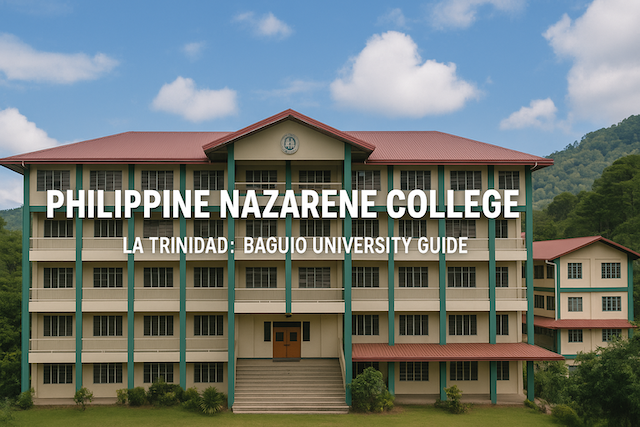
Philippine Nazarene College (PNC) – La Trinidad: Baguio University Guide
Contents
- Philippine Nazarene College (PNC) – La Trinidad: Baguio University Guide
- Overview of Philippine Nazarene College
- History and Mission of PNC
- Location: Studying in La Trinidad
- Academic Programs Offered
- Campus Environment and Facilities
- Student Life and Community
- Admission Requirements and Application Process
- Tuition Fees and Financial Assistance
- Why Choose Philippine Nazarene College?
- Pros and Cons of Studying at PNC
- Living in La Trinidad as a Student
- Conclusion
- FAQs (Frequently Asked Questions)
Philippine Nazarene College (PNC) – La Trinidad: Baguio University Guide
Philippine Nazarene College (PNC), located in La Trinidad, Benguet, is a private Christian institution known for its strong teacher education programs, values-centered curriculum, and nurturing campus environment. As part of the Baguio University Guide series, this article explores PNC’s history, academic offerings, campus life, admission process, tuition overview, and what students can expect when studying in La Trinidad. This comprehensive guide (1500+ words) will help prospective students, parents, and educators understand whether Philippine Nazarene College is the right choice for their academic journey.
Overview of Philippine Nazarene College
Philippine Nazarene College is affiliated with the Church of the Nazarene and is rooted in Christian teachings and service-oriented education. The institution emphasizes holistic development—academics, character formation, and community involvement—which makes it a preferred school for students pursuing education, theology, and social service fields.
The campus is situated in La Trinidad, just a short drive from Baguio City. This location offers students a peaceful environment for study while still being close enough to urban conveniences, malls, and transportation hubs.
History and Mission of PNC
Originally founded to train church workers and educators, PNC has evolved into a higher education institution offering undergraduate programs in Teacher Education, Arts and Sciences, and Theology. Its mission revolves around producing skilled professionals who embody Christian values and integrity.
PNC’s guiding principles include:
-
Excellence in Education
-
Faith-driven Learning
-
Community Service
-
Character Formation
These values shape the school’s curriculum, student activities, and campus culture.
Location: Studying in La Trinidad
La Trinidad is known for its cooler climate, strawberry farms, safe neighborhoods, and close proximity to Baguio City. Many students choose PNC due to the calm and accessible environment that is ideal for studying.
Benefits of Studying in La Trinidad:
-
Cooler highland climate
-
Lower living costs compared to Metro Manila
-
Close access to Baguio’s commercial and educational hubs
-
Safe and community-oriented surroundings
-
Affordable dormitories, apartments, and board-and-lodging options
Students often enjoy weekend trips to Baguio City, which is only 15–20 minutes away depending on traffic.
Academic Programs Offered
PNC focuses on programs that develop educators, Christian workers, and service-oriented professionals. Programs may vary per academic year, but common offerings include:
Teacher Education Programs
PNC is widely recognized for its education courses. These programs blend strong academic foundations with values-based learning.
-
Bachelor of Elementary Education (BEEd)
-
Bachelor of Secondary Education (BSEd)
-
Major in English
-
Major in Social Studies
-
Other majors depending on demand
-
These programs include rigorous teaching internships and community engagement.
Arts and Sciences
-
Bachelor of Arts in Religious Studies
-
Bachelor of Arts in English
The programs develop strong communication, leadership, and critical-thinking skills.
Theology and Ministry
Since PNC originated as a church-affiliated institution, theology remains a core program.
-
Bachelor of Theology
-
Christian Ministry Programs
These programs prepare students for church leadership, community service, and pastoral work.
Graduate and Continuing Education
PNC also offers postgraduate programs, seminars, and short courses for educators and church workers. These may include:
-
Professional Education Units
-
Master’s degrees (specific programs vary)
-
Continuing theological education
Campus Environment and Facilities
PNC’s campus is designed to provide a nurturing and community-oriented environment. Although modest compared to larger universities, the facilities support academic and extracurricular needs.
Key Campus Facilities
-
Classroom buildings equipped for lectures and multimedia learning
-
Library with theological texts, education resources, and research materials
-
Chapel for worship services, reflections, and spiritual gatherings
-
Multipurpose halls for seminars and student events
-
Outdoor open spaces suitable for study and fellowship activities
Students often praise the friendly atmosphere and approachable faculty.
Student Life and Community
PNC fosters a close-knit student population where collaboration, spiritual growth, and service are emphasized. Since the school is faith-based, many activities revolve around character development and community involvement.
Campus Organizations
-
Christian fellowship groups
-
Student council
-
Ministry teams
-
Teacher education associations
-
Volunteer and outreach groups
Campus Culture
-
Strong sense of belonging
-
Respectful and value-centered environment
-
Supportive faculty–student relationships
-
Activities promoting leadership, service, and spiritual maturity
Admission Requirements and Application Process
Admission requirements may change slightly each academic year, but standard requirements typically include:
For Incoming Freshmen:
-
Completed application form
-
Form 138 (Report Card)
-
Good Moral Certificate
-
PSA Birth Certificate
-
2×2 ID photos
-
Entrance interview (if applicable)
For Transferees:
-
Transcript of Records or Transfer Credentials
-
Honorable Dismissal
-
Good Moral Certificate
-
Copy of grades from previous school
For Returning Students:
-
Clearance from previous enrollment
-
Updates on school records (if needed)
Application Steps
-
Fill out the application form (onsite or online).
-
Submit required documents.
-
Attend an interview or orientation if required.
-
Pay the enrollment or reservation fee.
-
Receive class schedule and student ID instructions.
PNC is known for its friendly admissions staff who guide applicants throughout the process.
Tuition Fees and Financial Assistance
PNC is one of the more affordable private colleges in Benguet. Tuition varies depending on the program and number of units enrolled.
Estimated Tuition Range
-
Tuition is generally lower compared to major universities in Baguio or Manila.
-
Additional fees include registration, laboratory fees (if applicable), and miscellaneous charges.
Scholarships and Discounts
The school may offer:
-
Academic scholarships
-
Church-affiliated discounts
-
Financial assistance for ministry students
-
Government scholarships (TES, CHED programs)—subject to availability
Prospective students are encouraged to contact the registrar or scholarship office for updated details.
Why Choose Philippine Nazarene College?
Students choose PNC for various reasons, including:
1. Strong Teacher Education Programs
The school is respected for producing competent educators aligned with regional and national standards.
2. Christian-Based Learning Environment
PNC offers a nurturing and spiritually grounded community ideal for students seeking values-centered education.
3. Affordable Tuition and Living Costs
Compared to larger cities, studying in La Trinidad is more budget-friendly.
4. Close to Baguio City
Students enjoy the best of both worlds—a peaceful study environment with easy access to Baguio’s educational, commercial, and cultural hubs.
5. Supportive Community
The small campus size ensures personalized mentorship and strong faculty–student relationships.
Pros and Cons of Studying at PNC
Pros
-
Affordable and accessible education
-
Strong community and supportive culture
-
Excellent theology and education programs
-
Quiet and safe environment
-
Values-based student formation
Cons
-
Smaller campus compared to large universities
-
Limited program selection for students seeking STEM or business fields
-
Fewer modern facilities compared to bigger institutions
PNC is ideal for students who prioritize values, teaching careers, and community dynamics over large university amenities.
Living in La Trinidad as a Student
Many students find La Trinidad a comfortable place to live during their studies.
Benefits
-
Affordable dorms and apartments
-
Access to local markets, malls, and transport
-
Clean, peaceful neighborhoods
-
Cooler climate
Popular Student Areas
-
Km. 4
-
Km. 5
-
Balili
-
Pico
These locations offer easy access to jeepneys, eateries, and study spots.
Conclusion
Philippine Nazarene College (PNC) in La Trinidad is an excellent choice for students seeking affordable, values-centered education in a peaceful and supportive environment. With strong programs in teacher education, arts and sciences, and theology, PNC continues to be a respected institution in the Cordillera region. Whether you’re pursuing a career in education or ministry—or simply looking for a community-focused college experience—PNC offers a meaningful and enriching academic journey.
FAQs (Frequently Asked Questions)
Q1: Where is Philippine Nazarene College (PNC) located?
A1: Philippine Nazarene College (PNC) is located in La Trinidad, Benguet, just outside Baguio City in Northern Luzon. La Trinidad is known for its cool climate and strawberry farms, and it is approximately 15–20 minutes away from Baguio by jeepney or private vehicle, depending on traffic. This makes PNC very accessible for students who want a quieter study environment while still being close to the city center, malls, and transport hubs in Baguio.
Q2: What type of school is PNC?
A2: PNC is a private Christian college affiliated with the Church of the Nazarene. It offers higher education programs with a strong emphasis on Christian values, character formation, and community service. The school is particularly known for its teacher education and theology-related programs, but it also offers courses in arts and sciences. The campus culture is faith-based, supportive, and community-oriented.
Q3: What degree programs are commonly offered at Philippine Nazarene College?
A3: PNC typically offers programs in Teacher Education, Theology/Ministry, and Arts and Sciences. Examples include Bachelor of Elementary Education (BEEd), Bachelor of Secondary Education (BSEd) with majors like English or Social Studies, Bachelor of Arts in Religious Studies, Bachelor of Arts in English, and Bachelor of Theology or similar ministry-focused programs. Program offerings may change over time, so applicants are encouraged to contact the college directly for the most updated list of courses.
Q4: Is PNC a good choice for future teachers?
A4: Yes. PNC is considered a strong option for students who want to become teachers, especially in basic education. The Teacher Education programs are designed to develop both professional competence and moral integrity. Students receive training in pedagogy, classroom management, curriculum development, and supervised practice teaching. The college’s Christian ethos and close mentorship from faculty also help future teachers develop a strong sense of responsibility and service.
Q5: What is the campus environment like at PNC?
A5: The campus environment at PNC is generally quiet, safe, and community-oriented. Since it is not a very large institution, students often know each other and can build close relationships with classmates and teachers. There are dedicated spaces for worship, study, and student gatherings. The atmosphere is more relaxed compared to big city universities, which many students appreciate when focusing on their studies and spiritual growth.
Q6: How much is the tuition at Philippine Nazarene College?
A6: Tuition fees at PNC are usually more affordable than those of large private universities in Metro Manila and some big schools in Baguio City. The exact cost depends on the program, number of units, and any additional laboratory or miscellaneous fees. Because rates can change from year to year, it is best to inquire directly with the registrar or finance office. Many students choose PNC because it offers a balance of quality education and manageable tuition costs.
Q7: Does PNC offer scholarships or financial assistance?
A7: Yes, PNC typically offers several forms of financial assistance. These may include academic scholarships for high-performing students, need-based assistance, discounts for students connected with the Church of the Nazarene, and eligibility for government scholarship programs where applicable. Requirements and availability can change, so applicants should contact the scholarship or student affairs office to ask about current options and application procedures.
Q8: What are the admission requirements for new students?
A8: For incoming college freshmen, common requirements include a completed application form, high school report card (Form 138 or its equivalent), a certificate of good moral character, a PSA birth certificate, and ID photos. Some programs may require an interview, entrance exam, or additional documents. Transferees usually need their Transcript of Records, honorable dismissal, and good moral certificate from their previous school. International students or non-Filipino citizens might have additional requirements such as visas or special study permits.
Q9: Is PNC suitable for international or out-of-town students?
A9: Yes, PNC can be a good option for students coming from other provinces or from abroad, especially those who prefer a smaller, values-driven campus in a cooler climate. La Trinidad and nearby Baguio offer boarding houses, dormitories, and apartments at various price levels. However, international students should confirm visa, language, and documentation requirements in advance and may wish to ask the school if there is support for foreign enrollees.
Q10: What is student life like in La Trinidad and nearby Baguio City?
A10: Student life in La Trinidad is generally peaceful and budget-friendly. Many students enjoy easy access to local markets, inexpensive eateries, and scenic areas. During weekends or free time, students can go to Baguio City for malls, cafés, parks, and more diverse food options. Public transportation between La Trinidad and Baguio is frequent, usually by jeepney. The cool weather, friendly locals, and mix of urban and rural features make the area attractive for students who want a comfortable and safe study environment.
Q11: What kind of students will thrive at Philippine Nazarene College?
A11: PNC is a strong fit for students who value a Christian learning environment, want close interaction with faculty, and are interested in fields like education, theology, or service-oriented professions. Students who appreciate a quieter campus, a strong sense of community, and opportunities for spiritual growth will likely thrive here. Those who prefer large campuses, big-city nightlife, or a wide range of specialized programs (like engineering or certain STEM fields) may feel that PNC is more limited, but for its focus areas it offers a nurturing and purpose-driven college experience.
Q12: How can I get more information or contact PNC?
A12: To get the most up-to-date information on courses, tuition, schedules, and admission deadlines, it is recommended to contact Philippine Nazarene College directly through its official website, email, phone numbers, or official Facebook page, if available. The school’s administrative offices can provide accurate details on requirements, available scholarships, dormitory options, and important dates for entrance applications and enrollment.
Baguio University Guide
Baguio Province All Universities Lists
Philippines University Guide

How to Register for eTravel Philippines (2025 Guide)
Step-by-step guide to completing your eTravel registration before arriving in the Philippines, with images and tips.

Night Market in Cebu – Things You Don’t Know About Cebu Life
Discover the hidden charm of Cebu’s night markets, from street food stalls to local life tips you won’t find in tourist guides.

How to Use ChatGPT for IELTS Preparation: A Complete Guide
Learn how to prepare for IELTS using ChatGPT — including strategies for Writing, Reading, Listening, Speaking, and grammar support.

How to Build a Website Without Coding Using ChatGPT
Discover how to build your own website using AI—no coding skills needed. From structure planning to SEO and design, let ChatGPT guide you.