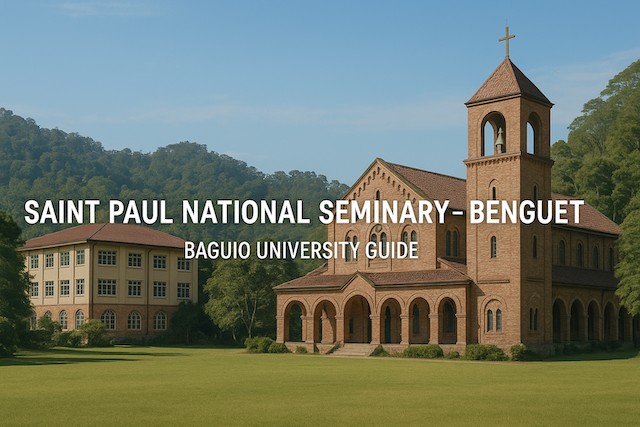
Saint Paul National Seminary – Benguet: Baguio University Guide
Saint Paul National Seminary (SPNS) in Benguet stands as one of the important formation centers for future Catholic priests in Northern Luzon. Unlike regular universities, seminaries like SPNS offer a unique blend of academic rigor, spiritual formation, pastoral training, and community life. This guide provides an in-depth look at the seminary for prospective seminarians, families, and anyone researching higher education or religious institutions in the Baguio–Benguet area.
Below is a comprehensive Baguio University Guide–style overview exceeding 1500 words, structured with H1 for the title and H2 for all section headings as requested.
Overview of Saint Paul National Seminary – Benguet
Saint Paul National Seminary serves as a formation house for young men discerning a vocation to the priesthood within the Catholic Church, especially within the region of Northern Luzon. It is located in the tranquil highlands of Benguet, where the cool climate and peaceful environment provide an ideal setting for prayer, study, and reflection.
While seminaries function differently from conventional colleges or universities, they share many academic qualities—such as classroom learning, structured programs, and faculty-led instruction—combined with spiritual formation such as daily Mass, guided retreats, and community living.
SPNS is associated with the broader network of Catholic educational institutions under diocesan supervision and often collaborates with nearby theological schools or universities for academic coursework.
Academic Programs and Formation Tracks
Saint Paul National Seminary typically offers programs centered around philosophy, religious studies, and human formation, which are foundational requirements before entering theological studies. While exact programs may vary by year or diocesan direction, most seminaries follow a consistent structure.
Philosophy Program (Pre-College or College Level)
This curriculum focuses on the essential philosophical foundations required for priestly formation. Typical courses include:
-
Introduction to Philosophy
-
Logic and Critical Thinking
-
Ethics and Moral Philosophy
-
Metaphysics
-
Epistemology
-
Philosophy of the Human Person
-
Church History and Religion
-
Social Sciences and Cultural Studies
The philosophy track builds the intellectual discipline necessary for deeper theological studies later in the formation process.
Religious and Spiritual Formation Courses
Alongside academic subjects, seminarians receive in-depth spiritual training through courses such as:
These courses help seminarians understand the theological foundations of the Church while also strengthening their personal spiritual journeys.
Human Formation Program
Human formation is a major component of priestly development. Some areas covered include:
-
Character development
-
Emotional maturity
-
Interpersonal communication
-
Leadership and service
-
Personality and vocation assessment
-
Community responsibilities and discipline
Seminarians learn how to live harmoniously with others and cultivate the maturity needed for future pastoral work.
Campus Environment and Location
Saint Paul National Seminary is located in a quiet part of Benguet, surrounded by pine trees, mountains, and a peaceful community atmosphere. The environment is well-suited for prayer, contemplation, and study.
Campus Features
-
Chapel – The heart of the seminary where daily Mass, prayer services, and liturgical celebrations take place.
-
Dormitories – Residential housing for seminarians who live on campus full-time.
-
Classrooms – Equipped for philosophy and theology-related courses.
-
Refectories and Dining Areas – Shared spaces where seminarians dine together as part of communal life.
-
Recreation Areas – Open fields, basketball courts, or gardens for physical activity and community bonding.
-
Library – Contains religious texts, philosophical works, journals, and study materials.
The calm and structured environment helps seminarians maintain a routine that balances prayer, study, community work, and rest.
Daily Life at Saint Paul National Seminary
A seminarian’s daily schedule is generally well-organized and disciplined, combining prayer, academics, chores, and recreation.
Typical Components of Daily Life
-
Morning Prayer & Mass – Usually held early in the day, setting the tone for spiritual grounding.
-
Classes and Academic Work – Philosophy courses, humanities, and religious subjects throughout the morning and afternoon.
-
Community Duties – Cleaning duties, gardening, assisting in chapel preparations, or helping maintain campus facilities.
-
Personal Study Time – Quiet hours for reading, research, and reflection.
-
Recreation – Sports, music, group activities, or supervised outings.
-
Evening Prayer – A communal prayer session before ending the day.
This structured lifestyle helps develop self-discipline, time management, and spiritual consistency.
Admission Requirements
Admission to Saint Paul National Seminary is different from traditional university enrollment. It includes both academic and vocation-based screening.
Typical Requirements Include:
-
Baptismal and Confirmation Certificates
-
Recommendation Letter from Parish Priest
-
Good Moral Character Certificate
-
Academic Records or Form 137/Transcript
-
Entrance Examination – Assessing academic readiness and critical thinking
-
Psychological Evaluation – To ensure emotional and mental readiness
-
Vocation Interview – Conducted by seminary formators or vocation directors
-
Medical Examination – Ensuring physical health for seminary life
The process is designed to evaluate not only academic ability but also spiritual maturity and intent.
Tuition Fees and Financial Assistance
Though the exact tuition and fees vary, seminaries often operate on a subsidized model, supported by diocesan funds, donations, and benefactors.
Common Cost Structure:
-
Tuition Fees – Usually lower compared to private universities
-
Board and Lodging – Covered by seminary fees or subsidized
-
Uniforms and Materials – Minimal costs
-
Retreats and Formation Activities – May require small additional fees
Many seminaries also offer:
Financial constraints rarely prevent a committed seminarian from pursuing formation.
Faculty and Formation Team
Saint Paul National Seminary is guided by a team of priest-formators, academic instructors, and spiritual directors. Their combined roles ensure the holistic development of seminarians.
Key Roles Include:
-
Rector – Head of the seminary who oversees formation and administration
-
Spiritual Director – Provides guidance for personal spiritual development
-
Dean of Studies – Manages academic programs and curriculum
-
Formators – Assist in discipline, pastoral training, community life, and personal development
In addition, lay teachers or visiting faculty may conduct specialized academic subjects.
Pastoral Formation and Community Outreach
Pastoral work is essential to priestly formation. Seminarians usually engage in:
-
Parish assistance
-
Catechism teaching
-
Community outreach
-
Youth ministry
-
Visiting hospitals, homes, or jails
-
Participating in diocesan events and liturgies
These experiences help seminarians understand the realities of pastoral care and deepen their calling.
Why Choose Saint Paul National Seminary?
1. Peaceful and Focused Environment
Benguet’s calm surroundings help seminarians focus on formation without urban distractions.
2. Strong Academic Foundation
Its philosophy and religious programs prepare students well for theology studies.
3. Holistic Formation
SPNS emphasizes intellectual, pastoral, spiritual, and human development.
Seminarians build lifelong friendships and learn values such as humility, cooperation, and service.
5. Guidance from Experienced Formators
Priests and educators mentor seminarians in both personal and spiritual growth.
Nearby Universities and Partner Institutions
Although SPNS is a specialized formation institution, it may collaborate with or send students to nearby colleges for certain academic courses. Some nearby institutions include:
-
Saint Louis University (SLU)
-
University of Baguio (UB)
-
University of the Cordilleras (UC)
-
Benguet State University (BSU)
-
Baguio Central University (BCU)
Such partnerships may involve philosophy courses, language programs, or specialized seminars.
Tips for Aspiring Seminarians
If you or someone you know is discerning whether to enter the seminary, consider the following:
-
Pray regularly and seek spiritual guidance
-
Talk to your parish priest or vocation director
-
Visit the seminary to get a feel for the environment
-
Engage in parish ministries to deepen your involvement in church life
-
Reflect on your intentions, ensuring you are guided by faith and openness
Entering the seminary is a major decision, and discernment is essential.
Conclusion
Saint Paul National Seminary in Benguet remains a respected institution for priestly formation in Northern Luzon. Providing a balanced program of academics, spiritual growth, pastoral training, and community life, it prepares young men for the next step in their journey toward the priesthood.
Its serene location, dedicated faculty, structured environment, and strong moral foundations make it a meaningful path for those who feel called to serve the Church.
FAQs (Frequently Asked Questions)
What type of school is Saint Paul National Seminary in Benguet?
Saint Paul National Seminary in Benguet is a Catholic seminary dedicated to forming young men who are discerning a vocation to the priesthood. It is not a regular university in the usual sense; instead, it combines academic studies with spiritual, pastoral, and human formation. Seminarians live on campus, follow a structured daily schedule, and participate in prayer, liturgy, and community life as part of their training. While it may be academically connected to nearby universities for certain courses, its primary mission is priestly formation rather than general higher education.
What academic programs are typically offered at the seminary?
The seminary usually focuses on programs related to philosophy, religious studies, and human formation, which are standard prerequisites before entering major seminary or theology. Seminarians often take courses such as Introduction to Philosophy, Logic, Ethics, Metaphysics, and Philosophy of the Human Person. These are supported by subjects in basic theology, Scripture, liturgy, and Church history. Together, these courses strengthen the intellectual foundation needed for future theological studies and pastoral ministry.
Who can apply to Saint Paul National Seminary?
Saint Paul National Seminary is open to male Catholics who feel called to consider the priesthood and who are recommended by their parish or diocese. Applicants are usually high school graduates or college students who have shown good moral character, involvement in parish life, and a willingness to undergo a structured formation process. The seminary looks for signs of maturity, openness to spiritual direction, and a genuine desire to serve the Church, rather than simply academic performance alone.
What are the usual admission requirements?
While specific requirements can vary by diocese or year, common documents include a Baptismal Certificate, Confirmation Certificate, and a Certificate of Good Moral Character. Applicants typically submit their high school or college records, a recommendation from their parish priest, and may undergo an entrance examination and a psychological evaluation. They are also invited for interviews with the rector or formation team, where vocation, family background, and personal readiness are discussed in depth. A medical exam is often part of the process to ensure physical fitness for seminary life.
How much does it cost to study at Saint Paul National Seminary?
Seminary education is often supported by the local diocese, religious benefactors, and donations, so fees are usually more affordable than those of private universities. Costs may include tuition, board and lodging, uniforms, and some formation activities like retreats. In many cases, the diocese or sponsors help cover a large portion of the expenses, especially for qualified candidates with financial limitations. Prospective seminarians are encouraged to speak with the vocation director or seminary office about possible scholarships or assistance.
What is daily life like for seminarians?
Daily life at Saint Paul National Seminary is structured around prayer, community, and study. A typical day includes morning prayer and Mass, followed by classes in philosophy or religious subjects. After meals, seminarians may have more classes, personal study periods, and assigned duties such as cleaning, gardening, or helping in the chapel. Recreation, sports, or community-building activities are also included in the schedule. The day usually ends with evening prayer, reflection, and quiet time, creating a balanced rhythm of work, rest, and spiritual growth.
Is the seminary open to visitors or those who are still discerning?
Yes, seminaries like Saint Paul National Seminary often welcome serious inquirers who wish to know more about seminary life. There may be vocation weekends, retreats, or guided visits where interested young men can experience the environment, join prayers, and talk to formators or current seminarians. These activities help individuals discern whether they are truly called to enter the seminary. Those considering this path are usually encouraged to speak first with their parish priest or diocesan vocation director.
Does the seminary offer regular college degrees?
The primary purpose of Saint Paul National Seminary is priestly formation, so its academic offerings are designed to meet the Church’s requirements for seminarians rather than the broader job market. Some philosophy or religious studies programs may be recognized by partner universities or accrediting bodies, allowing seminarians to earn a degree or transferable credits. However, people whose main goal is to pursue a secular career usually enroll in nearby universities instead, while the seminary focuses on preparing candidates for further theology and eventual ordination.
What kind of pastoral exposure do seminarians receive?
Pastoral formation is a key element of life at Saint Paul National Seminary. Seminarians are commonly sent to parishes, chapels, or mission areas to assist in liturgies, teach catechism, help with youth ministry, and participate in outreach to the poor or sick. They may visit hospitals, homes for the elderly, or jails under the guidance of priests or formators. These experiences allow them to meet people from different backgrounds, practice compassion, and learn how to serve as future pastors of souls.
How is spiritual formation handled inside the seminary?
Spiritual formation is handled through daily Mass, regular reception of the sacraments, community prayers, retreats, days of recollection, and personal spiritual direction. Each seminarian is usually assigned a spiritual director who helps him reflect on his prayer life, vocation, and personal struggles in a confidential setting. The environment encourages silence at appropriate times, devotion to the Eucharist, Marian devotion, and meditation on Scripture. All of these practices aim to deepen the seminarian’s relationship with God and clarify his calling.
How can someone start the process of applying or discerning?
The first step is usually to talk to a parish priest or the diocesan vocation director, who can give guidance about the requirements and expectations. Interested individuals can then visit Saint Paul National Seminary, attend a vocation seminar or retreat, and submit the necessary documents for evaluation. It is helpful to pray regularly, become active in parish life, and seek advice from trusted mentors. The seminary’s role is to accompany the candidate in discerning whether God is truly calling him to the priesthood, and the process is meant to be gradual, honest, and supportive.