2025年12月13日
3D ACADEMY offers affordable English study programs in Cebu, Philippines – perfect for beginners, professionals, and exam takers.

3D UNIVERSAL ENGLISH INSTITUTE INC
info.3d-universal.com
8:00-17:00(Mon-Fri)
St. Francis Xavier Regional Major Seminary of Mindanao: Davao University Guide
Contents
- St. Francis Xavier Regional Major Seminary of Mindanao: Davao University Guide
- Overview of St. Francis Xavier Regional Major Seminary (REMASE)
- Location and Campus Environment
- Academic Programs
- Spiritual Formation
- Pastoral Training and Ministry Exposure
- Faculty and Formation Team
- Admissions and Requirements
- Student Life and Community
- Library and Learning Resources
- Why Choose St. Francis Xavier Regional Major Seminary?
- Partnerships and Community Impact
- Preparing for Life After Seminary
- Conclusion
- FAQs (Frequently Asked Questions)
- What is St. Francis Xavier Regional Major Seminary of Mindanao (REMASE)?
- Where is the seminary located in Davao City?
- What type of programs does REMASE offer?
- Who can apply to St. Francis Xavier Regional Major Seminary?
- How does the admissions process generally work?
- What is daily life like for seminarians at REMASE?
- What kind of spiritual formation do seminarians receive?
- Does REMASE provide pastoral and community exposure?
- What facilities are available on campus?
- Is St. Francis Xavier Regional Major Seminary open to visitors?
- How do interested applicants or parents get more information?
St. Francis Xavier Regional Major Seminary of Mindanao: Davao University Guide
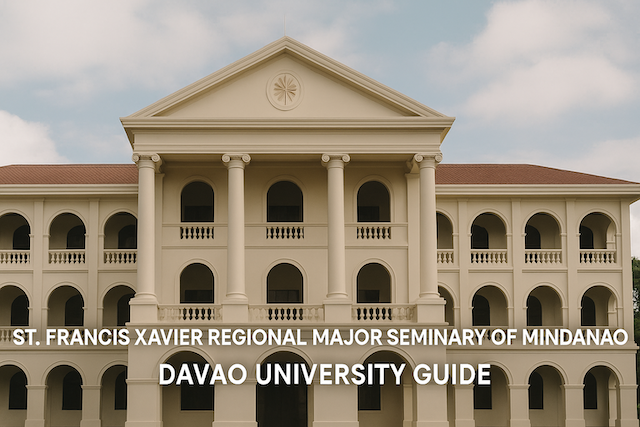
St. Francis Xavier Regional Major Seminary (commonly known as REMASE) is one of Mindanao’s most respected institutions for priestly formation. Located in Davao City, the seminary serves as a regional center for academic, spiritual, human, and pastoral formation for seminarians preparing for the Catholic priesthood. This guide provides a detailed overview of the institution—its mission, programs, campus life, admissions process, and why it continues to be a pillar of Catholic education in Mindanao.
Overview of St. Francis Xavier Regional Major Seminary (REMASE)
Founded to serve the ecclesiastical provinces of Mindanao and the Sulu Archipelago, REMASE plays a crucial role in shaping future Church leaders. The seminary is committed to holistic formation rooted in Gospel values. Students undergo rigorous training in theology, philosophy, spirituality, and pastoral service.
The seminary’s approach aligns with the Catholic Church’s four pillars of formation:
-
Human formation
-
Spiritual formation
-
Intellectual formation
-
Pastoral formation
This balanced method ensures that seminarians develop deep theological understanding, strong moral character, and a profound commitment to pastoral mission.
Location and Campus Environment
St. Francis Xavier Regional Major Seminary is located in the quiet and spacious Catalunan Grande area of Davao City. This location offers a serene atmosphere ideal for contemplation, prayer, and academic focus.
The campus features:
-
Formation houses and residential dormitories
-
A central chapel for daily Mass and prayer
-
Classrooms and lecture halls
-
A theological library with extensive Catholic resources
-
Gardens and open spaces for meditation
-
Pastoral ministry offices
-
Recreational facilities for physical exercise and community building
The calm environment allows seminarians to flourish socially and spiritually while remaining connected to the broader Davao community.
Academic Programs
REMASE offers structured programs in philosophy and theology, typically corresponding to the stages of priestly formation.
Philosophy Program
This pre-theology program aims to:
-
Equip seminarians with critical thinking skills
-
Provide foundations in classical and contemporary philosophy
-
Prepare students for advanced theological studies
Courses may include logic, metaphysics, ethics, anthropology, epistemology, and church-related philosophical thought.
Theology Program
This program forms the core of seminary education, preparing students for ordained ministry. The curriculum is aligned with Catholic doctrinal standards and covers:
-
Sacred Scripture
-
Christology
-
Ecclesiology
-
Liturgy and Sacramental Theology
-
Moral Theology
-
Canon Law
-
Pastoral Theology
Students engage in in-depth study of Church teachings and learn how to apply theological principles in pastoral settings.
Spiritual Formation
Spiritual formation is the heart of seminary life at REMASE. The goal is to cultivate a deep, personal relationship with God and to form seminarians into men of prayer.
Typical spiritual activities include:
-
Daily Eucharistic celebration
-
Liturgy of the Hours
-
Personal and communal prayer
-
Spiritual direction
-
Retreats and recollections
-
Formation conferences
The seminary emphasizes discipline, interior reflection, and commitment to living out Gospel values.
Pastoral Training and Ministry Exposure
REMASE prepares seminarians for real-life pastoral work through active ministry assignments. These may include:
-
Parish work (ushering, catechism teaching, youth ministry)
-
Community immersion
-
Hospital and prison visits
-
Mission outreach programs
These hands-on experiences teach seminarians compassion, leadership, and effective communication, helping them understand the diverse needs of the faithful.
Faculty and Formation Team
The seminary’s faculty includes priests, theologians, philosophers, and pastoral mentors with extensive experience in Church ministry. The formation team is responsible not only for academic instruction but also spiritual guidance and personal development.
The collaborative environment ensures seminarians receive consistent mentoring and support throughout their journey.
Admissions and Requirements
Applying to St. Francis Xavier Regional Major Seminary is a multi-step process usually coordinated with the applicant’s home diocese. Requirements often include:
-
Recommendation from a parish priest or bishop
-
Psychological evaluation
-
Academic records
-
Baptismal and confirmation certificates
-
Interview with the formation team
-
Participation in discernment retreats
The admissions process aims to evaluate the applicant’s vocation, maturity, and readiness for seminary life.
Student Life and Community
Life at REMASE is structured yet deeply communal. Formation activities revolve around prayer, study, ministry, and community-building.
Daily Schedule
A typical day includes:
-
Morning prayers and meditation
-
Academic classes
-
Community meals
-
Pastoral assignments or study hours
-
Evening prayers and reflection
Community Activities
-
Cultural events
-
Sports and recreation
-
Outreach missions
-
Feast day celebrations
Seminarians learn teamwork, discipline, and stewardship through their participation in communal tasks.
Library and Learning Resources
REMASE’s theological library is one of the best in Mindanao for religious studies. It contains:
-
Books on philosophy, theology, and Church history
-
Papal encyclicals and Vatican documents
-
Local and international theological journals
-
Research facilities for thesis writing and academic projects
Students are encouraged to develop strong research and writing skills critical for pastoral and academic work.
Why Choose St. Francis Xavier Regional Major Seminary?
Here are the top reasons why seminarians choose REMASE:
1. Strong Tradition of Formation
The seminary has decades of experience in forming church leaders rooted in Catholic tradition.
2. Comprehensive Formation
It integrates spiritual, pastoral, intellectual, and human development.
3. Peaceful Environment
The serene surroundings create an ideal atmosphere for spiritual growth and academic focus.
4. Highly Qualified Faculty
The seminary staff are experts in theology, philosophy, and pastoral ministry.
5. Opportunities for Ministry
Extensive outreach programs ensure seminarians gain real-world pastoral experience.
6. Strong Community Culture
Seminarians build deep bonds that support their spiritual journey and future priestly life.
Partnerships and Community Impact
REMASE actively collaborates with dioceses, parishes, Catholic organizations, and educational institutions. The seminary contributes significantly to Mindanao’s religious and cultural landscape through:
-
Lay formation programs
-
Pastoral workshops
-
Social outreach initiatives
-
Clergy support services
Its mission extends beyond the campus, strengthening the Catholic community across the region.
Preparing for Life After Seminary
Graduates typically move on to:
-
Transitional diaconate
-
Priestly ordination
-
Parish assignment
-
Further studies in canon law, theology, or pastoral counseling
The seminary equips future priests with the tools they need to serve faithfully and lead effectively.
Conclusion
St. Francis Xavier Regional Major Seminary of Mindanao remains a cornerstone of priestly formation in Davao City and the broader Mindanao region. Its long-standing commitment to holistic formation, academic excellence, and pastoral mission continues to enrich the Church and empower future leaders. For those discerning a vocation to the priesthood, REMASE offers a nurturing environment where faith, intellect, and service come together in
FAQs (Frequently Asked Questions)
What is St. Francis Xavier Regional Major Seminary of Mindanao (REMASE)?
St. Francis Xavier Regional Major Seminary of Mindanao, often called REMASE, is a Catholic regional seminary located in Davao City. It serves dioceses across Mindanao and nearby regions by providing priestly formation. The seminary offers philosophy and theology programs, along with intensive spiritual, human, and pastoral formation, to prepare men for the Catholic priesthood.
Where is the seminary located in Davao City?
The seminary is situated in a relatively quiet and spacious area of Davao City, commonly associated with Catalunan Grande and the southern part of the city. This location is intentionally chosen for its peaceful environment, which supports prayer, reflection, and focused study. While not in the busy city center, it is still accessible to parishes, communities, and pastoral areas where seminarians can be assigned for ministry exposure.
What type of programs does REMASE offer?
REMASE typically offers two major stages of priestly formation: a philosophy program and a theology program. The philosophy program focuses on critical thinking, ethics, metaphysics, and human nature as preparation for deeper theological studies. The theology program covers Scripture, dogmatic theology, liturgy and sacraments, moral theology, canon law, and pastoral theology. Both programs are integrated with spiritual and pastoral activities to ensure holistic formation.
Who can apply to St. Francis Xavier Regional Major Seminary?
The seminary is intended for men who are seriously discerning a vocation to the Catholic priesthood. Applicants usually come from dioceses in Mindanao and sometimes from nearby regions. They must be baptized and confirmed Catholics, display good moral character, and be recommended by their parish priest and bishop or vocation director. The seminary does not function as an open college for general students; admissions are always linked to a vocation process under Church authority.
How does the admissions process generally work?
Admissions are commonly coordinated through the applicant’s home parish and diocese. A candidate first contacts the parish priest or diocesan vocation director, who can guide him through initial discernment and screening. Requirements may include academic transcripts, baptismal and confirmation certificates, a recommendation letter, psychological assessment, medical clearance, and interviews with the formation team. Many dioceses also require participation in a live-in or discernment program before endorsing a candidate for entry into REMASE.
What is daily life like for seminarians at REMASE?
Daily life in the seminary is structured and community-based. Seminarians usually begin their day with morning prayers and Mass, followed by breakfast and academic classes. Afternoons may include more classes, pastoral activities, or study periods. Evenings are often reserved for communal prayer, spiritual reading, personal reflection, and recreation. Tasks such as cleaning, organizing events, and helping in the chapel or kitchen are shared, teaching responsibility and service. Weekends may involve parish exposure or pastoral assignments.
What kind of spiritual formation do seminarians receive?
Spiritual formation is central at REMASE. Seminarians participate in daily Eucharist, Liturgy of the Hours, regular confession, and personal prayer. Each seminarian typically has a spiritual director who accompanies him in discerning God’s will and deepening his interior life. The seminary also organizes retreats, days of recollection, and formation talks on topics like prayer, virtue, celibacy, and priestly identity. The goal is not only to practice religious activities, but to grow into men of deep faith, integrity, and pastoral charity.
Does REMASE provide pastoral and community exposure?
Yes. Pastoral formation is a key pillar of the program. Seminarians may be assigned to parishes, chapels, or mission areas to assist in liturgy, catechism, youth ministry, social action programs, or community visits. Some are exposed to hospital ministry, prison outreach, or work with marginalized communities. These experiences help them understand the real situations of people they will one day serve as priests, and allow them to practice listening, empathy, and leadership in a guided way.
What facilities are available on campus?
The seminary generally includes a main chapel, smaller prayer areas, classrooms, faculty offices, dormitories or formation houses, a refectory (dining hall), and common rooms. A theological library provides books on philosophy, theology, Scripture, Church documents, and pastoral ministry, along with journals and reference materials for research and thesis writing. There are also open spaces, gardens, and sports or recreation areas, encouraging a balanced lifestyle that includes physical exercise and community bonding.
Is St. Francis Xavier Regional Major Seminary open to visitors?
Visitors are usually welcome, but access is often regulated to maintain the seminary’s atmosphere of formation and prayer. Families of seminarians, clergy, benefactors, and invited groups may visit at designated times or during special events such as ordination celebrations, feast days, or community activities. Those interested in visiting for vocational reasons or learning more about the seminary should coordinate in advance with the seminary office or the vocation director of their diocese.
How do interested applicants or parents get more information?
For updated details on admission procedures, schedules, or formation programs, it is best to contact the seminary directly or coordinate with the diocesan vocation office. Many dioceses in Mindanao have vocation promoters who can provide guidance about REMASE and the discernment process. Inquiries can typically be made through official contact numbers, email, or the diocesan chancery office. Because procedures may change over time, always rely on the most recent information from Church authorities.
Davao University Guide
Davao Province All Universities Lists
Philippines University Guide

How to Register for eTravel Philippines (2025 Guide)
Step-by-step guide to completing your eTravel registration before arriving in the Philippines, with images and tips.

Night Market in Cebu – Things You Don’t Know About Cebu Life
Discover the hidden charm of Cebu’s night markets, from street food stalls to local life tips you won’t find in tourist guides.

How to Use ChatGPT for IELTS Preparation: A Complete Guide
Learn how to prepare for IELTS using ChatGPT — including strategies for Writing, Reading, Listening, Speaking, and grammar support.

How to Build a Website Without Coding Using ChatGPT
Discover how to build your own website using AI—no coding skills needed. From structure planning to SEO and design, let ChatGPT guide you.