2025年12月18日
3D ACADEMY offers affordable English study programs in Cebu, Philippines – perfect for beginners, professionals, and exam takers.

3D UNIVERSAL ENGLISH INSTITUTE INC
info.3d-universal.com
8:00-17:00(Mon-Fri)
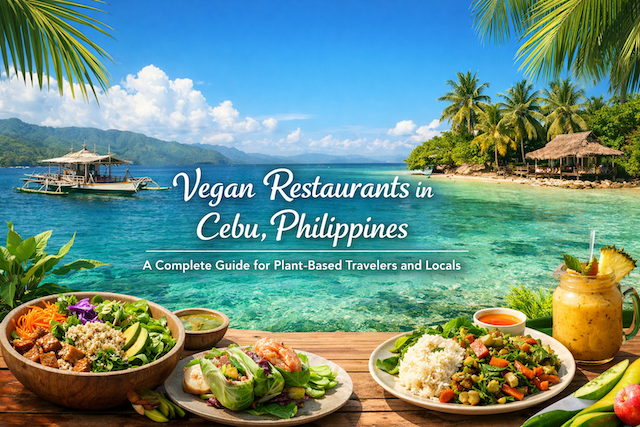
Vegan Restaurants in Cebu, Philippines: A Complete Guide for Plant-Based Travelers and Locals
Contents
- Vegan Restaurants in Cebu, Philippines: A Complete Guide for Plant-Based Travelers and Locals
- Is Cebu Vegan-Friendly?
- Fully Vegan Restaurants in Cebu
- Vegetarian and Vegan-Friendly Cafés
- International Vegan and Plant-Based Cuisine
- Vegan Options in Malls and Food Courts
- Vegan Filipino Food: What to Look For
- Best Areas in Cebu for Vegan Dining
- Practical Tips for Vegans Visiting Cebu
- Cost of Vegan Food in Cebu
- The Future of Vegan Dining in Cebu
- Final Thoughts
- Frequently Asked Questions
- Is Cebu a good destination for vegans?
- Are there fully vegan restaurants in Cebu, or only vegan options?
- What areas in Cebu City have the most vegan food choices?
- What Filipino dishes can be vegan in Cebu?
- Do restaurants in Cebu understand the word “vegan”?
- How do I ask for vegan food in Cebu in a simple way?
- Is it easy to find vegan food in Cebu malls?
- Can I eat vegan using GrabFood or Foodpanda in Cebu?
- What ingredients should vegans watch out for in Filipino food?
- Are there vegan desserts in Cebu?
- Is vegan food expensive in Cebu?
- Do I need to worry about cross-contact if I am vegan in Cebu?
- What is the best strategy for staying vegan in Cebu for a week?
- Frequently Asked Questions
- Is Cebu a good destination for vegans?
- Are there fully vegan restaurants in Cebu, or only vegan options?
- What areas in Cebu City have the most vegan food choices?
- What Filipino dishes can be vegan in Cebu?
- Do restaurants in Cebu understand the word “vegan”?
- How do I ask for vegan food in Cebu in a simple way?
- Is it easy to find vegan food in Cebu malls?
- Can I eat vegan using GrabFood or Foodpanda in Cebu?
- What ingredients should vegans watch out for in Filipino food?
- Are there vegan desserts in Cebu?
- Is vegan food expensive in Cebu?
- Do I need to worry about cross-contact if I am vegan in Cebu?
- What is the best strategy for staying vegan in Cebu for a week?
Vegan Restaurants in Cebu, Philippines: A Complete Guide for Plant-Based Travelers and Locals
Cebu City is best known for its lechon, grilled seafood, and hearty Filipino comfort food. At first glance, it may not seem like a vegan-friendly destination. However, over the past few years, Cebu has quietly developed a strong and growing plant-based food scene. From fully vegan restaurants to vegetarian cafés and health-focused eateries, Cebu now offers plenty of options for vegans, vegetarians, and anyone looking to eat cleaner or more sustainably.
This guide explores the best vegan and plant-based restaurants in Cebu, what kind of food you can expect, where to find them, and practical tips for dining vegan in a city where meat is still deeply embedded in the culture.
Is Cebu Vegan-Friendly?
Compared to cities like Bangkok or Bali, Cebu is still an emerging vegan destination. However, it is far more vegan-friendly today than it was even five years ago. Several factors have contributed to this shift, including the rise of health-conscious lifestyles, yoga and fitness communities, environmental awareness, and an increasing number of foreign residents and digital nomads.
Many restaurants now understand requests like “no meat,” “no egg,” and “no dairy,” and several cafés clearly label vegan items on their menus. While traditional Filipino cuisine is meat-heavy, plant-based adaptations are becoming more common.
Fully Vegan Restaurants in Cebu
Fully vegan restaurants are still relatively rare in Cebu, but the ones that exist are well-loved by the local vegan community.
Planet Vegis
Planet Vegis is one of the most popular vegan restaurants in Cebu and often considered a pioneer of plant-based dining in the city. The menu features vegan versions of Filipino classics such as sisig, kare-kare, and adobo, as well as Western-style comfort food like burgers and rice bowls.
The flavors are bold, portions are generous, and prices are reasonable. This restaurant is especially popular among first-time visitors who want to experience Filipino flavors without animal products.
Vegan Cebu City (Community Kitchens and Pop-Ups)
Beyond permanent locations, Cebu has a strong culture of vegan pop-ups, home-based kitchens, and weekend markets. These often operate through Facebook or Instagram and offer items like vegan desserts, plant-based lechon alternatives, and dairy-free pastries.
While not always available daily, these pop-ups are worth seeking out if you are staying in Cebu for more than a few days.
Vegetarian and Vegan-Friendly Cafés
Many cafés in Cebu are not fully vegan but offer clearly marked vegan options and are flexible with modifications.
Earth Origins Market and Café
Earth Origins is a well-known health café and organic store that caters to vegans, vegetarians, and people with dietary restrictions. The menu includes smoothie bowls, salads, wraps, plant-based burgers, and raw desserts.
This café is popular among fitness enthusiasts, yoga practitioners, and expats looking for clean, nutrient-dense meals.
Lun-haw Vegan Café (Seasonal Availability)
Lun-haw focuses on local vegetables, Filipino flavors, and simple cooking methods. Dishes often change depending on ingredient availability, but the emphasis is on fresh produce, minimal processing, and traditional tastes.
If you want to explore vegan Filipino food that feels close to home cooking, this type of café is a great option.
International Vegan and Plant-Based Cuisine
Cebu’s international food scene has also contributed to better vegan options, especially in areas with high expat populations.
Middle Eastern and Mediterranean Restaurants
Falafel, hummus, baba ghanoush, and vegetable kebabs are widely available in Cebu. Many Middle Eastern restaurants can easily prepare vegan meals by request, making them a reliable option when fully vegan restaurants are not nearby.
Indian Restaurants
Indian cuisine is one of the easiest ways to eat vegan in Cebu. Many Indian restaurants offer lentil-based dishes, vegetable curries, and dairy-free options upon request. Just be sure to specify no ghee or cream.
Japanese and Korean Restaurants (With Caution)
While Japanese and Korean cuisines are popular in Cebu, vegans need to be cautious due to hidden animal-based ingredients such as fish stock, bonito flakes, and sauces. Some restaurants are accommodating, especially those offering vegetable sushi, tofu dishes, and rice bowls.
Vegan Options in Malls and Food Courts
Cebu’s major malls like Ayala Center Cebu, SM City Cebu, and SM Seaside now include healthier dining concepts that offer vegan-friendly items.
Salad bars, smoothie stands, and build-your-own bowl concepts often allow you to create a fully vegan meal. While these are not traditional vegan restaurants, they are convenient and accessible options when exploring the city.
Vegan Filipino Food: What to Look For
Traditional Filipino food can be adapted for vegans with a bit of knowledge.
Common vegan-friendly Filipino ingredients include:
-
Rice and rice noodles
-
Vegetables like eggplant, squash, okra, and kangkong
-
Coconut milk and coconut cream
-
Tofu and mushrooms
Dishes that can often be made vegan include vegetable lumpia, pinakbet (without shrimp paste), laing (without dried fish), and ginataang gulay. Always confirm ingredients, as small amounts of fish sauce or shrimp paste are commonly added.
Best Areas in Cebu for Vegan Dining
Certain neighborhoods are more vegan-friendly than others.
Cebu IT Park and Lahug
These areas have a high concentration of cafés, health food restaurants, and international dining options. Vegan and vegetarian choices are easier to find here, especially near co-working spaces and gyms.
Banilad and Talamban
Known for their expat communities and international schools, these areas often host health cafés and specialty restaurants that cater to plant-based diets.
Cebu City Center
Downtown Cebu has fewer dedicated vegan restaurants, but you can still find flexible eateries willing to customize meals if you communicate clearly.
Practical Tips for Vegans Visiting Cebu
Eating vegan in Cebu is very doable if you prepare a little in advance.
Learn a few key phrases such as “walang karne” (no meat), “walang itlog” (no egg), and “walang gatas” (no milk). Using food delivery apps like GrabFood and Foodpanda can also help, as you can filter by cuisine and read ingredient descriptions more carefully.
Joining local vegan Facebook groups is another great way to discover new restaurants, pop-ups, and limited-time offerings.
Cost of Vegan Food in Cebu
Vegan food in Cebu ranges widely in price. Local-style vegan meals can be very affordable, while imported ingredients and Western-style vegan dishes tend to be more expensive.
On average:
-
Local vegan meals: budget-friendly
-
Health cafés and smoothie bowls: mid-range
-
Specialty vegan restaurants and imported items: higher-end
Overall, Cebu remains cheaper than most Western countries for plant-based dining.
The Future of Vegan Dining in Cebu
The vegan scene in Cebu is still growing, but the trend is clearly upward. More restaurants are adding vegan items to their menus, and awareness of plant-based diets continues to increase among locals.
As Cebu attracts more digital nomads, health-conscious travelers, and long-term expats, the demand for vegan food will likely continue to rise. For now, the city offers a satisfying balance of dedicated vegan spots and flexible dining options for those willing to explore.
Final Thoughts
Cebu may not yet be a global vegan hotspot, but it has more than enough options to keep plant-based travelers happy. With fully vegan restaurants, health cafés, international cuisine, and adaptable Filipino dishes, eating vegan in Cebu is no longer a challenge.
Whether you are a long-term resident, a digital nomad, or a traveler passing through, Cebu’s vegan food scene is worth discovering. With a bit of curiosity and flexibility, you can enjoy flavorful, satisfying plant-based meals throughout the city.
Frequently Asked Questions
Is Cebu a good destination for vegans?
Yes. Cebu is not as vegan-focused as some major Asian hubs, but it is increasingly vegan-friendly. You can find fully vegan restaurants, health cafés with plant-based menus, and international restaurants that can adjust dishes upon request. The key is knowing where to look (areas like IT Park, Lahug, and Banilad usually have more options) and being comfortable asking for modifications. Food delivery apps and local vegan community pages also make it easier to discover new places, pop-ups, and seasonal menus.
Are there fully vegan restaurants in Cebu, or only vegan options?
There are fully vegan restaurants, but they are fewer than vegan-friendly restaurants. Many popular places in Cebu are not strictly vegan, yet they offer clearly labeled vegan dishes or can modify items to remove animal products. If you prefer zero cross-contact risk, choose dedicated vegan establishments whenever possible. If you are more flexible, vegan-friendly cafés and international restaurants will expand your options significantly.
What areas in Cebu City have the most vegan food choices?
In general, Cebu IT Park and Lahug are among the easiest areas for vegan dining because they have many cafés, modern restaurants, and health-conscious concepts. Banilad also tends to have vegan-friendly spots, partly due to expat communities and wellness-oriented businesses. Central Cebu and downtown areas can still work for vegans, but you may rely more on customizing meals rather than finding fully vegan menus.
What Filipino dishes can be vegan in Cebu?
Many Filipino dishes can be vegan if prepared without fish sauce, shrimp paste, meat broth, eggs, or dairy. Vegetable lumpia (spring rolls) is often vegan, but confirm if egg is used in the wrapper. Dishes cooked in coconut milk (ginataan-style) can be vegan, but sometimes contain dried fish or seafood. Vegetable stews and sautéed greens can be vegan if cooked in oil and seasoned without animal-based condiments. Always ask what was used for flavoring, since small ingredients make a big difference.
Do restaurants in Cebu understand the word “vegan”?
Some do, especially health cafés and restaurants that regularly serve foreign customers. Others may interpret “vegan” as “no meat” but still include eggs, dairy, or fish-based ingredients. For best results, explain your needs clearly: “no meat, no fish, no egg, no dairy.” If you have severe allergies or strict requirements, ask what the dish is cooked with, what sauces are used, and whether broth contains meat or seafood.
How do I ask for vegan food in Cebu in a simple way?
You can use short, clear requests such as “no meat,” “no egg,” and “no milk.” If you want to use a local language phrase, “walang karne” means “no meat.” You can also say “walang itlog” (no egg) and “walang gatas” (no milk). Even if the staff speak English, using simple words and repeating the main restrictions helps avoid misunderstandings, especially in busy restaurants.
Is it easy to find vegan food in Cebu malls?
Yes, malls are often reliable places to find vegan-friendly meals. Large malls like Ayala Center Cebu, SM City Cebu, and SM Seaside have many dining choices, including salad bars, smoothie kiosks, rice bowl concepts, and international chains with customizable menus. While these places may not be vegan-exclusive, they allow you to build a meal around vegetables, tofu, beans, grains, and fruits. Ask about dressings and sauces, since they can contain dairy or fish-based ingredients.
Can I eat vegan using GrabFood or Foodpanda in Cebu?
Yes. Delivery apps are helpful because you can read menus carefully and look for tags like “vegetarian,” “healthy,” or “plant-based.” However, “vegetarian” does not always mean vegan, and some dishes may include eggs, dairy, or fish sauce. Use the order notes to request “no egg, no dairy, no fish sauce,” and choose restaurants that already offer vegan items to reduce the risk of mistakes. Apps are also useful when the weather is bad or you are staying far from vegan hotspots.
What ingredients should vegans watch out for in Filipino food?
Common hidden non-vegan ingredients include fish sauce, shrimp paste, oyster sauce, dried fish, meat broth, and sometimes mayonnaise or condensed milk in sauces and desserts. Even vegetable dishes may be seasoned with small amounts of seafood-based condiments. If you want to be strict, ask what the dish is flavored with and whether any fish-based ingredients are included. Also be cautious with soups, since broth is often made with meat or bones unless specified otherwise.
Are there vegan desserts in Cebu?
Yes, but you may need to search a bit more than for main dishes. Some health cafés offer vegan cakes, raw desserts, chia puddings, and dairy-free ice pops. Vegan baked goods may appear through pop-ups, weekend markets, or home-based sellers. When ordering traditional Filipino sweets, assume they contain dairy, eggs, or gelatin unless confirmed otherwise. If you are craving dessert, health cafés and specialty dessert shops are usually your best starting point.
Is vegan food expensive in Cebu?
It depends on the type of restaurant and ingredients. Local-style vegan meals can be affordable, especially if built around rice, vegetables, tofu, and coconut-based dishes. Prices rise when restaurants use imported meat substitutes, specialty ingredients, or Western-style presentation. Overall, Cebu can still be cost-effective compared with many Western countries, but premium “wellness café” meals may feel mid-range to high for budget travelers.
Do I need to worry about cross-contact if I am vegan in Cebu?
If you are vegan for ethical reasons, cross-contact may be less critical than it would be for allergies, but it still matters to some diners. In non-vegan restaurants, shared grills, fryers, and utensils are common. If you need stricter separation, choose fully vegan restaurants or explicitly ask whether your dish can be cooked separately. Being polite and clear helps, and ordering simpler dishes with fewer components also reduces risk.
What is the best strategy for staying vegan in Cebu for a week?
A good strategy is to combine dedicated vegan restaurants with vegan-friendly cafés, then use delivery apps on busy days. Stay near areas with more dining choices, such as IT Park or Lahug, if possible. Save a short message on your phone explaining your dietary restrictions so you can show it when ordering. Finally, keep a backup plan: fruit, nuts, oatmeal, and simple groceries from supermarkets can help when you are in a hurry or traveling outside the city center.
Frequently Asked Questions
Is Cebu a good destination for vegans?
Yes. Cebu is not as vegan-focused as some major Asian hubs, but it is increasingly vegan-friendly. You can find fully vegan restaurants, health cafés with plant-based menus, and international restaurants that can adjust dishes upon request. The key is knowing where to look (areas like IT Park, Lahug, and Banilad usually have more options) and being comfortable asking for modifications. Food delivery apps and local vegan community pages also make it easier to discover new places, pop-ups, and seasonal menus.
Are there fully vegan restaurants in Cebu, or only vegan options?
There are fully vegan restaurants, but they are fewer than vegan-friendly restaurants. Many popular places in Cebu are not strictly vegan, yet they offer clearly labeled vegan dishes or can modify items to remove animal products. If you prefer zero cross-contact risk, choose dedicated vegan establishments whenever possible. If you are more flexible, vegan-friendly cafés and international restaurants will expand your options significantly.
What areas in Cebu City have the most vegan food choices?
In general, Cebu IT Park and Lahug are among the easiest areas for vegan dining because they have many cafés, modern restaurants, and health-conscious concepts. Banilad also tends to have vegan-friendly spots, partly due to expat communities and wellness-oriented businesses. Central Cebu and downtown areas can still work for vegans, but you may rely more on customizing meals rather than finding fully vegan menus.
What Filipino dishes can be vegan in Cebu?
Many Filipino dishes can be vegan if prepared without fish sauce, shrimp paste, meat broth, eggs, or dairy. Vegetable lumpia (spring rolls) is often vegan, but confirm if egg is used in the wrapper. Dishes cooked in coconut milk (ginataan-style) can be vegan, but sometimes contain dried fish or seafood. Vegetable stews and sautéed greens can be vegan if cooked in oil and seasoned without animal-based condiments. Always ask what was used for flavoring, since small ingredients make a big difference.
Do restaurants in Cebu understand the word “vegan”?
Some do, especially health cafés and restaurants that regularly serve foreign customers. Others may interpret “vegan” as “no meat” but still include eggs, dairy, or fish-based ingredients. For best results, explain your needs clearly: “no meat, no fish, no egg, no dairy.” If you have severe allergies or strict requirements, ask what the dish is cooked with, what sauces are used, and whether broth contains meat or seafood.
How do I ask for vegan food in Cebu in a simple way?
You can use short, clear requests such as “no meat,” “no egg,” and “no milk.” If you want to use a local language phrase, “walang karne” means “no meat.” You can also say “walang itlog” (no egg) and “walang gatas” (no milk). Even if the staff speak English, using simple words and repeating the main restrictions helps avoid misunderstandings, especially in busy restaurants.
Is it easy to find vegan food in Cebu malls?
Yes, malls are often reliable places to find vegan-friendly meals. Large malls like Ayala Center Cebu, SM City Cebu, and SM Seaside have many dining choices, including salad bars, smoothie kiosks, rice bowl concepts, and international chains with customizable menus. While these places may not be vegan-exclusive, they allow you to build a meal around vegetables, tofu, beans, grains, and fruits. Ask about dressings and sauces, since they can contain dairy or fish-based ingredients.
Can I eat vegan using GrabFood or Foodpanda in Cebu?
Yes. Delivery apps are helpful because you can read menus carefully and look for tags like “vegetarian,” “healthy,” or “plant-based.” However, “vegetarian” does not always mean vegan, and some dishes may include eggs, dairy, or fish sauce. Use the order notes to request “no egg, no dairy, no fish sauce,” and choose restaurants that already offer vegan items to reduce the risk of mistakes. Apps are also useful when the weather is bad or you are staying far from vegan hotspots.
What ingredients should vegans watch out for in Filipino food?
Common hidden non-vegan ingredients include fish sauce, shrimp paste, oyster sauce, dried fish, meat broth, and sometimes mayonnaise or condensed milk in sauces and desserts. Even vegetable dishes may be seasoned with small amounts of seafood-based condiments. If you want to be strict, ask what the dish is flavored with and whether any fish-based ingredients are included. Also be cautious with soups, since broth is often made with meat or bones unless specified otherwise.
Are there vegan desserts in Cebu?
Yes, but you may need to search a bit more than for main dishes. Some health cafés offer vegan cakes, raw desserts, chia puddings, and dairy-free ice pops. Vegan baked goods may appear through pop-ups, weekend markets, or home-based sellers. When ordering traditional Filipino sweets, assume they contain dairy, eggs, or gelatin unless confirmed otherwise. If you are craving dessert, health cafés and specialty dessert shops are usually your best starting point.
Is vegan food expensive in Cebu?
It depends on the type of restaurant and ingredients. Local-style vegan meals can be affordable, especially if built around rice, vegetables, tofu, and coconut-based dishes. Prices rise when restaurants use imported meat substitutes, specialty ingredients, or Western-style presentation. Overall, Cebu can still be cost-effective compared with many Western countries, but premium “wellness café” meals may feel mid-range to high for budget travelers.
Do I need to worry about cross-contact if I am vegan in Cebu?
If you are vegan for ethical reasons, cross-contact may be less critical than it would be for allergies, but it still matters to some diners. In non-vegan restaurants, shared grills, fryers, and utensils are common. If you need stricter separation, choose fully vegan restaurants or explicitly ask whether your dish can be cooked separately. Being polite and clear helps, and ordering simpler dishes with fewer components also reduces risk.
What is the best strategy for staying vegan in Cebu for a week?
A good strategy is to combine dedicated vegan restaurants with vegan-friendly cafés, then use delivery apps on busy days. Stay near areas with more dining choices, such as IT Park or Lahug, if possible. Save a short message on your phone explaining your dietary restrictions so you can show it when ordering. Finally, keep a backup plan: fruit, nuts, oatmeal, and simple groceries from supermarkets can help when you are in a hurry or traveling outside the city center.

How to Register for eTravel Philippines (2025 Guide)
Step-by-step guide to completing your eTravel registration before arriving in the Philippines, with images and tips.

Night Market in Cebu – Things You Don’t Know About Cebu Life
Discover the hidden charm of Cebu’s night markets, from street food stalls to local life tips you won’t find in tourist guides.

How to Use ChatGPT for IELTS Preparation: A Complete Guide
Learn how to prepare for IELTS using ChatGPT — including strategies for Writing, Reading, Listening, Speaking, and grammar support.

How to Build a Website Without Coding Using ChatGPT
Discover how to build your own website using AI—no coding skills needed. From structure planning to SEO and design, let ChatGPT guide you.