2026年4月5日
3D ACADEMY offers affordable English study programs in Cebu, Philippines – perfect for beginners, professionals, and exam takers.

3D UNIVERSAL ENGLISH INSTITUTE INC
info.3d-universal.com
8:00-17:00(Mon-Fri)
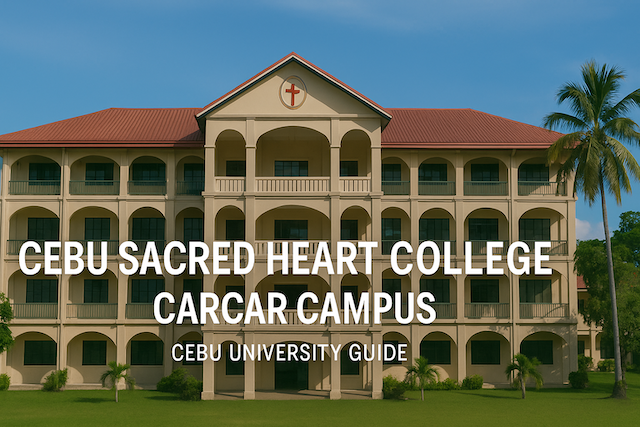
Cebu Sacred Heart College – Carcar Campus: Cebu University Guide
Contents
- Cebu Sacred Heart College – Carcar Campus: Cebu University Guide
- Overview of Cebu Sacred Heart College – Carcar Campus
- Academic Programs Offered
- Campus Facilities and Learning Environment
- Student Life and Culture
- Location and Accessibility
- Tuition Fees and Scholarship Options
- Admission Requirements and Process
- Why Choose Cebu Sacred Heart College – Carcar Campus?
- Tips for Students and Parents
- Final Thoughts
- FAQs (Frequently Asked Questions)
- What programs are offered at Cebu Sacred Heart College – Carcar Campus?
- Is Cebu Sacred Heart College – Carcar Campus a Catholic school?
- Where is Cebu Sacred Heart College – Carcar Campus located?
- How do I get to the campus from Cebu City?
- How much is the tuition at Cebu Sacred Heart College – Carcar Campus?
- Are there scholarships or financial assistance programs available?
- What are the admission requirements for new students?
- Is there an entrance exam for senior high school or college?
- What is student life like at Cebu Sacred Heart College – Carcar Campus?
- Does the campus have good facilities for learning?
- Is Cebu Sacred Heart College – Carcar Campus a good choice for students from nearby towns?
Cebu Sacred Heart College – Carcar Campus: Cebu University Guide
Cebu Sacred Heart College – Carcar Campus is a respected educational institution in southern Cebu, known for its commitment to academic excellence, values-based education, and strong community programs. Located in the historic city of Carcar, this campus serves students from nearby towns and barangays, offering accessible, affordable, and quality education across multiple disciplines. This comprehensive guide covers everything you need to know about the campus—programs, facilities, student life, admissions, and what makes this institution a meaningful choice for learners in Cebu.
Overview of Cebu Sacred Heart College – Carcar Campus
Cebu Sacred Heart College – Carcar Campus is part of a wider network of Catholic educational institutions dedicated to holistic formation. The Carcar Campus maintains a warm, community-centered learning environment and upholds the school’s mission of developing academically capable and morally grounded graduates.
The campus offers foundational education, senior high school programs, and several college-level courses designed to meet the evolving needs of students and local industries. Its location in Carcar—an area known for heritage sites, peaceful neighborhoods, and growing economic activity—provides a balance of traditional values and modern opportunities.
Academic Programs Offered
One of the strengths of Cebu Sacred Heart College – Carcar Campus is the breadth of its academic offerings. These programs are designed to equip students with relevant skills, strong character formation, and industry-ready knowledge.
Senior High School Programs
The SHS curriculum follows the K–12 standards, offering academic and technical tracks.
-
Academic Track
-
Accountancy, Business, and Management (ABM)
-
Humanities and Social Sciences (HUMSS)
-
General Academic Strand (GAS)
-
-
Technical-Vocational-Livelihood Track
-
ICT Strand
-
Home Economics Strand
These strands often include TESDA-aligned competencies, giving graduates employable skills.
-
College Programs
The Carcar Campus typically offers courses aligned with education, business, and community development needs. Example programs include:
-
Bachelor of Elementary Education (BEEd)
-
Bachelor of Secondary Education (BSEd)
-
Bachelor of Science in Business Administration (BSBA)
-
Bachelor of Science in Office Administration (BSOA)
-
Bachelor of Science in Hospitality Management (BSHM)
These programs may vary slightly per school year, depending on demand and regulatory approval.
Campus Facilities and Learning Environment
Cebu Sacred Heart College – Carcar Campus provides a modest but well-maintained learning environment. While not as large as universities in Metro Cebu, the campus is designed to support focused learning and community bonding.
Key Facilities
-
Classroom Buildings – Spacious rooms with good ventilation and multimedia capabilities.
-
Library and Resource Center – Equipped with academic references, journals, and digital materials for student research.
-
Computer and ICT Laboratory – Used for programming, productivity tools, and hands-on ICT training.
-
Science Laboratories – For experiments and practical application in biology, chemistry, and physics.
-
Hospitality and Tourism Laboratory – If offering BSHM, includes training equipment for food service and front office simulations.
-
Chapel – A space for prayer, reflection, and religious activities central to Catholic education.
-
Multipurpose Hall – Used for assemblies, performances, and school-wide events.
-
Outdoor Areas – Small open spaces for student gatherings, sports, and extracurricular activities.
Student Life and Culture
The campus fosters a wholesome, supportive, and faith-oriented student lifestyle. Whether academic or extracurricular, students benefit from programs that emphasize character formation and community service.
Values-Based Education
As a Catholic institution, Cebu Sacred Heart College integrates spirituality into daily campus life through:
-
Regular masses
-
Recollections and retreats
-
Outreach programs
-
Religious education subjects
Student Organizations
Clubs and organizations contribute to holistic formation and help students discover leadership qualities and personal passions. Examples include:
-
Campus Ministry
-
Science Club
-
Performing Arts Group
-
Sports Teams
-
Student Government Council
-
Journalism or School Publication Team
Events and Traditions
Annual events connect the community and strengthen school culture:
-
Founding Anniversary
-
Intramurals
-
Academic Festivals
-
Outreach and Charity Missions
-
Christmas Celebrations
Location and Accessibility
The Cebu Sacred Heart College – Carcar Campus is conveniently located within Carcar City, a major area in southern Cebu. Carcar is known for its heritage homes, delicious local delicacies (such as Carcar lechon), and growing commercial activity.
Transportation Options
Reaching the campus is easy through various routes:
-
Jeepneys connecting Carcar to surrounding municipalities
-
Buses from Cebu City or southern towns passing through national highways
-
Tricycles and habal-habal for last-mile transport within barangays
Students from neighboring towns like Sibonga, San Fernando, and Barili often choose the campus because of its accessibility.
Tuition Fees and Scholarship Options
Cebu Sacred Heart College – Carcar Campus maintains affordable tuition fees, making it a practical choice for families seeking private Catholic education.
Typical Fee Structure
-
Basic Education – Lower tuition than Metro Cebu private schools
-
Senior High School – Often supported by government subsidies (Voucher Program)
-
College Programs – Mid-range fees depending on the course
Exact tuition varies per year, so contacting the registrar is recommended.
Available Scholarships
The school usually offers several financial assistance programs:
-
Academic Scholarship for Honor Students
-
Government programs such as TESDA and CHED aid
-
Discounts for siblings and children of employees
-
Assistance for financially challenged but deserving students
Admission Requirements and Process
Applying to Cebu Sacred Heart College – Carcar Campus is straightforward and student-friendly.
Basic Requirements
Requirements typically include:
-
Report Card/Form 138
-
PSA Birth Certificate
-
Certificate of Good Moral Character
-
2×2 or passport-sized photos
-
Admission/Entrance Form
-
For transferees: Transcript of Records or Honorable Dismissal
Admission Steps
-
Visit the campus or official Facebook page for announcements.
-
Submit required documents to the registrar or admissions office.
-
Pay the assessment fee (if applicable).
-
Attend orientation once enrolled.
Many enrollment steps can now be processed online depending on the school year.
Why Choose Cebu Sacred Heart College – Carcar Campus?
Students choose this institution for several reasons:
1. Values-Centered Education
Catholic formation plays a major role in shaping responsible and compassionate graduates.
2. Community-Focused Learning
Small class sizes and tight-knit communities create a personalized learning environment.
3. Affordable Private Education
The campus offers quality education at lower tuition compared to larger private institutions in Cebu.
4. Strategic Location in Southern Cebu
Carcar City’s accessibility benefits students from various neighboring towns.
5. Strong Academic Foundation
Programs are designed to meet both academic standards and industry-relevant competencies.
6. Supportive Faculty and Staff
Teachers often live within the community, allowing them to better understand student needs.
Tips for Students and Parents
-
Visit the campus before enrollment to check facilities and ask questions.
-
Review course offerings to ensure they match career goals.
-
Inquire about scholarships early, as slots may be limited.
-
Join student organizations to enhance soft skills and leadership abilities.
-
Monitor official channels for announcements, especially during enrollment seasons.
Final Thoughts
Cebu Sacred Heart College – Carcar Campus continues to stand as an accessible and values-centered institution for students in southern Cebu. Its balanced combination of academic excellence, faith-based culture, and community environment makes it a strong choice for learners seeking quality yet affordable education. Whether you’re a parent looking for a supportive school for your child or a student exploring pathways toward higher education, this campus offers meaningful opportunities for growth, learning, and future success.
FAQs (Frequently Asked Questions)
What programs are offered at Cebu Sacred Heart College – Carcar Campus?
Cebu Sacred Heart College – Carcar Campus typically offers basic education, senior high school, and selected college programs. Senior high school strands may include ABM, HUMSS, GAS, and TVL tracks such as ICT or Home Economics. At the college level, common offerings include Education, Business Administration, Office Administration, and Hospitality Management. Available programs can change, so it is best to confirm with the registrar for the latest list.
Is Cebu Sacred Heart College – Carcar Campus a Catholic school?
Yes. Cebu Sacred Heart College – Carcar Campus is a Catholic institution that integrates faith and values into academic life. Students can expect religious education subjects, regular masses, recollections, and outreach activities. The school places strong emphasis on character formation, social responsibility, and Christian values while still delivering a solid academic curriculum.
Where is Cebu Sacred Heart College – Carcar Campus located?
The campus is located in Carcar City in southern Cebu. Carcar is known for its heritage houses, churches, public market, and famous lechon. The school is accessible from nearby towns such as Sibonga, San Fernando, and Barili through public transportation. Exact directions and landmark-based guidance are usually available on the school’s official Facebook page or from the registrar’s office.
How do I get to the campus from Cebu City?
From Cebu City, you can take a bus or van bound for Carcar or other southern Cebu towns from the South Bus Terminal. Most southbound buses pass through Carcar City. Once in Carcar, you can take a tricycle, jeepney, or habal-habal to the campus area, depending on the specific location. Travel time varies with traffic but generally ranges from 1.5 to 2.5 hours.
How much is the tuition at Cebu Sacred Heart College – Carcar Campus?
Tuition fees vary depending on the level and program. Basic education and senior high school tuition are usually more affordable than those in larger private schools in Metro Cebu, and government vouchers may help reduce SHS costs. College tuition typically depends on the course and number of units. For accurate and updated figures, you should contact the school’s finance or registrar office directly during enrollment season.
Are there scholarships or financial assistance programs available?
Yes. Cebu Sacred Heart College – Carcar Campus commonly offers several types of financial assistance. These may include academic scholarships for students with high grades, discounts for siblings or dependents of employees, and support programs for financially challenged but deserving students. In some cases, government aid or TESDA and CHED-related assistance may also be available. Students are encouraged to ask the guidance office or registrar for current scholarship offerings and requirements.
What are the admission requirements for new students?
Typical requirements for new students include a duly filled-out application or enrollment form, recent report card (Form 138 for basic education), PSA birth certificate, certificate of good moral character, and ID photos. Transferees usually need a transfer credential or honorable dismissal and a copy of their academic records. Requirements may be updated from year to year, so it is important to follow the latest admission guidelines announced by the school.
Is there an entrance exam for senior high school or college?
Entrance exam policies may vary depending on the academic year and program. Some intakes may require an entrance examination and an interview for senior high school or college programs, while in other years, schools rely more on academic records and form-based screening. The best approach is to check the latest admission announcements on the school’s official channels or inquire directly with the registrar or guidance office.
What is student life like at Cebu Sacred Heart College – Carcar Campus?
Student life at Cebu Sacred Heart College – Carcar Campus is generally community-oriented and values-centered. Aside from classes, students can join organizations such as student government, campus ministry, academic clubs, performing arts groups, and sports teams. The campus also celebrates school fairs, intramurals, religious activities, and outreach projects. This combination of academics, faith, and extracurriculars supports holistic development and builds a close-knit school community.
Does the campus have good facilities for learning?
The campus typically maintains essential learning facilities such as classrooms, a library, computer laboratories, and science labs. Courses like Hospitality Management may have their own training or simulation facilities. There is usually a chapel for spiritual activities and multipurpose areas for assemblies and events. While facilities may be simpler than those of large universities, they are designed to support focused, practical, and values-based learning.
Is Cebu Sacred Heart College – Carcar Campus a good choice for students from nearby towns?
For many families in southern Cebu, the campus is a practical and attractive option. It offers accessible Catholic education, a supportive community environment, and tuition that is more manageable compared to bigger city schools. Students from nearby towns benefit from shorter travel time and a familiar cultural environment, while still gaining solid academic preparation and opportunities for personal and spiritual growth.
Philippines University Guide
Cebu University Guide
Cebu Province All Universities Lists

How to Register for eTravel Philippines (2025 Guide)
Step-by-step guide to completing your eTravel registration before arriving in the Philippines, with images and tips.

Night Market in Cebu – Things You Don’t Know About Cebu Life
Discover the hidden charm of Cebu’s night markets, from street food stalls to local life tips you won’t find in tourist guides.

How to Use ChatGPT for IELTS Preparation: A Complete Guide
Learn how to prepare for IELTS using ChatGPT — including strategies for Writing, Reading, Listening, Speaking, and grammar support.

How to Build a Website Without Coding Using ChatGPT
Discover how to build your own website using AI—no coding skills needed. From structure planning to SEO and design, let ChatGPT guide you.