2026年1月9日
3D ACADEMY offers affordable English study programs in Cebu, Philippines – perfect for beginners, professionals, and exam takers.

3D UNIVERSAL ENGLISH INSTITUTE INC
info.3d-universal.com
8:00-17:00(Mon-Fri)
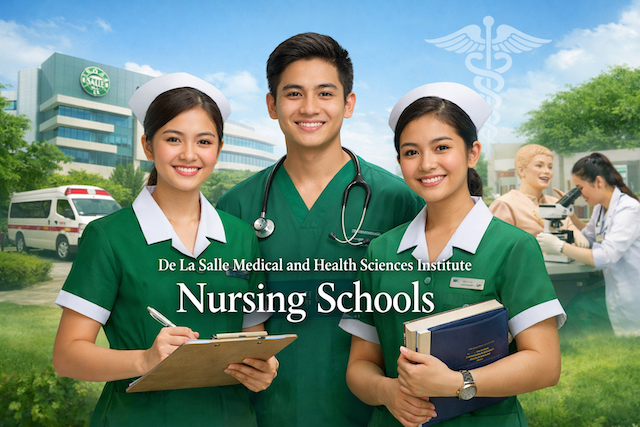
De La Salle Medical and Health Sciences Institute (DLSMHSI): Nursing Schools
Frequently Asked Questions (FAQs)
Is De La Salle Medical and Health Sciences Institute (DLSMHSI) a good nursing school in the Philippines?
DLSMHSI is widely considered a strong choice for nursing education because it is a health-sciences-focused institution with extensive clinical exposure and a values-driven Lasallian approach. Students typically benefit from structured classroom learning, skills training, and hospital-based experiences that help them develop both competence and confidence. Like any school, “good” also depends on your goals—such as preferred learning environment, budget, and whether you plan to work locally or abroad after graduation.
Where is DLSMHSI located, and is it convenient for students?
DLSMHSI is located in Dasmariñas, Cavite. Many students find the location convenient if they live in Cavite or nearby areas in South Luzon, while others commute from Metro Manila. Convenience depends on your daily transportation options, housing plans, and schedule. If you are considering commuting, it helps to evaluate travel time during peak hours and explore nearby dormitories or rentals to reduce fatigue during clinical rotations and exams.
What degree do I need to become a nurse at DLSMHSI?
To become a registered nurse in the Philippines, students typically complete a Bachelor of Science in Nursing (BSN) program. After graduating, they must pass the Philippine Nurse Licensure Examination (PNLE) to practice as a registered nurse. A BSN program generally combines general education, nursing theory, skills laboratory training, and supervised clinical practice in healthcare facilities.
How long is the BSN program at DLSMHSI?
The BSN program is commonly completed in four years, assuming a regular academic load and successful completion of all requirements. The timeline can vary if a student shifts programs, takes a leave of absence, or needs to repeat certain courses due to academic or clinical requirements. Planning ahead and maintaining consistent performance can help you complete the program on schedule.
Does DLSMHSI provide hospital exposure and clinical training?
Clinical exposure is a key part of nursing education at DLSMHSI. Nursing students typically complete supervised clinical duties in various settings such as medical-surgical units, maternal and child health areas, pediatrics, community health, and other specialty rotations depending on the curriculum. Clinical training helps students apply theoretical knowledge to real patient care, develop professional communication, and practice safe, ethical nursing under guidance.
What skills do nursing students learn in the laboratory before clinical duty?
Before entering clinical settings, students usually develop core nursing competencies in skills laboratories and simulation environments. These skills may include taking vital signs, performing health assessments, administering basic nursing procedures, practicing infection control, documenting care, and communicating with patients and healthcare teams. Simulation training can help students gain confidence and reduce errors by allowing them to practice in a controlled environment.
Is the nursing program at DLSMHSI suitable for students who want to work abroad?
Many nursing students choose schools like DLSMHSI because the training environment and English-based instruction can support international career goals. However, working abroad depends on additional factors such as licensure exams in your destination country, required clinical experience, language proficiency, credential evaluation, and employer requirements. If your goal is overseas work, it is wise to plan early, maintain strong grades, build solid clinical skills, and track the evolving requirements of the country where you hope to practice.
What are the admission requirements for BSN at DLSMHSI?
Admission requirements can change over time, but applicants commonly submit academic records, meet minimum grade standards (especially in science subjects), and complete an entrance or screening process. Some programs also require interviews, aptitude assessments, and medical clearances. Because nursing is competitive, applicants should prepare strong documentation and apply early when possible.
Is there an entrance exam or interview for nursing applicants?
Many nursing programs use an entrance examination and/or interview as part of the selection process. The purpose is to evaluate academic readiness, communication skills, and motivation for a demanding healthcare program. If an interview is required, students should be prepared to explain why they want to pursue nursing, how they handle stress, and how they plan to meet the program’s academic and clinical expectations.
How much is the tuition fee at DLSMHSI for nursing?
Tuition and other school fees vary by academic year, unit load, and institutional policies. In addition to tuition, students should plan for uniforms, clinical supplies, books, transportation, and possible fees related to laboratory and clinical training. For accurate and updated figures, it is best to check DLSMHSI’s official admissions or registrar channels, since fee schedules can change annually.
Are scholarships or financial aid available for nursing students?
Many private institutions offer scholarships, grants, or discounts based on academic merit, financial need, or special categories. DLSMHSI may provide different forms of assistance depending on available programs and eligibility requirements. Students who want financial support should prepare supporting documents early and confirm deadlines, because scholarship applications may have limited slots and strict submission schedules.
What kind of student is likely to succeed in DLSMHSI’s nursing program?
Students who succeed in nursing programs are usually consistent, detail-oriented, and willing to learn from feedback. Strong time management is critical because nursing involves lectures, laboratory skills, exams, and clinical duties—often within the same week. Emotional resilience also matters, as students will encounter stressful scenarios such as emergencies, demanding schedules, and patient suffering. A service mindset, professionalism, and good communication skills can make the experience more manageable and rewarding.
What are common challenges nursing students face, and how can they prepare?
Common challenges include heavy reading loads, frequent assessments, early morning clinical duty, and pressure to perform accurately and safely. Students can prepare by building strong study habits, improving basic science foundations, practicing effective note-taking, and learning to manage stress. It also helps to develop healthy routines—adequate sleep, good nutrition, and regular breaks—because burnout is a real risk in rigorous health programs.
What happens after I graduate from BSN at DLSMHSI?
After graduation, students typically apply for the PNLE to become registered nurses. Many graduates then seek hospital employment, pursue specialty training, or continue studies in advanced nursing or related health fields. If you plan to work abroad, you may need to gain local clinical experience first, complete additional exams, and prepare documentation for credentialing and immigration processes.
How can I verify the most updated program details before applying?
The best way to verify updated details is to consult DLSMHSI’s official website and official admissions channels. Program structures, schedules, clinical affiliations, and fee policies can change. If you are making an important decision, try to confirm the latest information directly with the admissions office, attend an orientation if available, and ask specific questions about curriculum, clinical rotations, and student support services.

How to Register for eTravel Philippines (2025 Guide)
Step-by-step guide to completing your eTravel registration before arriving in the Philippines, with images and tips.

Night Market in Cebu – Things You Don’t Know About Cebu Life
Discover the hidden charm of Cebu’s night markets, from street food stalls to local life tips you won’t find in tourist guides.

How to Use ChatGPT for IELTS Preparation: A Complete Guide
Learn how to prepare for IELTS using ChatGPT — including strategies for Writing, Reading, Listening, Speaking, and grammar support.

How to Build a Website Without Coding Using ChatGPT
Discover how to build your own website using AI—no coding skills needed. From structure planning to SEO and design, let ChatGPT guide you.