2026年1月23日
3D ACADEMY offers affordable English study programs in Cebu, Philippines – perfect for beginners, professionals, and exam takers.

3D UNIVERSAL ENGLISH INSTITUTE INC
info.3d-universal.com
8:00-17:00(Mon-Fri)
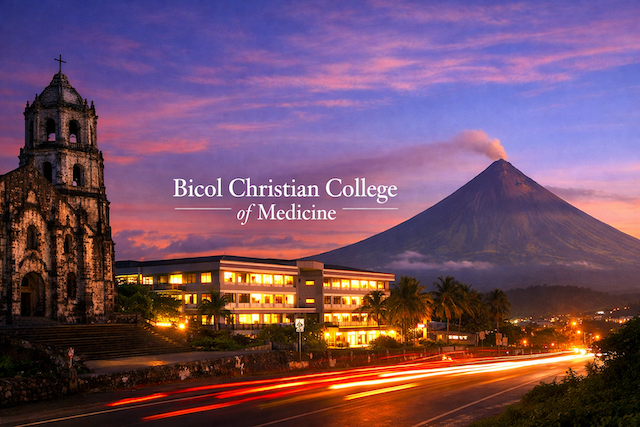
Bicol Christian College of Medicine
Contents
- Bicol Christian College of Medicine
- Overview
- Location and Learning Environment in Legazpi City
- What Program Does BCCM Offer?
- MD Program Structure: A Typical Year-by-Year Picture
- Clinical Training and Hospital Exposure
- Admissions: What Applicants Usually Need
- Tuition Fees and Cost of Living: How to Budget
- Scholarships, Discounts, and Financial Support
- Student Life, Culture, and Support Systems
- Housing and Daily Practicalities
- Licensure Path: From MD Student to Licensed Physician
- Who Is BCCM a Good Fit For?
- How to Evaluate the School Before You Apply
- Practical Tips for Succeeding in Medical School
- Conclusion
- FAQs (Frequently Asked Questions)
- Is Bicol Christian College of Medicine the same as AMEC-BCCM?
- Where is Bicol Christian College of Medicine located?
- What degree does BCCM offer?
- How long is the MD program in the Philippines?
- Do I need the NMAT to apply?
- What documents are usually required for admission?
- Does BCCM accept international students?
- What is clinical training like at BCCM?
- What hospital affiliations should I ask about?
- How much are tuition and other fees?
- Is Legazpi City affordable for medical students?
- Are scholarships or payment plans available?
- What is the learning culture like?
- Can graduates practice abroad after studying at BCCM?
- What should I do before deciding to enroll?
Bicol Christian College of Medicine
Overview
Bicol Christian College of Medicine (BCCM) is a medical school based in Legazpi City, Albay, in the Bicol Region of the Philippines. It is commonly associated with the Ago Medical and Educational Center (often seen as AMEC-BCCM in school materials). The institution is known for training physicians with a strong emphasis on service, community engagement, and values-based medical education. On the school’s official materials, BCCM is described as having been established in 1980 and guided by the credo “God Heals, We Serve,” which reflects its faith-informed approach to healthcare and professional formation.
For prospective students, BCCM is often considered for two major reasons: (1) it offers a pathway to the Doctor of Medicine (MD) program within a regional hub that has access to hospital exposure and community health needs, and (2) it is located in a city that balances urban convenience with access to rural communities—useful for public health work, outreach activities, and clinical training that includes a wide variety of patient cases.
Location and Learning Environment in Legazpi City
Legazpi City is the capital of Albay and is widely known as a gateway to the Bicol Region. It has a mix of city-based healthcare facilities and nearby provincial communities, which can be beneficial for students who want early exposure to both hospital-based medicine and community-oriented care. The Bicol Region also has distinctive health needs related to maternal and child health, infectious diseases, chronic disease management, and disaster preparedness—areas that can shape a student’s clinical perspective and public health mindset.
Living in Legazpi is typically more affordable than the largest metropolitan areas in the Philippines, which can matter to students budgeting for tuition, housing, transportation, and daily expenses. The city environment also makes it easier to access essentials such as groceries, pharmacies, clinics, and transportation options while keeping commuting times manageable for many students.
What Program Does BCCM Offer?
BCCM’s core medical degree is the Doctor of Medicine (MD), which is the standard professional medical degree in the Philippines and the academic route toward becoming a licensed physician after passing the Physician Licensure Examination (PLE). The MD proper in the Philippines is typically a four-year program (not counting internship and licensing steps), and it generally requires prior completion of a bachelor’s degree (often called “pre-med”).
International students sometimes encounter the term “MBBS” when researching Philippine medical schools. In the Philippines, many institutions use “MD” as the degree name, but recruiters and education agencies may use “MBBS” informally to describe the combined pathway of (a) a pre-med bachelor’s program and (b) the MD proper. If you are an international applicant, it’s important to confirm whether you are applying directly into an MD program (requiring a prior bachelor’s degree) or entering a packaged pathway that includes pre-med plus MD.
MD Program Structure: A Typical Year-by-Year Picture
While each school’s curriculum has its own sequencing, Philippine MD programs commonly follow a progression that starts with foundational sciences and moves toward clinical exposure and hospital rotations. Below is a practical framework you can use to understand how the MD journey usually unfolds and what to look for when evaluating BCCM’s program details.
First Year (Foundational Sciences): Students often begin with core medical sciences such as anatomy, physiology, biochemistry, and introductory clinical skills. This stage builds the scientific base for understanding disease mechanisms and developing professional habits (study systems, lab work, basic patient communication, and ethics).
Second Year (Pathophysiology and Introductory Clinical Work): Many programs deepen into microbiology, pathology, pharmacology, and organ-system modules. Clinical correlation becomes more prominent—students start connecting symptoms and diagnoses with what they learned in basic sciences.
Third Year (Clinical Clerkship Preparation / Integrated Clinical Learning): Depending on the curriculum model, year three may include intensive clinical exposure through hospital settings, small-group case discussions, and rotations in major specialties. Students develop clinical reasoning and documentation skills while being trained in patient safety, teamwork, and professional conduct.
Fourth Year (Clinical Clerkship / Major Rotations): Students typically rotate through internal medicine, surgery, pediatrics, obstetrics and gynecology, psychiatry, family and community medicine, and other required areas. This is often the most immersive hospital-based year, where bedside skills, history-taking, physical examinations, and clinical decision-making are strengthened through supervised practice.
After the MD proper, graduates usually proceed to a post-graduate internship (PGI) and then take the national licensure exam (PLE). Because requirements can change and can differ per student pathway, always confirm the most current structure and academic calendar through official school channels.
Clinical Training and Hospital Exposure
Clinical training is a major deciding factor for any medical school because it is where students transform knowledge into real patient care. When evaluating BCCM, focus on the school’s affiliated hospitals and training facilities, the breadth of patient cases, faculty supervision, and rotation logistics. Schools commonly provide clinical exposure in a mix of private and public settings, and some have relationships with government hospitals where patient volume can be high, which can accelerate learning when supervised appropriately.
A strong clinical training environment typically includes:
- Regular bedside teaching by consultants and residents
- Clear learning objectives per rotation (skills, cases, procedures, professionalism)
- Opportunities to practice history and physical examination in diverse settings
- Structured feedback and evaluation
- Exposure to emergency care, outpatient clinics, and community health programs
If you are choosing between schools, it is worth asking for a rotation overview: where clerkships occur, what specialties are included, how schedules work, and how student supervision is structured.
Admissions: What Applicants Usually Need
Admissions requirements can vary by year and applicant background, but the Philippine MD route commonly includes academic prerequisites and standardized testing. Many Philippine medical schools require the National Medical Admission Test (NMAT) for local applicants entering the MD program. International applicants may have additional steps such as credential evaluation, authentication of academic documents, and proof of English readiness if applicable.
In practical terms, be ready to prepare:
- Academic records (transcripts and diploma/degree certificates)
- Identification documents (passport for international applicants)
- Recommendation letters (where required)
- Medical clearance and vaccinations (often requested before clinical exposure)
- Proof of ability to pay tuition and living costs
Because policies can change, the safest approach is to treat online “requirements lists” as a starting point and verify the final checklist directly with the admissions office.
Tuition Fees and Cost of Living: How to Budget
Medical education is a long-term financial commitment, so budgeting early matters. Tuition fees in Philippine private medical schools can vary widely depending on the institution, year level, lab and clinical fees, and other miscellaneous charges. In addition to tuition, you should account for recurring expenses such as uniforms, medical instruments, textbooks, printing, internet access, transportation, daily meals, and occasionally rotation-related costs.
A realistic budget plan usually includes:
- School fees: tuition, laboratory fees, clinical rotation fees, miscellaneous charges
- Housing: dormitory or apartment rent, deposits, utilities
- Daily living: food, transportation, personal expenses
- Academic costs: books, review materials, equipment (stethoscope, BP apparatus if required)
- Clinical readiness: medical clearance, vaccinations, uniforms, and sometimes malpractice coverage requirements
If you are an international student, also factor in visa-related expenses, document authentication, and travel costs. Always confirm the latest fee schedule directly with the school, and do not rely solely on third-party summaries.
Scholarships, Discounts, and Financial Support
Scholarship availability depends on institutional policy and external partners. Some students may qualify for academic scholarships, need-based assistance, or discounts for specific categories (for example, alumni-related programs or community-linked initiatives). In the Philippines, there are also government and private scholarship programs, but eligibility varies and competition can be high.
If you are exploring financial support, consider asking:
- Are there scholarships for academic performance (per semester or per year)?
- Is there a payment installment plan for tuition?
- Are there grants linked to community service or return-service agreements?
- Are there discounts for early payment or specific applicant categories?
Even when scholarships are limited, clear installment options can significantly reduce short-term financial strain.
Student Life, Culture, and Support Systems
Medical school is academically demanding, so student support and campus culture matter. A healthy environment includes mentorship, accessible faculty, mental health awareness, and peer collaboration. Many medical students rely on study groups, structured schedules, and community activities to avoid burnout.
A balanced student experience often includes:
- Student organizations (academic, religious, service-oriented, sports, or cultural groups)
- Community outreach and medical missions (under supervision)
- Wellness initiatives and counseling support
- Opportunities for research, poster presentations, and academic competitions
If possible, talk to current students or recent graduates to learn how supportive the learning culture is, how accessible faculty members are, and how students manage the workload.
Housing and Daily Practicalities
Choosing a safe, convenient place to live can directly affect academic performance. Many students prefer housing options that reduce commute time, especially during exam weeks and clinical rotations. When exploring housing near BCCM, prioritize:
- Reliable transportation routes (or walkable distance if possible)
- Quiet study environment and stable internet
- Security measures and safe neighborhood conditions
- Access to food options, groceries, and laundry services
It is also wise to plan for the practical needs of clinical years: early morning duty schedules, extended hours, and rotating sites that may require flexible transportation plans.
Licensure Path: From MD Student to Licensed Physician
In the Philippines, becoming a licensed physician typically involves completing the MD program, finishing a post-graduate internship (PGI), and passing the Physician Licensure Examination (PLE). Once licensed, many doctors proceed to residency training in a specialty (such as internal medicine, surgery, pediatrics, OB-GYN, psychiatry, or family medicine).
For students who intend to practice outside the Philippines, pathways vary by country. Requirements may include additional exams, credential verification, language testing, and supervised clinical practice. If you are studying with an international career goal, it is important to plan early and confirm:
- Whether your target country recognizes your medical degree
- What licensure exams are required (and when you can take them)
- How clinical clerkship and internship are evaluated for equivalency
- Whether your target country requires specific documentation from the medical school
International plans are achievable, but they require careful coordination and accurate documentation. Keep copies of your course descriptions, rotation certificates, and official records.
Who Is BCCM a Good Fit For?
BCCM may appeal to students who:
- Want medical training in a regional center with access to a wide mix of cases
- Prefer a values-oriented environment that emphasizes service and community care
- Are comfortable studying outside the largest metropolitan areas
- Want exposure to both hospital medicine and community health needs
On the other hand, students who strongly prioritize training in a mega-city setting, or who require a very specific research-intensive environment, may want to compare multiple institutions and review the match between facilities, affiliations, and personal goals.
How to Evaluate the School Before You Apply
Before committing, gather information from official and direct channels. A careful evaluation can prevent misunderstandings about admissions, fees, rotations, and timelines. Consider these steps:
- Request the official curriculum outline: Understand the subjects per year and how clinical exposure is structured.
- Ask about hospital affiliations and clerkship sites: Clarify where students rotate and what specialties are covered.
- Confirm total costs: Get a breakdown of tuition and miscellaneous fees per year level.
- Check academic support: Ask about mentoring, remediation, counseling, and study resources.
- Talk to students: Student feedback can reveal the daily realities of workload, faculty access, and learning culture.
If you are an international applicant, also confirm the exact sequence for admissions, immigration documents, and arrival planning, including timelines for document authentication and registration.
Practical Tips for Succeeding in Medical School
Medical school success is less about being “naturally smart” and more about consistency, systems, and resilience. Here are practical habits that many successful students rely on:
- Build a schedule you can sustain: Short, daily study blocks usually beat long, irregular sessions.
- Master the basics early: Anatomy, physiology, and pathology are foundations for clinical reasoning.
- Use active learning: Practice questions, flashcards, and case discussions improve retention.
- Protect your health: Sleep, nutrition, and stress management directly affect memory and performance.
- Seek feedback during clinical years: Ask supervisors what to improve and track progress rotation by rotation.
A supportive peer group and a clear routine can make the difference between constant burnout and steady improvement over time.
Conclusion
Bicol Christian College of Medicine is a notable medical school option in the Bicol Region, offering an MD pathway within a setting that can support both hospital-based training and community-oriented healthcare exposure. For many students, its appeal lies in its service-driven identity, the practicality of studying in Legazpi City, and the opportunity to train in an environment where medical needs are diverse and meaningful.
As with any medical school decision, the best approach is to verify program structure, affiliations, fees, and admissions requirements directly with official school sources, then compare them against your personal goals—whether that is becoming a community physician, pursuing specialization through residency, or preparing for an international licensure pathway. With clear planning and disciplined study habits, an MD journey at BCCM can be a strong foundation for a long-term medical career.
FAQs (Frequently Asked Questions)
Is Bicol Christian College of Medicine the same as AMEC-BCCM?
Bicol Christian College of Medicine is widely referred to alongside the Ago Medical and Educational Center, and you may see the name written as AMEC-BCCM in some documents and public references. In practical terms, many applicants treat them as closely linked because the medical school is associated with the AMEC system and its training environment. If you are submitting an application, use the exact institutional name shown on official forms, receipts, and acceptance documents, and confirm how the school prefers its name to appear on your records.
Where is Bicol Christian College of Medicine located?
BCCM is based in Legazpi City, Albay, in the Bicol Region of the Philippines. Legazpi is a regional hub with access to healthcare facilities, government offices, and transportation links to other parts of Luzon. For medical students, the location can be helpful because it provides exposure to both urban clinical settings and nearby provincial communities, which is useful for understanding the full spectrum of patient needs.
What degree does BCCM offer?
BCCM’s primary program is the Doctor of Medicine (MD). In the Philippines, the MD is the standard professional degree for those pursuing a physician career pathway. After completing the MD proper, graduates usually proceed to a post-graduate internship and then take the Physician Licensure Examination (PLE). Specific sequencing can vary, so applicants should confirm the latest academic structure with the school.
How long is the MD program in the Philippines?
The MD proper is commonly structured as a four-year program in the Philippines, not counting the required internship and the licensure process. In many cases, students must first complete a bachelor’s degree before entering the MD proper. If you are an international applicant, clarify whether you are applying directly to the MD program (with a completed bachelor’s degree) or if you need a pre-med pathway first.
Do I need the NMAT to apply?
Many Philippine medical schools require the National Medical Admission Test (NMAT) for admission, especially for local applicants. However, requirements can differ based on institutional policy and applicant category. Some schools have different rules for international students or for applicants with specific academic backgrounds. The safest approach is to request the current admissions checklist directly from BCCM and confirm whether an NMAT score is required for your specific case.
What documents are usually required for admission?
Applicants typically prepare academic transcripts, proof of graduation (or expected graduation), identification documents, and other supporting materials. Some schools may require recommendation letters, a personal statement, interview results, and medical clearance documents. International applicants may also need authenticated records, passport copies, and additional immigration-related paperwork. Because incomplete documentation can delay processing, it is best to request a step-by-step checklist and follow it exactly.
Does BCCM accept international students?
Policies may vary by intake year, but Philippine medical schools often accept international applicants if they meet academic and documentation requirements. International students should be prepared for additional steps such as credential evaluation, authentication of school records, and immigration compliance. If you are applying from overseas, ask about timelines for evaluation, start dates, and whether your documents must be submitted in specific formats or through specific offices.
What is clinical training like at BCCM?
Clinical training is a major part of the MD journey and typically becomes more intensive in the later years of the program. Students generally participate in hospital-based learning, supervised clinical rotations, and patient-care activities appropriate to their year level. When evaluating BCCM, ask where clerkships and rotations are conducted, how supervision is structured, and what specialties are included. Clinical exposure quality depends on affiliated facilities, case variety, and teaching support.
What hospital affiliations should I ask about?
When speaking with admissions or academic offices, ask for a list of training hospitals, clinics, and community sites used for clerkships. Useful details include rotation schedules, specialties offered, how often students rotate between sites, and whether there are limits on patient exposure due to student volume. A clear affiliation and rotation outline helps you compare BCCM with other schools and plan your living arrangements during clinical years.
How much are tuition and other fees?
Tuition and fees can change from year to year and can also differ by year level. Beyond tuition, students should budget for laboratory fees, clinical rotation-related expenses, uniforms, instruments, books, printing, transportation, and daily living costs. To avoid surprises, request an official fee schedule, ask about miscellaneous and clinical fees, and confirm whether installment plans are available.
Is Legazpi City affordable for medical students?
Many students find Legazpi City more affordable than the largest metropolitan areas, though costs vary depending on housing choice and lifestyle. Renting near campus or near clinical training sites can reduce commuting time and transportation costs. When budgeting, consider monthly rent, utilities, internet reliability, and proximity to groceries and study-friendly spaces. Practical living arrangements can make a significant difference during demanding academic periods.
Are scholarships or payment plans available?
Scholarships and financial support options depend on institutional policy and external programs. Some students may qualify for academic-based assistance, while others may benefit from installment plans or structured payment arrangements. Ask the school about scholarship categories, eligibility requirements, deadlines, and whether scholarship status can be renewed each term. If scholarships are limited, flexible payment options can still improve affordability.
What is the learning culture like?
Learning culture can differ across medical schools, and it has a real impact on student well-being and performance. Applicants should ask about mentoring systems, academic advising, remediation policies, and wellness support. If possible, speak with current students to understand workload expectations, access to faculty, and how collaborative the environment feels. A supportive culture helps students sustain performance throughout the MD program.
Can graduates practice abroad after studying at BCCM?
Graduates who plan to practice outside the Philippines should research the licensing pathway of their target country early. Many countries require credential verification, additional examinations, and supervised clinical training. Requirements can be strict and can change, so it is important to confirm whether your target country recognizes your medical education and what documents you will need from the school. Keeping organized records of rotations, course descriptions, and official transcripts is strongly recommended.
What should I do before deciding to enroll?
Before enrolling, confirm admissions requirements, the curriculum outline, training affiliations, total costs, and academic calendar details. Ask for a clear explanation of how the MD program progresses year by year, and how clinical rotations are arranged. It also helps to evaluate practical matters such as housing, transportation, safety, and study environment. A careful pre-enrollment check reduces risk and helps you enter medical school with a realistic plan.
Best Medical Schools in the Philippines (Local & International Rankings)
Recommend
2026年1月23日
Sultan Kudarat State University College of Medicine: Complete Guide for Aspiring MD Students
2026年1月23日
University of Southern Mindanao College of Medicine: Complete Guide for Aspiring MD Students
2026年1月23日
Mindanao State University – General Santos College of Medicine: Complete Guide for Future MD Students

How to Register for eTravel Philippines (2025 Guide)
Step-by-step guide to completing your eTravel registration before arriving in the Philippines, with images and tips.

Night Market in Cebu – Things You Don’t Know About Cebu Life
Discover the hidden charm of Cebu’s night markets, from street food stalls to local life tips you won’t find in tourist guides.

How to Use ChatGPT for IELTS Preparation: A Complete Guide
Learn how to prepare for IELTS using ChatGPT — including strategies for Writing, Reading, Listening, Speaking, and grammar support.

How to Build a Website Without Coding Using ChatGPT
Discover how to build your own website using AI—no coding skills needed. From structure planning to SEO and design, let ChatGPT guide you.