2026年1月12日
3D ACADEMY offers affordable English study programs in Cebu, Philippines – perfect for beginners, professionals, and exam takers.

3D UNIVERSAL ENGLISH INSTITUTE INC
info.3d-universal.com
8:00-17:00(Mon-Fri)
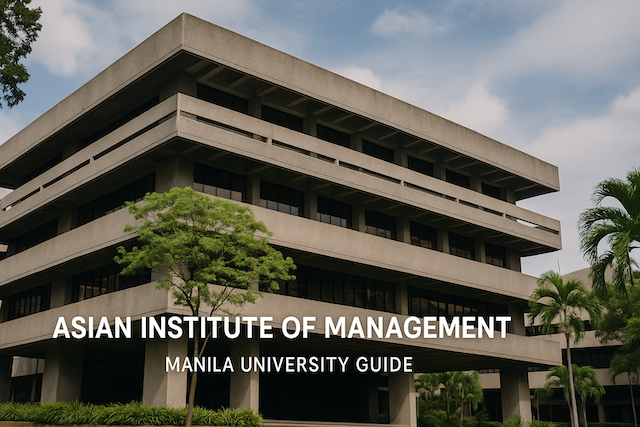
Asian Institute of Management (AIM): Manila University Guide
Contents
- Asian Institute of Management (AIM): Manila University Guide
- Overview of the Asian Institute of Management (AIM)
- Location and Campus Environment
- Academic Programs at AIM
- Teaching Approach and Learning Experience
- Admissions Requirements and Process
- Tuition Fees and Cost of Studying
- Scholarships and Financial Assistance
- Student Life and Campus Culture
- Facilities and Learning Resources
- International Programs and Partnerships
- Career Services and Employment Outcomes
- Why Choose AIM?
- FAQs (Frequently Asked Questions)
- What type of institution is the Asian Institute of Management (AIM)?
- Where is AIM located in Manila, and what is the surrounding area like?
- What are the main programs offered at AIM?
- Is AIM a good choice for international students?
- What teaching methods does AIM use in its classes?
- What are the basic admission requirements for AIM programs?
- How much does it cost to study at AIM?
- Are scholarships or financial aid available for AIM students?
- What is student life like on the AIM campus?
- What facilities and resources can students access at AIM?
- Does AIM offer international exposure or exchange opportunities?
- What kind of career support and outcomes can AIM students expect?
Asian Institute of Management (AIM): Manila University Guide
The Asian Institute of Management (AIM) is one of the most prestigious graduate schools in the Philippines and Southeast Asia, known for producing highly skilled leaders and innovators in business, development, and sustainability. Located in Makati City—Metro Manila’s premier business hub—AIM attracts students from all over the world who want a rigorous, globally competitive education.
This guide provides an in-depth overview of AIM, including its academics, campus environment, admissions, tuition, student life, international opportunities, and career prospects. If you are considering pursuing an MBA or specialized graduate studies in Manila, AIM should be on top of your list.
Overview of the Asian Institute of Management (AIM)
Founded in 1968 with support from Harvard Business School, AIM was created to mold Asian managers through world-class training. It remains one of the few institutions in Asia recognized by the Association to Advance Collegiate Schools of Business (AACSB).
AIM’s strong industry connections, case-method teaching approach, and location in Makati’s central business district make it a top choice for professionals looking to elevate their careers.
Key characteristics of AIM include:
-
Graduate-level focus (MBA, executive programs, and specialized master’s degrees)
-
Highly competitive admissions
-
International student body
-
Strong research centers (e.g., Aboitiz School of Innovation, Technology & Entrepreneurship)
-
Deep partnerships with corporations across Asia
Location and Campus Environment
AIM is strategically located in Legazpi Village, Makati City, an upscale commercial and residential area known for:
-
Proximity to multinational corporates and financial institutions
-
Safe, walkable streets
-
Parks like Washington SyCip Park and Legazpi Active Park
-
Dozens of restaurants, cafés, and co-working spaces
The campus itself offers:
-
Modern classrooms
-
Case rooms inspired by Harvard Business School
-
Innovation labs
-
Student lounges and collaboration spaces
-
A comprehensive library and data resources
AIM’s urban location ensures students are fully immersed in Manila’s business community, giving them access to internships, networking events, and job opportunities.
Academic Programs at AIM
AIM offers a focused selection of graduate and executive programs aimed at developing leaders who can manage organizations in fast-changing environments.
1. Master in Business Administration (MBA)
This is AIM’s flagship program, known for its intense and highly practical structure.
Key features:
-
Duration: 12–18 months
-
Case-method pedagogy
-
Leadership and management immersion
-
Industry projects and consulting assignments
-
Cohort-style learning
AIM’s MBA produces graduates who thrive in challenging, real-world business situations.
2. Master in Innovation and Business (MIB)
Designed for entrepreneurs and professionals leading innovation initiatives.
Highlights:
-
Focus on creativity, technology, and entrepreneurship
-
Hands-on incubator and accelerator exposure
-
Collaboration with tech startups
3. Master in Cybersecurity
A relatively new program addressing the growing demand for cybersecurity specialists in Asia.
It covers:
-
Cyber risk management
-
Digital forensics
-
Security governance
-
Threat intelligence
4. Master in Disaster Risk and Crisis Management (MDRCM)
Ideal for professionals in government, NGOs, and international development.
Topics include:
-
Crisis response
-
Disaster risk reduction
-
Public policy
-
Humanitarian leadership
5. Executive Education Programs
AIM is well-known for short and long executive courses in:
-
Leadership development
-
Digital transformation
-
Strategic management
-
Public service leadership
These programs attract senior executives from across Asia.
Teaching Approach and Learning Experience
Case Method
Like Harvard Business School, AIM uses case-method teaching, requiring students to:
-
Analyze real-world business problems
-
Debate solutions with peers
-
Defend their decisions
-
Apply concepts directly to practical scenarios
This creates a dynamic, discussion-driven environment.
Group Work and Collaboration
Students often work in teams on:
-
Case analyses
-
Consultancy projects
-
Innovation challenges
-
Fieldwork assignments
AIM’s culture emphasizes teamwork, leadership, and communication.
Industry-Driven Curriculum
AIM’s faculty includes business executives, researchers, and industry practitioners who bring updated industry insights to the classroom.
Admissions Requirements and Process
AIM has stringent admission standards to ensure only highly motivated and capable candidates join their programs.
General Requirements
Most programs require:
-
Bachelor’s degree
-
Competitive academic record
-
Work experience (usually 2–3 years for MBA)
-
English proficiency (IELTS/TOEFL for international applicants)
-
Entrance exams or interviews
Application Components
Typical submissions include:
-
Online application form
-
Resume/CV
-
Personal essay or statement of purpose
-
Recommendation letters
-
Transcripts
Interviews
Shortlisted applicants undergo interviews designed to assess:
-
Leadership potential
-
Communication skills
-
Analytical ability
-
Professional drive
Tuition Fees and Cost of Studying
AIM’s tuition is higher than many universities in Manila, reflecting its elite status and international positioning.
Approximate tuition ranges:
-
MBA: PHP 1.2–1.5 million
-
Specialized master’s programs: PHP 700,000–1.2 million
-
Executive programs: Varies depending on duration
Additional costs:
-
Living expenses in Makati
-
Books and case materials
-
Student activities
Despite the cost, AIM graduates see strong returns due to high employability and salary increases.
Scholarships and Financial Assistance
AIM offers financial support to attract high-potential students.
Examples include:
-
Merit-based scholarships
-
Need-based financial aid
-
Corporate-sponsored scholarships
-
Loan programs for Filipino students
-
Grants offered through AIM alumni networks
Availability varies by program, and competition is high.
Student Life and Campus Culture
Diverse Student Community
AIM welcomes students from across Asia, Europe, and the Middle East. The international environment fosters global perspectives and strong networking.
Clubs and Organizations
Students can join groups focused on:
-
Entrepreneurship
-
Consulting
-
Finance
-
Sustainability
-
Cultural exchange
Events and Networking Opportunities
AIM regularly hosts:
-
Guest lectures
-
Business forums
-
Startup showcases
-
Alumni networking events
These events connect students with industry leaders and potential employers.
Facilities and Learning Resources
AIM provides a professional and well-equipped environment.
Key facilities:
-
Case rooms with tiered seating
-
Innovation laboratories
-
Research centers
-
AIM Data Center
-
Modern library with digital databases
-
Student study lounges
-
Dining and café options
International Programs and Partnerships
AIM maintains partnerships with universities and organizations worldwide.
Opportunities include:
-
Exchange programs
-
Joint research collaborations
-
Internships abroad
-
International study missions
These initiatives help students gain global exposure and enhance their resumes.
Career Services and Employment Outcomes
AIM’s Career Services Office (CSO) provides strong support for job placement.
Services include:
-
Resume and interview coaching
-
Career fairs
-
Company networking sessions
-
Internship placement
-
Leadership development workshops
Employment Outcomes
AIM graduates often secure roles in:
-
Consulting
-
Finance and banking
-
Technology
-
Multinational corporations
-
Startups
-
Government and NGOs
Many alumni progress into senior leadership roles across Asia.
Why Choose AIM?
Students choose AIM because of:
-
A rigorous curriculum
-
Strong industry relevance
-
High employability and ROI
-
World-class faculty
-
Diverse and global community
-
Strategic location in Manila’s business hub
AIM is ideal for aspiring leaders who want a transformative, challenging, and globally oriented education.
FAQs (Frequently Asked Questions)
What type of institution is the Asian Institute of Management (AIM)?
The Asian Institute of Management (AIM) is a private, graduate-level management school based in Makati City, Metro Manila. It focuses on master’s and executive programs in business, innovation, development, and related fields rather than undergraduate education. AIM is known for its intensive, case-based teaching style and close ties with industry across Asia, making it a popular choice for professionals who want to upgrade their leadership and management skills.
Where is AIM located in Manila, and what is the surrounding area like?
AIM is located in Legazpi Village, Makati City, which is part of Manila’s primary business district. The campus is surrounded by office towers, hotels, restaurants, cafés, parks, and shopping centers. It is a walkable and relatively safe area, making it convenient for students to access internships, corporate offices, networking events, and daily amenities such as supermarkets, gyms, and banks. Public transportation and ride-hailing services are widely available around the campus.
What are the main programs offered at AIM?
AIM specializes in graduate and executive-level programs. Some of its core offerings include the Master in Business Administration (MBA), Master in Innovation and Business (MIB), Master in Cybersecurity, and Master in Disaster Risk and Crisis Management (MDRCM). AIM also runs various executive education programs for working professionals and senior executives. These programs are designed to be highly practical and industry-focused, often integrating real-world projects and case discussions.
Is AIM a good choice for international students?
Yes, AIM is very welcoming to international students. Its student population includes learners from different Asian countries and beyond, which creates a multicultural classroom environment. Courses are delivered in English, and many programs are designed with a regional and international perspective. International students benefit from Manila’s relatively affordable cost of living compared to other global cities, as well as the strong networking opportunities with local and regional companies operating in the Philippines.
What teaching methods does AIM use in its classes?
AIM is known for its heavy use of the case method, which is similar to the approach used by Harvard Business School. Instead of relying only on lectures, students analyze real business cases, debate decisions, and propose solutions during class discussions. Many courses also include group projects, consulting assignments, fieldwork, and presentations. This style of teaching aims to develop critical thinking, strategic decision-making, and communication skills that are directly applicable to leadership roles.
What are the basic admission requirements for AIM programs?
Admission requirements vary by program, but most master’s programs at AIM require a bachelor’s degree from a recognized institution, a strong academic record, and relevant work experience (often at least two years for the MBA). Applicants usually submit an online application, curriculum vitae, personal essays, recommendation letters, and academic transcripts. Many programs also require an interview, and international students may be asked to provide proof of English proficiency through standardized tests such as IELTS or TOEFL.
How much does it cost to study at AIM?
Tuition fees at AIM are generally higher than at many local universities because it positions itself as a premier graduate business school. Program costs vary, but the MBA and other specialized master’s programs typically fall in the higher tuition range. In addition to tuition, students should budget for living expenses in Makati, books and case materials, student fees, and personal costs. While the investment is significant, many students view it as worthwhile due to the potential career advancement and salary growth after graduation.
Are scholarships or financial aid available for AIM students?
Yes, AIM provides a limited number of scholarships and financial aid options. These may include merit-based scholarships for academically strong or professionally accomplished applicants, as well as need-based assistance for those who require financial support. Some programs may also be supported by corporate partners, alumni donors, or development organizations. Because funding opportunities are competitive, it is recommended that applicants check the latest scholarship offerings on AIM’s official channels and submit their applications early.
What is student life like on the AIM campus?
Student life at AIM is busy and highly interactive. The academic workload can be intense, especially in programs that follow a condensed schedule, but students still find time to join clubs and organizations related to consulting, finance, entrepreneurship, technology, or social impact. There are also cultural and social activities, conferences, and networking events held on campus. The location in Makati allows students to easily meet classmates after class for group work, dining, or exploring the city’s entertainment and cultural options.
What facilities and resources can students access at AIM?
Students at AIM have access to case-style classrooms, group discussion rooms, innovation and technology spaces, and a well-equipped library with print and digital resources. Many courses rely on online databases, journals, and business publications. There are also common areas for collaboration, a variety of food options nearby, and basic services within walking distance. These facilities are designed to support both intensive academic work and informal networking among students and faculty.
Does AIM offer international exposure or exchange opportunities?
AIM maintains partnerships with institutions and organizations in different parts of the world. Depending on the program, students may have opportunities to join study missions, short-term international visits, joint projects, or exchange arrangements. These activities help students gain a broader understanding of global markets and business practices. International exposure can be particularly valuable for those who plan to work in multinational companies or manage cross-border teams and operations.
What kind of career support and outcomes can AIM students expect?
AIM has a dedicated career services team that helps students prepare for the job market through resume reviews, interview coaching, skills workshops, and career fairs. The institute also organizes company talks and networking sessions to connect students with potential employers. Graduates often find roles in consulting, finance, technology, corporate management, entrepreneurship, and development organizations. Many alumni eventually move into senior leadership positions across Asia, benefiting from AIM’s strong brand and extensive alumni network.
Philippines University Guide
Manila University Guide
Manila Province All Universities Lists

How to Register for eTravel Philippines (2025 Guide)
Step-by-step guide to completing your eTravel registration before arriving in the Philippines, with images and tips.

Night Market in Cebu – Things You Don’t Know About Cebu Life
Discover the hidden charm of Cebu’s night markets, from street food stalls to local life tips you won’t find in tourist guides.

How to Use ChatGPT for IELTS Preparation: A Complete Guide
Learn how to prepare for IELTS using ChatGPT — including strategies for Writing, Reading, Listening, Speaking, and grammar support.

How to Build a Website Without Coding Using ChatGPT
Discover how to build your own website using AI—no coding skills needed. From structure planning to SEO and design, let ChatGPT guide you.