2026年1月12日
3D ACADEMY offers affordable English study programs in Cebu, Philippines – perfect for beginners, professionals, and exam takers.

3D UNIVERSAL ENGLISH INSTITUTE INC
info.3d-universal.com
8:00-17:00(Mon-Fri)
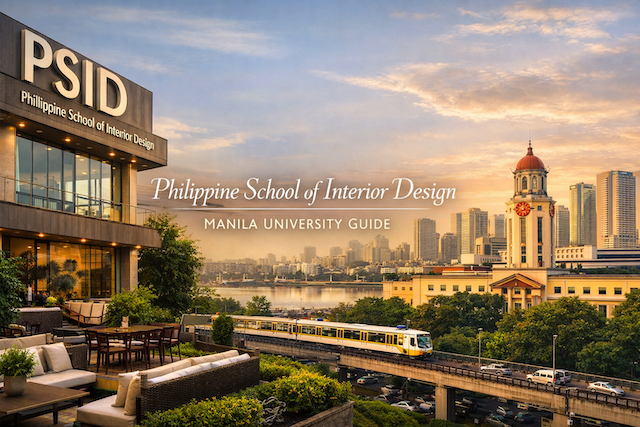
Philippine School of Interior Design (PSID): Manila University Guide
Contents
- Philippine School of Interior Design (PSID): Manila University Guide
- Overview of Philippine School of Interior Design (PSID)
- Location and Metro Manila Context
- Academic Focus and Educational Philosophy
- Degree Program: Bachelor of Science in Interior Design (BSID)
- Curriculum Structure and Learning Experience
- Studio Culture and Workload Expectations
- Admissions Process and Requirements
- Portfolio Considerations for Applicants
- Tuition Fees and Financial Planning
- Class Format and Weekly Schedule
- Licensure and Professional Preparation
- Career Paths for PSID Graduates
- Advantages of Studying Interior Design in Metro Manila
- Student Life and Learning Environment
- Housing and Living Considerations
- Who Should Consider PSID?
- Final Thoughts
- FAQs (Frequently Asked Questions)
- Where is Philippine School of Interior Design (PSID) located?
- What program does PSID offer for students who want to become professional interior designers?
- How long does the BS Interior Design program take to finish?
- Does PSID require an entrance exam, and what is it like?
- What documents are usually needed for the application?
- Is a portfolio required to apply, and what should I include if I submit one?
- What should I expect from the learning style in an interior design school like PSID?
- How much does tuition cost, and what other expenses should I budget for?
- Are classes face-to-face, and what schedule should students expect?
- Can short courses replace a bachelor’s degree if I want to take the interior design licensure exam?
- What career paths can interior design graduates pursue in Metro Manila?
- How can I improve my chances of success once I enroll?
- What should international or relocating students consider before moving to Metro Manila for PSID?
Philippine School of Interior Design (PSID): Manila University Guide
Overview of Philippine School of Interior Design (PSID)
The Philippine School of Interior Design (PSID) is one of the most recognized institutions in the Philippines dedicated exclusively to interior design education. Located in Metro Manila, PSID has built a reputation for producing graduates who are technically competent, creatively confident, and professionally prepared for the realities of the design industry. Unlike large universities with multiple colleges and departments, PSID focuses solely on interior design, allowing it to concentrate its academic resources, faculty expertise, and studio culture around a single discipline.
For students searching for a “Manila university” specializing in interior design, PSID often appears as a top option because of its focused curriculum, strong studio-based learning approach, and long-standing presence in the Philippine design education landscape.
Location and Metro Manila Context
PSID is located in Fort Bonifacio, Taguig City, a central and well-connected area within Metro Manila. Although many international and local students refer to “Manila” when searching for universities, it is important to understand that Metro Manila consists of several cities, including Taguig, Makati, Quezon City, Pasay, and Manila City itself.
Studying in Fort Bonifacio places PSID students close to business districts, design showrooms, suppliers, and creative hubs. This location is particularly advantageous for interior design students, as exposure to real-world projects, materials, and professional networks is an essential part of design education. Commuting options include private vehicles, ride-hailing services, buses, and other public transportation, making the campus accessible from various parts of Metro Manila.
Academic Focus and Educational Philosophy
PSID’s educational philosophy centers on the idea that interior design is both a creative and technical profession. Students are trained not only to develop aesthetic sensitivity but also to understand space planning, materials, construction basics, lighting, and professional practice. This balanced approach prepares graduates to communicate effectively with clients, contractors, and other design professionals.
Studio-based learning is at the core of PSID’s teaching method. Rather than relying heavily on lecture-only formats, students spend a significant portion of their academic time working on design projects, revisions, and presentations. This mirrors real-world design practice, where iterative development and critique are part of daily professional life.
Degree Program: Bachelor of Science in Interior Design (BSID)
The primary academic offering at PSID is the Bachelor of Science in Interior Design (BSID). This degree is designed to provide students with a comprehensive foundation in interior design principles, technical skills, and professional standards. The program is structured to guide students from basic design concepts to more complex spatial, functional, and conceptual challenges.
The BSID program typically spans a little over three years under its current academic structure. During this time, students progress through a sequence of studio courses, technical subjects, and general education components. Each stage of the program builds upon the previous one, gradually increasing the level of complexity and independence expected from students.
Curriculum Structure and Learning Experience
The PSID curriculum is structured to integrate theory, practice, and application. Early courses often focus on design fundamentals such as drawing, color theory, materials, and basic space planning. As students advance, they move into more specialized areas, including residential design, commercial interiors, lighting design, and professional practice.
One of the defining features of the curriculum is the emphasis on project-based output. Students are regularly required to submit drawings, presentation boards, models, and digital renderings. Critiques from instructors and peers play a central role in the learning process, helping students refine their ideas and improve their communication skills.
Studio Culture and Workload Expectations
Interior design education is known for its intensity, and PSID is no exception. Studio courses demand consistent effort, time management, and a willingness to revise work multiple times. Deadlines are a normal part of the experience, and students are expected to balance creativity with discipline.
The studio culture encourages collaboration and peer learning. Students often work alongside classmates, sharing feedback, techniques, and inspiration. This environment not only improves technical skills but also helps students develop the teamwork and communication abilities required in professional design settings.
Admissions Process and Requirements
PSID’s admissions process is designed to assess both academic readiness and creative potential. Applicants typically submit academic records, such as senior high school grades or transcripts for transferees. In addition, applicants may be asked to complete an entrance examination, often in essay format.
The essay-based exam allows the school to evaluate how applicants think, articulate ideas, and express motivation. Interior design professionals must be able to explain concepts clearly, and this requirement reflects the importance of communication in the field.
Portfolio Considerations for Applicants
While a portfolio may not always be mandatory for admission, submitting one can be beneficial. A portfolio provides insight into an applicant’s creative interests, visual thinking, and potential for growth. For beginners, portfolios do not need to be highly polished or professional.
Simple sketches, small design exercises, mood boards, or space concepts can be enough to demonstrate interest and commitment. Including brief explanations of ideas and processes can further strengthen a portfolio and show thoughtful engagement with design.
Tuition Fees and Financial Planning
Tuition at PSID is typically structured on a trimester basis, with fees varying depending on the number of units enrolled. Students should also account for additional academic expenses beyond tuition. Interior design programs involve costs related to printing, plotting, model-making materials, and design tools.
Effective financial planning is essential. Many students find it helpful to set aside a monthly budget specifically for project-related expenses. This approach helps manage the periodic spikes in spending that often occur during major submission weeks.
Class Format and Weekly Schedule
Classes at PSID are primarily conducted face-to-face. Schedules usually include weekday sessions and may extend to Saturdays, depending on course load and studio requirements. Class hours are often concentrated during the day, but students should expect to spend additional time outside class working on projects.
This structure reflects the realities of design practice, where preparation and refinement happen beyond formal meetings. Students who plan to work part-time while studying should carefully assess their ability to manage time effectively.
Licensure and Professional Preparation
For students aiming to become licensed interior designers in the Philippines, completing a recognized bachelor’s degree is an important step. The BSID program is designed to provide the academic foundation required for professional qualification and future licensure pathways.
Beyond formal requirements, PSID places emphasis on professional readiness. Courses related to design practice, client interaction, and business considerations help students transition from academic projects to real-world applications.
Career Paths for PSID Graduates
Graduates of interior design programs in Metro Manila pursue a wide range of career paths. Many begin as junior interior designers or design assistants in architectural and design firms. Others work in specialized areas such as furniture design, lighting design, visual merchandising, or set and exhibition design.
The Metro Manila market offers opportunities across residential, commercial, hospitality, and workplace sectors. PSID’s location allows students to gain exposure to ongoing developments and design trends within the city.
Advantages of Studying Interior Design in Metro Manila
Metro Manila serves as a hub for design, construction, and real estate development. Studying in this environment gives students access to a wide range of suppliers, showrooms, and professional events. This exposure helps bridge the gap between academic learning and industry practice.
Networking opportunities are another advantage. Guest lectures, design talks, and industry visits are more accessible in a major urban center, allowing students to build professional connections early in their careers.
Student Life and Learning Environment
Student life at PSID is closely tied to studio work and creative production. While the workload can be demanding, many students find the experience rewarding because it allows them to see tangible progress in their skills over time.
The focused nature of the school fosters a community where students share similar goals and challenges. This environment can be motivating, especially for those who thrive in creative and collaborative settings.
Housing and Living Considerations
Students relocating to Metro Manila for PSID should carefully consider housing options. Proximity to the campus, access to transportation, and overall cost of living are key factors. Fort Bonifacio and nearby areas offer a range of housing choices, from shared apartments to studio units.
Setting up a functional home workspace is also important. Interior design students often need space for drawing, drafting, and organizing materials, making a well-lit and organized environment essential for productivity.
Who Should Consider PSID?
PSID is well-suited for students who are committed to pursuing interior design as a profession and who value hands-on, studio-based learning. Those who prefer a specialized environment focused entirely on design may find PSID particularly appealing.
Students who enjoy creative problem-solving, visual communication, and iterative work processes are more likely to thrive in this type of academic setting.
Final Thoughts
The Philippine School of Interior Design offers a focused and immersive pathway into the interior design profession within Metro Manila. With its studio-driven curriculum, professional orientation, and strategic location, PSID provides an environment where aspiring designers can develop both creative vision and technical competence.
For students seeking a Manila-based institution dedicated to interior design, PSID represents a strong option worth serious consideration. Careful preparation, realistic expectations, and a commitment to consistent effort will help students make the most of what the school has to offer.
FAQs (Frequently Asked Questions)
Where is Philippine School of Interior Design (PSID) located?
PSID is located in Fort Bonifacio, Taguig City, Metro Manila. In practical terms, this places it near Bonifacio Global City (BGC) and within commuting distance of major districts like Makati and Pasay. If you are searching “Manila,” remember that many school listings use Manila as a broad label for Metro Manila, so it is best to confirm the exact city (Taguig) when planning housing and transport.
What program does PSID offer for students who want to become professional interior designers?
PSID highlights the Bachelor of Science in Interior Design (BSID) as its main degree program. A bachelor’s degree is typically the pathway students choose when they want comprehensive training, a structured studio sequence, and long-term professional credentials. If your goal is to build a strong portfolio and pursue formal professional practice, a degree program is generally the most direct route compared with short courses.
How long does the BS Interior Design program take to finish?
PSID describes the BSID as taking about three years and four months under its current structure. Actual completion time can still vary depending on course load, academic policies, and whether a student shifts schedules or retakes subjects. When planning, include time for intensive “plate weeks,” major studio submissions, and any additional requirements that may affect pacing.
Does PSID require an entrance exam, and what is it like?
PSID indicates an entrance exam in essay format. An essay-based exam typically evaluates how clearly you communicate ideas, how you organize your thoughts, and how you explain decisions—skills that matter in design presentations and client-facing work. Preparing for this kind of exam usually means practicing short, structured writing: a clear introduction, a logical explanation, and a conclusion that ties your ideas together.
What documents are usually needed for the application?
Requirements commonly include academic records (such as Form 138 for senior high school graduates or a Transcript of Records for transferees), plus additional items such as a “creative shot” and possibly a portfolio upload if you have one. Requirements can differ depending on your applicant category, so it is important to follow the school’s most current admissions instructions and ensure your files are complete to avoid delays.
Is a portfolio required to apply, and what should I include if I submit one?
A portfolio may be optional for admission, but it can be helpful because it shows your seriousness and creative direction. If you submit one, focus on quality and clarity rather than volume. Include a mix of sketches, mood boards, simple space planning studies, and one or two polished pieces (even if they are small projects). Add short captions explaining your concept, your design choices, and what you learned from revisions.
What should I expect from the learning style in an interior design school like PSID?
Interior design education is typically studio-centered. This means you will spend significant time producing design outputs: drawings, layouts, presentations, and revisions after critique. You should expect deadlines, iterative feedback, and a strong emphasis on communicating ideas visually and verbally. Many students find that time management and consistent weekly routines matter as much as creativity.
How much does tuition cost, and what other expenses should I budget for?
PSID publishes tuition guidance per trimester (with a range that can vary), and it also explains payment timing and methods. Beyond tuition, interior design students should budget for printing and plotting, materials for models or mockups, basic tools, and possible software needs. A practical approach is to maintain a monthly “project fund,” because expenses can spike around major submissions.
Are classes face-to-face, and what schedule should students expect?
PSID has indicated face-to-face classroom sessions and a schedule that can run Monday to Saturday, often within daytime hours, depending on the term and your enrolled subjects. Studio programs can feel intensive because production time is part of the workload. If you plan to work while studying, consider how you will protect uninterrupted blocks of time for drawing, drafting, and final presentation preparation.
Can short courses replace a bachelor’s degree if I want to take the interior design licensure exam?
Short courses can be valuable for skill-building, but they generally do not replace the degree pathway for licensure eligibility. If your long-term plan involves pursuing licensure, you should prioritize a recognized bachelor’s degree track and confirm the latest eligibility requirements through official regulatory sources. If you are unsure, treat short courses as supplementary rather than a substitute for a full degree.
What career paths can interior design graduates pursue in Metro Manila?
Graduates often pursue roles such as junior interior designer, design assistant, visual merchandising support, furniture or lighting-related roles, set or styling work, or design coordination in firms that handle residential, commercial, hospitality, and workplace projects. Metro Manila also offers exposure to supplier networks and showrooms, which can help you develop practical knowledge of finishes, materials, and specifications that clients expect professionals to understand.
How can I improve my chances of success once I enroll?
Start with strong fundamentals: drafting discipline, clear layouts, and a habit of saving references and documenting your process. Treat critiques as data rather than personal judgment, and learn to iterate quickly. Build a repeatable weekly system: schedule production time early, avoid last-minute printing emergencies, and keep your files organized. Over time, your consistency will show in cleaner presentations and a more confident portfolio.
What should international or relocating students consider before moving to Metro Manila for PSID?
Plan around commute and living costs. Metro Manila traffic can be unpredictable, so choose housing with realistic routes to Taguig and consider your daily travel time during rush hours. Budget for school materials and printing, not only rent and food. If possible, set up a small home workspace with good lighting and storage for boards and tools. Also, factor in the time you will spend on studio work outside class hours.

How to Register for eTravel Philippines (2025 Guide)
Step-by-step guide to completing your eTravel registration before arriving in the Philippines, with images and tips.

Night Market in Cebu – Things You Don’t Know About Cebu Life
Discover the hidden charm of Cebu’s night markets, from street food stalls to local life tips you won’t find in tourist guides.

How to Use ChatGPT for IELTS Preparation: A Complete Guide
Learn how to prepare for IELTS using ChatGPT — including strategies for Writing, Reading, Listening, Speaking, and grammar support.

How to Build a Website Without Coding Using ChatGPT
Discover how to build your own website using AI—no coding skills needed. From structure planning to SEO and design, let ChatGPT guide you.