2026年4月3日
3D ACADEMY offers affordable English study programs in Cebu, Philippines – perfect for beginners, professionals, and exam takers.

3D UNIVERSAL ENGLISH INSTITUTE INC
info.3d-universal.com
8:00-17:00(Mon-Fri)
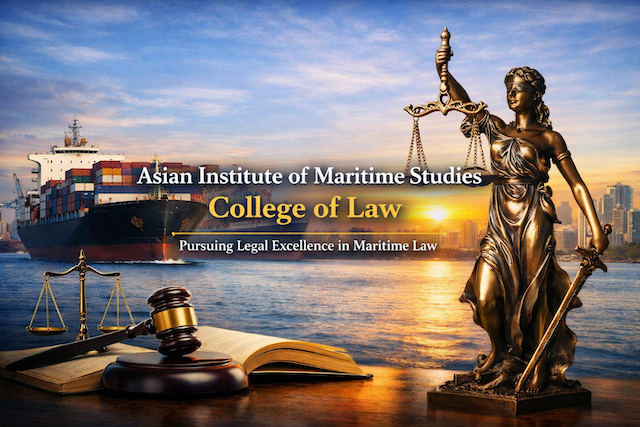
Asian Institute of Maritime Studies College of Law: Complete Guide for Prospective Students
Contents
- Asian Institute of Maritime Studies College of Law: Complete Guide for Prospective Students
- Introduction
- Overview of Asian Institute of Maritime Studies
- About AIMS College of Law
- Academic Program: Juris Doctor (JD)
- Admission Requirements
- Campus and Facilities
- Faculty and Academic Environment
- Career Opportunities
- Advantages of Studying at AIMS College of Law
- Challenges to Consider
- Student Life at AIMS
- Tuition and Financial Considerations
- How to Apply
- Is AIMS College of Law Right for You?
- Conclusion
- FAQs (Frequently Asked Questions)
- What is the Asian Institute of Maritime Studies College of Law known for?
- Does AIMS College of Law offer a Juris Doctor program?
- Is AIMS College of Law a good choice for students interested in maritime law?
- What subjects do students usually study in law school at AIMS?
- Who should consider applying to AIMS College of Law?
- What are the usual admission requirements for law school applicants?
- Can working students enroll in AIMS College of Law?
- What career opportunities are available after graduating from AIMS College of Law?
- Is studying at AIMS College of Law only for students who want a specialized legal career?
- What should prospective students check before choosing AIMS College of Law?
Asian Institute of Maritime Studies College of Law: Complete Guide for Prospective Students
Introduction
The Asian Institute of Maritime Studies (AIMS) College of Law is a specialized academic institution in the Philippines that integrates legal education with a strong focus on maritime and transportation-related disciplines. Known primarily for its excellence in maritime education, AIMS extends its academic offerings into the field of law, providing students with a unique opportunity to study legal principles in a context closely tied to the maritime industry.
For students interested in pursuing a legal career with a niche in maritime law, international trade, or transportation regulation, AIMS College of Law presents a compelling option. This guide explores everything prospective students need to know—from academic programs and curriculum to admission requirements, facilities, career opportunities, and more.
Overview of Asian Institute of Maritime Studies
Founded in 1993, the Asian Institute of Maritime Studies has built a strong reputation as one of the leading maritime schools in the Philippines. Located in Pasay City, Metro Manila, AIMS is strategically positioned near key ports and shipping hubs, providing students with direct exposure to the maritime industry.
While the institution is widely recognized for producing highly skilled seafarers and maritime professionals, its College of Law represents a strategic expansion into legal education. By combining maritime expertise with legal training, AIMS aims to produce graduates who are well-equipped to navigate complex legal issues in global shipping, logistics, and international commerce.
About AIMS College of Law
The AIMS College of Law is designed to offer a comprehensive legal education grounded in Philippine law while incorporating specialized knowledge relevant to maritime and transportation sectors.
Unlike traditional law schools that focus solely on general legal education, AIMS integrates industry-specific perspectives, particularly in areas such as:
- Maritime law
- Admiralty law
- Transportation law
- International trade law
- Environmental and marine regulations
This approach allows students to develop a broader understanding of how law operates within global industries, making them more competitive in specialized legal fields.
Academic Program: Juris Doctor (JD)
Program Structure
The primary program offered by the AIMS College of Law is the Juris Doctor (JD) degree. This is a four-year professional graduate program required for individuals who wish to become licensed lawyers in the Philippines.
The JD curriculum at AIMS follows the guidelines set by the Legal Education Board (LEB), ensuring that graduates are eligible to take the Philippine Bar Examination.
Core Subjects
Students will study foundational legal subjects, including:
- Constitutional Law
- Civil Law
- Criminal Law
- Commercial Law
- Remedial Law
- Legal Ethics
These core courses provide the necessary legal foundation required for any legal career in the Philippines.
Specialized Maritime and Industry-Focused Courses
One of the distinguishing features of AIMS College of Law is its emphasis on maritime and transportation law. Students may encounter specialized subjects such as:
- Maritime Law and Admiralty
- Shipping Regulations and Compliance
- International Trade Law
- Marine Environmental Law
- Insurance Law (with maritime applications)
These courses prepare students for careers not only in traditional legal practice but also in global industries related to shipping and logistics.
Practical Training
AIMS emphasizes practical legal training through:
- Moot court exercises
- Legal writing and research programs
- Internship opportunities with law firms, shipping companies, or government agencies
This hands-on approach ensures that students graduate with both theoretical knowledge and practical skills.
Admission Requirements
Academic Qualifications
Applicants must hold a bachelor’s degree from a recognized college or university. While no specific undergraduate major is required, degrees in political science, business, maritime studies, or related fields can be advantageous.
Entrance Requirements
Typical admission requirements include:
- Completed application form
- Official transcripts of records
- Certificate of graduation
- Entrance examination (if required)
- Personal interview
Some applicants may also need to submit recommendation letters or a statement of purpose.
English Proficiency
Since legal education in the Philippines is conducted in English, applicants must demonstrate proficiency in the language. International students may be required to provide proof of English proficiency through standardized tests or prior education in English.
Campus and Facilities
Strategic Location
AIMS is located in Pasay City, near Manila’s major transportation hubs, including:
- Ninoy Aquino International Airport (NAIA)
- Manila Bay ports
- Key business districts such as Makati and Bonifacio Global City
This location provides students with access to courts, law firms, and maritime organizations.
Learning Facilities
The College of Law offers facilities designed to support legal education, including:
- Law library with legal resources and journals
- Moot court rooms for simulated trials
- Classrooms equipped with modern teaching tools
- Study areas for individual and group work
Industry Exposure
Because of AIMS’ strong ties to the maritime industry, students may benefit from:
- Guest lectures by industry experts
- Networking opportunities with maritime professionals
- Access to real-world case studies
Faculty and Academic Environment
The faculty at AIMS College of Law consists of experienced legal practitioners, professors, and industry experts. Many instructors bring practical experience from:
- Law firms
- Government agencies
- Maritime organizations
- International trade institutions
This blend of academic and professional expertise creates a dynamic learning environment where students gain insights into real-world legal challenges.
Class sizes are generally manageable, allowing for interactive discussions, case analysis, and personalized guidance.
Career Opportunities
Graduates of AIMS College of Law have a wide range of career paths available to them.
Traditional Legal Careers
After passing the Philippine Bar Examination, graduates can pursue careers such as:
- Attorney in private practice
- Corporate lawyer
- Government lawyer
- Prosecutor or public defender
Maritime and Specialized Careers
With a background in maritime and transportation law, graduates can also explore specialized roles, including:
- Maritime lawyer
- Legal advisor for shipping companies
- Compliance officer in logistics firms
- Consultant in international trade law
International Opportunities
Given the global nature of maritime law, graduates may find opportunities abroad, particularly in countries with strong shipping industries.
Advantages of Studying at AIMS College of Law
1. Specialized Focus
AIMS offers a unique niche by combining legal education with maritime expertise, making it ideal for students interested in specialized legal fields.
2. Industry Connections
Strong ties to the maritime sector provide valuable networking and internship opportunities.
3. Strategic Location
Being in Metro Manila ensures access to courts, law firms, and government institutions.
4. Practical Training
Emphasis on real-world application helps students develop essential legal skills.
Challenges to Consider
While AIMS College of Law offers many benefits, prospective students should also consider potential challenges:
- The specialized focus may not appeal to those interested solely in traditional legal practice
- As a smaller law program, it may have fewer resources compared to larger, established law schools
- Students must be proactive in seeking opportunities and building networks
Student Life at AIMS
Student life at AIMS is shaped by a balance between academic rigor and professional development.
Academic Culture
Law students can expect:
- Intensive reading and case analysis
- Regular recitations and examinations
- Collaborative learning through group discussions
Extracurricular Activities
Students may participate in:
- Moot court competitions
- Legal aid programs
- Student organizations
These activities enhance both academic and professional growth.
Tuition and Financial Considerations
Tuition fees at AIMS College of Law are generally competitive compared to other law schools in Metro Manila. However, costs may vary depending on:
- Number of units per semester
- Additional fees for facilities and materials
Scholarships and Financial Aid
Students may explore:
- Academic scholarships
- Financial assistance programs
- External grants and sponsorships
Prospective students are encouraged to contact the institution directly for updated fee structures and scholarship availability.
How to Apply
The application process typically involves the following steps:
- Submit application form
- Provide academic documents
- Take entrance exam (if applicable)
- Attend interview
- Wait for admission results
- Complete enrollment requirements
Early application is recommended, as slots may be limited.
Is AIMS College of Law Right for You?
AIMS College of Law is best suited for:
- Students interested in maritime or transportation law
- Individuals seeking a niche legal career
- Those who value practical, industry-oriented education
However, students who prefer a traditional law school experience with broader academic exposure may want to compare other institutions as well.
Conclusion
The Asian Institute of Maritime Studies College of Law offers a distinctive approach to legal education in the Philippines. By integrating core legal principles with maritime and industry-specific knowledge, it prepares students for both traditional legal careers and specialized roles in global industries.
With its strategic location, industry connections, and practical training approach, AIMS provides a solid foundation for aspiring lawyers who want to stand out in a competitive field.
For prospective students looking to combine law with real-world applications in maritime and international trade, AIMS College of Law represents a valuable and forward-thinking choice.
FAQs (Frequently Asked Questions)
What is the Asian Institute of Maritime Studies College of Law known for?
The Asian Institute of Maritime Studies College of Law is known for offering legal education within an institution that already has a strong identity in maritime and transportation-related education. This makes it especially interesting for students who want to study law in a setting connected to shipping, logistics, and other industry-based fields. While many law schools in the Philippines focus on general legal training alone, AIMS stands out because its broader academic environment is closely linked to maritime studies. For some students, that creates a unique learning atmosphere and may open the door to more specialized career interests later on.
Does AIMS College of Law offer a Juris Doctor program?
Yes, prospective law students generally look to the institution for its Juris Doctor or equivalent professional law program. In the Philippines, the Juris Doctor is the standard graduate-level degree for those who want to become lawyers and eventually take the Bar Examination. At AIMS College of Law, students can expect a curriculum that covers the major areas of Philippine law, including constitutional law, civil law, criminal law, commercial law, remedial law, and legal ethics. The goal is to provide the academic and practical preparation needed for a professional legal career.
Is AIMS College of Law a good choice for students interested in maritime law?
It can be a strong option for students who are particularly interested in maritime law, transportation law, trade regulation, or industries connected to shipping and logistics. Because AIMS has an established name in maritime education, students may find the law program especially appealing if they want to build expertise in legal issues affecting maritime businesses, seafarers, shipping operations, and related sectors. Even students who eventually enter general legal practice may still benefit from this specialized environment, since niche expertise can help them stand out in a competitive legal market.
What subjects do students usually study in law school at AIMS?
Like other law schools in the Philippines, students at AIMS College of Law are expected to study core legal subjects that are essential for Bar preparation and legal practice. These often include persons and family relations, obligations and contracts, constitutional law, criminal law, labor law, taxation, evidence, and procedure. In addition to these standard areas, a school like AIMS may also be especially attractive to students who want exposure to maritime or transportation-related legal issues. Even when the curriculum follows national legal education requirements, the school’s academic setting can influence the kind of perspective and specialization students develop.
Who should consider applying to AIMS College of Law?
AIMS College of Law may be a suitable choice for graduates who want a legal education in Metro Manila and are open to studying in a school with a maritime-oriented institutional background. It may appeal to working professionals, business graduates, political science majors, maritime graduates, and students from many other academic fields. Law schools in the Philippines generally accept applicants from different undergraduate backgrounds as long as they meet the required academic and admission standards. Students who are disciplined, ready for heavy reading, and serious about long-term legal training are usually the best fit.
What are the usual admission requirements for law school applicants?
Admission requirements can vary by institution and may change over time, but applicants are commonly asked to submit a completed application form, transcript of records, proof of graduation, identification documents, and other school-specific requirements. Some schools also require an entrance examination, interview, essay, or recommendation letters. Since legal education is academically demanding, the admissions process is often designed to assess both academic readiness and communication skills. Applicants should always verify the latest requirements directly with the school before applying, especially regarding deadlines, fees, and document submission procedures.
Can working students enroll in AIMS College of Law?
Many prospective law students in the Philippines are working professionals, so this is one of the most common questions. Whether AIMS College of Law is ideal for working students depends on its current class scheduling, academic policies, and administrative flexibility. In general, law school is demanding regardless of schedule, and even evening or weekend-friendly programs require major sacrifices in time and energy. Working students should ask about class hours, attendance expectations, reading load, and exam schedules before enrolling. Choosing law school while working can be realistic, but only with strong commitment, planning, and support.
What career opportunities are available after graduating from AIMS College of Law?
Graduates who complete their law degree and pass the Philippine Bar Examination may pursue a wide range of legal careers. These can include private law practice, corporate legal work, government service, litigation, compliance, academia, and policy-related roles. For students who develop expertise in maritime or transportation-related legal matters, there may also be opportunities in shipping companies, logistics firms, port-related industries, insurance, labor issues involving seafarers, and international trade environments. A specialized background does not necessarily limit a graduate; in many cases, it can provide an additional professional advantage.
Is studying at AIMS College of Law only for students who want a specialized legal career?
No, not necessarily. A student does not need to be fully committed to maritime law from the beginning in order to benefit from studying at AIMS College of Law. Many students enter law school with broad interests and only choose a clearer path later. AIMS may simply offer an educational environment that includes added relevance for students interested in transportation, commerce, or industry-based legal issues. At the same time, the core legal education remains important for any aspiring lawyer. Students can still pursue litigation, corporate practice, public service, or other general legal careers after graduation.
What should prospective students check before choosing AIMS College of Law?
Before making a final decision, students should carefully review the school’s current curriculum, tuition and fees, faculty profile, class schedule, library and learning resources, academic support system, and admissions policies. It is also helpful to compare AIMS with other law schools in Metro Manila to see which environment, cost structure, and academic direction best match your goals. Prospective students should not choose a law school based on name alone. They should consider location, flexibility, specialization, and personal readiness for the demands of legal education. The best choice is usually the one that matches both career goals and daily reality.

How to Register for eTravel Philippines (2025 Guide)
Step-by-step guide to completing your eTravel registration before arriving in the Philippines, with images and tips.

Night Market in Cebu – Things You Don’t Know About Cebu Life
Discover the hidden charm of Cebu’s night markets, from street food stalls to local life tips you won’t find in tourist guides.

How to Use ChatGPT for IELTS Preparation: A Complete Guide
Learn how to prepare for IELTS using ChatGPT — including strategies for Writing, Reading, Listening, Speaking, and grammar support.

How to Build a Website Without Coding Using ChatGPT
Discover how to build your own website using AI—no coding skills needed. From structure planning to SEO and design, let ChatGPT guide you.