2026年1月12日
3D ACADEMY offers affordable English study programs in Cebu, Philippines – perfect for beginners, professionals, and exam takers.

3D UNIVERSAL ENGLISH INSTITUTE INC
info.3d-universal.com
8:00-17:00(Mon-Fri)
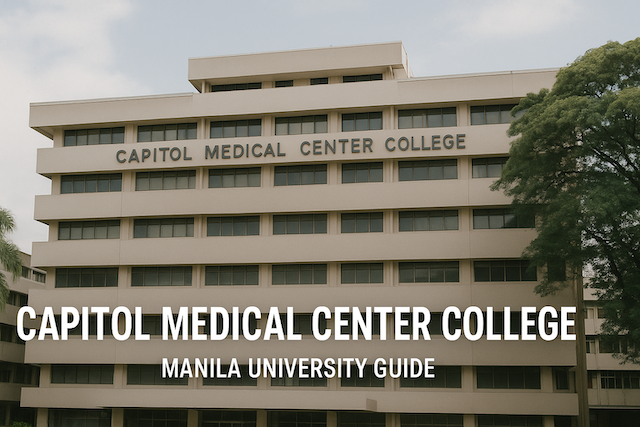
Capitol Medical Center College: Manila University Guide
Contents
- Capitol Medical Center College: Manila University Guide
- Overview of Capitol Medical Center College
- Academic Programs Offered
- Campus Facilities and Resources
- Student Life and Extracurricular Opportunities
- Admission Requirements
- Tuition Fees and Financial Considerations
- Career Prospects for Graduates
- Is Capitol Medical Center College Right for You?
- FAQs (Frequently Asked Questions)
- What type of school is Capitol Medical Center College?
- Which degree programs are commonly offered at Capitol Medical Center College?
- Where is Capitol Medical Center College located in Metro Manila?
- What is student life like at Capitol Medical Center College?
- Does the school provide strong clinical training and hospital exposure?
- How competitive is the admission process?
- What are the usual admission requirements for new students?
- How much is the estimated tuition at Capitol Medical Center College?
- Are there scholarships or financial assistance options available?
- What kind of careers can graduates pursue after finishing their degree?
- How does Capitol Medical Center College help students prepare for board exams?
- Is Capitol Medical Center College a good choice for students planning to work abroad?
Capitol Medical Center College: Manila University Guide
Capitol Medical Center College (CMCC) is one of the respected medical and allied health institutions in Quezon City, Metro Manila. Known for its strong clinical training, community exposure, and close partnership with Capitol Medical Center Hospital, the college attracts aspiring healthcare professionals from across the Philippines. This guide provides a detailed overview of the programs, campus environment, admission process, tuition expectations, and overall student experience to help future students decide if CMCC is the right school for their academic and career goals.
Overview of Capitol Medical Center College
Capitol Medical Center College was established to provide specialized training for students pursuing careers in the healthcare industry. The institution offers programs that are closely aligned with hospital operations, ensuring students gain practical clinical exposure essential for success in their chosen fields.
The college is located in Quezon City, one of Metro Manila’s most accessible areas for students. Surrounded by hospitals, clinics, diagnostic centers, and commercial establishments, CMCC provides a learning environment that allows students to experience the real-world medical setting early in their education.
The school is known for its commitment to producing competent and compassionate healthcare professionals through a curriculum that emphasizes medical knowledge, ethics, and hands-on training.
Academic Programs Offered
CMCC focuses on medical and allied health courses that are highly in demand in the Philippines and abroad. Programs are designed to provide a strong academic foundation combined with hospital-based training.
Bachelor of Science in Nursing (BSN)
The BS Nursing program is the college’s flagship course. With a balanced approach between classroom learning and clinical rotations, CMCC prepares nursing students to pass the board exam and compete internationally.
Students participate in rotations across various hospital departments, including:
-
Medical-surgical nursing
-
Pediatrics
-
Geriatric care
-
Emergency and trauma care
-
Community health nursing
The program also focuses on developing communication skills, patient care techniques, and professional ethics.
Bachelor of Science in Medical Technology (MedTech)
The Medical Technology program offers comprehensive training in laboratory diagnostics. CMCC students receive hands-on practice in:
-
Hematology
-
Clinical chemistry
-
Microbiology
-
Parasitology
-
Blood banking
-
Immunology
Hospital-based internships provide students with real-world experience in laboratory operations. Graduates are well-prepared for the Philippine MedTech Licensure Examination.
Bachelor of Science in Radiologic Technology (RadTech)
Students in the RadTech program learn imaging science, radiation safety, and general radiologic procedures. CMCC’s affiliation with Capitol Medical Center Hospital allows students access to updated imaging equipment such as:
-
X-ray machines
-
CT scanners
-
Ultrasound
-
MRI (subject to hospital availability)
Graduates pursue careers in hospitals, diagnostic centers, and clinics in the Philippines and abroad.
Other Allied Health Programs
Depending on current offerings, the college may also provide healthcare-related certificate or diploma programs aimed at developing specialized skills in the medical field. Students should check the school’s official announcements for updated program lists.
Campus Facilities and Resources
Capitol Medical Center College offers an academic environment equipped to support both theoretical and practical training. While smaller compared to large universities, CMCC prioritizes facilities that enhance healthcare learning.
Simulation and Skills Laboratories
The skills labs are equipped with mannequins, medical tools, and equipment needed for nursing, medical technology, and radiologic technology training. Students practice procedures before applying them in real hospital settings.
Library and Study Spaces
The library provides access to medical books, journals, and digital resources. There are dedicated study areas where students can prepare for exams, clinical duties, and research work.
Computer Laboratory
The computer lab supports research, digital learning modules, and documentation training, especially useful for nursing students who must learn electronic patient charting.
Affiliated Hospital Access
One of the biggest advantages of CMCC is its close relationship with Capitol Medical Center Hospital, located nearby. Students frequently access the hospital for:
-
Clinical rotations
-
Case presentations
-
Laboratory internships
-
Community health exposure
This environment prepares them for real-world healthcare settings.
Student Life and Extracurricular Opportunities
Although CMCC is primarily focused on academics and clinical training, the school still offers student activities that promote leadership, social responsibility, and personal development.
Student Organizations
Organizations usually include:
-
Nursing student councils
-
Medical Technology student societies
-
Radiologic Technology associations
-
Community outreach groups
These groups organize seminars, medical missions, and workshops.
Community Health Programs
Students participate in community immersion where they apply their knowledge in rural or urban communities needing medical support. Activities include:
-
Health education campaigns
-
Free clinics
-
Vaccination assistance
-
Disaster preparedness programs
Events and Seminars
The college conducts symposiums, research forums, and medical-related events that expose students to industry experts and new developments in healthcare.
Admission Requirements
Admission procedures may vary by program, but generally include the following:
Basic Requirements
-
High school report card (Form 138)
-
Good moral certificate
-
Birth certificate
-
Recent ID photos
-
Application form
Entrance Examination and Interview
CMCC typically requires applicants to pass an entrance test. Some programs also require a medical examination or interview to assess readiness for healthcare studies.
Transferee Requirements
For transferees, the following additional documents may be required:
-
Transcript of Records (TOR)
-
Honorable dismissal
-
Course descriptions for evaluation
Admission may be more competitive for programs like Nursing and MedTech due to limited slots.
Tuition Fees and Financial Considerations
Tuition fees at CMCC vary depending on the course and the number of units taken. As a private healthcare-focused institution, tuition may be higher than in public schools but still more affordable than large private universities.
Estimated costs include:
-
Tuition fees per semester
-
Laboratory fees
-
Clinical rotation fees
-
Uniforms and medical equipment
-
Miscellaneous school fees
Students should prepare additional budget for transportation, meals, and study materials, especially during hospital duties.
Career Prospects for Graduates
Graduates from Capitol Medical Center College have strong job prospects locally and internationally due to the high demand for healthcare professionals.
Nursing Graduates
Career opportunities include:
-
Staff nurse in hospitals
-
Community health nurse
-
Private duty nurse
-
Overseas nursing roles
-
Nursing aide positions while completing international requirements
Medical Technology Graduates
MedTech graduates can work as:
-
Clinical laboratory scientists
-
Research assistants
-
Blood bank technologists
-
Diagnostic laboratory personnel
Radiologic Technology Graduates
Career paths include:
-
Radiologic technologist
-
CT/MRI technologist
-
Ultrasound assistant
-
Imaging center staff
CMCC’s strong clinical foundation makes graduates well-prepared for licensure exams and employment.
Is Capitol Medical Center College Right for You?
CMCC is ideal for students who want a focused healthcare education with strong hospital exposure. It offers:
-
Hands-on training through hospital partnerships
-
High board exam preparation
-
A supportive learning environment
-
In-demand healthcare programs
While campus life is simpler compared to larger universities, the quality of medical training is its strongest advantage.
FAQs (Frequently Asked Questions)
What type of school is Capitol Medical Center College?
Capitol Medical Center College is a private higher education institution in Quezon City that specializes in healthcare and allied medical programs. It is closely affiliated with Capitol Medical Center Hospital, giving students significant opportunities for hands-on clinical exposure. The college focuses on producing competent, ethical, and service-oriented professionals who are ready to work in hospitals, clinics, laboratories, and community health settings in the Philippines and overseas.
Which degree programs are commonly offered at Capitol Medical Center College?
The college typically offers healthcare-focused degree programs such as Bachelor of Science in Nursing, Bachelor of Science in Medical Technology, and Bachelor of Science in Radiologic Technology. These programs combine classroom lectures, skills laboratory training, and extensive clinical or internship experience. Exact offerings may change over time, so applicants should always verify the current list of programs directly with the admissions office or official school channels before applying.
Where is Capitol Medical Center College located in Metro Manila?
Capitol Medical Center College is located in Quezon City, one of the major education and healthcare hubs of Metro Manila. Its proximity to Capitol Medical Center Hospital and other medical facilities is a key advantage, as students can conveniently move between campus and hospital areas for classes, clinical duties, and case presentations. The neighborhood is accessible by public transportation, making it manageable for commuting students from different parts of the metro.
What is student life like at Capitol Medical Center College?
Student life at Capitol Medical Center College is academically intensive and clinically oriented, reflecting its healthcare focus. While campus organizations, seminars, and community outreach activities are available, much of the student experience revolves around laboratory work, hospital duties, and exam preparation. Learners often form strong bonds with classmates through group study sessions, case conferences, and clinical rotations, building teamwork and professional communication skills that are essential in healthcare environments.
Does the school provide strong clinical training and hospital exposure?
Yes. One of the main strengths of Capitol Medical Center College is its strong linkage with Capitol Medical Center Hospital and other partner institutions. Nursing, Medical Technology, and Radiologic Technology students participate in clinical rotations, laboratory internships, and community health activities. This intensive exposure helps them become familiar with actual patient care settings, diagnostic procedures, hospital protocols, and interprofessional collaboration long before they graduate and enter the workforce.
How competitive is the admission process?
Admission to Capitol Medical Center College can be moderately competitive, especially for high-demand programs such as Nursing and Medical Technology. Applicants are usually evaluated based on their high school grades, entrance examination results, and sometimes an interview or medical examination. Because slot availability may be limited in specialized programs, it is advisable for applicants to submit complete requirements early and maintain strong academic records, particularly in science and English subjects.
What are the usual admission requirements for new students?
While exact requirements may vary by year and program, new college applicants are generally asked to submit a completed application form, high school report card, certificate of good moral character, birth certificate, recent ID photos, and other documents specified by the registrar or admissions office. Some programs may require an entrance exam, an interview, and a basic medical evaluation. Transferees often need to provide a transcript of records, course descriptions, and a certificate of honorable dismissal.
How much is the estimated tuition at Capitol Medical Center College?
Tuition fees at Capitol Medical Center College are typically within the range of other private, healthcare-focused schools in Metro Manila. Costs vary depending on the program, the number of units taken, and specific laboratory or clinical subjects enrolled in a given semester. Students should also budget for uniforms, medical kits, review materials, and potential clinical fees. Because tuition policies can change, the most accurate and updated fee schedule should always be requested directly from the school.
Are there scholarships or financial assistance options available?
Scholarships and financial assistance options may be available depending on the school’s current policies. These can include academic scholarships for high-performing students, discounts for siblings, or limited grants linked to specific programs or partner organizations. Some students also explore external scholarships, government education loans, or private sponsors. Since financial aid offerings can change over time, interested applicants should inquire directly with the guidance or scholarship office for the latest information and eligibility criteria.
What kind of careers can graduates pursue after finishing their degree?
Graduates of Capitol Medical Center College can pursue a wide range of healthcare careers. Nursing graduates may work as staff nurses in hospitals, community health nurses, private duty nurses, or eventually seek overseas employment after meeting international requirements. Medical Technology graduates can work in hospital laboratories, diagnostic centers, and research facilities. Radiologic Technology graduates may work as radiologic technologists in imaging centers, hospitals, and specialized diagnostics clinics both locally and abroad.
How does Capitol Medical Center College help students prepare for board exams?
The college usually integrates board exam preparation into its curriculum by emphasizing core concepts, clinical reasoning, and practical application of knowledge. Faculty members guide students through intensive review topics, case analyses, and practice examinations. Clinical exposure in hospitals also reinforces the theories learned in class. Some batches may have in-house review sessions or recommended external review centers, helping graduates feel more confident when taking the Nursing, MedTech, or Radiologic Technology licensure examinations.
Is Capitol Medical Center College a good choice for students planning to work abroad?
For students who aim to work abroad in the future, Capitol Medical Center College can be a solid option because it offers programs that are widely recognized and in demand internationally, such as Nursing, Medical Technology, and Radiologic Technology. However, graduates who plan to go overseas must still meet each destination country’s specific requirements, such as additional exams, bridging programs, language proficiency tests, or credential evaluations. The strong clinical training from CMCC can provide a good foundation for meeting these international standards.
Philippines University Guide
Manila University Guide
Manila Province All Universities Lists

How to Register for eTravel Philippines (2025 Guide)
Step-by-step guide to completing your eTravel registration before arriving in the Philippines, with images and tips.

Night Market in Cebu – Things You Don’t Know About Cebu Life
Discover the hidden charm of Cebu’s night markets, from street food stalls to local life tips you won’t find in tourist guides.

How to Use ChatGPT for IELTS Preparation: A Complete Guide
Learn how to prepare for IELTS using ChatGPT — including strategies for Writing, Reading, Listening, Speaking, and grammar support.

How to Build a Website Without Coding Using ChatGPT
Discover how to build your own website using AI—no coding skills needed. From structure planning to SEO and design, let ChatGPT guide you.