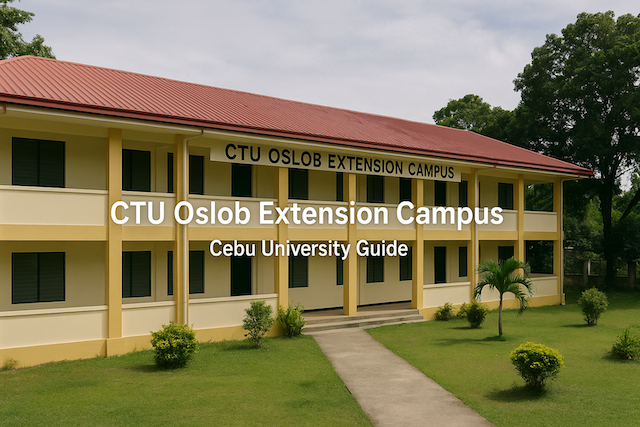
CTU Oslob Extension Campus: Cebu University Guide
Overview of CTU Oslob Extension Campus
Cebu Technological University (CTU) Oslob Extension Campus is one of the strategically located satellite campuses under CTU’s rapidly expanding network in southern セブ島. Positioned in the historic coastal municipality of Oslob—famous for whale shark watching, Tumalog Falls, Sumilon Island, and Spanish-era heritage structures—the campus provides students from southern Cebu with accessible, high-quality, and affordable state university education.
While CTU Oslob Extension Campus is relatively smaller than the main CTU-Argao or CTU-Main Campus, it serves as an important educational hub for nearby barangays and neighboring municipalities such as Santander, Samboan, and Boljoon. The programs offered are aligned with the community’s economic landscape, focusing on technology, hospitality, agriculture, and teacher education. This guide provides a detailed overview of its academic offerings, facilities, campus life, and what future students can expect.
Academic Programs Offered
CTU Oslob Extension Campus focuses on providing practical and industry-aligned academic programs aimed at improving local employment and community development. While program offerings may vary depending on academic year and CHED approval, commonly available programs include:
Bachelor of Science in Hospitality Management (BSHM)
With Oslob being one of the top tourism municipalities in セブ島, the Hospitality Management program is the most in-demand course on campus. Students learn hotel operations, front office management, housekeeping, food and beverage services, and tourism enterprise development. The program equips graduates to work in resorts, hotels, travel companies, or start their own tourism-related ventures.
Bachelor of Science in Industrial Technology (BSIT)
This program helps the municipality meet the growing demand for skilled technicians and technical specialists. Depending on the specialization offered (such as automotive, electrical, electronics, or drafting), students acquire hands-on training aligned with TESDA skill standards.
Bachelor of Elementary Education (BEEd)
The BEEd program is essential for producing qualified elementary school teachers for public and private schools in southern Cebu. The curriculum includes early childhood education, teaching strategies, curriculum development, and field practice.
Bachelor of Technology and Livelihood Education (BTLEd)
This course provides training in multiple competencies such as ICT, agriculture, entrepreneurship, and home economics. It prepares graduates to teach TLE subjects in junior and senior high school.
Certificate and Short-Term Skill Programs
CTU Oslob may also offer TESDA-aligned vocational programs such as Food Processing, NC II certifications, basic computer literacy, and livelihood skills training depending on community demand.
Campus Facilities
Although CTU Oslob Extension Campus is modest in scale, it provides essential facilities for effective learning and instruction:
Classrooms and Lecture Halls
The campus features well-maintained classrooms with basic multimedia support. Class sizes tend to be smaller, allowing more personalized instruction.
Computer Laboratory
A digital learning hub supports IT-related subjects and research needs. Students taking BTLEd, BSIT, and education courses frequently use the facility.
Hospitality Management Laboratory
For BSHM students, the campus provides simulation facilities such as a mock hotel room, food preparation area, and service laboratory used for practical activities.
Library and Learning Resource Center
The library contains academic books, digital resources, and reference materials. Online learning modules are also available for blended learning setups.
Outdoor Spaces and Student Areas
Students have access to open grounds for recreation, group activities, and campus-wide events. The peaceful coastal setting makes it conducive to studying and relaxation.
Admission Requirements
Admission procedures follow the general guidelines of Cebu Technological University.
Basic Requirements
-
CTU Admission Application Form
-
Senior High School Report Card (Form 138) or Transcript of Records for transferees
-
PSA Birth Certificate
-
Certificate of Good Moral Character
-
2×2 ID photos
-
Entrance examination (if applicable)
-
Program-specific requirements (for educator or technical programs)
CTU Oslob Extension Campus typically opens its admissions for the first semester between April and July.
Tuition Fees and Financial Assistance
As a state university, CTU offers tuition-free education under the Universal Access to Quality Tertiary Education Act (RA 10931). This means qualified Filipino students pay zero tuition and miscellaneous fees.
Additional financial assistance available includes:
-
Tertiary Education Subsidy (TES)
-
CHED Scholarships
-
DOST Scholarships (for STEM-related programs)
-
Local government scholarships from Oslob and nearby towns
Many students from low-income families choose CTU Oslob because it significantly reduces the cost of completing a degree.
Student Life and Campus Atmosphere
CTU Oslob Extension Campus fosters a tight-knit, friendly, and community-centered environment. Because of its smaller population, students often develop strong connections with professors and classmates.
Campus Organizations
Students can join several groups such as:
-
Supreme Student Government (SSG)
-
Program-specific organizations (HM Society, Future Educators Guild, Industrial Tech Society)
-
Campus ministry and volunteer groups
Activities and Events
The campus hosts annual and seasonal activities including:
-
Freshmen Orientation
-
Teachers’ Day Celebration
-
Skills Training Workshops
-
Tourism Month Exhibitions
-
Academic competitions
-
Community outreach programs
Local Environment
One of the highlights of studying in CTU Oslob is the scenic environment. The campus is surrounded by mountains and is near the coastline, offering fresh air, a safe community, and a peaceful place to study.
Being located in a major tourism municipality, students also have easy access to Oslob’s attractions during weekends, such as:
Career Opportunities After Graduation
Graduates from CTU Oslob Extension Campus typically find employment within the local industries of Oslob or nearby towns. Some of the most common career paths include:
Hospitality and Tourism Careers
-
Hotel front desk officer
-
Food and beverage service staff
-
Event coordinator
-
Resort operations assistant
-
Tour guide or tourism entrepreneur
-
Cruise line staff
Technical Careers (BSIT)
Education Careers
Entrepreneurial Paths
The campus also encourages students to start small businesses in tourism, food service, digital services, or livelihood ventures.
Why Choose CTU Oslob Extension Campus?
Students choose this campus for several strong reasons:
-
Affordable, tuition-free quality education
-
Proximity to home for residents of southern セブ島
-
Industry relevance, especially in tourism and education programs
-
Peaceful, scenic environment ideal for studying
-
Small-campus feel, fostering strong mentorship and support
-
Community involvement and real-world training opportunities
CTU Oslob Extension Campus is ideal for students seeking a practical, accessible, and supportive learning environment away from the busy city.
FAQs (Frequently Asked Questions)
Where is CTU Oslob Extension Campus located?
CTU Oslob Extension Campus is located in the municipality of Oslob in southern Cebu, Philippines. It serves students from Oslob and nearby towns such as Santander, Samboan, Boljoon, and Alcoy. The campus is typically accessible via the main coastal highway, and public buses and vans regularly pass through the area. Its location is close to well-known tourist attractions, creating a unique study environment near beaches and heritage sites.
What academic programs are offered at CTU Oslob Extension Campus?
While exact offerings may change per academic year, CTU Oslob Extension Campus commonly offers programs such as Bachelor of Science in Hospitality Management (BSHM), Bachelor of Science in Industrial Technology (BSIT), Bachelor of Elementary Education (BEEd), and Bachelor of Technology and Livelihood Education (BTLEd). The focus is on tourism, technical skills, and teacher education. There may also be short-term certificate and skills training programs aligned with TESDA and community needs. Prospective students should always check the latest list of programs from the campus or official CTU channels.
Is tuition free at CTU Oslob Extension Campus?
Yes, for qualified Filipino students, tuition is generally free because CTU is a state university covered by the Universal Access to Quality Tertiary Education Act (RA 10931). This means that tuition and many miscellaneous fees are not charged to eligible undergraduates. However, students should still budget for personal expenses such as transportation, food, school projects, and uniforms if required. It is recommended to confirm the latest policies each school year.
What scholarships and financial assistance are available?
Students at CTU Oslob Extension Campus may apply for national, local, and institutional scholarships. These include CHED scholarships, Tertiary Education Subsidy (TES), and sometimes LGU-sponsored grants from the municipality or province. For programs related to science and technology, DOST scholarships may also be an option if the program qualifies. The campus guidance or scholarship office usually posts announcements about application periods and requirements, so students should monitor official bulletin boards and pages.
How do I apply for admission to CTU Oslob Extension Campus?
Applicants typically need to submit a completed CTU admission form, senior high school report card (Form 138) or Transcript of Records for transferees, PSA birth certificate, certificate of good moral character, and ID photos. Depending on the program and year, there may also be an entrance exam or interview. Some courses, especially in education and technical fields, may have additional requirements. Deadlines, online links, and detailed instructions are usually announced before the start of each academic year.
When is the usual application period for new students?
The application period for the first semester often falls between April and July, but exact dates can vary by year and campus policy. There may also be a separate schedule for late enrollees or second-semester intakes, if available. It is important for applicants to follow CTU’s official Facebook pages, website, or campus announcements for accurate timelines. Applying early is highly recommended to avoid long queues and missing document requirements.
Does CTU Oslob Extension Campus offer dormitories or on-campus housing?
As an extension campus, on-campus dormitory facilities may be limited or unavailable, depending on development and funding. Many students choose to rent boarding houses or small apartments near the campus or along the main highway. Rental options in Oslob are usually more affordable than in major urban centers like Cebu City. New students are advised to ask senior students, local residents, or the student government for recommendations on safe and budget-friendly accommodations.
What is student life like at CTU Oslob Extension Campus?
Student life at CTU Oslob Extension Campus is generally close-knit and community-oriented. Because the campus is relatively small, classmates and instructors quickly become familiar with one another, creating a supportive learning environment. Student organizations, such as the Supreme Student Government and course-based clubs, organize activities like orientations, academic competitions, and outreach programs. The coastal and rural setting also makes it a peaceful place to study, away from the noise of large cities.
What facilities are available for students on campus?
The campus normally provides standard classrooms, a library or learning resource center, computer laboratories, and specialized facilities such as hospitality management labs or technical workshops. These facilities are used for both lectures and hands-on training, especially in technology and hospitality-related programs. Outdoor spaces may also be used for PE classes, organization activities, and campus events. While facilities may not be as large as those in main campuses, they are designed to meet essential academic needs.
Are there opportunities for hands-on training and industry exposure?
Yes, many programs at CTU Oslob Extension Campus incorporate practicum, on-the-job training (OJT), and community immersion. Hospitality Management students may partner with resorts, hotels, and tourism businesses in Oslob and nearby towns. Education students typically undergo practice teaching in public or private schools in the region. Technical students may be deployed to local workshops, service centers, or companies for skills application and workplace exposure.
Can I work part-time while studying at CTU Oslob Extension Campus?
Some students choose to take part-time work, especially in tourism-related businesses such as resorts, restaurants, and souvenir shops. However, balancing work and academic responsibilities can be challenging, particularly in programs with intensive practical requirements. Students are encouraged to prioritize their studies and choose flexible or weekend work arrangements if needed. Open communication with employers and careful time management are key to successfully handling both work and school.
Why should I choose CTU Oslob Extension Campus over campuses in Cebu City?
CTU Oslob Extension Campus is an excellent choice for students who prefer a quieter, more affordable, and nature-rich environment. Living costs such as food, rent, and transportation are typically lower than in the city. Class sizes are usually smaller, giving students more direct access to instructors and support. At the same time, the campus is located in a thriving tourist area, offering real-world opportunities in hospitality, tourism, and community development that are difficult to replicate in urban settings.
Cebu Technological University (CTU) Guide: Courses, Campuses, and Admissions