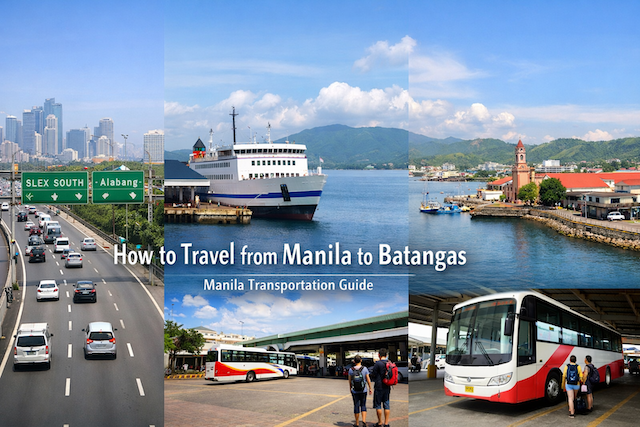
How to Travel from Manila to Batangas: Manila Transportation Guide
Batangas is one of the most accessible and popular destinations from Manila. Known for its beaches, dive spots, ferry ports, and proximity to destinations like Puerto Galera, Anilao, and Mindoro, Batangas attracts weekend travelers, divers, business travelers, and locals alike. Fortunately, traveling from Manila to Batangas is straightforward, with multiple transportation options depending on budget, comfort, and final destination.
This guide explains all major ways to travel from Manila to Batangas, including buses, private cars, taxis, Grab, vans, and ferries, with practical tips for first-time travelers.
Overview: Distance and Travel Time from Manila to Batangas
Batangas Province is located south of Metro Manila in the CALABARZON region.
Travel time varies greatly based on:
-
Time of day
-
Day of the week (weekends and holidays are much slower)
-
Traffic conditions on SLEX and STAR Tollway
-
Final destination (Batangas City, Anilao, Nasugbu, Mabini, etc.)
Option 1: Bus from Manila to Batangas (Most Common Choice)
Taking a bus is the most popular and cost-effective way to travel from Manila to Batangas. Buses run frequently throughout the day and serve multiple towns and cities in Batangas.
Major Bus Companies Serving Batangas
-
JAM Liner
-
Ceres Transport
-
ALPS The Bus
-
DLTB Co.
-
San Agustin Transport
These companies operate air-conditioned and non-air-conditioned buses.
Major Bus Terminals in Metro Manila
-
Buendia (Taft Avenue, Pasay) – Most common departure point
-
Cubao (Quezon City) – Good for travelers from northern Metro Manila
-
Alabang – Shorter travel time since it is closer to SLEX
Common Bus Routes and Destinations
Always confirm the exact destination before boarding, as Batangas Province is large.
Bus Fare and Travel Time
Pros and Cons of Taking the Bus
Pros
-
Cheapest option
-
Frequent departures
-
No need to drive
Cons
Option 2: Bus + Jeepney or Tricycle (For Remote Destinations)
If your final destination is not directly served by buses (such as Anilao resorts or small coastal towns), you may need to transfer after arriving in Batangas.
Typical Transfer Flow
-
Bus from Manila to Batangas City or Lipa
-
Jeepney, van, or tricycle to the final destination
Example Destinations Requiring Transfers
-
Anilao
-
Mabini
-
Tingloy (requires ferry)
-
Remote beach resorts
This option is still affordable but requires more planning.
Option 3: Private Car (Fastest and Most Flexible)
Driving from Manila to Batangas is ideal for travelers who want flexibility, comfort, or are traveling as a group.
Recommended Route
-
South Luzon Expressway (SLEX)
-
STAR Tollway
-
Exit toward Batangas City, Lipa, or other towns
Travel Time by Car
Estimated Costs
-
Fuel: PHP 1,500–2,500 (round trip)
-
Toll fees: PHP 300–500 (one way)
Pros and Cons
Pros
Cons
Option 4: Taxi or Grab (Convenient but Expensive)
Taxis and Grab cars can take you directly from Manila to Batangas, though this option is best suited for travelers prioritizing convenience over cost.
Estimated Fare
-
Taxi: PHP 4,000–6,000 (metered + tolls)
-
Grab: PHP 3,500–6,500 (depending on demand)
When This Option Makes Sense
Important Tips
-
Confirm toll fees are included
-
Use Grab when possible for transparent pricing
-
Avoid negotiating with random street taxis
Option 5: Van or Shuttle Services
Some areas offer van services or point-to-point shuttles, especially from Alabang or nearby hubs.
Where to Find Vans
Pros and Cons
Pros
Cons
-
Less legroom
-
Fixed schedules
-
Limited luggage space
Option 6: Ferry Connections via Batangas Port
Batangas City is one of the Philippines’ largest ferry hubs. Many travelers pass through Batangas en route to island destinations.
Popular Ferry Routes from Batangas Port
If you are connecting to a ferry, always allow extra buffer time due to traffic delays.
Best Departure Point in Manila
Choosing the right departure terminal can save significant time.
-
Staying in Makati or Pasay: Buendia terminals
-
Staying in Quezon City: Cubao terminals
-
Staying in southern Metro Manila: Alabang terminals
Alabang departures often reduce travel time since they are closer to SLEX.
Best Time to Travel from Manila to Batangas
Timing matters greatly when traveling south.
Best Times
Times to Avoid
Travel Tips for a Smooth Trip
-
Always confirm the bus destination before boarding
-
Bring small bills for fares and transfers
-
Use navigation apps to monitor traffic conditions
-
Allow extra travel time if catching a ferry
-
Avoid peak holiday travel when possible
Safety and Comfort Considerations
-
Use reputable bus companies
-
Keep valuables secure
-
Avoid unmarked vans
-
Stay alert during transfers
-
Choose air-conditioned buses for long trips
Which Option Is Best for You?
-
Budget traveler: Bus
-
First-time visitor: Bus or Grab
-
Family or group: Private car or Grab
-
Beach resort stay: Bus + transfer or private car
-
Ferry connection: Early bus or private car
Final Thoughts
Traveling from Manila to Batangas is relatively easy compared to other provincial routes in the Philippines. With frequent buses, good highways, and multiple transportation options, travelers can choose based on budget, comfort, and schedule.
Whether you are heading to Batangas City, a dive resort in Anilao, or catching a ferry to another island, planning ahead and choosing the right transport option will ensure a smooth and stress-free journey.
FAQs (Frequently Asked Questions)
How far is Batangas from Manila?
Batangas Province is roughly 100 to 120 kilometers south of Metro Manila, depending on your exact destination. Batangas City is one of the most common endpoints because it has a major bus terminal and a large seaport. Travel time can range from about 2.5 hours on a smooth off-peak trip to 4.5 hours or more during heavy traffic, weekends, or holidays. If you are going to coastal areas like Anilao (Mabini) or Nasugbu, expect additional travel time after reaching the main Batangas highways.
What is the easiest way to travel from Manila to Batangas?
For most travelers, the easiest option is taking an air-conditioned bus from a major Manila terminal (such as Buendia/Pasay, Cubao, or Alabang) to Batangas City Grand Terminal or to another key city like Lipa. Buses are frequent, relatively affordable, and straightforward even for first-time visitors. If you want door-to-door convenience, traveling by private car or booking a ride-hailing car can be easier, but it is significantly more expensive than the bus.
Which bus terminals in Manila have routes to Batangas?
Common departure points include Buendia (Taft Avenue area in Pasay/Manila border), Cubao (Quezon City), and Alabang (Muntinlupa). Buendia is popular because it has many bus company terminals in one area and frequent departures. Cubao is convenient if you are staying in northern Metro Manila. Alabang is a good choice if you are already in the south, and it can reduce total travel time because you are closer to the expressway entry points.
Do I need to book bus tickets in advance?
On regular weekdays, many travelers buy tickets at the terminal shortly before departure. However, booking in advance is a smart idea during peak periods such as long weekends, Christmas season, and Holy Week, when queues can be long and buses can sell out. If you plan to catch a ferry at Batangas Port, advance planning is even more important because delays can disrupt your connection. When in doubt, travel early and allow buffer time.
How much is the bus fare from Manila to Batangas?
Bus fares vary by route, bus type, and terminal, but a typical air-conditioned bus fare to Batangas City or Lipa often falls in the range of around PHP 200 to PHP 350. Longer routes or premium services may cost more. If you are transferring onward to a resort area via jeepney, van, or tricycle, you should budget extra cash for those local rides. It is also helpful to carry small bills to make payments easier.
How do I get to Batangas Port if I’m traveling to Puerto Galera or Mindoro?
The most common approach is to take a bus from Manila to Batangas City Grand Terminal, then transfer to a local ride heading to Batangas Port. Some buses may pass near the port area, but the simplest method for first-time travelers is to go to the Grand Terminal and ask for the correct transport option to the port. If you are on a tight schedule for a ferry, consider traveling very early in the morning to reduce the risk of traffic delays on the way down from Manila.
Is it better to travel by private car than by bus?
A private car is usually better if you value flexibility, want to make stops, or are traveling as a group where costs can be shared. It can also be more comfortable if you have a lot of luggage. However, the bus is often better for solo travelers and budget-focused trips. The biggest downside of driving is dealing with traffic, tolls, and parking—especially in beach areas where parking can be limited. Your “best” option depends on budget, group size, and final destination.
Can I use Grab from Manila to Batangas?
In many cases, you can book a ride-hailing car for a long-distance trip, but availability and pricing depend on demand, location, and time of day. Long trips can be expensive and may be affected by surge pricing. If you do book a ride-hailing car, confirm the pickup point, check the estimated fare, and be ready for the possibility that drivers may prefer shorter trips. For travelers who want predictable costs, the bus remains the most reliable option.
What is the fastest route by car?
The fastest typical route from Metro Manila to central Batangas areas uses SLEX (South Luzon Expressway) and then STAR Tollway. This combination is generally smoother and more direct than taking smaller highways. Still, the “fastest” route can change based on real-time traffic, accidents, or road works. If you are driving, it helps to check navigation apps before departure and again during the trip so you can adjust as needed.
What time should I leave Manila to avoid traffic?
Leaving very early—often between 4:00 AM and 6:00 AM—can significantly reduce travel time, especially on weekends. Late evening departures can also help you avoid rush hours, but you should consider safety and availability of transfers if you arrive late. Avoid Friday afternoons, Saturday mornings, and holiday peak periods when southbound traffic is heavy. If your schedule is fixed, add buffer time so you do not feel pressured to rush.
Is it safe to travel from Manila to Batangas at night?
Many people travel at night, and expressways are generally well-used. Still, it is safer to choose reputable bus companies or well-rated ride-hailing options and to avoid unmarked vehicles. If you are taking the bus, keep valuables close and remain aware during stops. If you are driving, make sure you are rested and plan for fuel and rest stops. Arriving late can also limit transport options to remote destinations, so consider whether you need to continue onward or stay near a main terminal.
What should I do if my destination is Anilao or a resort area in Mabini?
Anilao and many Mabini resorts are not always served directly by long-distance buses from Manila. A common strategy is to travel by bus to Batangas City Grand Terminal, then take a jeepney, van, or tricycle to Mabini or directly toward your resort area. If you have dive gear or multiple bags, you may prefer arranging a private transfer from Batangas City for convenience. Always confirm directions locally because routes and loading points can vary.