2025年12月23日
3D ACADEMY offers affordable English study programs in Cebu, Philippines – perfect for beginners, professionals, and exam takers.

3D UNIVERSAL ENGLISH INSTITUTE INC
info.3d-universal.com
8:00-17:00(Mon-Fri)
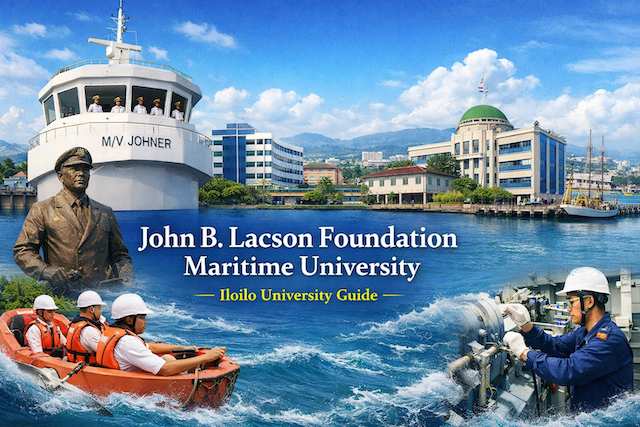
John B. Lacson Foundation Maritime University (JBLFMU): Iloilo University Guide
Contents
- John B. Lacson Foundation Maritime University (JBLFMU): Iloilo University Guide
- Overview: What JBLFMU Is Known For
- Quick Facts You Should Know
- Where It Is in Iloilo and Why Location Matters
- Campuses and Training Sites: Understanding the JBLFMU System
- Academic Programs: What You Can Study at JBLFMU
- What Student Life Feels Like at a Maritime University
- Admissions: Typical Requirements and What to Prepare
- Cost Planning: What Families Often Underestimate
- Facilities and Training Culture: What to Look For When You Visit
- Career Outcomes: What Graduates Typically Do
- Who JBLFMU Is Best For
- Practical Tips Before You Decide
- Summary: Why JBLFMU Matters in Iloilo’s Education Landscape
- Frequently Asked Questions (FAQs)
- Is John B. Lacson Foundation Maritime University (JBLFMU) a good choice for maritime education in Iloilo?
- What programs are commonly associated with JBLFMU?
- Does JBLFMU have multiple campuses in Iloilo?
- What are the typical admission requirements for maritime programs?
- Do students need to pass medical or vision tests to enroll?
- What is student life like at a maritime university compared to a typical college?
- What extra costs should families plan for aside from tuition?
- Does JBLFMU help students find shipboard training or career opportunities?
- How can I decide if the deck or engine pathway is right for me?
- What should I do before enrolling to increase my chances of success?
John B. Lacson Foundation Maritime University (JBLFMU): Iloilo University Guide
Overview: What JBLFMU Is Known For
John B. Lacson Foundation Maritime University (JBLFMU) is one of Iloilo City’s most recognized private institutions, best known for maritime education and training. If you’re aiming for a seafaring career (deck, engine, or related maritime professions), JBLFMU is often shortlisted because maritime is its core identity—supported by structured training, a long institutional history, and a system that includes multiple campuses and a dedicated training center.
JBLFMU’s main presence in Iloilo is strongly associated with the Molo area, and the school is widely familiar to Ilonggos due to the steady flow of maritime students and seafarer families across the region. Even if you are not entering a classic “deck or engine” pathway, the university has grown to include related programs aligned with maritime-adjacent industries (for example, cruise, hospitality, and tourism-facing roles that connect to shipping and international service work).
This guide explains what to expect as a prospective student (or parent): academic options, admissions flow, campus environment, training culture, costs and planning considerations, and practical tips for choosing the right track.
Quick Facts You Should Know
JBLFMU is a private, non-sectarian institution based in Iloilo City with a long history in maritime education. It traces its origins to maritime review and training initiatives that eventually developed into a formal academy and later expanded into a university system. Over the decades, the institution positioned itself as a specialized maritime university with both academic instruction and skills-based training support.
You’ll also hear JBLFMU referenced as a system with multiple components: Iloilo-based campuses, a training center, and practicum sites used for hands-on exercises. This matters because maritime education is not only classroom learning—your readiness for onboard life depends on routines, discipline, safety procedures, drills, and certifications, which require facilities and a training ecosystem.
Where It Is in Iloilo and Why Location Matters
JBLFMU is strongly identified with Iloilo City, and many students choose it because they want a serious maritime environment without leaving the region. Iloilo’s setting is a practical advantage: it is a regional hub with access to ports, inter-island travel routes, and a strong seafaring culture. That ecosystem supports a steady pipeline of maritime-oriented opportunities, communities, and services (medical checks, training requirements, and student housing options).
When you evaluate JBLFMU, treat location as more than convenience. Maritime programs typically require early schedules, uniform compliance, physical readiness, and frequent campus-based activities. Living too far away can become a daily burden, so your commuting plan (or boarding plan) should be part of your decision from the start.
Campuses and Training Sites: Understanding the JBLFMU System
A common mistake is thinking JBLFMU is a single campus with one routine. In practice, JBLFMU operates as a system that includes multiple academic campuses and training facilities. As a student, you may primarily belong to one campus, but your training requirements can connect you to other parts of the system depending on your program.
Here’s how to think about it:
-
Molo Campus (Iloilo City): Often treated as the system’s main hub in Iloilo and widely recognized as a core maritime campus environment. Students associate it with a strong maritime culture and training discipline.
-
Arevalo Campus (Iloilo City): Another major campus within the system. Some programs and graduate offerings are associated with this campus depending on the year and the school’s structure.
-
Training Center: Maritime education often requires competency-based training and safety courses. Training centers are important for certifications, assessments, and practical preparation.
-
Practicum / Field Sites (including sites outside Iloilo City): Maritime programs frequently include practicum exercises and controlled environments used for drills and applied training.
When you apply, confirm which campus is your “home” campus for your chosen program and which training requirements apply later. This helps you plan transport, budgeting, and schedule intensity.
Academic Programs: What You Can Study at JBLFMU
JBLFMU is primarily maritime-focused, but students can find options that fit different strengths and career directions. In many maritime schools, the structure is clearer if you group programs by career outcome rather than by course title alone.
1) Traditional Seafaring Tracks (Deck and Engine)
These tracks are designed for students who want to work onboard ships in operational roles.
-
Deck pathway (commonly linked to navigation, seamanship, ship operations, cargo handling, and watchkeeping)
-
Engine pathway (commonly linked to marine engineering systems, engine room operations, maintenance, and technical watchkeeping)
These programs are usually the most physically and procedurally demanding because they align closely with international maritime standards, onboard readiness, and licensing or competency expectations.
2) Maritime-Adjacent Tracks (Cruise, Services, and Global Hospitality)
Modern maritime education is not only about cargo vessels. Many students want careers connected to cruise operations and international service roles. Maritime universities sometimes offer programs aligned with cruise ship work, hospitality service management, and related tourism-facing paths.
If you’re considering this category, evaluate two things carefully:
-
How the curriculum connects to real employment pipelines (shipboard or global hospitality).
-
Whether the school’s training culture fits you (some students prefer strong discipline; others prefer a more conventional campus atmosphere).
3) Senior High and Preparatory Programs (Where Applicable)
Some maritime institutions include senior high offerings and preparatory programs that align students early with maritime discipline, basic seamanship exposure, and readiness routines. If you are a parent exploring SHS options, ask about:
-
Whether there are seamanship exposure modules
-
Whether the program includes trips, drills, or practical orientations
-
Whether students are filtered for medical or vision-related suitability early
What Student Life Feels Like at a Maritime University
JBLFMU’s student culture is often described as structured. Even if you are in a non-deck pathway, you will still feel that maritime identity across campus.
Expect some or all of the following:
-
Uniform and grooming standards (common in maritime institutions)
-
Discipline and punctuality emphasis
-
Physical readiness expectations for certain programs
-
Training-related schedules that go beyond typical lecture hours
This environment is a strong fit for students who want routine, clear rules, and a profession-first mindset. If you prefer a loose, flexible college environment, you should consider whether you can adapt—or choose a program track that matches your personality.
Admissions: Typical Requirements and What to Prepare
Admissions for maritime-oriented programs often include steps that go beyond standard college intake. While details vary by program and year, applicants should be ready for a process that may include:
-
Application and entrance evaluation (entrance exam or assessment)
-
Academic documents (high school records, good moral certificate, and standard school forms)
-
Identity documents (birth certificate and ID photos)
-
Medical requirements (common in maritime programs)
-
Vision-related screening (maritime roles often require color vision screening, depending on the pathway)
A practical tip: if you are choosing between a deck-related pathway and a non-deck pathway, confirm the medical and vision requirements early. Some students discover late that a specific condition limits their eligibility for certain onboard roles, so it’s better to know before you commit.
Cost Planning: What Families Often Underestimate
Tuition and fees can vary widely depending on program, year level, lab usage, and training requirements. In maritime education, families often underestimate “hidden” cost categories, such as:
-
Uniform sets and replacements
-
Training fees and competency courses
-
Medical exams and recurring medical clearances
-
Transportation for training schedules or practicum requirements
-
Licensing-related review or assessment costs later on
If your budget is tight, ask the school early about:
-
Payment plans
-
Scholarship options (if available)
-
Which costs are one-time vs recurring
-
Which year level becomes most expensive (often mid-to-late program years)
Facilities and Training Culture: What to Look For When You Visit
When you tour a maritime university, don’t only look at classrooms. Look for evidence of training seriousness. Ask about:
-
Where students practice drills and applied procedures
-
How safety training is integrated into the academic calendar
-
Whether students undergo structured assessments
-
How the school supports competency readiness (not just grades)
A good sign is when staff can clearly explain how training outcomes align with career readiness, and how students are supported from first year to graduation.
Career Outcomes: What Graduates Typically Do
A JBLFMU education is generally chosen for employability in maritime and global service pathways. Typical directions include:
-
Shipboard careers (deck or engine pathways)
-
Technical maritime roles (maintenance, safety, operations support)
-
Cruise and international service roles (for relevant programs)
-
Shore-based maritime support industries (logistics, port-related work, maritime services)
-
Continued training and certifications through training centers or partner pathways
Your best strategy is to pick your target outcome first, then work backward:
-
What job do you want within 3–5 years?
-
Which program track best matches that job?
-
What are the medical, academic, and training requirements to stay eligible?
Who JBLFMU Is Best For
JBLFMU tends to be a strong match for:
-
Students who want a profession-first college experience
-
Students who respond well to structure and discipline
-
Students aiming for seafaring or maritime-linked global work
-
Families who want a school with a clear industry identity (rather than a generalist university)
It may be less ideal if you want a broad liberal arts environment or you strongly prefer a typical “campus freedom” culture.
Practical Tips Before You Decide
-
Choose the outcome first: deck, engine, cruise/service, or a related track. Don’t choose based on what friends are taking.
-
Do medical and vision checks early if you are targeting classic seafaring roles.
-
Plan your housing and commute around early schedules and training intensity.
-
Ask about training milestones per year level so you can forecast workload and cost.
-
Talk to current students (if you can) about weekly routines, not just the brochure.
Summary: Why JBLFMU Matters in Iloilo’s Education Landscape
In Iloilo, JBLFMU stands out because it is not trying to be everything. It is defined by maritime education and the professional culture that comes with it. For students who want a direct, structured path into maritime and related global careers, it can be a strategic choice—especially if you commit to the discipline, plan your medical eligibility early, and budget realistically for training-related requirements.
If you want, I can also write the matching FAQs section in English HTML (H2 headings only, no schema, no CSS) in the same format you’ve been using for your Iloilo University Guide series.
Frequently Asked Questions (FAQs)
Is John B. Lacson Foundation Maritime University (JBLFMU) a good choice for maritime education in Iloilo?
JBLFMU is widely recognized in Iloilo and across the Philippines for its strong maritime focus. It is best suited for students who want a structured learning environment and a clear pathway into maritime-related careers. Many students choose JBLFMU specifically because the campus culture is aligned with maritime training expectations: discipline, routines, safety awareness, and practical preparation. That said, “good” depends on your personal fit. If you are comfortable with uniform standards, punctuality, and training-heavy schedules, you are more likely to thrive. If you prefer a more flexible, general university atmosphere, you may find maritime-school routines demanding.
What programs are commonly associated with JBLFMU?
JBLFMU is primarily known for maritime programs that lead to deck and engine career pathways. These tracks typically emphasize navigation, seamanship, ship operations, or marine engineering systems, depending on the route. In addition to traditional maritime tracks, some students look for related programs connected to global service industries, including cruise-facing or hospitality-aligned options (availability can vary by campus and academic year). When choosing a program, focus on your target outcome first—shipboard roles, technical maritime work, or maritime-adjacent careers—then confirm the exact degree title and curriculum offered for the current intake.
Does JBLFMU have multiple campuses in Iloilo?
JBLFMU is commonly described as a system with more than one campus and with training facilities that support maritime requirements. In Iloilo, students often associate the school with a strong presence in the city and with a training ecosystem that goes beyond regular classroom instruction. Because maritime education may require specific laboratories, drills, and competency-based training, students can experience a combination of academic classes and training sessions. If you are applying, it is important to confirm which campus your program belongs to, where your main classes will be held, and where training requirements will take place. This helps you plan commuting time and weekly schedules.
What are the typical admission requirements for maritime programs?
Admission requirements vary by program, but maritime-oriented tracks often include extra screening compared to general college courses. You should expect standard academic documents (such as school records and certificates) plus assessment steps like entrance exams or interviews, depending on the school’s process. Many maritime applicants should also prepare for medical requirements, which may include physical exams and other fitness-related clearances. Some tracks may require vision checks, including screenings related to color vision, because certain shipboard roles have strict safety and operational standards. The best approach is to prepare early and confirm the current requirements directly through official school channels.
Do students need to pass medical or vision tests to enroll?
For many maritime pathways, medical fitness and vision screening can be important. Even when they are not strict “pass/fail” at the earliest stage, students may later need medical clearance for training, practicum, or shipboard preparation. Because different roles have different standards, students should not assume that every program has identical health requirements. If your goal is a traditional seafaring role, it is wise to do basic medical and vision checks early so you do not invest time and money only to discover a limitation later. If you have a known condition, ask about how it may affect eligibility for specific career tracks.
What is student life like at a maritime university compared to a typical college?
Maritime universities often feel more structured than typical colleges. Students may follow strict schedules, wear uniforms, and follow grooming standards. There may be training routines that require early attendance, drill participation, or compliance with safety protocols. This environment can be motivating for students who prefer clear rules and professional routines. It can also be challenging for students who are used to flexible schedules or who do not enjoy strict discipline. A practical way to evaluate fit is to ask current students about daily routines: what time classes start, how often training happens, and how much time is spent on compliance-related tasks beyond normal lectures.
What extra costs should families plan for aside from tuition?
Maritime education can include cost categories that are easy to overlook. Beyond tuition and basic school fees, students may need uniforms, shoes, grooming items, and replacement sets over time. Training-related costs can include practical course fees, safety training, and competency assessments. Medical exams, lab requirements, and transportation to training sessions can also add up. Some students also budget for review materials later, depending on their pathway and licensing needs. To plan well, ask for a clear breakdown of expected costs per year level, and identify which costs are one-time (such as initial uniforms) versus recurring (such as periodic medical clearances).
Does JBLFMU help students find shipboard training or career opportunities?
Maritime schools generally aim to prepare students for employment, but the nature of “help” can vary. Some support may come through career guidance, training preparation, and assistance in meeting competency requirements. However, students should still take ownership of their performance, professionalism, and readiness. In maritime careers, employers often look for discipline, safety awareness, and proven competence, not only a diploma. If you are evaluating JBLFMU, ask how the school supports students in preparing for practicum requirements, what standards students must meet, and what common career outcomes are for graduates. This gives you a realistic view of what to expect.
How can I decide if the deck or engine pathway is right for me?
The deck pathway is typically aligned with navigation, ship operations, cargo handling, and watchkeeping duties on the bridge. The engine pathway is typically aligned with technical systems, maintenance, machinery operations, and watchkeeping in the engine room. Your strengths and interests matter: if you enjoy technical systems, hands-on mechanical work, and troubleshooting, the engine route may fit. If you prefer navigation, operations coordination, and procedures tied to ship movement and safety, the deck route may fit. If possible, talk to students from both tracks and ask about daily training routines and long-term career goals.
What should I do before enrolling to increase my chances of success?
Start by confirming your target career outcome and matching it with the correct program track. Prepare your documents early and review the admission steps so you do not miss deadlines. If you are aiming for a shipboard role, consider doing preliminary medical and vision checks. Plan your commute or housing carefully, because punctuality and early schedules can affect performance. Finally, build habits that support structured learning: consistent sleep schedules, time management, and physical readiness if your pathway requires it. Success in maritime education often comes from steady discipline over time, not last-minute effort.
Iloilo University Guide: Best Schools, Admissions, Tuition Fees, and Student Life
Iloilo Universities & Colleges — Complete List (City & Province)

How to Register for eTravel Philippines (2025 Guide)
Step-by-step guide to completing your eTravel registration before arriving in the Philippines, with images and tips.

Night Market in Cebu – Things You Don’t Know About Cebu Life
Discover the hidden charm of Cebu’s night markets, from street food stalls to local life tips you won’t find in tourist guides.

How to Use ChatGPT for IELTS Preparation: A Complete Guide
Learn how to prepare for IELTS using ChatGPT — including strategies for Writing, Reading, Listening, Speaking, and grammar support.

How to Build a Website Without Coding Using ChatGPT
Discover how to build your own website using AI—no coding skills needed. From structure planning to SEO and design, let ChatGPT guide you.