2026年4月5日
3D ACADEMY offers affordable English study programs in Cebu, Philippines – perfect for beginners, professionals, and exam takers.

3D UNIVERSAL ENGLISH INSTITUTE INC
info.3d-universal.com
8:00-17:00(Mon-Fri)
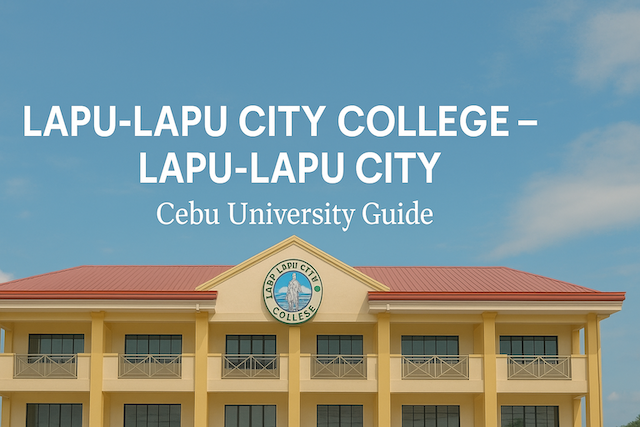
Lapu-Lapu City College – Lapu-Lapu City
Contents
- Lapu-Lapu City College – Lapu-Lapu City: Cebu University Guide
- Overview of Lapu-Lapu City College
- Location and Campus Environment
- Academic Programs Offered
- Admission Requirements
- Tuition Fees and Financial Assistance
- Facilities and Learning Resources
- Student Life at LLCC
- Internships and Career Opportunities After Graduation
- Why Choose Lapu-Lapu City College?
- Tips for Aspiring LLCC Students
- Conclusion
- FAQs (Frequently Asked Questions)
- Where is Lapu-Lapu City College located?
- What types of degree programs does Lapu-Lapu City College offer?
- Is Lapu-Lapu City College a public or private institution?
- How much is the tuition at Lapu-Lapu City College?
- Does LLCC offer free tuition or scholarships?
- What are the basic admission requirements for new students?
- Is there an entrance exam for Lapu-Lapu City College?
- What is student life like at Lapu-Lapu City College?
- What facilities can students expect on campus?
- What career opportunities do LLCC graduates have?
- Is Lapu-Lapu City College a good choice for working students?
- How can I stay updated about announcements and enrollment schedules?
Lapu-Lapu City College – Lapu-Lapu City: Cebu University Guide
Lapu-Lapu City College (LLCC) is one of the key public higher education institutions in Lapu-Lapu City, offering accessible, career-oriented programs designed to support both local students and working professionals. As part of this Cebu University Guide series, this article provides a comprehensive look at LLCC’s academic offerings, campus environment, admission process, and student life. Whether you are a high school graduate, a transferee, or a professional seeking advancement, this guide will help you understand if LLCC is the right fit for your educational goals.
Overview of Lapu-Lapu City College
Lapu-Lapu City College is a city-funded institution established to provide affordable, high-quality education to residents of Lapu-Lapu City and neighboring areas. Known for its practical curriculum and community-centered approach, LLCC focuses on producing graduates equipped with skills relevant to local industries such as tourism, business administration, education, and public service.
The college has steadily expanded its programs and facilities over the years, reflecting the rapid growth of Lapu-Lapu City as a major economic and tourism hub in the region. Its mission is centered on inclusivity—ensuring that higher education is accessible to students from all backgrounds.
Location and Campus Environment
LLCC is located in Lapu-Lapu City, one of the most dynamic cities in Metro Cebu. The campus is accessible from major transportation routes and is near schools, government offices, and commercial establishments.
Key Features of the Campus Environment
-
Urban yet community-oriented – While situated in a bustling city, the campus maintains a small-community feel.
-
Accessible commuting options – Students can easily reach the campus via jeepneys, tricycles, and other local transport.
-
Nearby key establishments – Government centers, dining spots, and residential areas are within minutes from the campus.
The overall environment is conducive to students who prefer a practical, connected location for their education.
Academic Programs Offered
Lapu-Lapu City College offers degree programs tailored to local employment needs, along with certifications and continuing education options. While offerings may expand or change over time, the core programs include:
Bachelor of Secondary Education (BSEd)
Ideal for students aiming to become educators in junior and senior high schools. The program includes teacher education, instructional design, and practicum experiences.
Bachelor of Elementary Education (BEEd)
Designed for aspiring elementary school teachers, providing strong foundations in pedagogy and child development.
Business Administration Programs
Typically includes majors such as:
-
Marketing Management
-
Financial Management
-
Human Resource Development
These programs equip students with business and management skills in line with Cebu’s growing commercial and service industries.
Hospitality and Tourism Programs
Given Lapu-Lapu City’s prominence in tourism, LLCC provides programs focused on hospitality, tourism management, and service excellence.
Public Administration
A strong option for those preparing for careers in government service or community leadership.
Note: Program availability may vary per academic year, and students are encouraged to confirm updated offerings directly with the college.
Admission Requirements
Lapu-Lapu City College maintains an accessible admission process that supports both fresh graduates and non-traditional learners.
For Incoming First-Year Students
-
Completed application form
-
Original Form 138 (Report Card)
-
Good Moral Certificate
-
PSA Birth Certificate
-
2×2 or passport-size photos
-
Proof of residency (if required for tuition subsidy)
For Transferees
-
Transcript of Records or Copy of Grades
-
Honorable Dismissal
-
Good Moral Certificate
-
Course Description for evaluation
For Returning Students
-
Student ID or previous enrollment record
-
Updated admission records (if needed)
For Graduate or Certificate Programs
-
Requirements vary depending on program
-
May include additional documents such as employment certificates
The college typically announces application periods via their official Facebook Page or city education office.
Tuition Fees and Financial Assistance
As a public city college, LLCC offers significantly lower tuition fees compared to private institutions in Cebu. Many qualified students can enjoy free tuition through government programs such as:
-
UniFAST / Free Higher Education Act
-
Local scholarship programs
-
TES (Tertiary Education Subsidy), if applicable
-
City-funded student assistance programs
Students may also seek additional support through CHED and local government scholarships.
Facilities and Learning Resources
Lapu-Lapu City College offers standard facilities that support student learning and campus life.
Key Facilities
-
Classrooms – Modernized and ventilated learning rooms
-
Library – With books, digital resources, and study areas
-
Computer Laboratories – Available for IT-related and general academic requirements
-
Multipurpose Areas – Used for assemblies, events, and program activities
-
Administrative Offices – For enrollment, guidance, and student services
The college continues to improve its infrastructure to match the evolving academic needs of students.
Student Life at LLCC
LLCC fosters a balanced academic experience, where students can engage in organizations, leadership opportunities, and community initiatives.
Student Organizations
Available clubs often include:
-
Education Clubs
-
Business and Tourism Societies
-
Performing Arts Groups
-
Campus Ministry or Faith-Based Groups
-
Student Government
These organizations help students develop leadership, teamwork, and social skills.
Events and Activities
The college hosts various events throughout the year, such as:
-
Foundation Day
-
Intramurals
-
Cultural shows
-
Seminars and workshops
-
Community outreach programs
These activities strengthen camaraderie and enrich the student experience.
Internships and Career Opportunities After Graduation
Given the city’s strong tourism, business, and education sectors, LLCC graduates can pursue career paths such as:
For Education Programs
-
Public or private school teacher
-
Tutor or learning assistant
-
Education program facilitator
For Business Programs
-
Sales and marketing roles
-
Finance or accounting assistant positions
-
Administrative and HR support roles
For Hospitality and Tourism Programs
-
Hotel operations staff
-
Guest relations
-
Travel and tourism services
For Public Administration Graduates
-
Local government office staff
-
Public sector assistant
-
Administrative roles
Because of LLCC’s community-focused ethos, many graduates find employment within Lapu-Lapu City and the wider Cebu region.
Why Choose Lapu-Lapu City College?
Lapu-Lapu City College appeals to students who seek quality education without high tuition costs. It is especially suitable for:
-
Lapu-Lapu City residents who prefer studying close to home
-
Students looking for affordable, practical degree programs
-
Those aiming for careers in teaching, business, tourism, or public service
-
Individuals who appreciate a community-centered academic environment
The combination of accessibility, affordability, and relevance makes LLCC a solid choice for many learners.
Tips for Aspiring LLCC Students
To improve your chances of successful enrollment, consider the following:
-
Follow LLCC’s official Facebook page for announcements
-
Prepare all documents early
-
Apply during the first days of enrollment to avoid long lines
-
Attend orientation sessions for program insights
-
Explore scholarship opportunities available through the city or the national government
Planning ahead helps streamline your application and transition into college life.
Conclusion
Lapu-Lapu City College plays a vital role in expanding educational opportunities in Lapu-Lapu City. Its affordable programs, community-centered mission, and practical academic offerings make it a strong option for students who value accessible higher education. Whether your goal is to become a teacher, business professional, tourism specialist, or public servant, LLCC provides pathways that help you move closer to your career aspirations.
If you are considering studying in Metro Cebu and want a balance of affordability and quality, Lapu-Lapu City College is worth exploring.
FAQs (Frequently Asked Questions)
Where is Lapu-Lapu City College located?
Lapu-Lapu City College (LLCC) is located in Lapu-Lapu City, within Metro Cebu. The campus is accessible via main roads and common local transport such as jeepneys and tricycles. It is close to government offices, commercial establishments, and residential areas, making it convenient for students who live or work in the city and nearby barangays.
What types of degree programs does Lapu-Lapu City College offer?
LLCC offers a range of undergraduate programs designed to meet the needs of the local community and industries. Common program areas include Education (Elementary and Secondary), Business Administration, Hospitality and Tourism, and Public Administration. The college focuses on practical, skills-based learning that prepares students for jobs in schools, businesses, hotels, government offices, and related sectors.
Is Lapu-Lapu City College a public or private institution?
Lapu-Lapu City College is a local public college funded and supported by the city government. As a city college, its mission is to provide accessible and affordable higher education to residents of Lapu-Lapu City and neighboring areas. Because it is public, tuition is generally lower than in private colleges and universities in Cebu.
How much is the tuition at Lapu-Lapu City College?
Tuition fees at LLCC are typically more affordable than private institutions, and many students may qualify for free tuition under national and local government programs. Exact amounts can vary by program and semester, but in general, students pay minimal fees for registration, laboratory use, or other school services. For current fee structures, it is best to check directly with the college’s registrar or official announcements.
Does LLCC offer free tuition or scholarships?
Yes, many students at LLCC may benefit from free tuition through government initiatives such as the Free Higher Education Act, UniFAST, or the Tertiary Education Subsidy, depending on eligibility and available slots. There may also be city-funded scholarships or assistance for academically strong or financially needy students. Applicants should inquire with the school’s scholarship or student affairs office for updated opportunities.
What are the basic admission requirements for new students?
For incoming first-year students, the usual requirements include a completed application form, high school report card (Form 138 or equivalent), Good Moral Certificate, PSA Birth Certificate, and ID photos. Some programs may require additional documents or entrance screening. Requirements for transferees and returning students may differ, especially regarding transcripts and honorable dismissal papers.
Is there an entrance exam for Lapu-Lapu City College?
Admission policies can change over time, and some programs may require placement tests or screening. In some years, the college may implement entrance exams or interviews to manage enrollment and ensure program fit. Because of this, applicants should always check the latest admission announcements on the official channels of LLCC or contact the registrar’s office directly.
What is student life like at Lapu-Lapu City College?
Student life at LLCC is generally community-oriented and practical. Learners can join student organizations related to their program, such as education societies, business clubs, tourism groups, student government, or cultural and performing arts groups. The college also holds activities like intramurals, seminars, outreach programs, and foundation events that allow students to build friendships and develop leadership and social skills.
What facilities can students expect on campus?
The college provides essential academic facilities, including classrooms, a library, computer laboratories, and multipurpose areas for events. There are also administrative offices for enrollment, guidance, and student services. While facilities may not be as large as those of big private universities, LLCC continues to improve its infrastructure to support teaching, learning, and student activities.
What career opportunities do LLCC graduates have?
Career options depend on the chosen program. Education graduates can work as teachers or teaching assistants in public and private schools. Business graduates may find roles in sales, marketing, finance, or office administration. Hospitality and tourism graduates can work in hotels, resorts, restaurants, and travel-related services. Public Administration graduates are suited for roles in local government units and public service offices. Many graduates start their careers within Lapu-Lapu City and the wider Cebu region.
Is Lapu-Lapu City College a good choice for working students?
LLCC can be a practical choice for working students because it is located within the city and tuition is affordable. Some programs may offer schedules that are manageable for those who already have jobs, though this depends on the specific course and semester. Working students are encouraged to discuss their situation with the college or program head to explore schedule options and support services.
How can I stay updated about announcements and enrollment schedules?
The most reliable way to stay updated is to follow Lapu-Lapu City College’s official communication channels, such as their Facebook page or notices from the city government’s education office. Enrollment periods, admission requirements, scholarship announcements, and schedule changes are usually posted there. You can also visit the campus or contact the registrar or student affairs office for direct assistance.
Philippines University Guide
Cebu University Guide
Cebu Province All Universities Lists

How to Register for eTravel Philippines (2025 Guide)
Step-by-step guide to completing your eTravel registration before arriving in the Philippines, with images and tips.

Night Market in Cebu – Things You Don’t Know About Cebu Life
Discover the hidden charm of Cebu’s night markets, from street food stalls to local life tips you won’t find in tourist guides.

How to Use ChatGPT for IELTS Preparation: A Complete Guide
Learn how to prepare for IELTS using ChatGPT — including strategies for Writing, Reading, Listening, Speaking, and grammar support.

How to Build a Website Without Coding Using ChatGPT
Discover how to build your own website using AI—no coding skills needed. From structure planning to SEO and design, let ChatGPT guide you.