2026年4月5日
3D ACADEMY offers affordable English study programs in Cebu, Philippines – perfect for beginners, professionals, and exam takers.

3D UNIVERSAL ENGLISH INSTITUTE INC
info.3d-universal.com
8:00-17:00(Mon-Fri)
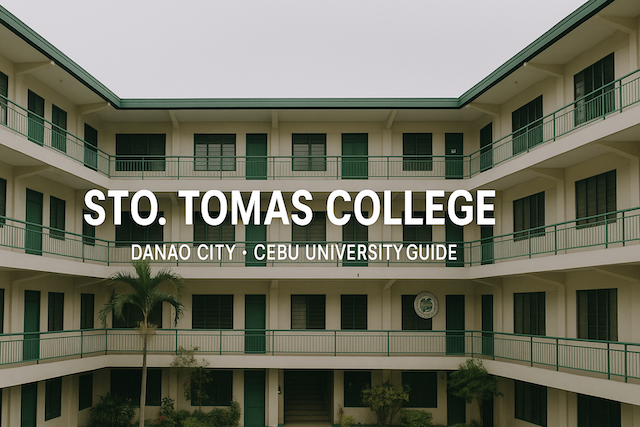
Sto. Tomas College – Danao City: Cebu University Guide
Contents
- Sto. Tomas College – Danao City: Cebu University Guide
- Overview of Sto. Tomas College – Danao City
- Location and Accessibility
- Academic Programs Offered
- Campus Facilities
- Tuition and Fees
- Admission Process
- Student Life and Community Environment
- Housing and Living Options in Danao
- Career Opportunities After Graduation
- Why Choose Sto. Tomas College – Danao City
- FAQs (Frequently Asked Questions)
- Where is Sto. Tomas College – Danao City located?
- What academic programs are offered at Sto. Tomas College – Danao City?
- Is Sto. Tomas College – Danao City a good choice for budget-conscious students?
- How can I travel to Sto. Tomas College – Danao City from Cebu City?
- What are the basic admission requirements for new college students?
- Does Sto. Tomas College – Danao City offer Senior High School programs?
- What kind of campus facilities can students expect?
- Are there boarding houses or dormitories near the campus?
- What is student life like at Sto. Tomas College – Danao City?
- What career opportunities are available after graduating from Sto. Tomas College – Danao City?
- Is Sto. Tomas College – Danao City suitable for first-generation college students?
Sto. Tomas College – Danao City: Cebu University Guide
Sto. Tomas College in Danao City is one of the emerging educational institutions in northern セブ島, known for its accessible programs, community-oriented mission, and growing facilities. For students who prefer to study outside the busy metropolitan areas of Cebu City but still want access to quality education, Sto. Tomas College offers a practical balance of affordability, focused instruction, and a peaceful learning environment.
This comprehensive Cebu University Guide explores everything you need to know about the institution—from its location and academic programs to campus life, tuition expectations, and tips for future students.
Overview of Sto. Tomas College – Danao City
Sto. Tomas College is situated in Danao City, a developing urban center in northern セブ島 known for its relaxed atmosphere and strong local community. The college caters to senior high school students, college-level learners, and professionals seeking skills development programs. It upholds a philosophy of education centered on character formation, academic excellence, and service to the community.
As more students from nearby municipalities such as Compostela, Carmen, and Catmon seek accessible options for post-secondary education, Sto. Tomas College has gradually expanded its offerings to meet regional needs.
Location and Accessibility
Sto. Tomas College is located within Danao City Proper, an area that is easily accessible through major transportation routes. Students can reach the campus via:
-
Jeepneys and buses from Cebu City, Mandaue, and Liloan
-
Motorcycles (habal-habal) from nearby barangays
-
Tricycles within Danao City proper
-
Private vehicles, as the surrounding roads are generally well-maintained
Travel time from Cebu City ranges from 1 to 1.5 hours depending on traffic conditions. The campus is convenient for students who prefer living at home rather than relocating to the city, making it a practical choice for commuters.
Academic Programs Offered
Sto. Tomas College provides a range of academic programs designed for both traditional students and professionals. While offerings may change based on demand and accreditation updates, the main categories include:
Senior High School (SHS)
The SHS department prepares students for college or employment through specialized tracks such as:
-
Academic Track
-
General Academic Strand (GAS)
-
Accountancy, Business, and Management (ABM)
-
Humanities and Social Sciences (HUMSS)
-
-
Technical-Vocational-Livelihood (TVL) Track
-
ICT (Information and Communications Technology)
-
Home Economics
-
These strands equip students with foundational knowledge and practical skills aligned with industry requirements.
College Degree Programs
Sto. Tomas College offers undergraduate programs focusing on business, education, and technology. Common programs include:
-
Bachelor of Science in Business Administration (BSBA)
-
Bachelor of Elementary Education (BEEd)
-
Bachelor of Secondary Education (BSEd)
-
Information Technology–related courses
-
Hospitality and Tourism–related programs (depending on semester offerings)
These programs are structured to meet CHED and DepEd standards and are taught by instructors with relevant academic and industry experience.
Technical and Vocational Courses
The college also supports short-term TESDA-aligned courses that provide practical competencies for job readiness. These may include:
-
Computer Systems Servicing
-
Bread and Pastry Production
-
Housekeeping
-
Caregiving
-
Events Management
These short programs cater to students who prefer immediate employment opportunities or skill upgrades.
Campus Facilities
Sto. Tomas College continues to improve its facilities as enrollment grows. Students can generally expect:
Classrooms and Learning Spaces
Well-ventilated classrooms, multimedia-equipped rooms, and designated lecture halls suited for various class sizes.
Computer Laboratories
Available for IT-related programs and SHS ICT tracks, equipped with updated software and hardware.
Library and Study Areas
The library provides research materials, textbooks, and quiet study areas for students.
Multipurpose Halls
Used for assemblies, student events, and academic activities.
Outdoor Spaces
Open areas within campus grounds serve as gathering spots, promoting a relaxed and community-oriented environment.
While not as large as big universities in Cebu City, Sto. Tomas College offers essential facilities that support both academic and extracurricular activities.
Tuition and Fees
One of the strongest advantages of studying at Sto. Tomas College is affordability. Tuition fees are noticeably lower than those in big private universities in Cebu City. Approximate cost considerations include:
-
Senior High School: Often covered fully or partially by the government’s voucher program
-
College Programs: Generally budget-friendly, making it suitable for students from northern Cebu
-
Technical Courses: Short-term programs usually cost less and may have scholarships
Payment plans and installment options are usually available, depending on the semester.
Admission Process
The admission process is simple and accessible for incoming SHS, freshmen, and transferees.
General Requirements
-
Completed application form (available on campus or online when applicable)
-
Report card/form 138 (for SHS) or TOR/grade slip (for college/transferees)
-
PSA Birth Certificate
-
2×2 ID photos
-
Good Moral Certificate
-
Entrance exam (if required for certain programs)
Enrollment Steps
-
Submit requirements to the registrar.
-
Attend orientation or exam if required.
-
Receive assessment of tuition and fees.
-
Proceed to payment and secure official receipt.
-
Claim class schedule before the start of the semester.
The process is straightforward and student-friendly.
Student Life and Community Environment
Sto. Tomas College maintains a strong community atmosphere, reflecting the cultural character of Danao City. Students benefit from:
-
Small class sizes, allowing more interaction with instructors
-
Friendly campus culture, especially for first-time college students
-
Clubs and organizations, such as student councils, academic groups, and volunteer teams
-
Religious and community-focused activities reflecting local traditions
Because Danao City is less congested than Cebu City, students enjoy a quieter, safer learning environment.
Housing and Living Options in Danao
While many students commute from nearby municipalities, those who prefer to stay near the campus can find:
-
Boarding houses within walking distance
-
Apartment rentals for groups or families
-
Dorm-style accommodations managed by private landlords
Living expenses in Danao City are generally lower than in Cebu City, making it ideal for budget-conscious learners.
Career Opportunities After Graduation
Graduates of Sto. Tomas College can pursue career paths aligned with their fields of study:
-
Education graduates can work in public or private schools.
-
Business and IT graduates can find job opportunities in Cebu’s business districts, including Mandaue and Cebu City.
-
TVL course completers are equipped for employment both locally and abroad.
The school’s emphasis on skills, communication, and values formation ensures students are prepared for both work and further education.
Why Choose Sto. Tomas College – Danao City
Here are several reasons why students from northern セブ島 and beyond choose this institution:
-
Affordable tuition and flexible payment options
-
Accessible location within Danao
-
Community-oriented campus environment
-
Practical course offerings aligned with employability
-
Less competitive and less stressful compared to big universities
-
Good starting point for students still exploring their academic paths
Sto. Tomas College remains a strong option for those who want quality education in a calm and supportive environment.
FAQs (Frequently Asked Questions)
Where is Sto. Tomas College – Danao City located?
Sto. Tomas College – Danao City is located in Danao City in the northern part of Cebu Island. It is generally accessible from Danao City proper, close to main roads and transport routes such as jeepneys, buses, and tricycles. Many students from nearby municipalities like Compostela, Carmen, and Catmon commute daily, making the campus a practical option for learners who live in northern Cebu and prefer not to transfer to Cebu City.
What academic programs are offered at Sto. Tomas College – Danao City?
The college typically offers Senior High School (SHS) tracks, college degree programs, and selected technical-vocational courses. For SHS, common strands include General Academic Strand (GAS), Accountancy, Business, and Management (ABM), Humanities and Social Sciences (HUMSS), and TVL strands such as ICT and Home Economics. At the college level, programs often focus on business, education, information technology, and hospitality-related fields. There may also be short-term skills courses aligned with TESDA standards, depending on current offerings.
Is Sto. Tomas College – Danao City a good choice for budget-conscious students?
Yes. One of the main strengths of Sto. Tomas College – Danao City is its affordability. Tuition and miscellaneous fees are generally lower than those of large private universities in Cebu City. Senior High School students may also benefit from the government voucher program, which can significantly reduce costs. In addition, living expenses in Danao City such as food, rent, and transportation are typically cheaper than in the metropolitan areas, making it a reasonable option for families managing a tight education budget.
How can I travel to Sto. Tomas College – Danao City from Cebu City?
From Cebu City, you can ride a bus or jeepney going north via the Cebu North Bus Terminal or major jeepney terminals heading to Danao. Travel time is usually around one to one and a half hours, depending on traffic. Upon arriving in Danao City proper, you can take a tricycle or habal-habal (motorcycle taxi) to reach the campus. Many students commute daily, so transportation methods and routes are quite familiar to locals.
What are the basic admission requirements for new college students?
For incoming college freshmen, the usual requirements include: a completed application form, original or photocopy of the senior high school report card (Form 138), PSA birth certificate, certificate of good moral character, and recent ID photos. Some programs or year levels may require an entrance examination or interview. Transferees are generally asked to provide their transcript of records or certified true copy of grades, along with transfer credentials and other standard documents.
Does Sto. Tomas College – Danao City offer Senior High School programs?
Yes, the institution serves Senior High School students through different strands and tracks. The Academic Track typically includes GAS, ABM, and HUMSS, which prepare students for university-level studies in business, education, social sciences, and other fields. The TVL Track often includes ICT or Home Economics specializations, giving learners employable skills in areas such as office work, basic IT support, or food and hospitality services after graduation.
What kind of campus facilities can students expect?
Sto. Tomas College – Danao City may not be as large as major universities in Cebu City, but it provides essential facilities for academic and student life. These usually include standard classrooms, computer laboratories for IT and ICT-related subjects, a library with reference and textbook collections, multipurpose halls for assemblies and events, and open spaces for informal gatherings. Facilities are continually improved as enrollment grows and institutional priorities evolve.
Are there boarding houses or dormitories near the campus?
Yes. For students who live far from Danao City but do not want to commute daily, there are several boarding houses and apartment-style accommodations around the city. Most of these are privately owned and located within a short jeepney, tricycle, or walking distance of the college. Rental prices in Danao City are generally lower than in Cebu City, making it a more affordable option for students staying away from home.
What is student life like at Sto. Tomas College – Danao City?
Student life at Sto. Tomas College – Danao City is typically community-oriented and relatively relaxed compared to big-city campuses. Class sizes tend to be smaller, which allows more direct interaction with teachers. Students may join organizations such as student councils, academic clubs, and interest-based groups. Campus events may include orientations, intramurals, outreach programs, religious or values formation activities, and local cultural celebrations. The environment is friendly and suitable for students who prefer a quieter setting for learning.
What career opportunities are available after graduating from Sto. Tomas College – Danao City?
Career opportunities depend on the program completed. Education graduates may apply to public or private schools in Cebu and beyond. Business and IT graduates can seek employment in local companies, government offices, or emerging BPO and service industries in Cebu City, Mandaue, and nearby areas. TVL and short-term course completers may find work in hospitality, basic IT support, caregiving, or small businesses. Some graduates also pursue further studies in larger universities after building a solid academic foundation at Sto. Tomas College – Danao City.
Is Sto. Tomas College – Danao City suitable for first-generation college students?
Yes. Because of its community-based atmosphere, approachable faculty, and relatively small scale, Sto. Tomas College – Danao City can be a comfortable environment for first-generation college students. The campus culture is generally less intimidating than that of big universities, and the cost structure is often more manageable for families sending their first child to higher education. For many students from northern Cebu, it serves as an accessible and supportive starting point for their academic and professional journey.
Philippines University Guide
Cebu University Guide
Cebu Province All Universities Lists

How to Register for eTravel Philippines (2025 Guide)
Step-by-step guide to completing your eTravel registration before arriving in the Philippines, with images and tips.

Night Market in Cebu – Things You Don’t Know About Cebu Life
Discover the hidden charm of Cebu’s night markets, from street food stalls to local life tips you won’t find in tourist guides.

How to Use ChatGPT for IELTS Preparation: A Complete Guide
Learn how to prepare for IELTS using ChatGPT — including strategies for Writing, Reading, Listening, Speaking, and grammar support.

How to Build a Website Without Coding Using ChatGPT
Discover how to build your own website using AI—no coding skills needed. From structure planning to SEO and design, let ChatGPT guide you.