2026年4月5日
3D ACADEMY offers affordable English study programs in Cebu, Philippines – perfect for beginners, professionals, and exam takers.

3D UNIVERSAL ENGLISH INSTITUTE INC
info.3d-universal.com
8:00-17:00(Mon-Fri)
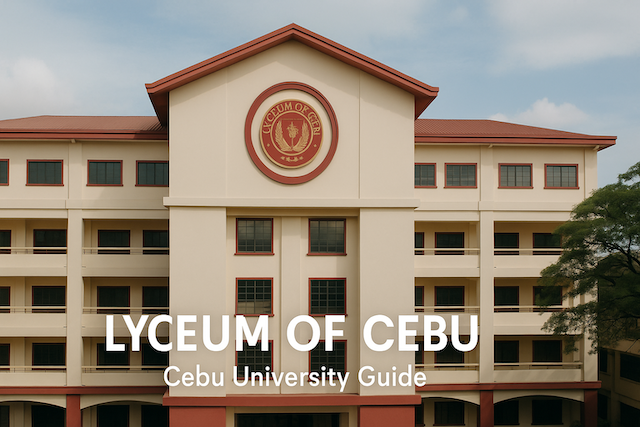
Lyceum of Cebu: Cebu University Guide
Contents
- Lyceum of Cebu: Cebu University Guide
- Overview of Lyceum of Cebu
- Location and Campus Environment
- Academic Programs Offered
- Admission Requirements
- Tuition Fees and Payment Options
- Campus Facilities
- Student Life and Campus Culture
- Why Choose Lyceum of Cebu?
- Conclusion
- FAQs (Frequently Asked Questions)
- What types of programs does Lyceum of Cebu offer?
- Where is Lyceum of Cebu located?
- Is Lyceum of Cebu a good choice for budget-conscious students?
- How much is the estimated tuition per semester?
- What are the basic admission requirements for new college students?
- Can transferees enroll at Lyceum of Cebu?
- Does Lyceum of Cebu accept international students?
- What is student life like on campus?
- Are there dormitories or on-campus housing options?
- What facilities can students use at Lyceum of Cebu?
- Can students work part-time while studying at Lyceum of Cebu?
- Is Lyceum of Cebu a good stepping stone for employment after graduation?
Lyceum of Cebu: Cebu University Guide
Lyceum of Cebu is a private educational institution in Cebu City known for its balanced academic programs, student-friendly environment, and accessible location. It caters to both local and international students looking for quality education in business, technology, maritime studies, education, and hospitality. This comprehensive Cebu University Guide explores everything you need to know about Lyceum of Cebu—program offerings, campus facilities, admissions, tuition fees, student life, and why this school may be a strong choice for your studies in Cebu.
Overview of Lyceum of Cebu
Lyceum of Cebu has built a reputation for delivering practical, industry-aligned education. The institution aims to develop students who are globally competitive, character-driven, and ready for real-world work environments. With a strong focus on business, technology, and maritime-related programs, Lyceum of Cebu has become a well-rounded option for students seeking career-oriented education.
The school is also known for its supportive learning environment. Classes tend to be manageable in size, and instructors often bring significant industry experience. This allows students to mix classroom learning with hands-on training—something highly valued in Cebu’s evolving job market.
Location and Campus Environment
Lyceum of Cebu is situated within Cebu City, giving students easy access to transportation, restaurants, dormitories, malls, and key commercial hubs. This central location makes it convenient for students who commute from different parts of the city or who plan to stay in nearby boarding houses or condominiums.
The campus environment is generally simple but functional. Students can expect a friendly, community-oriented atmosphere with essential facilities such as:
-
Classrooms equipped with multimedia tools
-
Computer laboratories
-
Skills training rooms
-
A small library
-
Admin and academic offices
-
Study lounges and student spaces
While the campus is not as large or modern as other big universities in Cebu, it maintains an efficient layout suitable for focused and practical learning.
Academic Programs Offered
Lyceum of Cebu offers a range of undergraduate, senior high school, and technical-vocational programs. Though the offerings may vary slightly by academic year, the following programs are typically available:
Business and Management Programs
-
Bachelor of Science in Business Administration (BSBA)
-
BSBA Major in Marketing Management
-
BSBA Major in Financial Management
-
BSBA Major in Human Resource Management
These programs are designed to prepare students for careers in corporate, retail, finance, and entrepreneurial sectors.
Hospitality and Tourism Programs
-
Bachelor of Science in Hospitality Management
-
Bachelor of Science in Tourism Management
Students can expect practical training in food service, hotel operations, front office work, and hospitality management.
Education Programs
-
Bachelor of Elementary Education (BEEd)
-
Bachelor of Secondary Education (BSEd)
These courses train aspiring teachers with both pedagogical and field exposure opportunities.
Information Technology and Computer Studies
-
Bachelor of Science in Information Technology (BSIT)
-
Diploma and certificate-level ICT courses
The IT program emphasizes programming, networking, digital systems, and emerging technologies—fields that are in high demand in Cebu’s BPO and tech industries.
Maritime and Marine Courses
Lyceum of Cebu may offer short-term maritime training or related technical courses. Cebu has a strong maritime education sector, so students often choose this school for affordable entry-level maritime pathways.
Technical-Vocational (TESDA) Courses
Some campuses or partner facilities may offer TESDA-recognized programs, such as:
-
Housekeeping NC II
-
Food and Beverage Services NC II
-
Computer Systems Servicing NC II
These courses are ideal for students seeking faster employment opportunities abroad or locally.
Admission Requirements
Lyceum of Cebu maintains a straightforward admissions process, making it welcoming for both new students and transferees. Requirements typically include:
For Incoming College Freshmen
-
Completed application form
-
High school report card (Form 138)
-
PSA birth certificate
-
Certificate of Good Moral Character
-
Two (2) ID photos
-
Entrance exam (if applicable for the year)
For Transferee Students
-
Honorable dismissal or transfer credentials
-
Transcript of Records (TOR) for evaluation
-
Good moral certificate
-
ID photos
For International Students (if accepted)
-
Passport copy
-
Student visa or study permit
-
High school transcript/credentials
-
Medical clearance
-
English proficiency requirements (case-by-case basis)
The admissions team usually provides assistance to help students complete their documents smoothly.
Tuition Fees and Payment Options
Tuition fees at Lyceum of Cebu are generally more affordable than those of major private universities in Cebu City. Costs may vary depending on the course but typically fall within a budget-friendly range, making the institution popular among working students and those seeking cost-efficient education.
Estimated Tuition Per Semester
-
College Programs: PHP 18,000 – PHP 30,000
-
Technical Courses: PHP 10,000 – PHP 25,000
Additional fees may apply for laboratory courses such as IT, HRM, or tourism programs.
Payment Plans
Lyceum of Cebu usually offers:
-
Installment payment schedules
-
Monthly payment plans
-
Discounts for early payments
-
Scholarships or financial aid programs (depending on availability)
These flexible options help ensure that financial limitations do not hinder students from pursuing their education.
Campus Facilities
Despite its modest size, Lyceum of Cebu provides essential facilities to support students’ academic growth. These include:
1. Computer Laboratories
Used extensively for IT and business-related subjects.
2. Hospitality and Training Rooms
Facilities for HRM students, such as mock hotel setups or kitchen stations.
3. Library and Resource Center
A collection of textbooks, research materials, and online resources.
4. Audio-Visual Rooms
For lectures, seminars, and presentations.
5. Student Lounges and Study Areas
Spaces where students can relax, socialize, or review their lessons.
Student Life and Campus Culture
Lyceum of Cebu fosters a friendly, community-oriented campus culture. Many students describe the environment as approachable and supportive, especially for freshmen adjusting to college life.
Student Organizations
The school may offer clubs such as:
-
Academic societies
-
Performing arts groups
-
Religious or spiritual organizations
-
Sports teams
-
Volunteer groups
These organizations help students enhance their leadership skills, teamwork, and creativity.
Events and Activities
Students can look forward to:
-
Foundation Day celebrations
-
Inter-school competitions
-
Seminars and industry talks
-
Outreach programs
-
Cultural events
These activities create opportunities for students to connect, learn, and enjoy campus life beyond the classroom.
Why Choose Lyceum of Cebu?
Lyceum of Cebu appeals to students who want a budget-friendly, practical, and industry-aligned education in the heart of Cebu City. Key advantages include:
1. Affordable Tuition
Ideal for cost-conscious students and working learners.
2. Strategic Location
Accessible from key areas like downtown Cebu, Mandaue, and Banilad.
3. Practical, Hands-On Learning
Especially beneficial for HRM, tourism, business, and IT programs.
4. Supportive Community
Students appreciate the approachable instructors and close-knit environment.
5. Flexible Programs
Includes degree programs, vocational courses, and short-term skills training.
Conclusion
Lyceum of Cebu offers an excellent combination of affordability, practical training, and accessible education. Whether you’re planning to study business, IT, hospitality, tourism, or education, this institution provides a solid foundation for building your future career in Cebu or abroad. With a supportive academic environment and location within one of the Philippines’ most dynamic cities, Lyceum of Cebu remains a strong choice for students seeking well-rounded, career-focused education.
FAQs (Frequently Asked Questions)
What types of programs does Lyceum of Cebu offer?
Lyceum of Cebu offers a mix of college degree programs, senior high school tracks, and selected technical-vocational courses. Common college offerings include Business Administration, Hospitality Management, Tourism Management, Information Technology, and Education programs. Some campuses or partner institutions may also provide TESDA-accredited short courses in areas like housekeeping, food and beverage services, or computer systems servicing. Program availability can change by school year, so it is always best to confirm directly with the registrar or admissions office before applying.
Where is Lyceum of Cebu located?
Lyceum of Cebu is located within Cebu City, making it accessible from many residential and commercial areas. Students can usually reach the campus via jeepneys, buses, taxis, or ride-hailing services. Its central location is convenient for those who live in nearby barangays or in neighboring cities such as Mandaue and Lapu-Lapu. Many students choose to stay in boarding houses, apartments, or condominiums within a short commute from the campus to save time and transportation costs.
Is Lyceum of Cebu a good choice for budget-conscious students?
Yes, Lyceum of Cebu is often considered a good option for students who are budget-conscious but still want access to quality education. Tuition fees are generally lower than those of larger private universities in Cebu, especially for business, IT, and education programs. The school also tends to offer installment plans and flexible payment schemes that help families manage expenses over the semester. While facilities may be simpler compared to big campuses, the institution focuses on practical, career-oriented learning that appeals to many working students and first-generation college-goers.
How much is the estimated tuition per semester?
Exact tuition fees can vary by program, year level, and the number of units enrolled, but many students can expect college tuition to fall within an affordable range. For example, a typical semester might cost somewhere in the mid to upper five-figure range in Philippine pesos, excluding personal allowances and miscellaneous expenses. Technical and vocational programs are often less expensive than full bachelor’s degrees. Because fees change over time, it is important to request an updated assessment from the cashier or admissions office before enrollment.
What are the basic admission requirements for new college students?
For incoming freshmen, Lyceum of Cebu typically requires a completed application form, a high school report card, a PSA birth certificate, and a Certificate of Good Moral Character. Applicants may also be asked to submit a recent ID photo and attend an orientation or interview. Some intakes may require an entrance examination, depending on the program and academic year. Once documents are evaluated and accepted, students receive official instructions for payment and enrollment confirmation.
Can transferees enroll at Lyceum of Cebu?
Yes, transferee students are usually welcome, subject to evaluation of their previous academic records. Transferees are typically required to submit a Transcript of Records or certified copy of grades, an Honorable Dismissal or Transfer Credential, and a Good Moral certificate from their former school. The registrar’s office will review which subjects can be credited toward the chosen program. Because policies differ per course, transferees are encouraged to visit the registrar early to avoid delays and to clarify which subjects they may need to repeat.
Does Lyceum of Cebu accept international students?
Lyceum of Cebu may accept international students, depending on current policies and program offerings. Foreign applicants usually need to provide passport copies, authenticated academic records, and proof of English proficiency if required. They must also secure a student visa or special study permit through the relevant government agencies. Since immigration rules and school requirements can change, international students should contact the admissions or international student office in advance to get updated guidance on documents, timelines, and fees.
What is student life like on campus?
Student life at Lyceum of Cebu is generally described as friendly, close-knit, and practical. Campus events, such as foundation celebrations, academic competitions, seminars, and outreach programs, give students opportunities to build friendships and develop soft skills. Various student organizations cater to interests in academics, performing arts, sports, and community service. Because many students also work part-time or help their families, campus culture often values responsibility, resilience, and mutual support among classmates.
Are there dormitories or on-campus housing options?
Lyceum of Cebu does not always operate its own large dormitory complex, so many students choose nearby boarding houses, shared apartments, or condominiums for accommodation. The surrounding areas generally offer a range of options at different price points, from simple rooms with shared bathrooms to more modern units. Students are advised to visit potential accommodations in person, check safety and cleanliness, and review rental terms before signing any agreement. Asking recommendations from senior students or school staff can also help in finding reliable housing.
What facilities can students use at Lyceum of Cebu?
Students typically have access to essential facilities such as classrooms with basic multimedia equipment, computer laboratories, and program-specific training rooms for hospitality or tourism courses. A library or resource center provides textbooks, reference materials, and sometimes internet-enabled computers. Audio-visual rooms are used for seminars and presentations, while student lounges and open areas allow for informal study or group discussions. Although facilities may not be as extensive as in larger institutions, they are usually sufficient for day-to-day academic use.
Can students work part-time while studying at Lyceum of Cebu?
Many students at Lyceum of Cebu choose to work part-time, especially those who live near commercial areas or call center hubs. While the school does not forbid part-time work, students are encouraged to manage their schedules carefully to avoid conflicts with classes and exams. Some programs may require on-the-job training or internships, which can also serve as valuable work experience. It is important for students to prioritize their health and academic performance while balancing work responsibilities.
Is Lyceum of Cebu a good stepping stone for employment after graduation?
Lyceum of Cebu aims to offer practical, industry-aligned education that prepares students for real-world jobs in business, hospitality, tourism, IT, and education. Many courses emphasize hands-on activities, projects, and internships that expose students to actual workplace settings. Graduates often find opportunities in local businesses, BPO companies, hotels, resorts, and schools, as well as abroad for certain hospitality and technical fields. Ultimately, success also depends on each student’s effort, networking, and willingness to keep learning after graduation.
Philippines University Guide
Cebu University Guide
Cebu Province All Universities Lists

How to Register for eTravel Philippines (2025 Guide)
Step-by-step guide to completing your eTravel registration before arriving in the Philippines, with images and tips.

Night Market in Cebu – Things You Don’t Know About Cebu Life
Discover the hidden charm of Cebu’s night markets, from street food stalls to local life tips you won’t find in tourist guides.

How to Use ChatGPT for IELTS Preparation: A Complete Guide
Learn how to prepare for IELTS using ChatGPT — including strategies for Writing, Reading, Listening, Speaking, and grammar support.

How to Build a Website Without Coding Using ChatGPT
Discover how to build your own website using AI—no coding skills needed. From structure planning to SEO and design, let ChatGPT guide you.