2026年1月12日
3D ACADEMY offers affordable English study programs in Cebu, Philippines – perfect for beginners, professionals, and exam takers.

3D UNIVERSAL ENGLISH INSTITUTE INC
info.3d-universal.com
8:00-17:00(Mon-Fri)
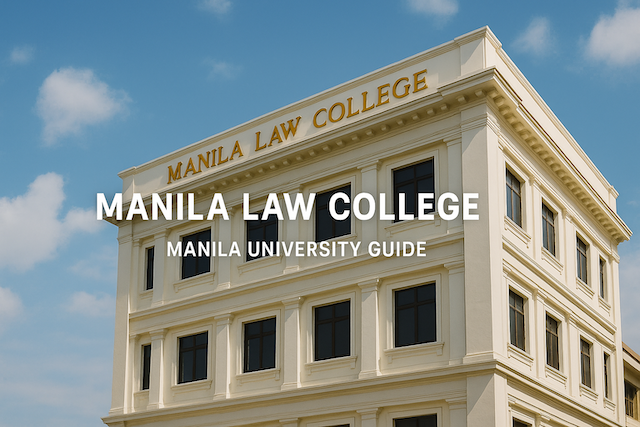
Manila Law College: Manila University Guide
Contents
- Manila Law College: Manila University Guide
- History and Legacy of Manila Law College
- Location and Campus Environment
- Academic Programs at Manila Law College
- Faculty Excellence and Teaching Approach
- Admission Requirements
- Tuition Fees and Payment Options
- Student Life and Learning Culture
- Bar Exam Preparation and Performance
- Why Choose Manila Law College?
- Tips for Incoming Students
- Final Thoughts
- FAQs (Frequently Asked Questions)
- What is Manila Law College known for?
- Where is Manila Law College located?
- What law program does Manila Law College offer?
- Is Manila Law College suitable for working students?
- What are the basic admission requirements for Manila Law College?
- How much is the tuition at Manila Law College?
- Does Manila Law College offer scholarships or financial assistance?
- How is the faculty at Manila Law College?
- Is Manila Law College a good choice for bar exam preparation?
- What is student life like at Manila Law College?
- What kind of career paths can graduates of Manila Law College pursue?
- Is Manila Law College a good fit for me?
Manila Law College: Manila University Guide
Manila Law College (MLC) is one of the oldest and most respected private law schools in the Philippines, known for producing generations of lawyers, legal scholars, and public servants. Located in the heart of Manila, the institution has consistently offered an accessible yet rigorous legal education that focuses on ethics, justice, and community impact. This comprehensive guide introduces the history, programs, campus life, admissions, tuition, and overall experience at Manila Law College to help prospective students decide if this institution is the right fit for their legal career journey.
History and Legacy of Manila Law College
Manila Law College was founded in 1919, making it one of the earliest institutions in the country dedicated solely to legal education. Its founding vision is centered on democratizing the study of law—making it accessible to working students and individuals from different backgrounds while maintaining high academic standards.
Throughout its history, MLC has produced accomplished lawyers, judges, public officials, and influential figures. Its alumni network spans across government, private practice, corporate sectors, and academia, providing graduates with valuable professional connections.
The school’s long-standing reputation is built upon its commitment to affordability, inclusiveness, academic rigor, and unwavering focus on practical legal training.
Location and Campus Environment
Manila Law College is located along Calamba Street in Sampaloc, Manila—an area known for its vibrant student communities and proximity to key educational institutions.
Key Advantages of Its Location
-
Accessibility: Close to major roads and transport routes such as Espana Boulevard, making it easy for working and part-time students to attend classes.
-
Student-friendly environment: Surrounded by dormitories, food establishments, libraries, and bookstores.
-
Proximity to courts and government offices: Facilitates practical learning through internships, court observations, and clerkship opportunities.
Although the campus is relatively modest compared to larger universities, it offers a conducive environment for focused legal study.
Academic Programs at Manila Law College
Manila Law College primarily focuses on one major program:
Bachelor of Laws (LL.B.) / Juris Doctor (J.D.)
The main program prepares students for the Philippine Bar Examination and legal practice. Depending on CHED requirements and institutional updates, MLC offers either the traditional LL.B. or the more modern Juris Doctor track.
Core Curriculum Features
-
Foundational legal subjects such as Constitutional Law, Criminal Law, Civil Law, Labor Law, and Commercial Law.
-
Advanced electives that deepen specialization in fields like taxation, environmental law, and human rights.
-
Practicum and legal apprenticeship that provide exposure to real-world legal work.
-
Integration of legal ethics and philosophical foundations, ensuring that students develop not only technical knowledge but also integrity and professional responsibility.
The program is designed to support both full-time and working students, offering flexible schedules and weekend classes.
Faculty Excellence and Teaching Approach
Manila Law College benefits from a faculty composed of:
-
Experienced lawyers
-
Sitting and retired judges
-
Government legal officers
-
Law practitioners and academics
What Sets the Teaching Approach Apart?
-
Real-life case applications: Professors use actual cases to explain complex legal concepts.
-
Socratic method: Encourages critical thinking through questions and classroom discussions.
-
Practical training: Students get exposure to law office work, court procedures, and legal drafting exercises.
The combination of academic expertise and professional experience prepares students not only for the bar exam but also for real-life legal practice.
Admission Requirements
Manila Law College maintains inclusive admission policies but ensures that applicants meet the qualifications needed for legal study.
Basic Admission Requirements
-
Bachelor’s degree holder from any recognized institution
-
Original and photocopy of college transcript of records
-
Copy of diploma
-
PSA birth certificate
-
Certificate of good moral character
-
ID photos
-
Application form
MLC typically does not require entrance exams, but interviews may be conducted depending on the applicant’s background.
Ideal Applicants
-
Working professionals pursuing legal advancement
-
Fresh graduates interested in law school
-
Individuals aiming for a career in public service, corporate law, or private practice
Tuition Fees and Payment Options
One of the strongest advantages of Manila Law College is its affordability. Compared to larger private universities, MLC offers lower tuition fees, making it accessible to a wider range of students.
Estimated Tuition Range
-
₱25,000 – ₱35,000 per semester, depending on the number of units and miscellaneous fees.
The school may also offer:
-
Installment plans
-
Flexible payment schedules
-
Discounts for early enrollees or working students
This cost-effectiveness makes MLC an appealing option for aspiring lawyers who want quality education without excessive financial burden.
Student Life and Learning Culture
Although Manila Law College does not have a traditional campus life with extensive extracurricular activities, it has a strong academic culture centered on discipline and commitment.
Student Life Highlights
-
Working-student friendly schedule
-
Supportive peer community with active study groups
-
Legal organizations that host seminars, moot courts, and bar review sessions
-
Networking opportunities with alumni and legal practitioners
The environment encourages focus, collaboration, and personal growth—ideal for those serious about pursuing law.
Bar Exam Preparation and Performance
Manila Law College maintains a solid reputation for producing bar passers despite its relatively small size.
Bar Prep Support Includes:
-
Comprehensive review programs
-
Bar ops support teams
-
Mock bar exams and coaching
-
Mentoring from professors and alumni
The school’s long history in legal education ensures that its curriculum aligns with bar exam standards, helping students build strong foundational knowledge.
Why Choose Manila Law College?
Here are the top reasons students choose MLC:
1. Affordable Legal Education
One of the most cost-effective law schools in Manila.
2. Flexible Schedule
Ideal for working students.
3. Strong Alumni Network
MLC graduates can be found across legal and government sectors.
4. Experienced Faculty
Courses taught by seasoned practitioners and judges.
5. Historical Reputation
Over a century of legal education experience.
6. Practical Focus
Strong emphasis on real-world legal skills, not just theory.
Tips for Incoming Students
To succeed at Manila Law College, consider the following tips:
-
Build a consistent study habit early in your first year.
-
Join study groups to keep up with readings and discussions.
-
Attend all lectures, especially those by practitioner-professors.
-
Practice case digest writing and legal reasoning.
-
Start bar exam preparations early, even in your second or third year.
-
Make use of the library and legal resources available online and offline.
Success in law school depends largely on discipline and strategy, and these habits are crucial for MLC students.
Final Thoughts
Manila Law College remains a respected and accessible option for aspiring lawyers who want quality, affordable, and practical legal education. Its long-standing reputation, experienced faculty, and strong support for working students make it a compelling choice for those committed to pursuing a career in law. Whether you aim for private practice, government service, or corporate roles, MLC equips you with the foundation needed to succeed in the Philippine legal landscape.
If you are looking for a law school with a balance of tradition, affordability, and real-world focus, Manila Law College is an excellent institution to consider.
FAQs (Frequently Asked Questions)
What is Manila Law College known for?
Manila Law College is known as one of the oldest private law schools in the Philippines, with a strong legacy of producing lawyers, judges, public officials, and legal practitioners. It is recognized for offering rigorous but accessible legal education, especially to working students and those looking for a more affordable alternative to big universities. The school emphasizes legal ethics, practical training, and a commitment to justice and public service.
Where is Manila Law College located?
Manila Law College is located in Sampaloc, Manila, in a student-centered area close to other schools and universities. Its proximity to main roads and public transport routes makes it convenient for students coming from different parts of Metro Manila. Being near courts, government offices, and law firms also provides students with easier access to internships, court visits, and practical exposure to the legal system.
What law program does Manila Law College offer?
The main program offered by Manila Law College is its law degree, traditionally the Bachelor of Laws (LL.B.) and, in some periods, the Juris Doctor (J.D.) depending on the regulatory framework. The program covers all core subjects required for the Philippine Bar Examination, including Civil Law, Criminal Law, Constitutional Law, Labor Law, Commercial Law, and Taxation. It is designed to prepare students for both the bar exam and real-world legal practice.
Is Manila Law College suitable for working students?
Yes, Manila Law College is particularly friendly to working students. Its schedule often includes evening or weekend classes, allowing those who are employed to pursue their law degree without giving up their jobs. The culture of the school acknowledges that many students are balancing work and study, so the environment tends to be practical and focused. This flexibility is one of the key reasons many students choose MLC over larger institutions.
What are the basic admission requirements for Manila Law College?
Applicants must hold a bachelor’s degree from a recognized institution to enroll in the law program. Common requirements include a transcript of records, a copy of the college diploma, a PSA birth certificate, a certificate of good moral character, ID photos, and a completed application form. Some applicants may be asked to undergo an interview. While there may not always be an entrance exam, the school still evaluates whether the applicant can handle the demands of legal study.
How much is the tuition at Manila Law College?
Tuition at Manila Law College is generally more affordable compared to many large private universities. While exact figures can change over time, typical semestral costs are often in the lower to mid-range for law schools in Metro Manila. Students should also budget for miscellaneous fees, books, and review materials. Many appreciate that the school offers payment options such as installment plans or flexible schedules, making legal education more financially accessible.
Does Manila Law College offer scholarships or financial assistance?
Availability of scholarships and financial assistance may vary by school year, but many law schools, including smaller ones, occasionally provide discounts, merit-based assistance, or special arrangements for students in need. It is best for interested applicants to inquire directly with the school’s registrar or administration about current scholarships, discounts for honor graduates, or incentives for early enrollment or high academic performance.
How is the faculty at Manila Law College?
The faculty is typically composed of experienced practitioners, including lawyers, judges, government legal officers, and academics. Many professors bring real-world cases and examples into the classroom, which helps students understand how legal doctrines are applied in actual situations. This practical orientation, combined with the use of the Socratic method, encourages students to think critically, argue logically, and build confidence in oral discussions.
Is Manila Law College a good choice for bar exam preparation?
Manila Law College has a long history of preparing students for the Philippine Bar Exam. The curriculum is structured around bar subjects, and many professors are familiar with bar trends and expectations. The school may also organize bar review sessions, mock bar exams, and mentoring activities. While passing the bar ultimately depends on the student’s effort and discipline, the environment and tradition at MLC can provide a solid foundation for bar readiness.
What is student life like at Manila Law College?
Student life at Manila Law College is more academic-focused than lifestyle-focused. Instead of large-scale campus events, the culture revolves around study groups, lectures, legal seminars, moot court activities, and bar-oriented preparations. Students often build close relationships with classmates through shared struggles over case readings, codal provisions, and recitations. For many, this tight-knit and serious environment is ideal for staying motivated in a demanding course like law.
What kind of career paths can graduates of Manila Law College pursue?
Graduates of Manila Law College can pursue diverse careers across the legal and corporate fields. Many become litigation lawyers, corporate counsels, government attorneys, prosecutors, public defenders, judges (after proper qualifications and experience), and legal consultants. Others move into academia, policy work, compliance, or human resources. The skills gained in law school—critical thinking, legal analysis, writing, and argumentation—are highly transferable to leadership and management roles in various industries.
Is Manila Law College a good fit for me?
Manila Law College is a strong option if you are seeking an affordable, practice-oriented law school with flexible schedules and a serious academic environment. It is especially suitable for working professionals and students who value substance over campus lifestyle. If your goal is to build a solid legal foundation, prepare for the bar, and eventually serve in the courts, government, or private sector, MLC can be a very good fit—provided you are ready to commit to disciplined and consistent study.
Philippines University Guide
Manila University Guide
Manila Province All Universities Lists

How to Register for eTravel Philippines (2025 Guide)
Step-by-step guide to completing your eTravel registration before arriving in the Philippines, with images and tips.

Night Market in Cebu – Things You Don’t Know About Cebu Life
Discover the hidden charm of Cebu’s night markets, from street food stalls to local life tips you won’t find in tourist guides.

How to Use ChatGPT for IELTS Preparation: A Complete Guide
Learn how to prepare for IELTS using ChatGPT — including strategies for Writing, Reading, Listening, Speaking, and grammar support.

How to Build a Website Without Coding Using ChatGPT
Discover how to build your own website using AI—no coding skills needed. From structure planning to SEO and design, let ChatGPT guide you.