2026年1月12日
3D ACADEMY offers affordable English study programs in Cebu, Philippines – perfect for beginners, professionals, and exam takers.

3D UNIVERSAL ENGLISH INSTITUTE INC
info.3d-universal.com
8:00-17:00(Mon-Fri)
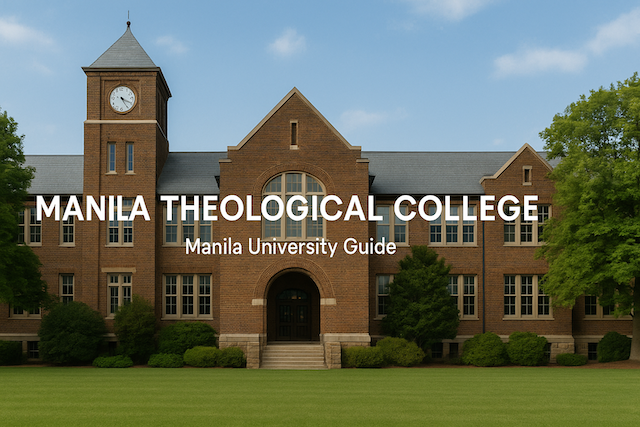
Manila Theological College: Manila University Guide
Contents
- Manila Theological College: Manila University Guide
- Overview of Manila Theological College
- Academic Programs
- Curriculum and Academic Approach
- Admission Requirements
- Tuition and Fees
- Campus Location and Facilities
- Student Life at MTC
- Why Choose Manila Theological College
- Career Paths for Graduates
- Tips for Prospective Students
- Conclusion
- FAQs (Frequently Asked Questions)
- What kind of school is Manila Theological College?
- What programs are offered at Manila Theological College?
- Who should consider studying at Manila Theological College?
- What are the general admission requirements?
- Is Manila Theological College affordable?
- Are scholarships or financial aid available?
- Does Manila Theological College offer dormitories or student housing?
- What is student life like at Manila Theological College?
- What language is used for instruction?
- Are international students accepted?
- What kind of careers can graduates pursue?
- How can I get the most accurate and updated information?
Manila Theological College: Manila University Guide
Manila Theological College (MTC) is a well-established theological institution in the Philippines dedicated to producing competent, mission-driven, and spiritually mature Christian leaders. Founded with a clear vision to integrate theological education with practical ministry, the college has become a respected choice for students pursuing religious studies, pastoral training, Christian education, and missions work. This comprehensive guide explores programs, admissions, tuition, campus life, and everything you need to know if you are considering studying at Manila Theological College.
Overview of Manila Theological College
Manila Theological College is committed to providing high-quality theological education based on biblical foundations and Christian values. Its programs are designed to prepare future pastors, missionaries, church workers, Christian educators, and lay leaders who can effectively serve local churches and global ministries.
The institution combines academic rigor with practical training through internships, ministry assignments, and church partnerships. Students are encouraged to grow not only intellectually but also spiritually and socially, cultivating a balanced approach to ministry.
MTC maintains a strong reputation for affordability, accessible admissions, and a supportive campus environment conducive to learning and spiritual development.
Academic Programs
Manila Theological College offers a variety of undergraduate and graduate programs tailored to different ministry paths. These programs integrate theology, ministry practice, biblical studies, leadership, and spiritual formation to equip students for real-world ministry.
Bachelor of Theology (BTh)
The Bachelor of Theology is one of the school’s flagship programs. It provides students with a strong foundation in biblical interpretation, Christian doctrine, pastoral leadership, preaching, and missions. It is ideal for those planning to become pastors, church leaders, or missionaries.
Bachelor of Christian Education (BCE)
This program focuses on equipping students to become Christian educators, Sunday school teachers, and leaders in church-based educational programs. Coursework includes teaching methodologies, curriculum development, and child and youth ministry.
Bachelor of Ministry (BMin)
The Bachelor of Ministry program emphasizes practical ministry training, pastoral skills, evangelism, discipleship, and church administration. Students are regularly involved in ministry placements to gain hands-on experience.
Master of Divinity (MDiv)
The Master of Divinity is a graduate-level program for those pursuing advanced theological training or preparing for pastoral ordination. The curriculum includes biblical languages, advanced theology, pastoral counseling, and leadership.
Other Programs and Certifications
Manila Theological College may also offer the following:
-
Certificate in Pastoral Studies
-
Diploma in Theology
-
Continuing education and short-term ministerial training
These programs make theological education accessible for part-time students, working professionals, or lay leaders looking to develop ministry skills.
Curriculum and Academic Approach
MTC follows a curriculum grounded in biblical foundations while integrating modern ministry practices. The educational approach includes:
1. Theological and Biblical Study
Students dive deeply into Old Testament and New Testament studies, hermeneutics, systematic theology, and church history.
2. Practical Ministry Formation
Hands-on ministry training is a major component of MTC’s curriculum. Students take part in:
-
Church internships
-
Evangelism and outreach programs
-
Counseling practice
-
Leadership development seminars
3. Spiritual Development
Students are encouraged to participate in chapel services, prayer groups, and spiritual retreats that strengthen character and faith.
4. Holistic Leadership Training
Leadership subjects prepare learners to manage ministries, lead teams, and address real-life church challenges.
This combination ensures graduates are ministry-ready and equipped for both local and international service.
Admission Requirements
Admission at Manila Theological College is generally accessible, making theological education available to individuals from different backgrounds. While requirements may vary by program, the typical application process includes:
Basic Requirements
-
Accomplished application form
-
High school diploma (for undergraduate applicants)
-
College diploma and TOR (for graduate applicants)
-
Birth certificate
-
Good moral character certification
-
1×1 or 2×2 ID photos
Additional Requirements for Graduate Programs
-
Pastor’s recommendation letter
-
Testimony of Christian experience
-
Updated résumé
Entrance Interview
Prospective students may undergo a short interview with faculty or a program advisor to assess their readiness and goals for ministry training.
Tuition and Fees
Manila Theological College is known for its affordable tuition structure. Fees vary depending on program and number of units taken, but the institution strives to make theological education financially accessible.
Typical Fee Inclusions
-
Tuition per unit
-
Miscellaneous fees (library, registration, facilities)
-
Laboratory or practicum fees (if applicable)
Scholarships and Financial Aid
The school may offer scholarships or discounts, including:
-
Academic scholarships
-
Pastoral or ministry worker discounts
-
Financial assistance for low-income students
Applicants are encouraged to inquire directly about available support.
Campus Location and Facilities
Manila Theological College is located within Metro Manila, making it accessible to students from the city and neighboring areas. Its campus environment is designed to foster spiritual growth and academic excellence.
Key Facilities
-
Classrooms equipped for lectures
-
Library with theological books, journals, and research materials
-
Chapel or worship hall
-
Multipurpose rooms for small-group activities
-
Administrative offices
-
Student lounges and study areas
Most facilities are intentionally simple yet functional, emphasizing learning, reflection, and community engagement.
Student Life at MTC
Life at Manila Theological College is centered around academic learning and spiritual formation. Students join a community of believers passionate about ministry and serving others.
Spiritual Activities
-
Weekly chapel services
-
Prayer meetings
-
Worship nights
-
Devotional gatherings
-
Fellowship groups
Ministry Opportunities
Students gain hands-on experience through:
-
Church outreach programs
-
Youth and children’s ministry
-
Community service
-
Missions exposure trips
-
Evangelistic events
These opportunities help students apply theological knowledge in real contexts.
Student Organizations
MTC may have various student-led groups such as:
-
Worship teams
-
Ministry teams
-
Academic and research groups
-
Missions clubs
These groups nurture leadership, teamwork, and spiritual development.
Why Choose Manila Theological College
Manila Theological College is a strong fit for individuals called to ministry or theological studies. Key advantages include:
1. Affordable and Accessible Education
Compared to many theological institutions, MTC offers one of the most budget-friendly paths to ministry training without compromising quality.
2. Strong Biblical Foundation
Programs emphasize Bible-based teaching, doctrinal accuracy, and spiritual maturity.
3. Practical Ministry Focus
Students receive real-world training through outreach, internships, and church partnerships.
4. Supportive Christian Environment
The community fosters fellowship, personal growth, and supportive mentorship from faculty and peers.
5. Flexible Programs
Options such as certificates, diplomas, undergraduate degrees, and graduate studies allow students to choose paths that match their goals.
Career Paths for Graduates
Graduates of Manila Theological College can pursue a wide range of ministry-related careers, including:
-
Pastor or assistant pastor
-
Missionary
-
Church planter
-
Christian educator
-
Youth or children’s ministry leader
-
Worship leader
-
Church administrator
-
Bible school instructor
-
Chaplaincy roles
-
Non-profit or ministry organization worker
The training equips students for roles in churches, schools, missions agencies, and faith-based organizations.
Tips for Prospective Students
If you are considering studying at Manila Theological College, keep the following in mind:
1. Clarify Your Calling
Theological education requires dedication and spiritual readiness. Reflect on your goals and calling before enrolling.
2. Prepare Financially
Although affordable, proper planning helps you focus on studies and ministry formation.
3. Engage Actively in Ministry
The more involved you are in church work, the more meaningful your academic experience becomes.
4. Take Advantage of Faculty Mentorship
Professors at MTC often have extensive ministry backgrounds. Learning from their experience can guide your own path.
5. Build Relationships
Community and fellowship are essential in ministry training. Value the friendships and networks you build.
Conclusion
Manila Theological College is a respected institution for those seeking theological education grounded in Christian values, biblical truth, and practical ministry experience. Its programs—ranging from certificates to graduate degrees—equip aspiring pastors, missionaries, educators, and ministry leaders with the skills and spiritual maturity needed to serve effectively.
The college’s commitment to affordability, academic quality, community life, and hands-on training makes it an excellent choice for individuals pursuing a life of ministry within the Philippines or anywhere in the world.
If your calling is to deepen your faith, develop leadership skills, and prepare for effective Christian service, Manila Theological College offers a meaningful and transformative pathway.
FAQs (Frequently Asked Questions)
What kind of school is Manila Theological College?
Manila Theological College is a Christian higher education institution focused on biblical and theological studies, ministry training, and spiritual formation. It offers undergraduate and graduate programs designed to prepare students for roles such as pastors, missionaries, Christian educators, and ministry leaders. The college emphasizes both academic excellence and practical ministry experience through church partnerships, internships, and outreach activities. While it is a faith-based institution, it welcomes students who are serious about growing in their knowledge of Scripture and their calling to serve in Christian ministry.
What programs are offered at Manila Theological College?
Manila Theological College typically offers programs such as Bachelor of Theology, Bachelor of Christian Education, Bachelor of Ministry, and a Master of Divinity. In addition, there may be certificate or diploma programs in pastoral studies, theology, or ministry for those who want shorter or part-time training. Each program includes core subjects in Bible, theology, ministry practice, and leadership, combined with electives or specialization subjects depending on the track chosen. Because program offerings and names may change over time, applicants should always check the latest details directly with the college before applying.
Who should consider studying at Manila Theological College?
MTC is ideal for individuals who sense a calling to Christian ministry or church-related work. This may include those who want to become pastors, associate ministers, missionaries, church planters, Christian teachers, youth leaders, or lay leaders serving in local congregations. It is also suitable for believers who want to deepen their understanding of the Bible and theology even if they are not planning to work full time in a church. Because the programs involve serious theological reflection and practical ministry, students should be prepared for both academic study and spiritual growth.
What are the general admission requirements?
Admission requirements may vary slightly by program, but they commonly include a completed application form, a high school diploma for undergraduate applicants, or a college diploma and official transcript for graduate applicants. Applicants may also be asked to submit a birth certificate, certificate of good moral character, ID photos, and, for ministry-related programs, a pastor’s recommendation or personal testimony of faith. Some programs may require an interview with faculty or an academic adviser. Since policies can change, applicants are encouraged to contact the admissions office for the most updated list of requirements.
Is Manila Theological College affordable?
Manila Theological College is generally known for being more affordable than many private universities, especially considering its specialized theological training. Tuition is often charged on a per-unit basis, with additional miscellaneous fees for registration, library, and facilities. While exact amounts change over time, the school aims to keep costs accessible to students who are preparing for ministry. Applicants should request a current schedule of fees and ask about payment options or installment plans, especially if they are supporting themselves or their families while studying.
Are scholarships or financial aid available?
Many theological schools, including institutions like MTC, try to support called and qualified students through scholarships, discounts, or financial assistance. These may include academic scholarships, pastoral or ministry worker discounts, and need-based assistance for students from low-income backgrounds. Some churches or partner organizations may also sponsor students. Because scholarship policies and eligibility criteria change, prospective students should directly ask the college about available grants, deadlines, and documentation needed to apply for financial aid.
Does Manila Theological College offer dormitories or student housing?
Some theological colleges provide on-campus dormitories or help students connect with nearby boarding houses, apartments, or church-based accommodations. Availability of dorms or housing assistance can differ by semester and may be limited. Even if official dorms are not available, the school may guide students toward safe and practical housing options near the campus or within commuting distance. International or out-of-town students should contact the school early to ask about housing, estimated living expenses, and recommendations for safe, affordable accommodations.
What is student life like at Manila Theological College?
Student life at MTC is typically centered on spiritual growth, academic learning, and community fellowship. Learners participate in regular chapel services, prayer meetings, and worship gatherings. They may also join student-led organizations such as worship teams, missions groups, or ministry teams involved in evangelism, youth work, or community outreach. Classes are often smaller than in large universities, which allows for closer mentoring from faculty and stronger relationships among students. The atmosphere tends to be simple, mission-oriented, and focused on preparing people for service rather than providing a luxurious campus lifestyle.
What language is used for instruction?
English is commonly used as the primary language of instruction in many theological courses, especially for textbooks and academic materials. However, instructors may occasionally use Filipino or a mix of languages to clarify concepts and support student understanding, depending on the class profile. International students should ask the college about the expected English proficiency level and whether language support is available. Being comfortable reading theological books and research materials in English is usually an advantage.
Are international students accepted?
Many theological institutions are open to international students who share their Christian faith and mission values. International applicants may need to meet additional requirements such as passport and visa documentation, proof of English proficiency, financial capability, and sometimes a recommendation from a sending church or mission organization. Because immigration rules and school policies can change, international students should directly coordinate with the college’s admissions office or international student office to receive accurate, updated guidance before applying or traveling.
What kind of careers can graduates pursue?
Graduates of Manila Theological College usually pursue vocations in church and ministry contexts. Common paths include becoming a pastor, associate pastor, missionary, evangelist, Christian educator, youth or children’s ministry worker, worship leader, chaplain, or staff member in Christian organizations and NGOs. Some graduates may teach in Bible schools or theological institutions after gaining experience and further study. While the primary focus is not on secular employment, the skills developed—such as leadership, communication, counseling, and critical thinking—can also be useful in various non-church settings.
How can I get the most accurate and updated information?
Since details about programs, tuition, schedules, and policies can change from year to year, the most reliable way to get updated information is to contact Manila Theological College directly through its official channels. You can reach out via their published telephone numbers, email addresses, or official social media pages, or visit the campus in person if possible. Always rely on the school’s official communications for final confirmation regarding requirements, deadlines, and costs before making important decisions about enrollment.
Philippines University Guide
Manila University Guide
Manila Province All Universities Lists

How to Register for eTravel Philippines (2025 Guide)
Step-by-step guide to completing your eTravel registration before arriving in the Philippines, with images and tips.

Night Market in Cebu – Things You Don’t Know About Cebu Life
Discover the hidden charm of Cebu’s night markets, from street food stalls to local life tips you won’t find in tourist guides.

How to Use ChatGPT for IELTS Preparation: A Complete Guide
Learn how to prepare for IELTS using ChatGPT — including strategies for Writing, Reading, Listening, Speaking, and grammar support.

How to Build a Website Without Coding Using ChatGPT
Discover how to build your own website using AI—no coding skills needed. From structure planning to SEO and design, let ChatGPT guide you.