2025年12月15日
3D ACADEMY offers affordable English study programs in Cebu, Philippines – perfect for beginners, professionals, and exam takers.

3D UNIVERSAL ENGLISH INSTITUTE INC
info.3d-universal.com
8:00-17:00(Mon-Fri)
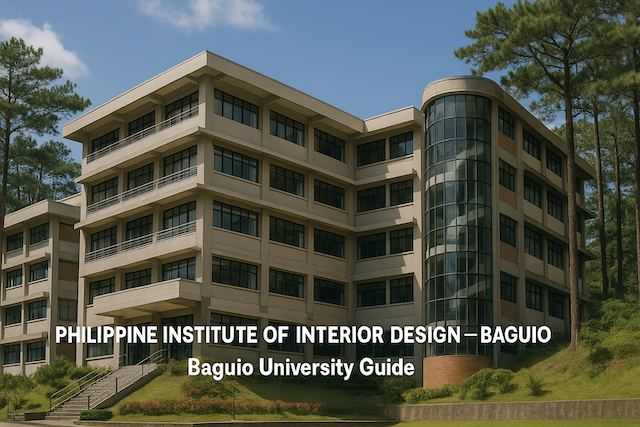
Philippine Institute of Interior Design – Baguio: Baguio University Guide
Contents
- Philippine Institute of Interior Design – Baguio: Baguio University Guide
- Overview of PIID and Its Presence in Baguio
- Why Baguio Is an Ideal Setting for Aspiring Interior Designers
- Academic Pathways for Interior Design Students in Baguio
- Career Opportunities for PIID-Aligned Graduates in Baguio
- Skills PIID Encourages Among Future Designers
- PIID Events and Activities in Baguio
- Tips for Students Planning to Pursue Interior Design in Baguio
- Conclusion
- FAQs (Frequently Asked Questions)
- What is the Philippine Institute of Interior Design (PIID) and how is it connected to Baguio?
- Does PIID Baguio offer a degree program in interior design?
- Who should consider joining PIID activities in Baguio?
- What types of events does PIID usually organize or support in Baguio?
- How does studying or training in Baguio benefit interior design students?
- What are the typical subjects covered in an interior design degree relevant to PIID standards?
- What career opportunities are available for PIID-aligned graduates in Baguio?
- Do interior design students in Baguio need to be proficient in digital design tools?
- How can a student in Baguio start building a strong interior design portfolio?
- Are there opportunities for community-based interior design projects in Baguio?
- How important is sustainability in interior design practice in Baguio?
- What steps can Baguio-based students take to connect with PIID and the wider design industry?
Philippine Institute of Interior Design – Baguio: Baguio University Guide
The Philippine Institute of Interior Design (PIID) is widely recognized across the country as the premier professional organization for interior designers. While the main PIID headquarters and formal chapters are based in major urban centers such as Manila, its influence and training programs extend to various regions—including Baguio City, where design education, creative workshops, and professional development events often take place. Baguio’s thriving arts culture, cool climate, and strong community of creative practitioners make it an ideal environment for aspiring interior designers seeking exposure, inspiration, and hands-on learning opportunities.
This Baguio University Guide provides an in-depth look at the PIID’s role, its relevance to students in the Cordillera region, available learning pathways, industry connections, and what aspiring designers can expect when pursuing interior design in Baguio.
Overview of PIID and Its Presence in Baguio
The Philippine Institute of Interior Design is responsible for upholding professional standards in the industry, promoting ethical design practice, and supporting the growth of interior design education across the Philippines. While PIID is not a school itself, it partners with universities, colleges, and training institutions to promote high-quality design programs and shape future professionals.
In Baguio, PIID often collaborates with:
-
Local universities offering arts and design courses
-
Interior design programs from nearby regions
-
Creative hubs and training centers
-
Government and private sector organizations involved in architecture, housing, and creative industries
Through these collaborations, students in Baguio gain access to workshops, seminars, exhibitions, and potential mentorship opportunities with licensed interior designers.
Why Baguio Is an Ideal Setting for Aspiring Interior Designers
Baguio City is known as the “Creative City of the Philippines,” designated by UNESCO as a Creative City for Crafts and Folk Art. The environment strongly supports training in interior design due to:
A Strong Creative Ecosystem
Baguio’s long-standing tradition of arts and craftsmanship includes weaving, wood carving, metalwork, and contemporary design. These art forms naturally complement interior design principles.
Inspiration from Nature
The city’s pine forests, foggy atmosphere, and mountainous surroundings provide organic inspiration for design concepts, color palettes, and sustainable design thinking.
Access to Local Artisans
Interior design students benefit from collaboration with Cordilleran artisans who create unique handcrafted pieces used in residential, commercial, and hospitality projects.
A Growing Real Estate and Hospitality Sector
Hotels, boutique accommodations, cafés, and wellness spaces in Baguio continue to expand, creating real-world project opportunities and demand for trained designers.
Academic Pathways for Interior Design Students in Baguio
While PIID itself does not offer degree programs, many aspiring designers in Baguio follow structured academic routes aligned with PIID standards.
Bachelor of Science in Interior Design
This is the primary degree program for aspiring professionals. In Baguio and the surrounding region, the program typically covers:
-
Fundamentals of design theory
-
History of architecture and decor
-
CAD and 3D modeling
-
Furniture design
-
Lighting and color theory
-
Material studies
-
Building codes and professional practice
Students may also participate in internship programs with design firms or construction companies.
Short Courses and Workshops
PIID occasionally holds or endorses training sessions in Baguio that cover specialized topics such as:
-
Space planning
-
Sustainable design
-
Lighting design
-
Interior styling
-
Client presentation and portfolio development
These programs help students build practical skills beyond academic coursework.
Online and Hybrid Learning Options
With the rise of digital education, many design foundations and PIID-affiliated institutions offer:
-
Online certificate programs
-
Virtual masterclasses
-
Hybrid design studio sessions
This flexibility allows Baguio-based learners to study at their own pace while participating in professional training recognized by the industry.
Career Opportunities for PIID-Aligned Graduates in Baguio
Baguio’s design and real estate sectors are continuously evolving, offering multiple career paths for graduates.
Residential Interior Design
Many families, retirees, and local homeowners seek designers to transform mountain homes, apartments, and vacation properties with professional interior solutions.
Hospitality and Tourism Design
With Baguio being a top tourist destination, interior designers are needed for:
-
Hotels
-
Homestays
-
Coffee shops
-
Restaurants
-
Wellness spas
These establishments often require unique and culturally inspired interiors to attract visitors.
Commercial and Retail Design
Baguio’s retail centers, lifestyle shops, and commercial developments create opportunities in:
-
Space planning
-
Visual merchandising
-
Interior branding
Freelance and Studio Work
Many interior designers in Baguio operate independently or work with small creative studios that specialize in both interior design and product design.
Teaching and Training
Professionals aligned with PIID may also transition into academic roles or conduct design workshops for aspiring creatives.
Skills PIID Encourages Among Future Designers
PIID emphasizes the holistic development of designers, focusing not only on technical proficiency but also on character and professionalism.
Core Technical Skills
PIID advocates mastery in:
-
Drafting and technical drawing
-
3D modeling and rendering
-
Color, material, and lighting application
-
Space planning and ergonomics
-
Knowledge of building codes and safety standards
Creative and Conceptual Skills
Interior designers are encouraged to cultivate:
-
Concept development
-
Design storytelling
-
Artistic experimentation
-
Cultural sensitivity in design
Professional and Ethical Standards
PIID highlights the importance of:
-
Client communication
-
Budget management
-
Ethical sourcing of materials
-
Sustainable design practices
These qualities prepare students for long-term success in the industry.
PIID Events and Activities in Baguio
PIID regularly organizes events nationwide. In Baguio, these may include:
Design Exhibits
Interior design students often showcase thesis projects or collaborative works with local artists.
Professional Talks and Lectures
Licensed designers and architects conduct talks on:
-
Industry trends
-
Sustainable spaces
-
Philippine interior design identity
Design Competitions
Competitions encourage students to innovate and push creative boundaries.
Community-Based Design Projects
PIID sometimes collaborates with LGUs or NGOs for interior improvement initiatives such as:
-
Community centers
-
Libraries
-
Art spaces
-
Public facilities
Participating in these events allows students to gain real-world experience and contribute to the local community.
Tips for Students Planning to Pursue Interior Design in Baguio
Build a Strong Portfolio Early
Document sketches, concept boards, models, and design projects. A strong portfolio is essential when applying for internships or professional practice.
Visit Local Art and Cultural Spaces
Explore museums, handicraft stores, and artisan markets to deepen your understanding of Cordilleran design elements.
Practice Digital Design Tools
Software like AutoCAD, SketchUp, Revit, and Photoshop are vital for modern interior design practice.
Attend PIID Workshops
Joining PIID-led events will keep you updated with industry standards and help establish professional connections.
Engage in Real Projects
Assist with community design initiatives or volunteer for space improvement projects to gain hands-on experience.
Conclusion
The Philippine Institute of Interior Design plays a major role in shaping the future of interior design education and practice in the Philippines. For students in Baguio, the organization provides access to training, professional development, design events, and industry connections that complement the city’s naturally artistic environment. Whether pursuing a degree, attending workshops, or preparing for a career in residential, commercial, or hospitality design, PIID’s influence ensures that future designers uphold quality, creativity, and professionalism in their work.
Baguio’s vibrant creative culture makes it an inspiring place to begin an interior design journey. With PIID’s guidance and the city’s rich artistic community, aspiring designers have everything they need to thrive in the industry.
FAQs (Frequently Asked Questions)
What is the Philippine Institute of Interior Design (PIID) and how is it connected to Baguio?
The Philippine Institute of Interior Design (PIID) is the national professional organization of interior designers in the Philippines.
While it is not a school and does not grant degrees, its influence reaches Baguio through partnerships with universities,
design programs, and local creative organizations. In Baguio, PIID often supports seminars, workshops, and design events that help students
and young professionals align their skills with national industry standards.
Does PIID Baguio offer a degree program in interior design?
No. PIID itself does not offer degree programs. Instead, students in Baguio typically enroll in a Bachelor of Science in Interior Design or related
arts and design programs at local or nearby universities. PIID provides guidance, industry linkages, and professional activities that complement
formal education, ensuring that what students learn in school matches the expectations of practicing professionals.
Who should consider joining PIID activities in Baguio?
PIID activities in Baguio are beneficial for a wide range of individuals, including interior design students, architecture and design majors,
young professionals, freelancers, and even creative hobbyists interested in spatial design. Participating in PIID-endorsed events can help you
build networks, better understand the industry, and stay updated on design trends and ethical standards in the Philippines.
What types of events does PIID usually organize or support in Baguio?
In Baguio, PIID-associated events often include design talks, professional lectures, portfolio-building workshops, industry forums, and exhibits
featuring student or professional works. There may also be design competitions and community-based projects such as improving public interiors,
community centers, or creative spaces. These activities are designed to enhance both technical and practical skills while engaging with the local community.
How does studying or training in Baguio benefit interior design students?
Baguio offers a unique environment for interior design education. The city is surrounded by mountains, pine forests, and cool weather, which inspire
natural and sustainable design concepts. It is also a UNESCO Creative City, with a strong culture of arts, crafts, and indigenous traditions.
Students gain exposure to local artisans, handcrafted materials, and cultural motifs that can be integrated into interior design projects.
What are the typical subjects covered in an interior design degree relevant to PIID standards?
A typical interior design program aligned with PIID standards includes subjects such as basic and advanced design principles, color theory, lighting design,
space planning, history of architecture and interiors, furniture design, materials and finishes, drafting and CAD, building technology, and professional practice.
Many programs also emphasize sustainable design, building codes, and preparation for the licensure exam for interior designers.
What career opportunities are available for PIID-aligned graduates in Baguio?
Graduates who align themselves with PIID standards can pursue careers as residential interior designers, commercial space planners, hospitality designers,
retail and visual display designers, or freelance consultants. In Baguio, there is demand for professionals who can design homes, hotels, homestays, cafés,
restaurants, and wellness spaces. Some also work in construction firms, design studios, furniture companies, or eventually teach in design schools.
Do interior design students in Baguio need to be proficient in digital design tools?
Yes. Proficiency in digital tools is increasingly essential. Students are expected to learn software such as AutoCAD, SketchUp, Revit, and graphic editing
programs for presentation boards. These tools help in producing accurate technical drawings, 3D visualizations, and professional client presentations.
PIID-related seminars often stress the importance of combining creative hand drawing skills with strong digital competencies.
How can a student in Baguio start building a strong interior design portfolio?
Students should begin by documenting all studio projects, including sketches, floor plans, 3D studies, material boards, and completed presentations.
They can also include personal design explorations, collaborative works with local artisans, and any community-based design projects. Participating in PIID events,
competitions, and exhibits offers additional portfolio content and shows initiative and engagement with the professional design community.
Are there opportunities for community-based interior design projects in Baguio?
Yes. Because Baguio has an active civic and creative culture, there are frequent opportunities to contribute to community projects. These may involve
redesigning small public spaces, improving interiors of schools or community centers, or collaborating with NGOs and local government units.
Such projects help students and young designers apply classroom knowledge to real-world settings while serving the local community.
How important is sustainability in interior design practice in Baguio?
Sustainability is increasingly important, especially in a mountain city like Baguio that is sensitive to environmental changes. PIID-aligned practice encourages
the use of eco-friendly materials, energy-efficient lighting, good natural ventilation, and designs that respect the local climate and cultural context.
Students are urged to think about long-term environmental impact, from responsible sourcing of materials to efficient spatial planning.
What steps can Baguio-based students take to connect with PIID and the wider design industry?
Students can start by following official PIID announcements, joining local or school-based design organizations, and attending talks or exhibits promoted by the institute.
They may also connect with licensed interior designers on professional platforms, ask professors about PIID-related opportunities, and volunteer in events that involve
design advocacy. These actions gradually build a professional network and make the transition from student to practicing designer smoother.
Baguio University Guide
Baguio Province All Universities Lists
Philippines University Guide

How to Register for eTravel Philippines (2025 Guide)
Step-by-step guide to completing your eTravel registration before arriving in the Philippines, with images and tips.

Night Market in Cebu – Things You Don’t Know About Cebu Life
Discover the hidden charm of Cebu’s night markets, from street food stalls to local life tips you won’t find in tourist guides.

How to Use ChatGPT for IELTS Preparation: A Complete Guide
Learn how to prepare for IELTS using ChatGPT — including strategies for Writing, Reading, Listening, Speaking, and grammar support.

How to Build a Website Without Coding Using ChatGPT
Discover how to build your own website using AI—no coding skills needed. From structure planning to SEO and design, let ChatGPT guide you.