2025年12月31日
3D ACADEMY offers affordable English study programs in Cebu, Philippines – perfect for beginners, professionals, and exam takers.

3D UNIVERSAL ENGLISH INSTITUTE INC
info.3d-universal.com
8:00-17:00(Mon-Fri)
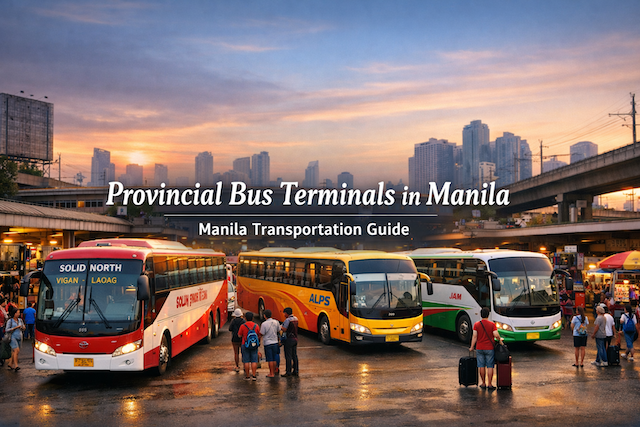
Provincial Bus Terminals in Manila: Manila Transportation Guide
Contents
- Provincial Bus Terminals in Manila: Manila Transportation Guide
- How Provincial Bus Terminals Work in Manila
- PITX (Parañaque Integrated Terminal Exchange)
- Cubao Bus Terminals (Quezon City)
- Avenida / Sta. Cruz Terminals (Manila City)
- Pasay Area Terminals
- Valenzuela Gateway Complex (VGC)
- Choosing the Right Terminal for Your Trip
- Getting to Provincial Bus Terminals
- Ticketing and Boarding Process
- Luggage Rules
- Safety Tips for Travelers
- Peak Season Travel Advice
- Common Mistakes to Avoid
- Final Thoughts
- Frequently Asked Questions (FAQs)
- Which provincial bus terminal in Manila should I use?
- Is PITX the same as “Pasay terminal”?
- Do I need to buy tickets in advance?
- How early should I arrive at the terminal?
- Are Cubao terminals all in one building?
- What is the Avenida terminal area, and should I use it?
- How do I make sure I’m at the right gate or loading bay?
- Can I bring large luggage on provincial buses?
- Is it safe to use provincial bus terminals in Metro Manila?
- What should I do if I miss my bus?
- What’s the best terminal choice if I’m coming from NAIA airport?
Provincial Bus Terminals in Manila: Manila Transportation Guide
Metro Manila is the main gateway for provincial travel in the Philippines. Whether you are heading north to the mountains of Luzon, south to beach destinations, or traveling long-distance to other regions, understanding where provincial buses actually depart is essential. Unlike airports or train systems with a single central hub, Manila’s provincial bus terminals are spread across multiple cities, districts, and terminal types—some modern and integrated, others traditional and operator-specific.
This guide explains all major provincial bus terminals in Metro Manila, how they are organized, which routes typically use them, and how to choose the correct terminal for your trip. If you are a first-time visitor or even a returning traveler confused by terms like “Cubao terminal” or “Pasay terminal,” this article will help you navigate Manila’s bus system with confidence.
How Provincial Bus Terminals Work in Manila
Provincial bus terminals in Metro Manila are not centralized in one location. Instead, they operate under a mix of policies, historical routes, and operator preferences. Some terminals serve as integrated transport hubs, while others function as dedicated terminals for specific bus companies.
In general:
-
Southbound routes tend to be consolidated into large integrated terminals.
-
Northbound routes are still heavily based on long-established operator terminals.
-
Terminal locations can change depending on traffic regulations and government transport policies.
Because of this structure, travelers must always identify both the destination and the bus operator before choosing a terminal.
PITX (Parañaque Integrated Terminal Exchange)
Overview
PITX is the most modern and organized provincial bus terminal in Metro Manila. It was designed as a large-scale transport hub that connects provincial buses with city buses, modern jeepneys, and other public transport options.
Routes Commonly Served
PITX primarily handles southbound and some long-haul routes, including:
-
Cavite
-
Batangas
-
Laguna
-
Quezon Province
-
Bicol Region
-
Selected long-distance routes connected by land and ferry
Not all southbound buses use PITX, but many major operators do.
What to Expect
-
Multi-level terminal with clearly assigned boarding gates
-
Centralized ticket counters for multiple operators
-
Waiting areas, food stalls, and basic passenger facilities
-
Structured boarding process similar to an airport or ferry terminal
Who Should Use PITX
-
Travelers heading south
-
First-time visitors who prefer organized terminals
-
Passengers arriving from NAIA Airport
-
Travelers with large luggage who want clearer boarding systems
Cubao Bus Terminals (Quezon City)
Overview
Cubao is the largest provincial bus hub for northbound travel. When people say “Cubao terminal,” they are usually referring to a cluster of terminals operated by different bus companies rather than a single building.
Cubao’s popularity comes from its location along major highways and its long history as a departure point for northern Luzon routes.
Routes Commonly Served
Cubao terminals typically cover:
-
Pampanga
-
Tarlac
-
Pangasinan
-
La Union
-
Ilocos Region
-
Baguio
-
Nueva Ecija
-
Cagayan Valley
-
Other northern provinces
Important Things to Know
-
Each bus company has its own terminal
-
Some operators have multiple terminals for different routes or bus classes
-
Terminals may be located on different streets within the Cubao area
Who Should Use Cubao
-
Travelers heading north
-
Passengers familiar with Metro Manila
-
Travelers using MRT/LRT connections
-
Those boarding overnight or long-distance buses
Avenida / Sta. Cruz Terminals (Manila City)
Overview
The Avenida or Sta. Cruz area in Manila is one of the oldest provincial bus terminal zones in the city. While its importance has decreased over time, some operators still maintain terminals or dispatch points here.
The term “Avenida terminal” is informal and can refer to multiple streets and locations around Doroteo Jose, Rizal Avenue, and nearby areas.
Routes Commonly Served
Routes vary by operator but may include:
-
Northern Luzon destinations
-
Central Luzon routes
-
Occasional southbound services
Pros and Cons
Pros
-
Convenient for travelers staying in Manila city proper
-
Close to LRT stations
-
Familiar to long-time commuters
Cons
-
Less organized than PITX
-
Multiple locations under one “Avenida” label
-
Can be confusing for first-time travelers
Who Should Use Avenida
-
Travelers staying near central Manila
-
Passengers already familiar with the area
-
Riders confirmed with their operator’s exact boarding point
Pasay Area Terminals
Overview
The Pasay area has long been associated with provincial bus terminals, especially for southbound routes. However, many travelers confuse older Pasay terminals with PITX.
Today, “Pasay terminal” may refer to:
-
PITX (technically in Parañaque)
-
Older operator-specific terminals still located in Pasay
-
Informal references used by locals
Important Tip
Always confirm the exact terminal name and address, not just “Pasay,” to avoid going to the wrong location.
Valenzuela Gateway Complex (VGC)
Overview
Valenzuela Gateway Complex is a newer transport hub located in northern Metro Manila. It was developed to help reduce congestion and offer an alternative boarding point for certain provincial routes.
When VGC Makes Sense
-
If you are staying in Valenzuela or nearby cities
-
If your operator specifically boards from VGC
-
If you want to avoid traveling across Metro Manila to Cubao
VGC does not replace Cubao entirely but can be a useful option for travelers coming from the northern edge of the metro area.
Choosing the Right Terminal for Your Trip
Step 1: Identify Your Destination
-
Southbound: Check PITX first
-
Northbound: Check Cubao-based operators
-
Central Manila stay: Avenida may be an option if your operator uses it
Step 2: Identify the Bus Operator
Different operators use different terminals, even for the same destination.
Step 3: Confirm the Exact Terminal Address
Never rely on generic labels like “Cubao” or “Pasay.” Always verify:
-
Terminal name
-
Street location
-
Landmark
-
Boarding gate or bay (if available)
Getting to Provincial Bus Terminals
From NAIA Airport
-
PITX is often the easiest terminal for southbound trips
-
Cubao requires a longer cross-city trip
-
Taxi or ride-hailing is usually the most practical option with luggage
From Makati or BGC
-
PITX is often practical for southern routes
-
Cubao is accessible via MRT depending on traffic and time
From Manila City
-
Avenida terminals may be closer
-
PITX is accessible but requires more travel time
-
Cubao is better for northbound routes
Ticketing and Boarding Process
Buying Tickets
-
Some operators sell tickets at the terminal only
-
Others allow reservations or online booking
-
Long-distance and premium buses often require seat reservations
Boarding Tips
-
Arrive early to locate the correct terminal and gate
-
Listen for announcements or check display boards
-
Ask official staff if unsure
Luggage Rules
-
Large suitcases usually go in underbus compartments
-
Carry valuables with you
-
Keep baggage claim tags if provided
-
Expect stricter baggage handling during peak seasons
Safety Tips for Travelers
-
Use official ticket counters only
-
Avoid unofficial “helpers” redirecting passengers
-
Keep bags zipped and valuables secured
-
Stay alert in crowded terminal areas
-
Photograph your bus number and ticket details
Peak Season Travel Advice
During holidays and long weekends:
-
Arrive 2–3 hours early
-
Expect longer queues and heavier traffic
-
Consider traveling during off-peak hours if possible
-
Be flexible with departure times
Common Mistakes to Avoid
-
Going to the wrong terminal due to vague directions
-
Assuming all Cubao terminals are in one building
-
Underestimating Metro Manila traffic
-
Arriving too late during peak travel periods
-
Not confirming boarding locations after arrival
Final Thoughts
Provincial bus travel in Manila can feel overwhelming, but it becomes manageable once you understand how terminals are organized. The key is simple: know your destination, confirm your bus operator, and verify the exact terminal location. Integrated terminals like PITX offer structure and convenience, while traditional hubs like Cubao remain essential for northbound travel.
With proper planning and a little extra time, Manila’s provincial bus terminals can be an efficient and affordable way to explore the Philippines beyond the capital.
Frequently Asked Questions (FAQs)
Which provincial bus terminal in Manila should I use?
It depends on your destination and bus operator. For many southbound trips (such as Cavite, Batangas, Laguna, Quezon Province, and Bicol), the Parañaque Integrated Terminal Exchange (PITX) is often the most common starting point because it consolidates many routes and operators in one facility. For many northbound trips (such as Pampanga, Tarlac, Pangasinan, La Union, Ilocos, Baguio, and Cagayan Valley routes), Cubao in Quezon City remains one of the biggest terminal clusters. Some operators also maintain terminals around the Avenida/Sta. Cruz area in Manila, but this is highly operator-specific, so always verify the exact boarding location before you travel.
Is PITX the same as “Pasay terminal”?
Not exactly, but travelers often mix these terms. PITX is located in Parañaque, yet it’s frequently discussed together with Pasay because of its proximity and because Pasay has long been a transport hub. When someone says “Pasay terminal,” they may mean PITX, or they may mean older Pasay-area terminals used by specific operators. To avoid missed trips, confirm the terminal name, the operator, and the exact address from the company you’re riding with.
Do I need to buy tickets in advance?
For short-to-medium provincial trips, you can often buy tickets at the terminal on the day of travel, especially on weekdays. For long-distance routes, overnight buses, holiday periods, and premium services (such as deluxe or first-class coaches), buying early is strongly recommended. Some operators offer online booking or reservation systems, while others still rely primarily on counter ticketing. Even if you book online, you may need to present an ID, claim a printed ticket, or confirm seat assignments at the terminal, depending on the operator’s process.
How early should I arrive at the terminal?
A good baseline is 45 to 90 minutes before departure for normal days, and 2 to 3 hours early during peak seasons (Christmas/New Year, Holy Week, long weekends, and major regional festivals). Integrated terminals like PITX may involve multiple floors, security checks, and longer lines, while Cubao terminals can involve navigating busy streets and multiple loading points. Arriving early gives you time to find the correct gate, handle ticketing, and avoid being rushed.
Are Cubao terminals all in one building?
No. “Cubao terminal” usually refers to a large cluster of different terminals run by different bus companies in the Cubao area of Quezon City. Each operator typically has its own terminal building or dispatch point, and some companies even have separate loading areas for different route groups. Always confirm the exact terminal address or landmark for your bus line, not just “Cubao,” especially if you’re using ride-hailing apps or asking for directions.
What is the Avenida terminal area, and should I use it?
“Avenida” commonly refers to the Sta. Cruz/Doroteo Jose area in Manila, which has historically hosted several bus terminals and dispatch points. Some travelers prefer it if they are staying in central Manila and their operator still boards there. However, “Avenida” can mean different streets and different terminals depending on the company, so it is important to verify the exact location and avoid relying on vague directions. If you are a first-time visitor, an integrated terminal like PITX or a clearly identified Cubao terminal may feel simpler.
How do I make sure I’m at the right gate or loading bay?
Start by confirming the operator’s official terminal address and departure instructions. At PITX, gate assignments may be posted on terminal signage or displays, and they can sometimes change by time or route, so check again after you arrive. At Cubao and other legacy terminal areas, “gate changes” may look like switching to a different bay, moving to a nearby building, or lining up on a different side of the terminal complex. If you are unsure, ask uniformed terminal staff or go directly to the operator’s ticket counter.
Can I bring large luggage on provincial buses?
Yes, most provincial buses allow luggage, but the rules differ by operator and bus type. Larger suitcases usually go in the underbus baggage compartment, while smaller bags can be kept with you as carry-on. Keep valuables (passport, wallet, electronics) with you, not in checked luggage. If the operator provides baggage tags or claim stubs, keep them until you retrieve your luggage at your destination. If you are traveling during peak seasons, baggage compartments can fill up quickly, so arrive earlier.
Is it safe to use provincial bus terminals in Metro Manila?
Generally yes, but you should use common-sense precautions. Stick to official ticket counters and clearly marked terminal areas. Avoid people who approach you aggressively offering “special trips,” “faster buses,” or last-minute rerouting—especially if they try to take you away from the official terminal. Keep your phone and money secured when lining up, and be cautious with offers of help that involve handling your luggage or directing you to a different vehicle. If you feel uncertain, ask terminal staff for confirmation.
What should I do if I miss my bus?
Go immediately to the operator’s ticket counter and explain what happened. Some companies may allow rebooking to the next available trip, while others may require you to buy a new ticket, especially for reserved-seat services. If you are traveling during peak periods, the next available departure could be significantly later. This is another reason to arrive early and to factor in Metro Manila traffic when planning your trip to the terminal.
What’s the best terminal choice if I’m coming from NAIA airport?
If you’re heading south, PITX is often the most straightforward terminal to check first because it is designed as a major transfer point and it serves many southbound routes. If you’re heading north, you will often need to travel toward Cubao or another operator-specific terminal. The best move is to identify your bus company first, confirm where that company boards, then choose the most practical route from the airport (taxi, ride-hailing, or public transport) based on your arrival time and luggage.

How to Register for eTravel Philippines (2025 Guide)
Step-by-step guide to completing your eTravel registration before arriving in the Philippines, with images and tips.

Night Market in Cebu – Things You Don’t Know About Cebu Life
Discover the hidden charm of Cebu’s night markets, from street food stalls to local life tips you won’t find in tourist guides.

How to Use ChatGPT for IELTS Preparation: A Complete Guide
Learn how to prepare for IELTS using ChatGPT — including strategies for Writing, Reading, Listening, Speaking, and grammar support.

How to Build a Website Without Coding Using ChatGPT
Discover how to build your own website using AI—no coding skills needed. From structure planning to SEO and design, let ChatGPT guide you.