2026年1月12日
3D ACADEMY offers affordable English study programs in Cebu, Philippines – perfect for beginners, professionals, and exam takers.

3D UNIVERSAL ENGLISH INSTITUTE INC
info.3d-universal.com
8:00-17:00(Mon-Fri)
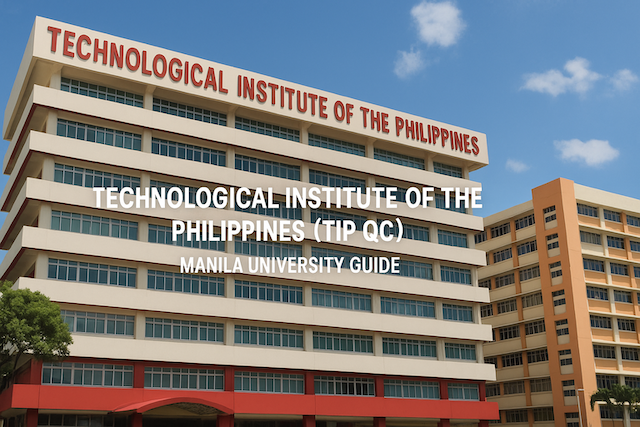
Technological Institute of the Philippines (TIP QC): Manila University Guide
Contents
- Technological Institute of the Philippines (TIP QC): Manila University Guide
- Overview of TIP QC
- Academic Programs Offered
- Accreditation and Global Recognition
- Tuition and Fees
- Admission Requirements and Process
- Campus Facilities and Learning Environment
- Student Life and Campus Culture
- Career Opportunities and Industry Partnerships
- Why Choose TIP QC?
- FAQs (Frequently Asked Questions)
- What programs does TIP QC offer?
- Is TIP QC accredited?
- How much is the tuition fee at TIP QC?
- What scholarships are available for students?
- What are the admission requirements for TIP QC?
- Does TIP QC accept international students?
- What facilities are available on the TIP QC campus?
- What is student life like at TIP QC?
- Are internships and industry partnerships available?
- What makes TIP QC a good choice for students?
- How can I apply to TIP QC?
Technological Institute of the Philippines (TIP QC): Manila University Guide
The Technological Institute of the Philippines – Quezon City (TIP QC) is one of the country’s leading engineering and technology institutions. Known for its strong industry partnerships, advanced laboratories, and excellent board exam performance in selected programs, TIP QC consistently attracts students who want high-quality, practical, and globally aligned education at an affordable cost. This guide provides a comprehensive look at TIP QC’s academic offerings, campus life, facilities, tuition estimates, admission processes, and student experience to help prospective students decide if the institution aligns with their goals.
Overview of TIP QC
Founded in 1962, the Technological Institute of the Philippines has grown into a major private institution offering engineering, architecture, computing, business, education, and maritime programs. Its Quezon City campus, located along Aurora Boulevard, is the larger and more expansive campus in the TIP system. TIP QC is known for its commitment to outcomes-based education (OBE), accreditation from both local and international bodies, and a strong focus on preparing students for global employment.
TIP QC has been accredited by the Philippine Association of Colleges and Universities (PACUCOA) and has received endorsements from respected international organizations such as ABET for some engineering programs. Its emphasis on research, sustainability, community extension, and international collaboration makes it one of the more forward-thinking institutions in Metro Manila.
Academic Programs Offered
TIP QC offers a wide variety of programs across key disciplines, ensuring that students can choose a field that suits their interests and future career aspirations. Below is an overview of its major academic offerings:
Engineering Programs
TIP QC is widely known for its engineering programs, which often perform competitively in board examinations. The engineering department offers:
-
Civil Engineering
-
Mechanical Engineering
-
Electrical Engineering
-
Electronics Engineering
-
Computer Engineering
-
Industrial Engineering
-
Chemical Engineering
These programs follow an outcomes-based curriculum designed to meet both local and international standards. Students learn through a combination of lectures, laboratory work, design projects, and industry engagements.
Architecture and Design Programs
The Architecture program at TIP QC is popular among students who aspire to join the construction, design, or urban planning industries. The curriculum focuses on:
-
Structural fundamentals
-
Sustainable design
-
Architectural theory
-
Digital rendering and modeling
TIP also offers related programs such as Engineering Drafting and Technical Design through its technical and vocational tracks.
Information Technology and Computing Programs
TIP QC trains students for tech-driven careers with programs tailored to industry needs:
-
Information Technology
-
Computer Science
-
Information Systems
-
Multimedia Arts (in some campuses)
The school’s computing programs emphasize software development, data analytics, cybersecurity fundamentals, and emerging technologies. Laboratories are equipped with updated computers and software essential for programming, design, and network simulation.
Business and Management Programs
Non-technical programs remain strong across the TIP system. TIP QC offers:
-
Business Administration (various majors)
-
Accountancy (varies by campus)
-
Entrepreneurship
-
Office Administration
-
Hospitality Management
These programs combine theoretical understanding with real-world applications to prepare students for corporate, managerial, and entrepreneurial careers.
Maritime and Technical-Vocational Programs
TIP historically has strong roots in maritime education, and some maritime courses are also available depending on campus alignment. Technical-vocational programs offer shorter pathways for students who want job-ready skills in areas like electronics, automotive technology, and drafting.
Accreditation and Global Recognition
One of TIP QC’s strongest advantages is its reputation for accreditation and continuous quality improvement. Several engineering programs are accredited by ABET, a well-known international accrediting body focused on applied science, engineering, and technology programs. This accreditation signals that TIP graduates meet global standards and may have easier access to international job markets.
Locally, TIP programs are evaluated by:
-
PACUCOA (Philippine Association of Colleges and Universities Commission on Accreditation)
-
CHED (Commission on Higher Education) through Centers of Excellence and Development
-
Industry partners who review curriculum relevance
Accreditation ensures that TIP QC programs maintain academic rigor and prepare graduates for professional certification.
Tuition and Fees
TIP QC is known for offering some of the most affordable tuition rates among private technology-focused institutions in Metro Manila. While tuition varies per program and academic year, most undergraduate courses fall within a moderate price range that makes TIP an attractive option for financially conscious students.
Typical tuition estimates per semester:
-
Engineering programs: mid to high range depending on lab fees
-
IT and computing programs: moderate
-
Business and management programs: lower to moderate
-
Architecture: moderate due to design and equipment requirements
TIP also offers scholarships, grants, and discounts for academic performers, financially challenged students, and those meeting specific qualifications. These include entrance scholarships, honors scholarships, alumni discounts, and government-funded assistance programs.
Admission Requirements and Process
The admission procedure at TIP QC is generally straightforward and student-friendly. Prospective students must submit the following:
-
Completed application form (online or onsite)
-
Senior High School Report Card (Form 138)
-
PSA Birth Certificate
-
Certificate of Good Moral Character
-
Two ID photos
-
Additional program-specific requirements (e.g., portfolio for design-related courses)
TIP usually conducts entrance assessments or interviews to evaluate readiness for the chosen program. Foreign students may require additional documentation such as passports, visa copies, and proof of English proficiency.
Enrollment can be completed online through TIP’s digital portal, which has improved accessibility for students across the Philippines.
Campus Facilities and Learning Environment
TIP QC has an urban campus environment equipped with modern learning facilities. Academic buildings feature air-conditioned classrooms, well-maintained laboratories, and specialized rooms designed for engineering simulations, architectural drafting, and IT system training. Some notable facilities include:
-
Engineering laboratories (electronics, civil, mechanical, etc.)
-
Computer laboratories with updated software
-
Architecture studios
-
Libraries and study spaces
-
Multipurpose halls for assemblies
-
Technical workshops for hands-on training
While TIP’s campus layout prioritizes functionality over spacious greenery, it provides the essential infrastructure for delivering technical education effectively.
Student Life and Campus Culture
TIP QC fosters a student community that balances academic life with extracurricular activities. Organizations and clubs cater to engineering, IT, arts, sports, and leadership interests. Student councils regularly host events such as:
-
Technical symposiums
-
Innovation competitions
-
Career fairs
-
Cultural showcases
-
Sports tournaments
Campus culture emphasizes discipline, professionalism, and preparedness. Students are encouraged to participate in industry linkages, internships, and research activities.
Career Opportunities and Industry Partnerships
TIP QC has long-standing partnerships with companies in engineering, construction, technology, and manufacturing. These alliances help students gain exposure to real-world applications through:
-
On-the-job training
-
Apprenticeship programs
-
Seminars and guest lectures
-
Career placement services
Graduates often find employment in fields such as engineering design, software development, architecture, energy and utilities, telecommunications, construction management, and corporate sectors. International opportunities also exist for graduates of ABET-accredited programs.
Why Choose TIP QC?
Prospective students consider TIP QC for several reasons:
-
Strong engineering and technology focus
-
Internationally accredited programs
-
Affordable tuition relative to quality
-
Industry-aligned curriculum
-
Competent faculty and modern laboratories
-
Reputation for producing job-ready graduates
Whether students aim for technical careers, creative industries, or entrepreneurship, TIP QC offers solid academic foundations backed by decades of institutional experience.
FAQs (Frequently Asked Questions)
What programs does TIP QC offer?
The Technological Institute of the Philippines – Quezon City (TIP QC) offers a wide selection of academic programs designed to meet the demands of modern industries. These include engineering programs such as Civil, Mechanical, Electrical, Electronics, Industrial, and Computer Engineering. The campus also offers Architecture, Information Technology, Computer Science, Business Administration, Accountancy (depending on campus availability), and various technical-vocational programs. Each program follows an outcomes-based education model to ensure graduates are prepared for real-world challenges.
Is TIP QC accredited?
Yes. TIP QC maintains several local and international accreditations that ensure program quality. Some of its engineering programs hold ABET accreditation, which is recognized globally as a standard for engineering and technology education. Locally, the institution is evaluated by PACUCOA and monitored by CHED to ensure compliance with national academic standards. These accreditations help students qualify more easily for local and international employment opportunities.
How much is the tuition fee at TIP QC?
Tuition fees at TIP QC are known to be affordable compared to other private institutions in Metro Manila. Costs vary depending on the program, especially for courses that require laboratory work such as engineering, architecture, and IT. On average, engineering and architecture programs fall in the mid to high range due to lab and equipment fees, while business and management programs tend to be more affordable. TIP also offers scholarships, discounts, and financial aid options that help reduce the overall cost for eligible students.
What scholarships are available for students?
TIP QC provides a range of scholarships and financial assistance programs. These include entrance scholarships for high achievers, merit scholarships for academically performing students, and discounts for alumni families. Government-funded financial aid programs such as TES or CHED scholarships may also be available depending on eligibility. These scholarships aim to help deserving students continue their studies without excessive financial burden.
What are the admission requirements for TIP QC?
Applicants must prepare several documents to complete their admission process. These include a completed application form, a Senior High School Report Card (Form 138), a PSA Birth Certificate, a Certificate of Good Moral Character, and recent ID photos. Some programs may have additional requirements, especially those that involve design, technology, or technical proficiency. TIP may also conduct interviews or assessments to ensure students are suited for their chosen program.
Does TIP QC accept international students?
Yes, TIP QC welcomes international students who meet the admission criteria. Foreign applicants typically need to submit passport copies, student visa-related documents, and proof of English proficiency if necessary. TIP’s accreditation and internationally aligned curriculum make it an appealing choice for international students seeking affordable and high-quality education.
What facilities are available on the TIP QC campus?
The TIP QC campus is equipped with specialized laboratories, updated computer rooms, engineering workshops, architecture studios, multimedia classrooms, and study areas. The school also houses libraries, project spaces, and multipurpose halls used for events, seminars, and student activities. TIP focuses on a functional, technology-driven environment designed to support hands-on learning and innovation.
What is student life like at TIP QC?
Student life at TIP QC is a balance of academics, activities, and personal development. The campus hosts numerous student organizations, including technical societies, arts and culture groups, leadership organizations, and sports clubs. Throughout the year, the school organizes academic symposiums, innovation contests, career fairs, cultural programs, and community extension activities. These initiatives provide students with opportunities to develop leadership skills and build connections beyond the classroom.
Are internships and industry partnerships available?
TIP QC maintains strong partnerships with companies in engineering, information technology, architecture, manufacturing, telecommunications, and business sectors. These partnerships allow students to participate in internship programs, apprenticeships, and industry talks. The school’s Career Center assists students in finding placements and preparing for professional employment. Industry linkages help students gain practical experience and increase their chances of employment after graduation.
What makes TIP QC a good choice for students?
TIP QC is a strong choice for students seeking a practical, industry-aligned, and affordable education. Its accredited engineering and technology programs, updated facilities, experienced faculty, and career-focused curriculum help students build strong foundations for their future careers. The institution is known for producing job-ready graduates who can compete both locally and internationally. For students pursuing fields such as engineering, IT, architecture, or business, TIP QC provides an environment that emphasizes skills, innovation, and professional development.
How can I apply to TIP QC?
Prospective students can apply online or visit the TIP QC campus for onsite enrollment. The online portal allows applicants to upload documents, fill out forms, and receive updates about their application status. Once requirements are submitted and assessments (if any) are completed, students may proceed with payment and official enrollment. The admissions office provides guidance throughout the process to ensure a smooth experience for new applicants.
Philippines University Guide
Manila University Guide
Manila Province All Universities Lists

How to Register for eTravel Philippines (2025 Guide)
Step-by-step guide to completing your eTravel registration before arriving in the Philippines, with images and tips.

Night Market in Cebu – Things You Don’t Know About Cebu Life
Discover the hidden charm of Cebu’s night markets, from street food stalls to local life tips you won’t find in tourist guides.

How to Use ChatGPT for IELTS Preparation: A Complete Guide
Learn how to prepare for IELTS using ChatGPT — including strategies for Writing, Reading, Listening, Speaking, and grammar support.

How to Build a Website Without Coding Using ChatGPT
Discover how to build your own website using AI—no coding skills needed. From structure planning to SEO and design, let ChatGPT guide you.