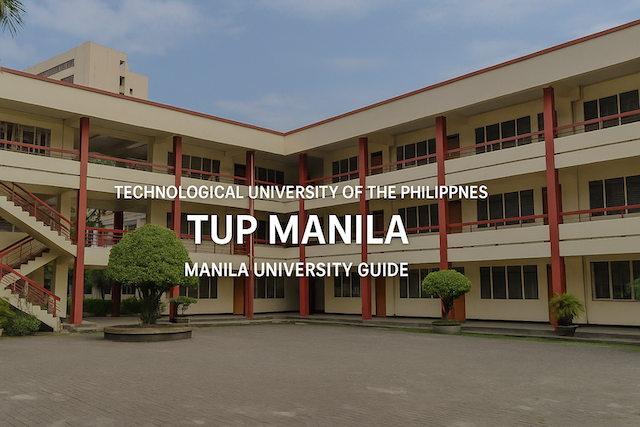
Technological University of the Philippines (TUP Manila): Manila University Guide
The Technological University of the Philippines (TUP Manila) is one of the country’s premier state universities specializing in engineering, industrial technology, applied sciences, and technical education. Established in 1901, TUP has built a strong reputation for producing highly skilled graduates who contribute significantly to the nation’s industrial and technological development. Its Manila campus, located in Ermita, is the flagship campus and home to many of its renowned programs.
This comprehensive guide explores everything you need to know about TUP Manila—from academic programs and campus life to admission processes and nearby facilities—making it useful for prospective students, parents, and anyone considering a technology-focused education in the Philippines.
Overview of Technological University of the Philippines (TUP Manila)
TUP Manila is the main campus of the TUP system, which also includes campuses in Taguig, Cavite, and Visayas. As a state university, TUP is known for offering high-quality education at significantly lower costs than private institutions. The university focuses on technology-driven programs, technical teacher training, industrial education, and engineering, making it ideal for students aiming for careers in technical fields and the manufacturing sector.
The institution follows a mission of producing globally competitive graduates with strong technical skills, research competence, and ethical values. TUP Manila continues to expand its academic offerings and facilities to match global industry standards.
Academic Programs at TUP Manila
TUP Manila offers a wide range of degree programs from undergraduate to graduate levels. These programs are anchored on the university’s emphasis on technical knowledge, innovation, and industrial application.
College of Engineering
The College of Engineering is one of the most respected engineering schools among state universities. Programs include:
-
BS in Civil Engineering
-
BS in Mechanical Engineering
-
BS in Electrical Engineering
-
BS in Electronics Engineering
-
BS in Instrumentation and Control Engineering
These programs prepare students for licensure exams and careers in construction, energy, manufacturing, and automation industries.
College of Industrial Technology
This college focuses on hands-on training and technical skills, offering programs such as:
-
BS in Automotive Technology
-
BS in Electrical Technology
-
BS in Electronics Technology
-
BS in Mechanical Technology
-
BS in Food Technology
Students in these tracks gain practical experience in laboratories, workshops, and industry internships.
College of Architecture and Fine Arts
TUP Manila also offers creative and design-oriented programs, including:
These programs combine artistic development with technical foundations for careers in design, construction, and media.
College of Science
Programs in natural and applied sciences include:
With the rapid growth of tech industries, IT and CS programs are among the most popular choices.
College of Industrial Education
Known for producing technical educators and trainers, the college offers:
Graduates often become instructors in technical-vocational schools or corporate trainers in industrial sectors.
Admission Process at TUP Manila
Admission at TUP Manila is competitive, especially for high-demand programs such as engineering, architecture, and information technology. Applicants must pass the TUP Scholastic and Technical Aptitude Test (TUPSTAT) unless exempted under specific guidelines.
Requirements for Freshman Admission
-
Completed Senior High School with relevant strands (STEM recommended for engineering)
-
Form 138 (Report Card)
-
PSA Birth Certificate
-
2×2 or passport-size photos
-
Certificate of Good Moral Character
Additional requirements may apply for specialized programs.
Entrance Exam (TUPSTAT)
The entrance exam assesses academic aptitude in mathematics, science, English, and technical reasoning. Slots are limited, so early application is highly encouraged.
Transfer and Second-Degree Applicants
TUP Manila accepts transferees and second-degree applicants subject to evaluation of academic records and slot availability.
Tuition and Fees
As a state university, TUP Manila participates in the Free Tuition Law, allowing qualified Filipino students to study with minimal fees. Students may still need to pay for:
Overall, the cost of studying at TUP Manila is significantly lower than most private universities offering similar programs.
Campus Facilities and Learning Environment
TUP Manila provides a practical and supportive learning environment for students pursuing technical and engineering-focused studies.
Engineering and Technology Laboratories
The campus is equipped with various laboratories, workshops, and simulation rooms for engineering, electronics, manufacturing, and industrial technology subjects.
Library and Learning Resource Center
The university library offers books, e-resources, and research materials supporting all academic programs. Study spaces and computer terminals are available.
Student Center and Administrative Buildings
These facilities house student services, registrar offices, and spaces for student organizations and activities.
TUP Gymnasium and Outdoor Grounds
Students have access to a gymnasium and open spaces where sports events, campus gatherings, and physical activities are held.
Student Life and Campus Culture
Life at TUP Manila is vibrant and shaped by the university’s commitment to technical excellence and discipline.
Organizations and Clubs
Students can join various academic, cultural, sports, and interest-based organizations. Popular groups include:
-
Engineering societies
-
Technology and robotics clubs
-
Arts and design organizations
-
Student government and advocacy groups
Campus Events
Events such as intramurals, engineering week, job fairs, and exhibits highlight student skills and creativity.
Internship and Industry Linkages
TUP Manila maintains strong partnerships with manufacturing companies, engineering firms, IT companies, and industrial organizations. These linkages help students secure internships and job placements.
Location and Accessibility
TUP Manila is located in Ermita, Manila, a district known for its educational institutions, government offices, and commercial establishments. Its central location makes it accessible via:
-
Jeepneys and buses along Taft Avenue
-
LRT Line 1 (Pedro Gil or United Nations stations)
-
Nearby terminals and public transport hubs
The university’s proximity to hospitals, malls, and parks adds convenience for students living around Manila.
Accommodation Near TUP Manila
There are many dormitories, boarding houses, and apartments near the campus, with options varying in price and amenities.
Popular nearby areas for student housing include:
-
Ermita
-
Malate
-
Paco
-
Santa Ana
Rates depend on room type, distance from the university, and facilities offered.
Career Opportunities for TUP Graduates
TUP Manila graduates are highly employable due to their strong technical background. They often pursue careers in:
-
Engineering and construction firms
-
Manufacturing and production companies
-
IT and software development
-
Government agencies
-
Technical-vocational institutions
-
Industrial design and creative industries
Many graduates also become licensed engineers, technical educators, or skilled specialists in industrial fields.
Why Choose TUP Manila?
TUP Manila stands out for its:
-
Affordable, high-quality education
-
Strong focus on engineering and industrial technologies
-
Hands-on training and modern laboratories
-
Wide industry connections
-
Proven track record of producing competent technical professionals
For students seeking a practical, skills-based education aligned with industry needs, TUP Manila remains one of the best choices in the Philippines.
FAQs (Frequently Asked Questions)
What type of university is Technological University of the Philippines (TUP Manila)?
Technological University of the Philippines (TUP Manila) is a state university that specializes in engineering, industrial technology, applied sciences, architecture, and technical teacher education. It focuses heavily on practical and industry-oriented training, preparing students for careers in manufacturing, construction, information technology, and other technical fields. As a public institution, it aims to provide accessible higher education while maintaining strong academic and technical standards.
Where is TUP Manila located and how accessible is the campus?
TUP Manila is located in Ermita, Manila, close to major roads, commercial areas, and other universities. The campus is accessible via jeepneys, buses, and the LRT Line 1, with nearby stations along Taft Avenue. Because it is in the heart of the city, students can easily access shopping centers, boarding houses, dormitories, hospitals, and government offices. This central location makes daily commuting more convenient for students coming from different parts of Metro Manila.
What undergraduate programs are offered at TUP Manila?
TUP Manila offers a range of undergraduate programs in engineering, industrial technology, architecture, information technology, computer science, fine arts, and industrial education. Popular programs include civil, mechanical, electrical, and electronics-related engineering courses, as well as various technology majors such as automotive, electrical, and electronics technology. There are also programs for future technical teachers and creative fields like architecture and fine arts, giving students both technical and design-oriented options.
What senior high school strand is recommended for admission to TUP Manila?
For engineering, technology, and science-related programs at TUP Manila, the STEM (Science, Technology, Engineering, and Mathematics) strand in senior high school is generally the most suitable. STEM provides strong foundations in mathematics and science, which are essential for handling university-level technical subjects. However, some programs may accept students from other strands, especially in areas like industrial education, fine arts, or certain technology courses. Applicants should always check the current strand and subject requirements of their target program.
How does the admission process work at TUP Manila?
Admission usually involves passing the official TUP entrance examination, submitting the required documents, and meeting the grade or strand prerequisites of the chosen program. Applicants typically need their senior high school report card, birth certificate, ID photos, and a certificate of good moral character. After the entrance exam, successful applicants may be ranked based on scores and available slots. Because programs in engineering and technology are often in high demand, early application and complete requirements are very important.
Is the tuition at TUP Manila affordable?
As a state university, TUP Manila is known for relatively low tuition compared to many private institutions. Many Filipino students may be able to study with minimal or no base tuition under national government support programs for public higher education, although they still need to pay for certain miscellaneous and laboratory fees. Exact amounts can vary by semester and program, especially for courses with intensive lab or workshop requirements. Students should always refer to the latest official announcements for updated fee schedules.
Are there scholarships or financial assistance options for students?
Yes, TUP Manila students may have access to scholarships and financial assistance from different sources. These can include government-funded scholarships, academic merit scholarships, and grants sponsored by private companies or partner organizations. Some programs may offer financial support for students with outstanding academic performance, while others focus on those with financial need. Interested students should regularly check with the scholarships or student affairs office for current offerings, qualifications, and application deadlines.
Does TUP Manila provide dormitories or on-campus housing?
TUP Manila itself may have limited on-campus housing options, and availability can differ from year to year. Because of this, many students choose to stay in nearby boarding houses, apartments, and dormitories around Ermita, Malate, and other surrounding districts. These off-campus options range from budget-friendly shared rooms to more private and fully furnished units. It is advisable for students and parents to visit the area, inspect the accommodation, and ask about safety, curfew, and additional costs before deciding.
What is student life like at TUP Manila?
Student life at TUP Manila is typically active and practical in nature. Many students balance demanding technical coursework with hands-on laboratory work, workshops, and projects. At the same time, there are numerous student organizations, including engineering societies, technology clubs, arts groups, and student councils. Events such as seminars, exhibits, competitions, and intramurals give students a chance to develop soft skills, leadership, and teamwork while enjoying campus culture and making friends.
What kinds of careers do TUP Manila graduates pursue?
Graduates of TUP Manila often work in engineering firms, manufacturing companies, construction projects, IT and technology companies, design studios, schools, and training institutions. Many pursue licensure as engineers or technical teachers, while others build careers as technologists, supervisors, and specialists in industrial sectors. The strong focus on practical skills and applied technology helps graduates become job-ready and attractive to employers in both the public and private sectors.
Is TUP Manila a good choice for international or provincial students?
TUP Manila can be a good option for students coming from other provinces or abroad who want a technology-focused education at a more affordable cost. The location in Manila provides access to a wide range of industries, internship opportunities, and cultural experiences. However, incoming students need to plan carefully for housing, living expenses, and city life adjustment. International applicants should also check language requirements, visa rules, and any additional admission procedures that may apply to foreign students.