2026年1月16日
3D ACADEMY offers affordable English study programs in Cebu, Philippines – perfect for beginners, professionals, and exam takers.

3D UNIVERSAL ENGLISH INSTITUTE INC
info.3d-universal.com
8:00-17:00(Mon-Fri)
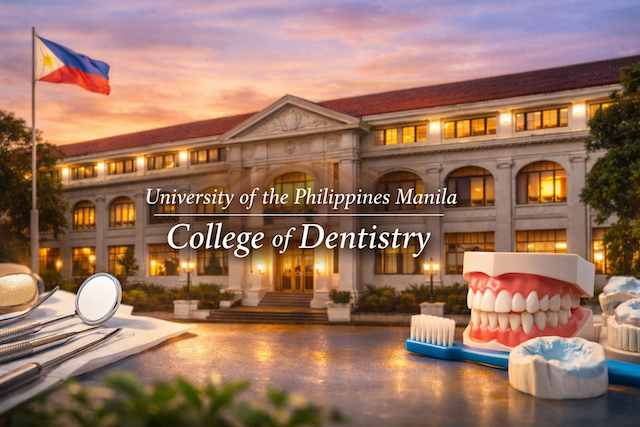
University of the Philippines Manila – College of Dentistry
Contents
- University of the Philippines Manila – College of Dentistry
- Overview of the University of the Philippines Manila College of Dentistry
- History and Legacy of the College of Dentistry
- Academic Programs Offered
- Curriculum Structure and Teaching Approach
- Clinical Training and Facilities
- Faculty and Academic Environment
- Admission Requirements and Selection Process
- Tuition Fees and Cost of Study
- Student Life and Campus Experience
- Research and Public Health Contributions
- Career Opportunities for Graduates
- Licensure and Professional Recognition
- Strengths and Challenges of Studying at UP Manila
- Why Choose UP Manila College of Dentistry
- Conclusion
- FAQs (Frequently Asked Questions)
- Is the University of the Philippines Manila College of Dentistry a good choice for international students?
- What degree does the college offer for dentistry?
- How long does it take to complete the dentistry program?
- How competitive is admission to UP Manila dentistry?
- Does UP Manila have affordable tuition compared with private dental schools?
- What kind of clinical training do students receive?
- Do students treat real patients, and is patient communication important?
- What are the biggest strengths of studying dentistry at UP Manila?
- What challenges should students expect?
- How do graduates become licensed dentists in the Philippines?
- Can UP Manila dentistry graduates work abroad?
- What should applicants do now if they want the most accurate admissions details?
University of the Philippines Manila – College of Dentistry
Overview of the University of the Philippines Manila College of Dentistry
The University of the Philippines Manila (UP Manila) – College of Dentistry is widely recognized as the premier public dental school in the Philippines. As part of the University of the Philippines system—the country’s national university—UP Manila carries a long-standing reputation for academic excellence, public service, and research-driven education.
The College of Dentistry plays a crucial role in training dentists who are not only clinically competent but also socially responsible and committed to improving oral health outcomes for Filipino communities. Graduates of UP Manila are often regarded as among the most well-prepared and highly respected dental professionals in the country.
Located in Ermita, Manila, the college is strategically positioned near major hospitals, research institutions, and government health agencies, making it an ideal environment for interdisciplinary learning and clinical exposure.
History and Legacy of the College of Dentistry
The College of Dentistry traces its roots back to the early 20th century, making it one of the oldest dental institutions in the Philippines. Over the decades, it has been instrumental in shaping national standards for dental education, licensure, and public oral health policy.
UP Manila’s dentistry program was established with a strong public health mandate. Unlike purely private institutions, the college emphasizes service to underserved populations, preventive dentistry, and evidence-based practice. Many faculty members are leaders in professional dental organizations, contributors to national health policy, and authors of influential research.
This historical foundation has helped the college maintain its position as a benchmark institution for dental education in the Philippines.
Academic Programs Offered
Doctor of Dental Medicine (DMD)
The flagship program of the College of Dentistry is the Doctor of Dental Medicine (DMD) degree. This is a six-year program, including pre-dentistry and professional dentistry proper.
The curriculum is structured to progressively build a student’s competencies:
-
Pre-Dentistry Phase: Foundational courses in sciences, humanities, and basic health concepts
-
Pre-Clinical Phase: Dental anatomy, operative dentistry simulations, materials science, and laboratory work
-
Clinical Phase: Supervised patient care, diagnosis, treatment planning, and community-based dentistry
Students receive extensive hands-on training through the college’s dental clinics, where they treat real patients under faculty supervision.
Graduate and Postgraduate Programs
UP Manila also offers advanced training and graduate programs for licensed dentists who wish to specialize or pursue academic and research careers. These may include:
-
Master’s programs related to dental sciences
-
Certificate programs in specialized clinical areas
-
Research-oriented postgraduate tracks
Graduate programs emphasize research methodology, teaching skills, and advanced clinical competence.
Curriculum Structure and Teaching Approach
The College of Dentistry follows a competency-based curriculum aligned with international dental education standards. Instruction balances theory, laboratory simulation, and clinical practice.
Key features of the curriculum include:
-
Strong grounding in biomedical sciences
-
Early exposure to dental laboratory and simulation exercises
-
Progressive clinical responsibilities
-
Emphasis on ethics, professionalism, and patient-centered care
-
Integration of public health dentistry and community outreach
Students are required to manage a diverse range of dental cases, ensuring exposure to restorative, surgical, pediatric, prosthodontic, and preventive dentistry.
Clinical Training and Facilities
Clinical training is one of the strongest aspects of UP Manila’s College of Dentistry. The college operates multiple dental clinics that serve both educational and public service functions.
Dental Clinics and Laboratories
Facilities typically include:
-
General dentistry clinics
-
Specialized treatment areas
-
Dental materials and simulation laboratories
-
Radiology and diagnostic facilities
Students perform procedures such as fillings, extractions, root canal treatments, dentures, and preventive care under close faculty supervision.
Community-Based Dental Programs
A defining feature of UP Manila is its community-oriented clinical training. Students participate in outreach programs that provide dental care to underserved populations, including public school students and low-income communities.
This experience helps students develop not only technical skills but also cultural sensitivity, communication skills, and a strong sense of social responsibility.
Faculty and Academic Environment
The faculty of the College of Dentistry consists of experienced clinicians, researchers, and educators, many of whom hold advanced degrees and specialty certifications. Faculty members are actively involved in:
-
National and international dental research
-
Policy development and advisory roles
-
Professional dental organizations
-
Continuing dental education programs
The academic environment is rigorous and demanding, encouraging critical thinking, independence, and lifelong learning.
Admission Requirements and Selection Process
Admission to the UP Manila College of Dentistry is highly competitive, reflecting the institution’s prestige and limited intake capacity.
Undergraduate Entry
Most students enter through the University of the Philippines College Admission Test (UPCAT) or other UP admission pathways. Academic excellence in science subjects is essential.
Applicants are evaluated based on:
-
Academic performance
-
Entrance examination results
-
Interviews and aptitude assessments
Due to the intensity of the program, only a limited number of students are admitted each year.
Transfer and Lateral Entry
Transfer opportunities are limited and subject to strict academic requirements. Previous coursework is carefully evaluated, and not all credits may be transferable.
Tuition Fees and Cost of Study
As a state-funded university, UP Manila offers significantly lower tuition fees compared to private dental schools in the Philippines.
Tuition is calculated based on a socialized tuition system, which considers a student’s family income. This makes dental education at UP Manila more accessible to academically qualified students from diverse socioeconomic backgrounds.
Additional costs may include:
-
Dental instruments and materials
-
Laboratory fees
-
Clinical requirements
-
Living expenses in Manila
Despite these costs, UP Manila remains one of the most affordable pathways to high-quality dental education in the country.
Student Life and Campus Experience
Studying dentistry at UP Manila is academically intense, but students also benefit from a vibrant campus life.
Campus Location
The Ermita campus is located near:
-
Major hospitals such as Philippine General Hospital
-
Government health agencies
-
Cultural landmarks and museums
-
Public transportation hubs
This urban setting offers both convenience and exposure to real-world healthcare environments.
Student Organizations
Dental students can join various organizations, including:
-
Academic and professional societies
-
Volunteer and outreach groups
-
Cultural and sports organizations
These activities help students build leadership skills, professional networks, and a sense of community.
Research and Public Health Contributions
Research is a core mission of the College of Dentistry. Faculty and students engage in studies related to:
-
Oral disease prevention
-
Dental materials and technology
-
Community oral health programs
-
Health systems and policy
Many research projects directly support national public health initiatives, reinforcing UP Manila’s role as a leader in healthcare education and research.
Career Opportunities for Graduates
Graduates of the UP Manila College of Dentistry enjoy strong career prospects both in the Philippines and abroad.
Common career paths include:
-
Private dental practice
-
Employment in hospitals and clinics
-
Government and public health dentistry
-
Academic and teaching roles
-
Research and policy work
UP graduates are often highly regarded by employers due to their rigorous training and strong ethical foundation.
Licensure and Professional Recognition
After completing the DMD program, graduates must pass the Philippine Dentist Licensure Examination to practice legally.
UP Manila graduates consistently demonstrate high passing rates, reflecting the quality of education and preparation provided by the college.
For those planning to work internationally, UP Manila’s strong academic reputation can be an advantage when applying for credential evaluation or further studies abroad.
Strengths and Challenges of Studying at UP Manila
Key Strengths
-
National university prestige
-
Affordable tuition
-
Strong clinical and community exposure
-
Research-oriented education
-
Highly respected faculty
Potential Challenges
-
Highly competitive admission
-
Heavy academic and clinical workload
-
Limited slots and facilities compared to private institutions
-
Urban campus environment may be demanding for some students
Despite these challenges, many students consider the experience deeply rewarding and transformative.
Why Choose UP Manila College of Dentistry
Choosing the University of the Philippines Manila – College of Dentistry means committing to a demanding yet fulfilling educational journey. The college is ideal for students who value academic rigor, public service, and long-term professional excellence.
Its emphasis on ethical practice, community engagement, and evidence-based dentistry sets it apart from many other dental schools. For aspiring dentists who wish to make a meaningful impact on oral health in the Philippines and beyond, UP Manila remains one of the strongest and most respected choices available.
Conclusion
The UP Manila College of Dentistry stands as a cornerstone of dental education in the Philippines. With its long history, comprehensive curriculum, strong clinical training, and commitment to public service, it continues to shape generations of competent and socially responsible dentists.
For students seeking high-quality, affordable, and impactful dental education, the University of the Philippines Manila offers an exceptional pathway—one that combines academic excellence with a deep sense of national and community responsibility.
FAQs (Frequently Asked Questions)
Is the University of the Philippines Manila College of Dentistry a good choice for international students?
UP Manila is highly respected in the Philippines, but it is primarily designed for local students and national public service. International applicants should carefully review eligibility rules, document requirements, and visa processes before applying. Instruction is generally delivered in English, especially in professional and clinical courses, but students also need to communicate with patients in day-to-day clinical training. If you are an international student, it is important to confirm whether the program is currently open to non-Filipino applicants and what additional steps may be required for admission, enrollment, and clinical participation.
What degree does the college offer for dentistry?
The main program is the Doctor of Dental Medicine (DMD), the professional degree that prepares students to become licensed dentists in the Philippines. The program typically includes foundational pre-dentistry coursework followed by intensive pre-clinical and clinical dentistry training. The structure is designed to build scientific knowledge, manual skills, diagnostic ability, and patient management competence. Some students may also pursue postgraduate training later, but the DMD is the standard route to becoming a practicing dentist.
How long does it take to complete the dentistry program?
The full dentistry track is commonly described as a six-year pathway, although the exact structure can vary depending on updated curricula, prerequisite completion, and individual academic progression. Early years focus on general education and basic sciences, while later years emphasize dental laboratory work, simulation, and supervised patient care. Because clinical requirements must be completed to advance, the time to finish may be affected by course load, clinic scheduling, and successful completion of required competencies.
How competitive is admission to UP Manila dentistry?
Admission is considered highly competitive due to UP’s national reputation and limited slots. Selection typically favors students with strong academic performance, especially in science-related subjects, and high results in the UP admissions process. Applicants should be prepared for a rigorous screening environment, where meeting minimum requirements does not guarantee acceptance. Building a strong academic record early, maintaining good study habits, and preparing for entrance assessments are essential.
Does UP Manila have affordable tuition compared with private dental schools?
Yes. As a public university, UP Manila generally offers lower tuition than many private dental schools. However, dentistry has additional costs that can be significant regardless of tuition level. Students should budget for instruments, dental materials, laboratory requirements, uniforms, clinical fees, and transportation. Living expenses in Manila can also be a major factor. Even if tuition is relatively affordable, the total cost of completing dentistry can still be substantial.
What kind of clinical training do students receive?
Clinical training is a central part of the dentistry program. Students begin with pre-clinical practice in laboratories and simulation settings, then progress to treating real patients under faculty supervision. Clinical experiences typically include diagnosis, treatment planning, preventive care, restorations, extractions, periodontal care, and prosthodontic work. The intensity increases in the later years as students complete required competencies and manage more complex cases.
Do students treat real patients, and is patient communication important?
Yes. Students provide supervised services to real patients in the college’s clinical facilities. Because dentistry involves direct patient interaction, communication is essential. While academic instruction is often in English, patient conversations may involve Filipino or other local languages, depending on the community served. Students who are not fluent in local languages may need additional support to communicate effectively, especially during history-taking, explaining procedures, and providing aftercare instructions.
What are the biggest strengths of studying dentistry at UP Manila?
Common strengths include rigorous academic standards, strong clinical exposure, a culture of public service, and a respected university reputation. UP Manila also benefits from being part of a larger health sciences environment, which can support interdisciplinary learning. Students often develop a solid foundation in evidence-based dentistry, ethics, and professional responsibility. The program is also known for producing graduates who perform well in professional settings.
What challenges should students expect?
Dentistry is demanding everywhere, and UP Manila is known for high expectations. Students should expect heavy workloads, long hours in labs and clinics, and pressure to meet clinical requirements. Time management can be challenging, especially during the transition to clinical years. In addition, as a busy public-serving institution, clinic schedules and patient flow may sometimes affect how students plan their requirements. Staying organized and proactive is important.
How do graduates become licensed dentists in the Philippines?
After earning the Doctor of Dental Medicine degree, graduates must pass the Philippine Dentist Licensure Examination to practice legally. This typically involves a review period and completing all academic and clinical requirements required for eligibility. Students should plan ahead for board exam preparation by building strong fundamentals throughout the program, not only in the final year.
Can UP Manila dentistry graduates work abroad?
Graduates may pursue opportunities abroad, but requirements depend on the destination country. Many countries require additional exams, credential evaluation, or bridging programs before a dentist can practice. A strong academic background can be helpful, but international practice is regulated separately in each country. If working abroad is your goal, research the specific licensing steps early, including language requirements, supervised practice rules, and recognition of professional qualifications.
What should applicants do now if they want the most accurate admissions details?
Applicants should consult UP Manila’s official channels for the latest admissions guidelines, deadlines, and eligibility criteria, as policies can change over time. It is also wise to confirm program structure, required documents, and any special rules affecting clinical participation. If you are applying from outside the Philippines, verify visa steps and document authentication requirements well in advance so you can submit a complete application on time.
Dentistry in the Philippines: Education System, Universities, and Career Path

How to Register for eTravel Philippines (2025 Guide)
Step-by-step guide to completing your eTravel registration before arriving in the Philippines, with images and tips.

Night Market in Cebu – Things You Don’t Know About Cebu Life
Discover the hidden charm of Cebu’s night markets, from street food stalls to local life tips you won’t find in tourist guides.

How to Use ChatGPT for IELTS Preparation: A Complete Guide
Learn how to prepare for IELTS using ChatGPT — including strategies for Writing, Reading, Listening, Speaking, and grammar support.

How to Build a Website Without Coding Using ChatGPT
Discover how to build your own website using AI—no coding skills needed. From structure planning to SEO and design, let ChatGPT guide you.