2026年4月5日
3D ACADEMY offers affordable English study programs in Cebu, Philippines – perfect for beginners, professionals, and exam takers.

3D UNIVERSAL ENGLISH INSTITUTE INC
info.3d-universal.com
8:00-17:00(Mon-Fri)
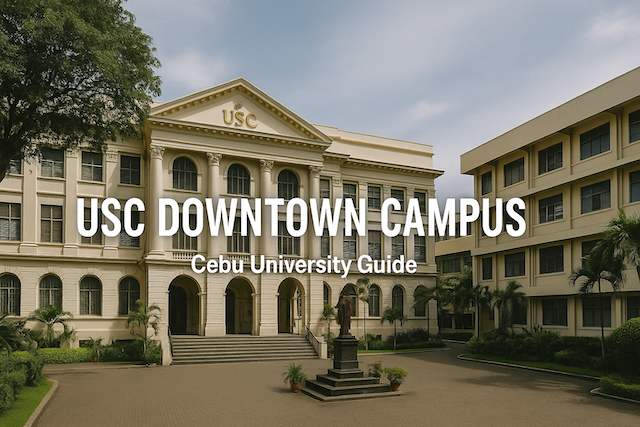
USC Downtown Campus: Cebu University Guide
Contents
- USC Downtown Campus: Cebu University Guide
- Overview of USC Downtown Campus
- Location and Accessibility
- Academic Programs Offered
- Facilities and Resources
- Campus Life and Student Community
- Living Near USC Downtown Campus
- Safety Tips for Students
- Advantages of Studying at USC Downtown Campus
- Challenges to Consider
- Tips for Future Students
- Final Thoughts
- FAQs (Frequently Asked Questions)
- Where is USC Downtown Campus located in Cebu City?
- What colleges and programs are based at the USC Downtown Campus?
- Is USC Downtown Campus a good choice for business and accountancy students?
- What is the learning environment like at USC Downtown Campus?
- Are there libraries and study spaces available on campus?
- What types of facilities support education and training?
- Is it safe to study at USC Downtown Campus?
- What accommodation options are available near the campus?
- How do students usually commute to USC Downtown Campus?
- What is student life like at USC Downtown Campus?
- Are there places to eat on and around the campus?
- Is USC Downtown Campus suitable for international students?
USC Downtown Campus: Cebu University Guide
The University of San Carlos (USC) is one of the most respected and historic universities in the セブ島 educational landscape. Among its multiple campuses, the USC Downtown Campus—also known as the USC Main Campus—stands out as a prominent center for foundational studies, teacher education, business, and social sciences. Located in the heart of Cebu City’s bustling downtown district, the campus offers students unmatched access to urban life, transportation, and cultural heritage sites.
This comprehensive guide explores everything you need to know about the USC Downtown Campus, including key programs, facilities, location advantages, campus life, and tips for students who are planning to study here.
Overview of USC Downtown Campus
The USC Downtown Campus is the university’s oldest campus and is often referred to as the Main Campus. It houses the School of Business and Economics, School of Education, and programs under the social sciences and arts. Because of its strategic location in Cebu City, the campus is surrounded by commercial establishments, historic churches, restaurants, and transportation hubs.
The campus combines heritage buildings with modern educational facilities, creating an atmosphere that reflects both tradition and progress. With a diverse student population and active academic culture, it remains one of the busiest and most dynamic learning environments in the region.
Location and Accessibility
Situated in P. del Rosario Street, the USC Downtown Campus is right at the core of Cebu City’s urban center. This location makes it highly accessible for students commuting from various parts of the city and neighboring towns.
Key Access Points:
-
Jeepney Routes: Multiple jeepney routes pass directly in front of or near the campus, making it convenient for commuters on a budget.
-
Taxi and Grab: Taxis and Grab cars frequently roam the downtown streets, offering reliable transportation options.
-
Walking Distance to Landmarks: Colon Street, Sto. Niño Basilica, Cebu Metropolitan Cathedral, and major shopping centers like Gaisano Main are just a short walk away.
-
Close to Student Dorms: Numerous affordable student dormitories and boarding houses are located within walking distance.
Downtown Cebu is one of the busiest areas in the city, so students should expect heavy foot traffic and lively street scenes throughout the day.
Academic Programs Offered
USC Downtown Campus hosts several academic programs, primarily under the School of Business and Economics, School of Education, and arts and sciences departments. These programs are known for strong industry connections, research foundations, and high employability rates.
School of Business and Economics
The USC School of Business and Economics (SBE) is regarded as one of the top business schools in the region. It offers:
-
Bachelor of Science in Accountancy (BSA)
-
BS in Management Accounting
-
BS in Business Administration (major in Marketing, Financial Management, Human Resource Management, Operations Management)
-
BS in Economics
-
Master’s degrees in Business Administration and Economics
-
Doctoral programs in Economics and Business
The school maintains partnerships with local and international organizations, providing internships and industry exposure.
School of Education
The School of Education provides foundational and advanced training for future teachers and education professionals.
Programs include:
-
Bachelor of Elementary Education (BEEd)
-
Bachelor of Secondary Education (BSEd) with various majors
-
Bachelor of Physical Education
-
Bachelor of Early Childhood Education
-
Graduate programs in Education
The campus has specialized facilities like science labs, demonstration rooms, and curriculum resource centers to support teaching practice and research.
Arts, Humanities, and Social Sciences
Programs offered include:
-
Psychology
-
Political Science
-
Communication
-
Philosophy
-
Sociology and Anthropology
-
Fine Arts (some courses may be taken in other USC campuses)
These programs promote critical thinking, creativity, research, and community engagement, all essential qualities for future professionals and scholars.
Facilities and Resources
The USC Downtown Campus offers facilities that cater to modern academic needs while preserving its historical character.
Libraries and Learning Spaces
-
A multi-level library with extensive print and digital resources.
-
Quiet reading rooms ideal for individual study.
-
Computer labs with reliable internet and updated equipment.
Classrooms and Lecture Halls
Most classrooms are air-conditioned and equipped with multimedia systems. Larger lecture halls accommodate major college assemblies and seminars.
Laboratories
-
Science labs for education majors.
-
Psychology testing rooms.
-
Business simulation labs.
-
Computer laboratories for IT and business subjects.
Cafeterias and Food Stalls
The campus has cafeterias offering budget-friendly meals. Outside the campus, students will find numerous eateries, fast-food chains, and cafes along P. del Rosario and Colon Street.
Religious Spaces
As a Catholic institution, the campus includes chapels and prayer rooms where masses and spiritual activities are held.
Student Services
-
Guidance and counseling offices
-
Registrar and administrative offices
-
Student affairs support
-
Scholarship and financial aid assistance
Campus Life and Student Community
The USC Downtown Campus is known for its vibrant student culture. With thousands of students walking its halls daily, the campus is always lively and energetic.
Student Organizations
There are organizations for:
-
Business and economics students
-
Education majors
-
Arts and humanities students
-
Religious and spiritual groups
-
Sports and athletics
-
Debate and academic societies
These organizations host events such as seminars, competitions, outreach programs, and cultural festivals.
Events and Activities
Major campus events include:
-
Intramurals and sports festivals
-
Faculty and student research conferences
-
Cultural performances and arts showcases
-
Community extension programs
Diversity and Inclusion
The campus welcomes students from various faiths, provinces, and countries. Diversity in opinion and culture strengthens the university’s academic environment.
Living Near USC Downtown Campus
Many students choose to live near the USC Downtown Campus because of convenience and affordability.
Accommodation Options:
-
Dormitories – Often the most affordable choice, with shared rooms and basic facilities.
-
Boarding Houses – Common in the surrounding streets, offering private or shared rooms.
-
Condominiums – Newer condo units in downtown Cebu provide more comfort but are higher in price.
-
Shared Apartments – Ideal for students looking to split rent with friends.
Because it is a busy commercial district, students should prioritize safety and choose well-reviewed accommodations.
Safety Tips for Students
Downtown Cebu is vibrant but can be crowded, especially during peak hours. Students are encouraged to follow basic safety practices:
-
Keep bags and valuables secured.
-
Avoid dimly lit alleys at night.
-
Use reliable transportation like taxis or Grab for late commutes.
-
Stay aware of your surroundings, especially during rush hours.
-
Follow campus security guidelines.
The campus provides security personnel and CCTV monitoring, creating a safe environment within university grounds.
Advantages of Studying at USC Downtown Campus
Strategic Urban Location
Students gain direct exposure to Cebu City’s commercial and cultural landscape. This benefits business majors, communication students, and those involved in community studies.
Strong Academic Reputation
USC is known for producing top-performing graduates in licensure exams, especially in accountancy, education, and economics.
Affordable Living and Study Environment
Food, transportation, and accommodation options around the campus are relatively affordable, making it attractive to local and international students.
Community-Oriented Learning
Students experience real-world learning through internships, teaching practice, community outreach, and research immersion.
Challenges to Consider
-
Busy and congested area: The downtown location means frequent traffic and heavy crowds.
-
Limited parking: Students with vehicles may find it difficult to secure parking spaces.
-
Noise levels: The surrounding commercial district can get noisy during the day.
Despite these challenges, the campus remains one of the most accessible and practical locations for academic life in セブ島.
Tips for Future Students
-
Visit the campus before enrollment to familiarize yourself with key buildings, offices, and surrounding areas.
-
Join recognized student organizations to build connections and enhance your campus life.
-
Make use of the library and study centers, especially during exam season.
-
Explore dining options around Colon Street for budget-friendly meals.
-
Always set aside time for rest and recreation to balance academic demands.
Final Thoughts
The USC Downtown Campus remains a pillar of academic excellence and cultural heritage in セブ島. With strong academic programs, a convenient location, and an active student community, it offers an enriching and holistic educational experience. Whether you’re pursuing business, education, or the social sciences, the campus equips you with the knowledge and skills needed to thrive in your chosen career.
If you plan to study in Cebu City, the USC Downtown Campus is undoubtedly one of the best choices you can make.
FAQs (Frequently Asked Questions)
Where is USC Downtown Campus located in Cebu City?
USC Downtown Campus, also commonly referred to as the Main Campus, is located along P. del Rosario Street in the heart of downtown Cebu City. It is close to Colon Street, major churches, commercial buildings, and public transportation routes. Because of this central location, students can easily access jeepneys, taxis, Grab cars, and nearby shopping centers or eateries before or after their classes.
What colleges and programs are based at the USC Downtown Campus?
The Downtown Campus primarily hosts the School of Business and Economics, the School of Education, and several programs in the arts, humanities, and social sciences. Popular courses include Accountancy, Business Administration, Economics, Education, Psychology, Political Science, and Communication. Some programs may have classes or specialized facilities in other USC campuses, but many core and major subjects for these fields are offered here.
Is USC Downtown Campus a good choice for business and accountancy students?
Yes. USC is widely recognized as one of the strongest institutions for business and accountancy in the Visayas and Mindanao regions. The School of Business and Economics has a track record of strong performance in licensure exams, particularly in Accountancy. Students also benefit from industry linkages, internships, and exposure to real business environments in Cebu City, which can be a significant advantage when starting a career.
What is the learning environment like at USC Downtown Campus?
The learning environment is a mix of traditional and modern. Historic buildings are integrated with updated classrooms, lecture halls, and laboratories. Students experience a busy campus atmosphere, with many activities, organizations, and events taking place throughout the year. Despite being located in a crowded urban area, the campus itself maintains a more structured and secure environment with clear student policies and academic standards.
Are there libraries and study spaces available on campus?
Yes, the campus has a main library and reading areas designed for individual and group study. Students can access books, journals, theses, and digital resources to support their coursework and research. Aside from the library, there are computer labs and designated study spots around the campus where students can review lessons, work on projects, or prepare for exams in a relatively quiet and focused setting.
What types of facilities support education and training?
USC Downtown Campus provides facilities such as multimedia-equipped classrooms, science and psychology laboratories, computer labs, business simulation rooms, and resource centers for education students. These spaces are designed to support practical training, research, and hands-on learning. Education students may also use demonstration classrooms, while business and social science students often engage in projects, case studies, and community-based activities using these facilities.
Is it safe to study at USC Downtown Campus?
Inside the campus, security personnel, ID checks, and CCTV monitoring help maintain a safe environment for students, staff, and visitors. However, since the campus is in a busy downtown district, students are encouraged to remain cautious when outside school grounds. Basic safety habits such as securing personal belongings, avoiding isolated areas at night, and using trusted transportation options can greatly reduce potential risks.
What accommodation options are available near the campus?
Many students choose to live in dormitories, boarding houses, or shared apartments within walking distance of the campus. These options vary in price and amenities, making it possible to find both budget-friendly and more comfortable setups. Some students also stay in condominiums located in or near downtown Cebu. When choosing accommodation, it is important to consider safety, cleanliness, access to transportation, and travel time to and from the campus.
How do students usually commute to USC Downtown Campus?
Most students use jeepneys because they are affordable and widely available along P. del Rosario Street and nearby roads. Others prefer taxis or Grab for convenience and comfort, especially during bad weather or late hours. Some students who live nearby choose to walk to the campus. Because downtown traffic can be heavy, it is wise to allocate extra travel time during peak hours to avoid being late for classes.
What is student life like at USC Downtown Campus?
Student life is active and dynamic. There are many recognized student organizations for business, education, social sciences, arts, culture, sports, and religious life. These groups organize seminars, outreach programs, competitions, and social events. Intramurals, campus-wide celebrations, and academic conferences also form part of the yearly calendar. Joining organizations is a good way to make friends, build leadership skills, and feel more connected to the USC community.
Are there places to eat on and around the campus?
Yes. The campus has cafeterias and food stalls that serve rice meals, snacks, and drinks at student-friendly prices. Just outside the campus, you will find carinderias, local restaurants, fast-food chains, and small cafés along P. del Rosario Street and nearby Colon Street. This variety allows students to choose meals based on their budget and preference, whether they want a quick budget plate or a more relaxed café environment for studying.
Is USC Downtown Campus suitable for international students?
USC welcomes students from different regions of the Philippines and from abroad. The Downtown Campus, in particular, offers a multicultural environment because of its mix of programs and the diversity of its student population. International students can benefit from the university’s strong academic reputation, English-medium instruction, and exposure to the local culture and community. It is advisable for foreign students to coordinate with the university’s international and admissions offices for visa, enrollment, and orientation support.
University of San Carlos (USC) Guide
Philippines University Guide
Cebu University Guide
Cebu Province All Universities Lists

How to Register for eTravel Philippines (2025 Guide)
Step-by-step guide to completing your eTravel registration before arriving in the Philippines, with images and tips.

Night Market in Cebu – Things You Don’t Know About Cebu Life
Discover the hidden charm of Cebu’s night markets, from street food stalls to local life tips you won’t find in tourist guides.

How to Use ChatGPT for IELTS Preparation: A Complete Guide
Learn how to prepare for IELTS using ChatGPT — including strategies for Writing, Reading, Listening, Speaking, and grammar support.

How to Build a Website Without Coding Using ChatGPT
Discover how to build your own website using AI—no coding skills needed. From structure planning to SEO and design, let ChatGPT guide you.