2025年12月31日
3D ACADEMY offers affordable English study programs in Cebu, Philippines – perfect for beginners, professionals, and exam takers.

3D UNIVERSAL ENGLISH INSTITUTE INC
info.3d-universal.com
8:00-17:00(Mon-Fri)
How to Ride a Bus in Manila: Manila Transportation Guide
Contents
- How to Ride a Bus in Manila: Manila Transportation Guide
- Introduction: Understanding Manila’s Bus System
- Types of Buses in Manila
- Where to Find Bus Stops in Manila
- How to Know Which Bus to Take
- How to Pay Bus Fares in Manila
- Step-by-Step: How to Ride a Bus in Manila
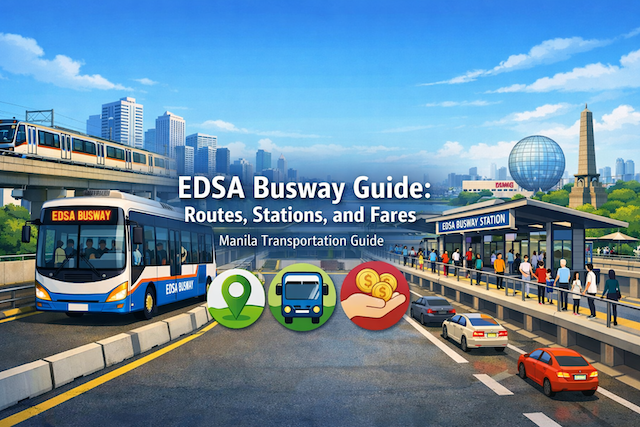
- Riding the EDSA Busway: What Makes It Different
- Bus Etiquette in Manila
- Safety Tips When Riding Buses in Manila
- Common Challenges and How to Handle Them
- Bus vs Other Transportation Options
- Is Riding a Bus in Manila Worth It for Tourists?
- Final Thoughts: Riding a Bus in Manila with Confidence
- FAQs (Frequently Asked Questions)
- Is it safe to ride buses in Manila as a first-time visitor?
- What is the easiest type of bus for tourists in Manila?
- How do I know which bus to take if route signs are confusing?
- Do Manila buses have fixed bus stops, or can I flag them anywhere?
- How do I pay for a bus ride in Manila?
- Should I carry exact change when riding city buses?
- How much does a typical bus ride cost in Metro Manila?
- What time should I avoid riding buses due to crowds?
- Can I bring luggage on Manila buses?
- How do I know when to get off the bus if there are no announcements?
- What should I do if I miss my stop?
- Are Manila buses air-conditioned?
- What are the best beginner tips for riding buses in Manila?
How to Ride a Bus in Manila: Manila Transportation Guide
Introduction: Understanding Manila’s Bus System
Riding a bus in Manila can feel intimidating at first, especially for first-time visitors. The city is large, traffic is heavy, and the bus system has evolved rapidly in recent years. However, once you understand how buses work, they can be a practical and affordable way to move around Metro Manila.
Today, Manila’s bus network is a mix of modern point-to-point (P2P) buses, city buses, and the highly organized EDSA Busway. These options serve different purposes, from airport transfers to daily commuting along major roads. This guide explains everything you need to know, step by step, so you can ride a bus in Manila with confidence.
Types of Buses in Manila
City Buses
City buses operate on major roads and highways across Metro Manila. They stop frequently to pick up and drop off passengers. These buses are commonly used by locals for daily commuting and short to medium distances.
Most city buses now use fixed routes and designated stops, especially along major corridors. However, compared to trains or P2P buses, they can be slower due to traffic.
EDSA Busway Buses
The EDSA Busway is a dedicated bus lane running along EDSA, Manila’s main highway. Buses on this route stop only at official stations, similar to a train system.
This is one of the fastest ways to travel north to south in Metro Manila during peak hours. It is highly recommended for travelers who want reliability and predictable travel times.
Point-to-Point (P2P) Buses
P2P buses are premium buses connecting key locations such as airports, malls, business districts, and residential areas. They have limited stops, comfortable seating, air conditioning, and fixed schedules.
P2P buses are ideal for tourists, business travelers, and first-time visitors who want a simpler and more comfortable experience.
Where to Find Bus Stops in Manila
Designated Bus Stops
In most areas, buses are required to stop only at designated bus stops. These are usually marked with signs or shelters along main roads. On EDSA, all Busway stops are clearly labeled stations with platforms and security staff.
Bus Terminals
Some routes start and end at terminals located near malls, transport hubs, or business districts. P2P buses almost always use terminals rather than roadside stops.
Malls and Transport Hubs
Large malls such as SM Megamall, Ayala Center, and Trinoma often serve as major bus hubs. If you are unsure where to board, malls are usually a safe place to start.
How to Know Which Bus to Take
Check Route Signboards
Buses display route information on signboards at the front and sides. These usually list major destinations or roads the bus passes through.
For example, a bus sign might show:
-
“Quezon Ave – Taft”
-
“Cubao – Ayala”
-
“EDSA Busway”
If the sign includes your destination or a nearby landmark, it is likely the correct bus.
Ask the Conductor or Driver
It is perfectly acceptable to ask, “Dadaan po ba sa [destination]?” which means “Does this pass by [destination]?” Most conductors and drivers are used to helping passengers.
Use Maps and Transport Apps
Google Maps works reasonably well for major bus routes, especially the EDSA Busway and P2P buses. It may not be perfect, but it can help you identify general directions and stops.
How to Pay Bus Fares in Manila
Cash Payments
Some city buses still accept cash, paid directly to the conductor. If you pay in cash, prepare small bills to avoid delays.
Beep Card
The Beep card is a reloadable transport card used on MRT, LRT, EDSA Busway buses, and some city buses. It is the most convenient payment method if you plan to use public transport frequently.
You can buy and reload Beep cards at train stations, selected convenience stores, and bus terminals.
Fixed vs Distance-Based Fares
-
City buses usually charge based on distance.
-
EDSA Busway buses have fixed or zone-based fares.
-
P2P buses have fixed fares depending on the route.
Always check fare information posted at terminals or stations when available.
Step-by-Step: How to Ride a Bus in Manila
Step 1: Plan Your Route
Decide where you are going and which type of bus best suits your trip. For long distances or heavy traffic corridors, the EDSA Busway or P2P buses are often the best choice.
Step 2: Go to the Correct Bus Stop or Terminal
Arrive at the bus stop or terminal and check signage to confirm you are in the right place. For EDSA Busway, enter the station platform through the designated access point.
Step 3: Line Up and Wait
In organized stations and terminals, passengers line up before boarding. Follow the queue and wait for the bus to arrive.
Step 4: Board the Bus
Board through the front or designated door. On EDSA Busway and P2P buses, you may need to tap your Beep card or show your ticket before entering.
Step 5: Pay or Validate Your Fare
-
Tap your Beep card if required.
-
Pay cash to the conductor if applicable.
-
Keep your ticket if one is issued.
Step 6: Take Your Seat or Hold On
If seats are available, take one. If not, stand and hold onto handrails. During rush hours, buses can get crowded.
Step 7: Prepare to Get Off
As you approach your destination, inform the conductor or press the stop button if available. On Busway stations, listen for announcements or watch station signs.
Step 8: Exit Safely
Exit through the designated door and be mindful of traffic when stepping off roadside stops.
Riding the EDSA Busway: What Makes It Different
Dedicated Lanes and Stations
The EDSA Busway runs on exclusive lanes, avoiding most traffic congestion. Stations are elevated or separated from road traffic, making boarding safer and more organized.
Security and Staff
Most stations have guards and staff to assist passengers. This makes the Busway more tourist-friendly than traditional city buses.
Consistent Schedules
While not perfectly timed, Busway services are more predictable than regular city buses, especially during peak hours.
Bus Etiquette in Manila
Give Priority Seats
Seats near the front are reserved for seniors, pregnant women, and persons with disabilities. Offer your seat if needed.
Keep Bags Close
Place bags on your lap or between your feet to avoid blocking aisles.
Avoid Loud Conversations
Keep voices low, especially when using your phone.
Respect Queues
Always line up where queues are enforced, particularly at Busway stations and terminals.
Safety Tips When Riding Buses in Manila
Watch Your Belongings
Pickpocketing can occur in crowded buses. Keep valuables in zipped bags and avoid using your phone near open windows or doors.
Avoid Peak Hours if Possible
Peak hours are typically:
-
7:00–9:00 AM
-
5:00–8:00 PM
Traveling outside these times is more comfortable.
Choose Well-Lit Stops at Night
If riding at night, board and alight at busy, well-lit areas such as malls or major stations.
Use P2P Buses for Late-Night or Airport Trips
P2P buses are safer and more reliable for travelers with luggage or late-night arrivals.
Common Challenges and How to Handle Them
Heavy Traffic
Traffic is a reality in Manila. If time is critical, choose routes with dedicated lanes such as the EDSA Busway.
Language Barriers
Most conductors understand basic English. Simple phrases and destination names are usually enough.
Route Confusion
If unsure, ask fellow passengers or the conductor. Filipinos are generally helpful and willing to assist.
Bus vs Other Transportation Options
Bus vs Train
Buses cover more areas than trains but are slower during traffic. Trains are faster but limited in coverage.
Bus vs Jeepney
Buses are more comfortable and easier to understand for first-time visitors. Jeepneys are cheaper but require more local knowledge.
Bus vs Grab or Taxi
Buses are much cheaper but less flexible. Ride-hailing services are convenient but can be expensive during peak hours.
Is Riding a Bus in Manila Worth It for Tourists?
For tourists staying near major roads or EDSA, buses are absolutely worth considering. The EDSA Busway and P2P buses, in particular, offer a balance of affordability, safety, and convenience.
City buses are best for travelers who are comfortable navigating urban environments and want to save money while exploring Manila.
Final Thoughts: Riding a Bus in Manila with Confidence
Riding a bus in Manila may seem overwhelming at first, but it becomes manageable once you understand the system. By choosing the right type of bus, planning your route, and following basic etiquette and safety tips, you can use buses as an effective way to get around Metro Manila.
Whether you are commuting daily, exploring the city, or traveling on a budget, Manila’s bus system offers a practical transportation option that connects you to the heart of the city.
FAQs (Frequently Asked Questions)
Is it safe to ride buses in Manila as a first-time visitor?
Yes, it can be safe if you use the same basic precautions you would in any big city. For first-time visitors, the safest and easiest options are usually the EDSA Busway and Point-to-Point (P2P) buses because they have designated stations or terminals, clearer boarding rules, and fewer random stops. On regular city buses, stay aware in crowded areas, keep your phone and wallet secured, and avoid displaying valuables. If you are traveling late at night, choose well-lit terminals near malls or transport hubs and consider P2P routes when available.
What is the easiest type of bus for tourists in Manila?
P2P buses are generally the easiest for tourists because they have fixed schedules, limited stops, and more comfortable seating. They also tend to be more predictable, with clearer information at terminals and online. The EDSA Busway is also beginner-friendly because it works like a train system with official stations. If you are new to Manila, start with P2P buses for airport transfers or major business districts, then try the EDSA Busway for north-south travel along EDSA.
How do I know which bus to take if route signs are confusing?
First, look for major destinations written on the front signboard (examples: “Ayala,” “Cubao,” “Taft,” “Quezon Ave,” or “EDSA Busway”). If you are unsure, ask the conductor or driver before boarding. A simple question like “Does this pass by Ayala?” is usually enough. You can also use Google Maps as a reference for direction and major stops, especially for the EDSA Busway and P2P services. When in doubt, board at a terminal or major stop where staff or signage is available.
Do Manila buses have fixed bus stops, or can I flag them anywhere?
In many areas, buses are supposed to stop at designated bus stops, especially along major corridors. The EDSA Busway only stops at official stations. However, in practice, behavior can vary depending on the route and enforcement. As a visitor, it is best to use official stops and terminals for safety and clarity. Avoid trying to flag down a bus in unsafe or poorly lit areas, and do not step into traffic to signal a bus.
How do I pay for a bus ride in Manila?
Payment depends on the type of bus. Some buses accept cash, which you pay to the conductor after boarding. Many modern services use a stored-value card such as a Beep card, particularly on the EDSA Busway. P2P buses often use tickets purchased at the terminal, online booking, or card-based payment depending on the operator. If you plan to use public transport often, carrying a Beep card and small cash bills is a practical combination.
Should I carry exact change when riding city buses?
Yes, it helps a lot. Conductors can usually make change, but having small bills speeds up boarding and reduces confusion. If you are paying cash, prepare your fare as soon as you sit down or find a safe spot to stand. Avoid pulling out a thick wallet in a crowded bus. Keep small denominations in an easy-to-reach pocket or separate coin purse.
How much does a typical bus ride cost in Metro Manila?
Fares vary by distance and bus type, so there is no single fixed price. City buses generally use distance-based fares, while P2P buses have fixed fares per route. The EDSA Busway often uses fixed or zone-based pricing. For the most accurate information, check fare boards at stations and terminals or ask staff before boarding. If a conductor is collecting fares, you can ask the fare to your destination before paying.
What time should I avoid riding buses due to crowds?
Rush hours in Metro Manila are usually around 7:00–9:00 AM and 5:00–8:00 PM on weekdays. During these times, buses and stations can be very crowded, and traffic can significantly increase travel time on regular roads. If your schedule is flexible, travel mid-morning, early afternoon, or later in the evening. For time-sensitive trips during rush hour, consider the EDSA Busway because the dedicated lane reduces delays.
Can I bring luggage on Manila buses?
You can bring luggage, but the experience depends on the bus type and time of day. P2P buses are the best choice for luggage because they usually have more space and a more organized boarding setup. On regular city buses, luggage can be difficult during peak hours due to crowding and limited room. If you must ride a city bus with luggage, try to travel outside rush hour and keep your bags close so they do not block aisles.
How do I know when to get off the bus if there are no announcements?
On regular city buses, announcements may be limited. Use Google Maps (with location enabled) to track your progress. Watch for major landmarks and road signs. If possible, tell the conductor your destination when you pay and ask them to alert you when it’s near. Many locals do this, especially when traveling to unfamiliar areas. On the EDSA Busway, station names are usually visible and may be announced depending on the bus and route.
What should I do if I miss my stop?
Don’t panic—this happens even to locals. Get off at the next safe stop or station. From there, you can cross to the opposite direction (carefully and using pedestrian crossings) or transfer to another route to return. In some cases, it may be easier to use a short Grab ride from the next stop to your destination. If you are on the EDSA Busway, simply exit at the next station and take a bus back in the opposite direction.
Are Manila buses air-conditioned?
Many buses are air-conditioned, especially modern city buses, the EDSA Busway fleet, and P2P buses. However, the quality of air-conditioning can vary. P2P buses are usually the most comfortable. If comfort is important and your route allows it, choose P2P services or Busway routes over older city buses.
What are the best beginner tips for riding buses in Manila?
Start with P2P buses or the EDSA Busway for your first few rides. Board at terminals or official stations whenever possible. Carry a Beep card if you plan to ride frequently, and keep small cash as backup. Avoid peak hours if you want a less stressful experience. Keep your belongings secured, especially in crowds, and use your phone discreetly. Lastly, don’t hesitate to ask staff, conductors, or nearby passengers for help—clear, simple questions usually work well in Manila.

How to Register for eTravel Philippines (2025 Guide)
Step-by-step guide to completing your eTravel registration before arriving in the Philippines, with images and tips.

Night Market in Cebu – Things You Don’t Know About Cebu Life
Discover the hidden charm of Cebu’s night markets, from street food stalls to local life tips you won’t find in tourist guides.

How to Use ChatGPT for IELTS Preparation: A Complete Guide
Learn how to prepare for IELTS using ChatGPT — including strategies for Writing, Reading, Listening, Speaking, and grammar support.

How to Build a Website Without Coding Using ChatGPT
Discover how to build your own website using AI—no coding skills needed. From structure planning to SEO and design, let ChatGPT guide you.