2025年12月18日
3D ACADEMY offers affordable English study programs in Cebu, Philippines – perfect for beginners, professionals, and exam takers.

3D UNIVERSAL ENGLISH INSTITUTE INC
info.3d-universal.com
8:00-17:00(Mon-Fri)
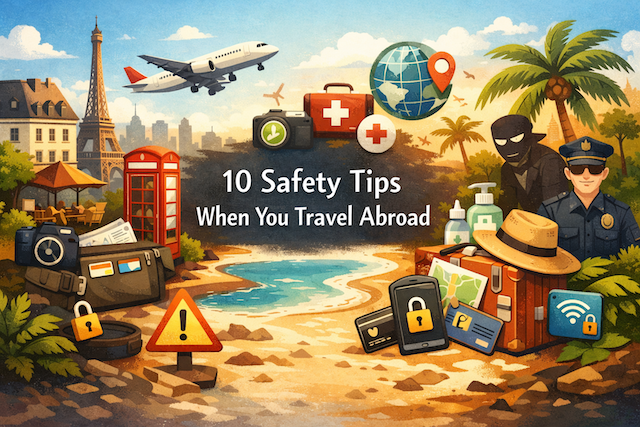
10 Safety Tips When You Travel Abroad
Contents
- 10 Safety Tips When You Travel Abroad
- 1. Research Your Destination Thoroughly
- 2. Keep Copies of Important Documents
- 3. Use Secure Transportation Options
- 4. Stay Aware of Your Surroundings
- 5. Protect Your Money and Valuables
- 6. Understand Local Laws and Customs
- 7. Prioritize Health and Medical Safety
- 8. Be Careful with Alcohol and Social Situations
- 9. Stay Connected and Share Your Plans
- 10. Prepare for Emergencies
- Final Thoughts: Travel Smart, Travel Safe
- FAQs (Frequently Asked Questions)
- What are the most important safety habits when traveling abroad?
- How can I protect my passport and important documents while traveling?
- Is it safer to carry cash or use cards abroad?
- What should I do if I get scammed or overcharged?
- How can I avoid pickpocketing in crowded places?
- Are ride-hailing apps safer than street taxis in foreign countries?
- What health precautions should I take before and during my trip?
- How do I stay safe at night when exploring a new city?
- What should solo travelers do to reduce risk abroad?
- How can I protect my phone and data while traveling internationally?
- What emergency information should I prepare before I travel?
- Do I need travel insurance for short trips?
10 Safety Tips When You Travel Abroad
Traveling abroad is one of the most rewarding experiences you can have. It exposes you to new cultures, foods, languages, and ways of life. However, traveling in an unfamiliar country also comes with risks that you may not face at home. Different laws, customs, health standards, and safety conditions mean that preparation is essential.
Whether you are traveling for vacation, study, work, or long-term stay, understanding basic safety principles can help you avoid unnecessary trouble and enjoy your trip with peace of mind. This guide covers 10 essential safety tips when you travel abroad, designed for first-time travelers and experienced travelers alike.
1. Research Your Destination Thoroughly
One of the most important safety steps happens before you even book your flight. Every country—and even every city—has unique safety concerns.
Start by researching:
-
Local crime levels and common scams
-
Political stability and recent news
-
Areas to avoid, especially at night
-
Cultural norms and laws that tourists often break unintentionally
Government travel advisories can provide useful overviews, but do not rely on them alone. Read recent traveler experiences, expat forums, and local news sources to get a realistic picture of what to expect.
Understanding local customs is also critical. Simple actions such as dress code, gestures, or photography rules can lead to serious misunderstandings in some countries. Being informed helps you blend in and reduces the chance of attracting unwanted attention.
2. Keep Copies of Important Documents
Losing your passport or important documents abroad can quickly turn a great trip into a stressful situation. Preparation can make recovery much easier.
You should:
-
Make physical photocopies of your passport, visa, and travel insurance
-
Save digital copies in secure cloud storage
-
Email copies to yourself or a trusted family member
Keep your original documents in a secure place, such as a hotel safe, when possible. Carry copies with you instead of originals unless absolutely necessary.
If your passport is lost or stolen, having copies will significantly speed up the process at your embassy or consulate.
3. Use Secure Transportation Options
Transportation is one of the most common areas where travelers face safety issues. Scams, overcharging, and unsafe vehicles are common in many destinations.
To stay safe:
-
Use official taxis, ride-hailing apps, or hotel-arranged transport
-
Avoid unmarked vehicles offering rides
-
Research public transportation routes in advance
-
Be cautious when traveling late at night
In some countries, transportation scams target tourists who appear confused or tired. Knowing your route, even roughly, can help you avoid being taken advantage of.
If you rent a car or motorcycle, make sure you understand local traffic laws and driving conditions. In many countries, road safety standards may be very different from what you are used to.
4. Stay Aware of Your Surroundings
Situational awareness is one of the most effective ways to stay safe while traveling abroad. Many problems can be avoided simply by paying attention.
Practice the following habits:
-
Avoid using your phone excessively in public areas
-
Be cautious in crowded places like markets and public transport
-
Trust your instincts if something feels wrong
-
Avoid wearing flashy jewelry or displaying expensive items
Pickpocketing often happens when travelers are distracted. Keeping your belongings close and being aware of who is around you can greatly reduce the risk.
Staying alert does not mean being anxious. It means being mindful and present in your environment.
5. Protect Your Money and Valuables
Managing money safely is a key part of travel safety. Carrying large amounts of cash or keeping everything in one place increases your risk.
Smart money practices include:
-
Using multiple payment methods (cash, cards, digital wallets)
-
Keeping money in different locations
-
Using money belts or anti-theft bags if necessary
-
Avoiding public displays of cash
When using ATMs, choose machines located inside banks or well-lit areas. Be cautious of people offering help at ATMs, as this is a common scam tactic in some countries.
If possible, inform your bank before traveling to avoid card blocks and monitor your accounts regularly for suspicious activity.
6. Understand Local Laws and Customs
What is normal behavior in your home country may be illegal or offensive elsewhere. Ignorance of the law is not an excuse in any country.
Examples of commonly misunderstood issues include:
-
Drug laws, which can be extremely strict
-
Rules about photography near government buildings
-
Public behavior and dress codes
-
Alcohol consumption and smoking regulations
Some countries have severe penalties for actions that seem minor to visitors. Take time to learn the basic legal and cultural expectations of your destination.
Respecting local customs also helps you avoid conflicts and shows courtesy to the people who live there.
7. Prioritize Health and Medical Safety
Health risks vary widely depending on where you travel. Access to medical care, food safety, and disease exposure may be very different from what you are used to.
Before traveling:
-
Check if vaccinations are required or recommended
-
Purchase travel health insurance
-
Research hospitals and clinics near your accommodation
During your trip:
-
Drink bottled or treated water if tap water is unsafe
-
Be cautious with street food if you have a sensitive stomach
-
Carry basic medications and a first-aid kit
If you have existing medical conditions, bring enough medication for your entire stay and carry a doctor’s note if required.
8. Be Careful with Alcohol and Social Situations
Socializing is a big part of travel, but it can also increase risks if you are not careful. Alcohol lowers awareness and can make you an easy target for theft or scams.
Safety tips include:
-
Know your limits when drinking
-
Never leave drinks unattended
-
Avoid accepting drinks from strangers
-
Go out with trusted companions when possible
Be cautious when sharing personal information with people you just met. Not everyone has good intentions, especially toward travelers.
Trust should be earned gradually, even in friendly environments.
Staying connected with someone back home adds an important layer of safety when traveling abroad.
You should:
-
Share your itinerary with a trusted person
-
Check in regularly, especially during long trips
-
Have a working phone with local or international service
-
Save emergency contacts on your phone and on paper
If you plan to visit remote areas or go on adventure activities, inform someone in advance. In case of an emergency, knowing your last known location can be critical.
Technology makes staying connected easier than ever, so take advantage of it.
10. Prepare for Emergencies
No one expects emergencies, but being prepared can make all the difference when something goes wrong.
Key emergency preparations include:
-
Knowing the local emergency numbers
-
Locating your country’s embassy or consulate
-
Understanding evacuation procedures if relevant
-
Keeping a small emergency fund
Natural disasters, political unrest, or sudden illness can happen anywhere. Having a basic emergency plan helps you stay calm and act quickly if needed.
Preparedness is not about fear—it is about confidence.
Final Thoughts: Travel Smart, Travel Safe
Traveling abroad should be exciting, enriching, and memorable for the right reasons. While risks exist, most problems can be avoided with preparation, awareness, and common sense.
By following these 10 safety tips when you travel abroad, you reduce your chances of encountering serious issues and increase your ability to handle challenges if they arise. Safe travel does not mean avoiding adventure—it means being ready for it.
With the right mindset and preparation, you can explore the world confidently and focus on what truly matters: enjoying the journey.
FAQs (Frequently Asked Questions)
What are the most important safety habits when traveling abroad?
The most important habits are planning ahead, staying aware of your surroundings, and protecting your documents, money, and devices. Research your destination’s common scams, neighborhoods to avoid, and local customs. Keep your passport secure and carry only what you need for the day. Stay alert in crowded areas, avoid displaying valuables, and trust your instincts if a situation feels uncomfortable. These small habits reduce risk more effectively than relying on luck.
How can I protect my passport and important documents while traveling?
Store your passport in a secure place, such as a hotel safe, when you do not need it. Carry a photocopy or a digital copy instead of the original whenever possible. Keep separate backups: one in cloud storage and one with a trusted person. If you must carry your passport, use an inside pocket or an anti-theft travel wallet, and avoid taking it out in public unless necessary. Knowing where your embassy or consulate is located is also helpful in case of loss.
Is it safer to carry cash or use cards abroad?
In most cases, a mix of cash and cards is safest. Cash is useful for small purchases and places that do not accept cards, while cards provide better tracking and may offer fraud protection. Avoid carrying large amounts of cash at once and split money between different places (wallet, hidden pouch, luggage). Use ATMs located inside banks or well-lit areas, and monitor your accounts regularly. Also, inform your bank about your travel dates to reduce the chance of your card being blocked.
What should I do if I get scammed or overcharged?
First, stay calm and prioritize your personal safety. If the situation is not dangerous, document what happened by saving receipts, taking screenshots, or noting the location and time. If you were overcharged by a merchant, you can politely ask for clarification or request a correction. If a ride or service involved fraud, report it through the app or to the company. For more serious scams, contact local authorities and your bank immediately, especially if cards were involved. Consider leaving a factual review to warn other travelers.
How can I avoid pickpocketing in crowded places?
Pickpocketing often targets distracted travelers. Use a crossbody bag with zippers, keep it in front of you in crowded areas, and avoid putting valuables in back pockets. When using public transportation, keep your phone secure and be cautious when doors open and close, as thieves may grab items quickly. Reduce distractions by limiting phone use while walking. If someone bumps into you or creates a distraction, immediately check your belongings.
Are ride-hailing apps safer than street taxis in foreign countries?
Ride-hailing apps can be safer in many destinations because trips are recorded, driver details are visible, and pricing is often set in advance. However, safety still depends on the country and the platform’s reliability. Always verify the license plate and driver name before entering the car, and avoid accepting rides from someone who claims to be your driver but does not match the app details. If street taxis are common and regulated, use official taxi stands or ask your hotel to arrange one.
What health precautions should I take before and during my trip?
Before traveling, check recommended vaccinations and pack essential medications. Purchase travel insurance that covers medical treatment and emergencies. During your trip, drink safe water (bottled or treated where needed), wash your hands often, and be cautious with food if you are unsure about hygiene. If you have allergies or medical conditions, carry a card explaining them in English and, if possible, in the local language. Research nearby clinics and hospitals so you are not searching for help during a stressful moment.
How do I stay safe at night when exploring a new city?
At night, choose well-lit areas with visible foot traffic and avoid shortcuts through empty streets. Plan your route in advance, keep your phone charged, and arrange safe transportation before you go out. If you drink alcohol, know your limit and keep your awareness. Traveling with a companion can reduce risk. If you feel uncomfortable, step into a busy shop, hotel lobby, or café and reassess your plan. Safety is not about fear—it is about making smart choices under lower visibility conditions.
What should solo travelers do to reduce risk abroad?
Solo travelers can stay safe by building routines and using extra planning. Share your itinerary with someone you trust and check in regularly. Choose accommodations with good reviews and secure entry. Avoid oversharing your exact location or plans with strangers, especially in nightlife settings. Keep a backup phone charging option, like a power bank. When exploring, start with public and busy areas until you understand the city’s rhythm. Confidence and awareness are powerful safety tools.
How can I protect my phone and data while traveling internationally?
Use a strong passcode, enable biometric lock, and turn on device tracking features. Avoid connecting to unknown public Wi-Fi networks, or use a trusted VPN if you must. Keep your phone out of sight in crowded places, and consider using a cheaper “travel phone” if you are visiting higher-risk areas. Back up photos and documents regularly. Be careful with QR codes posted in public spaces, as some may lead to fake websites designed to steal information.
What emergency information should I prepare before I travel?
Save local emergency numbers, your embassy contact information, and your accommodation address in your phone and on paper. Know how to explain your location, at least in a basic way, if you need help. Keep a small emergency fund separate from your main wallet. If you have travel insurance, store the policy number and emergency hotline. Preparing these details in advance helps you respond faster and more calmly if something unexpected happens.
Do I need travel insurance for short trips?
Travel insurance is recommended even for short trips because emergencies can be expensive anywhere. Medical treatment, flight changes, lost luggage, or trip cancellations can cost far more than the insurance premium. If you already have coverage through a credit card, confirm what it includes and what documents are required for claims. For many travelers, insurance provides peace of mind and financial protection, especially when visiting countries with high healthcare costs.

How to Register for eTravel Philippines (2025 Guide)
Step-by-step guide to completing your eTravel registration before arriving in the Philippines, with images and tips.

Night Market in Cebu – Things You Don’t Know About Cebu Life
Discover the hidden charm of Cebu’s night markets, from street food stalls to local life tips you won’t find in tourist guides.

How to Use ChatGPT for IELTS Preparation: A Complete Guide
Learn how to prepare for IELTS using ChatGPT — including strategies for Writing, Reading, Listening, Speaking, and grammar support.

How to Build a Website Without Coding Using ChatGPT
Discover how to build your own website using AI—no coding skills needed. From structure planning to SEO and design, let ChatGPT guide you.