2025年12月18日
3D ACADEMY offers affordable English study programs in Cebu, Philippines – perfect for beginners, professionals, and exam takers.

3D UNIVERSAL ENGLISH INSTITUTE INC
info.3d-universal.com
8:00-17:00(Mon-Fri)
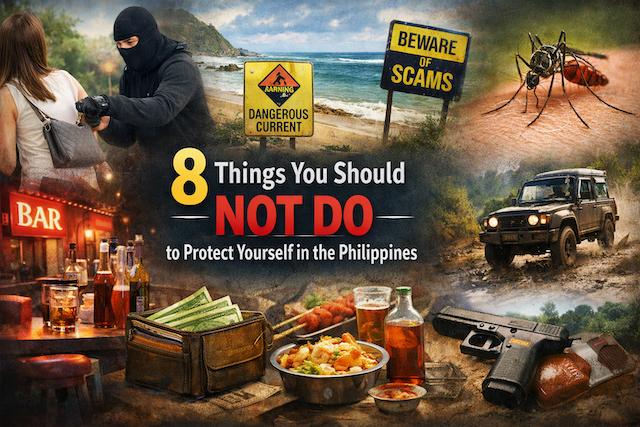
8 Things You Should Not Do to Protect Yourself in the Philippines
Contents
- 8 Things You Should Not Do to Protect Yourself in the Philippines
- Do Not Assume the Philippines Is Dangerous Everywhere
- Do Not Display Valuables in Public
- Do Not Ignore Local Advice
- Do Not Walk Alone Late at Night in Unfamiliar Areas
- Do Not Use Unofficial or Unmarked Transportation
- Do Not Be Overly Trusting Too Quickly
- Do Not Get Involved in Local Conflicts or Arguments
- Do Not Forget That Alcohol Lowers Awareness
- Final Thoughts: Awareness Is Better Than Fear
- Frequently Asked Questions (FAQs)
- Is the Philippines safe for tourists and international students?
- What are the most common safety issues foreigners face in the Philippines?
- Should I avoid using my phone in public?
- Is it okay to walk at night in the Philippines?
- What transportation is safest for foreigners?
- How can I avoid scams without being rude?
- Is nightlife safe in the Philippines?
- What should I do if I lose my passport or valuables?
- How can I stay safe while still enjoying local culture?
8 Things You Should Not Do to Protect Yourself in the Philippines
Traveling or living in the Philippines can be an incredibly rewarding experience. The country is known for its warm hospitality, beautiful islands, vibrant cities, and friendly people. However, like any destination, personal safety depends largely on awareness and behavior. Many problems travelers face are not caused by extreme danger, but by small mistakes, misunderstandings, or careless habits.
This guide focuses on what you should NOT do if you want to protect yourself in the Philippines. These are common behaviors that can increase risk, especially for first-time visitors, students studying abroad, or long-term residents unfamiliar with local norms. By avoiding these mistakes, you can significantly reduce potential problems and enjoy your stay with confidence.
Do Not Assume the Philippines Is Dangerous Everywhere
One of the biggest mistakes people make is arriving with the assumption that the entire country is unsafe. This mindset can lead to poor decisions, unnecessary fear, or disrespectful behavior toward locals.
The Philippines is a diverse country with over 7,000 islands. Safety levels vary widely depending on location, time of day, and local conditions. Many areas such as Cebu City, Bohol, Iloilo, Dumaguete, and parts of Metro Manila are generally safe for foreigners who practice basic precautions.
Assuming danger everywhere may cause you to:
-
Avoid normal social interactions that are actually safe
-
Miss out on cultural experiences
-
Appear suspicious or unfriendly, which can isolate you
Instead of generalizing, focus on learning about specific neighborhoods, local customs, and realistic risks. Balanced awareness is far more effective than fear.
Do Not Display Valuables in Public
One of the most common safety mistakes is openly displaying expensive items. Flashy behavior can attract unwanted attention, especially in crowded urban areas.
Avoid:
-
Walking with your phone held loosely in your hand
-
Wearing expensive jewelry in public transport
-
Carrying luxury bags or wallets openly
-
Counting cash in public places
Snatch thefts are usually opportunistic, not violent. Many incidents happen simply because an item was easy to grab. Using your phone discreetly, keeping valuables in a zipped bag, and blending in with locals significantly lowers your risk.
This does not mean you must hide everything, but situational awareness is key.
Do Not Ignore Local Advice
Another major mistake is dismissing advice from locals, hotel staff, school staff, or long-term residents. People who live in the area understand which places to avoid, which routes are safer, and what times are best to travel.
Ignoring local advice may lead to:
-
Walking into unsafe areas unknowingly
-
Traveling at risky times
-
Using unreliable transportation options
If a local tells you not to walk somewhere at night or to take a taxi instead, take it seriously. This advice is usually based on real experiences, not fear.
Listening does not mean blindly trusting everyone, but local insight is one of your strongest safety tools.
Do Not Walk Alone Late at Night in Unfamiliar Areas
While many parts of the Philippines are safe during the day, risks increase at night, especially in areas you do not know well.
Avoid:
-
Walking alone late at night in poorly lit streets
-
Exploring unfamiliar neighborhoods after dark
-
Relying on Google Maps without understanding local conditions
If you need to go out at night:
-
Use Grab or a trusted taxi
-
Walk with friends
-
Stick to busy, well-lit streets
-
Let someone know where you are going
Most problems happen when people underestimate how quickly conditions can change after dark.
Do Not Use Unofficial or Unmarked Transportation
Transportation is a key safety issue for foreigners. While public transport exists, not all options are equally safe or reliable for visitors.
Avoid:
-
Getting into unmarked taxis
-
Accepting rides from strangers who approach you
-
Using motorcycle taxis without helmets
-
Riding in overcrowded or poorly maintained vehicles
Whenever possible:
-
Use Grab
-
Take taxis from malls, hotels, or official stands
-
Ask locals or staff for trusted transport options
Saving a small amount of money by using unofficial transport can sometimes lead to far bigger problems.
Do Not Be Overly Trusting Too Quickly
Filipinos are generally friendly, helpful, and welcoming. However, being overly trusting with strangers too quickly can put you at risk.
Avoid:
-
Sharing personal details immediately
-
Revealing where you live or stay
-
Lending money to people you just met
-
Leaving drinks unattended in social settings
Scams targeting foreigners often rely on friendliness and emotional manipulation rather than force. Taking time to build trust naturally is safer and more respectful.
Being cautious does not mean being rude. Politeness combined with boundaries is the best approach.
Do Not Get Involved in Local Conflicts or Arguments
Avoid getting involved in arguments, confrontations, or heated situations, even if you feel you are right.
This includes:
-
Verbal disputes in public
-
Road rage situations
-
Arguments involving alcohol
-
Intervening in local disagreements
In some cases, what starts as a small misunderstanding can escalate quickly due to pride, alcohol, or group dynamics. As a foreigner, it is always safer to step away and de-escalate.
If a problem arises:
-
Stay calm
-
Avoid raising your voice
-
Remove yourself from the situation
-
Seek help from authorities or staff if needed
Do Not Forget That Alcohol Lowers Awareness
Alcohol-related incidents are one of the most common causes of trouble for travelers. Drinking can reduce awareness, judgment, and reaction time.
Avoid:
-
Drinking excessively in unfamiliar places
-
Leaving bars alone while intoxicated
-
Accepting drinks from strangers
-
Walking home drunk late at night
If you choose to drink:
-
Go out with people you trust
-
Know your limits
-
Arrange transportation in advance
-
Keep your belongings secure
Many safety issues happen not because of danger, but because awareness drops after drinking.
Final Thoughts: Awareness Is Better Than Fear
Protecting yourself in the Philippines does not require extreme measures or constant anxiety. Most safety issues can be avoided by understanding what not to do and adjusting behavior accordingly.
The Philippines is a country where millions of foreigners live, study, and travel safely every year. Respecting local culture, staying aware of your surroundings, and making informed choices will go a long way in ensuring a positive experience.
By avoiding the mistakes outlined above, you give yourself the best chance to enjoy the country confidently, safely, and respectfully.
Frequently Asked Questions (FAQs)
Is the Philippines safe for tourists and international students?
The Philippines is generally safe for tourists and international students who practice common-sense precautions. Like many countries, safety can vary by city, neighborhood, and time of day. Most visitors have a positive experience without serious problems. The key is to stay aware of your surroundings, use trusted transportation, keep valuables out of sight, and follow local guidance from hotels, schools, or long-term residents. If you are studying in a major city such as Cebu City or parts of Metro Manila, the biggest risks are usually petty theft, scams, and misunderstandings rather than violent crime. Planning your routes, avoiding poorly lit areas late at night, and traveling with friends when possible can reduce risk significantly.
What are the most common safety issues foreigners face in the Philippines?
For many foreigners, the most common issues are opportunistic theft (such as phone snatching), small scams, overpaying for services, and problems caused by poor situational awareness. Some travelers also experience issues related to nightlife, such as losing belongings while drinking or taking unsafe transport late at night. Another common challenge is trusting strangers too quickly, especially when someone seems extremely friendly and offers unsolicited help. These situations are often preventable by keeping your belongings secure, using official ride-hailing services, and being cautious with personal information. Most safety concerns can be managed with good habits rather than fear.
Should I avoid using my phone in public?
You do not need to completely avoid using your phone in public, but you should use it carefully. The main concern is that holding a phone loosely in crowded areas can make you an easy target for snatch theft. When checking maps or messages, step to the side, keep a firm grip, and avoid standing near the edge of a road where someone on a motorcycle could grab it. In malls, cafes, or secure indoor places, phone use is usually fine. Consider using a crossbody bag or keeping your phone in a front pocket when walking. The goal is not to panic, but to avoid making theft easy.
Is it okay to walk at night in the Philippines?
Walking at night can be okay in many areas, especially in well-lit, busy districts near malls, business centers, and main roads. However, walking alone late at night in unfamiliar or quiet areas increases risk. If you are unsure about a neighborhood, it is safer to use Grab or a taxi from an official stand. For students or first-time visitors, it is best to avoid shortcuts through dark streets and to stay on routes you have used safely during the daytime. If you plan to go out at night, arrange your transportation in advance and share your location with a friend.
What transportation is safest for foreigners?
In many cities, ride-hailing apps like Grab are among the safest and most convenient options because the driver and trip details are recorded in the app. Official taxis from reputable stands at malls, hotels, and airports are also generally safe. If you use public transportation, choose well-known routes and avoid traveling late at night. Be cautious with unmarked vehicles or drivers who approach you offering special deals. Saving a small amount of money is not worth the added risk. When in doubt, ask your hotel front desk or school staff which transport options they recommend.
How can I avoid scams without being rude?
You can avoid scams by staying polite while keeping clear boundaries. A simple “No, thank you” is often enough. Avoid sharing personal details with strangers, and do not feel pressured to accept help you did not request. If someone insists on guiding you, offering a ride, or asking for money, step away and move toward a safer place like a store, mall entrance, or security area. Using fixed-price services, checking menus and rates before ordering, and confirming taxi meters or app fares helps prevent overcharging. Most Filipinos are genuinely helpful, so the goal is to stay cautious without assuming bad intentions from everyone.
Is nightlife safe in the Philippines?
Nightlife can be enjoyable and safe if you take precautions. Problems are more likely when people drink too much, separate from friends, or accept rides from strangers after leaving a bar. If you go out, keep your drink with you, watch your belongings, and stay aware of your surroundings. Use reliable transport home and avoid walking alone late at night. It also helps to choose well-reviewed venues in established nightlife districts. If you feel uncomfortable at any point, leave early. A safe night out is usually about planning, moderation, and staying connected to trusted people.
What should I do if I lose my passport or valuables?
If you lose your passport, contact your embassy or consulate as soon as possible and report the loss to local authorities if required for documentation. Keep digital copies of your passport, visa, and important IDs stored securely online so you can access them quickly. If valuables are stolen, report the incident to security staff (if it happened in a mall or hotel) and to the police if appropriate. If a bank card is involved, freeze your card immediately using your banking app or by calling the bank. Preparing in advance by keeping copies, using a money belt or secure bag, and not carrying all valuables at once can reduce the impact of a loss.
How can I stay safe while still enjoying local culture?
The best approach is balanced awareness. Enjoy local food, festivals, beaches, and city life, but do it with smart habits. Keep valuables secure, use trusted transportation, and pay attention to your environment. Learn a few basic local phrases, respect customs, and listen to advice from locals you trust. Avoid risky behavior such as walking alone late at night in unfamiliar areas or drinking heavily without a plan to get home. Being respectful and prepared helps you connect with people more naturally, and it also helps you avoid misunderstandings. With the right mindset, you can experience the Philippines fully while staying safe.

How to Register for eTravel Philippines (2025 Guide)
Step-by-step guide to completing your eTravel registration before arriving in the Philippines, with images and tips.

Night Market in Cebu – Things You Don’t Know About Cebu Life
Discover the hidden charm of Cebu’s night markets, from street food stalls to local life tips you won’t find in tourist guides.

How to Use ChatGPT for IELTS Preparation: A Complete Guide
Learn how to prepare for IELTS using ChatGPT — including strategies for Writing, Reading, Listening, Speaking, and grammar support.

How to Build a Website Without Coding Using ChatGPT
Discover how to build your own website using AI—no coding skills needed. From structure planning to SEO and design, let ChatGPT guide you.