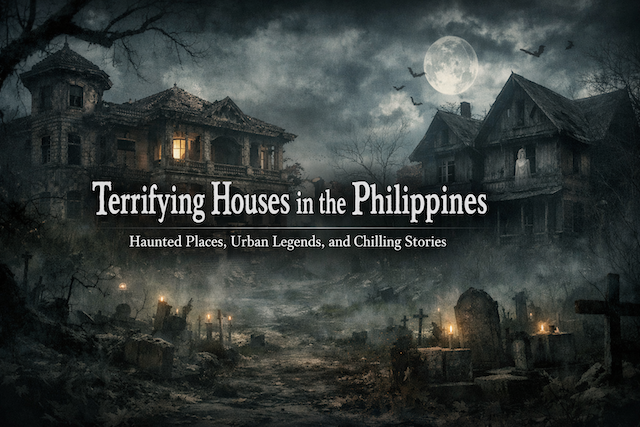
Terrifying Houses in the Philippines: Haunted Places, Urban Legends, and Chilling Stories
The Philippines is known for its warm hospitality, beautiful beaches, and vibrant festivals. However, beneath this welcoming surface lies a darker side filled with spine-chilling tales, haunted houses, and terrifying locations that have captured the imagination of locals for generations. From abandoned mansions to cursed ancestral homes, stories of terrifying houses in the Philippines are deeply rooted in folklore, history, and real-life tragedies.
In this article, we explore some of the most terrifying houses in the Philippines, the legends surrounding them, and why these stories continue to haunt people to this day.
Why the Philippines Has So Many Haunted House Stories
The Philippines has a strong belief in the supernatural. Concepts like multo (ghost), aswang, engkanto, and white lady are commonly discussed, even in modern times. Several factors contribute to the abundance of terrifying house stories:
-
A long colonial history filled with wars, oppression, and tragedies
-
Strong oral storytelling traditions passed down through generations
-
Deep-rooted spiritual beliefs blending Christianity and indigenous folklore
-
Old ancestral houses that have stood for centuries
These elements create the perfect environment for ghost stories and haunted locations to thrive.
The Laperal White House (Baguio City)
One of the most famous terrifying houses in the Philippines is the Laperal White House in Baguio City.
Built in the 1930s, this mansion has witnessed dark moments during World War II, when it was allegedly used by Japanese forces. Locals claim to have seen apparitions, especially a woman believed to be the infamous “White Lady.”
Reported paranormal experiences include:
-
Footsteps echoing in empty hallways
-
Sudden cold spots in certain rooms
-
Sightings of a woman in white near windows and staircases
Although the house has been restored and opened to the public at times, many visitors still report an overwhelming feeling of dread.
Bahay na Pula (San Ildefonso, Bulacan)
The Bahay na Pula, or “Red House,” is considered one of the most horrifying haunted houses in the country.
This abandoned mansion earned its name from the bloodshed that reportedly took place during World War II. It is believed to have been used as a detention and abuse site for women.
Terrifying stories associated with Bahay na Pula include:
-
Screams heard late at night
-
Shadow figures moving inside the house
-
Unexplained scratches and bruises on visitors
Due to its extremely dark reputation, many locals avoid the area entirely.
Diplomat Hotel (Baguio City)
Another terrifying structure in Baguio is the Diplomat Hotel, formerly a seminary and later a hotel.
The building is associated with numerous tragic events, including executions during the Japanese occupation and mysterious deaths after it became a hotel.
Visitors and paranormal investigators claim to have experienced:
-
Apparitions of priests and nuns
-
Sounds of chanting and crying
-
Objects moving on their own
Although it is technically not a house, its residential past and chilling atmosphere earn it a spot on this list.
The Old Balete Drive House (Quezon City)
Balete Drive is legendary in Philippine urban folklore, famous for its “White Lady” sightings. Less discussed is the abandoned house rumored to be the origin of these stories.
According to legend:
-
A woman was murdered and buried within the property
-
Her spirit roams the street at night
-
Drivers report sudden appearances that cause accidents
The house itself is said to be cursed, with past occupants leaving abruptly due to strange occurrences.
The Lopez Ancestral House (Manila)
Old ancestral houses in Manila often carry unsettling histories, and the Lopez Ancestral House is one of the most talked-about.
Though specific details vary depending on who tells the story, common reports include:
-
Mirrors reflecting figures that aren’t there
-
Doors slamming shut without wind
-
Voices whispering names of former residents
These houses remind people that Manila’s modern skyline was built over layers of forgotten history.
The Ruins of Corregidor Barracks
While not a single house, the abandoned living quarters on Corregidor Island are often described as terrifying residential spaces.
Former soldiers’ barracks and officers’ homes are believed to be haunted by spirits of fallen soldiers. Visitors have reported:
The isolation of the island adds to the fear factor.
Common Paranormal Experiences in Haunted Houses
Across the Philippines, people who claim to have entered terrifying houses often report similar experiences:
-
Sudden drops in temperature
-
Feeling watched or followed
-
Sleep paralysis after visiting
-
Nightmares involving the house
These shared experiences strengthen belief in the supernatural nature of these locations.
Why People Are Drawn to Terrifying Houses
Despite the fear, many Filipinos and tourists are fascinated by haunted houses. Reasons include:
-
Curiosity about the afterlife
-
Love for horror stories and thrill-seeking
-
Cultural acceptance of supernatural beliefs
-
Social media and urban exploration trends
For some, visiting these places is a way to confront fear directly.
Safety Warnings When Visiting Abandoned or Haunted Houses
If you are tempted to explore terrifying houses in the Philippines, consider these important safety reminders:
-
Many abandoned houses are structurally unsafe
-
Trespassing can lead to legal trouble
-
Wild animals or dangerous individuals may be present
-
Psychological effects can be intense, especially for sensitive individuals
Respect the location, local beliefs, and your own well-being.
Are These Houses Truly Haunted or Just Legends?
Skeptics argue that fear is influenced by suggestion, environment, and imagination. Old houses naturally produce strange sounds due to aging materials, and darkness amplifies fear.
However, believers insist that some experiences cannot be easily explained. In Philippine culture, both views coexist peacefully, allowing legends to survive without needing proof.
The Role of Storytelling in Keeping These Houses Alive
Many terrifying houses no longer physically exist, yet their stories continue. Filipino storytelling plays a major role in preserving these legends.
Stories are shared through:
As long as stories are told, these houses will never truly disappear.
Terrifying Houses as Cultural Mirrors
These haunted houses often reflect historical pain, unresolved injustice, and collective trauma. They serve as reminders of:
-
War atrocities
-
Colonial oppression
-
Personal tragedies
-
Forgotten lives
In this way, terrifying houses are not just sources of fear, but symbols of memory.
Conclusion: Fear That Never Truly Fades
Terrifying houses in the Philippines are more than spooky locations. They are woven into the nation’s cultural fabric, blending history, belief, and imagination. Whether you see them as haunted or simply abandoned relics, their stories continue to send chills down spines.
As cities modernize and old structures disappear, the legends attached to these houses live on—passed from one generation to the next. In the Philippines, fear does not fade easily. It lingers, waiting quietly, just like the spirits people believe still roam these terrifying houses.
FAQs (Frequently Asked Questions)
Are haunted houses in the Philippines real?
It depends on what you mean by “real.” Many “haunted house” stories in the Philippines are based on old buildings, tragic histories, and local folklore. Some people share personal experiences such as hearing footsteps, seeing shadows, or feeling sudden cold spots. Others believe these are natural reactions to fear, darkness, and suggestion. What is certain is that the Philippines has a strong tradition of supernatural belief, and these stories are widely accepted as part of local culture. Whether you interpret them as paranormal events or psychological effects, haunted house narratives remain powerful and meaningful to many Filipinos.
What is the most famous terrifying house in the Philippines?
There is no single official answer, but several places are frequently mentioned in lists of terrifying or haunted locations. The Laperal White House in Baguio City is one of the most well-known due to “White Lady” stories and wartime history. Bahay na Pula in Bulacan is also infamous because of rumors connected to World War II atrocities. While some people focus on specific houses, others consider locations like old hotels, ruins, and barracks as equally terrifying because they carry similar haunting legends. Popularity often changes depending on region, media exposure, and newly shared stories online.
Why are so many haunted stories connected to old ancestral houses?
Old ancestral houses naturally create an eerie atmosphere: they are large, quiet, and often filled with dark corners, creaking floors, and antique objects. In the Philippines, ancestral homes also represent family history, including deaths, inheritance conflicts, and tragedies that may have occurred decades ago. Because these houses are linked to the past, it becomes easy for communities to attach ghost stories to them. People also believe that spirits may remain where they had strong emotional attachments, especially in places where they lived for a long time.
Is it safe to visit abandoned houses that are rumored to be haunted?
Safety should be your first priority. Many abandoned houses are structurally unstable, with weak floors, broken stairs, sharp debris, and hidden holes. Some locations may be private property, so entering could be considered trespassing. There are also non-paranormal risks, such as stray animals, insects, or unsafe individuals using the building as shelter. If you plan to visit a place for historical curiosity or photography, it is best to go during daylight, with permission if required, and with companions. Avoid risky “dare” behavior and respect local warnings.
What should I do if I feel something strange while inside a scary house?
If you feel intense fear, dizziness, panic, or a strong sensation of being watched, the safest response is to leave calmly. Haunted locations often trigger anxiety, and fear can make your body react strongly. Take slow breaths, focus on grounding yourself, and step outside into a brighter, open area. If you are visiting with friends, communicate clearly and avoid separating. Many locals also follow cultural practices such as speaking respectfully, avoiding insults, and not disturbing objects. Even if you do not believe in spirits, showing respect can prevent conflict with locals and reduce stress.
Why do people report similar paranormal experiences in different places?
Many reported experiences are surprisingly consistent: cold spots, footsteps, whispers, and shadow figures. There are a few reasons this happens. First, many old buildings produce natural sounds due to wind, temperature changes, and aging wood or metal. Second, the human brain looks for patterns, especially in darkness or silence, so shadows and reflections can appear more “alive” than they truly are. Third, if you already know the legend of a place, your expectations can shape what you notice. At the same time, believers argue that consistency across different stories suggests something genuinely unexplained.
What is a “White Lady” and why is she so common in Philippine ghost stories?
The “White Lady” is one of the most famous ghost figures in the Philippines. She is often described as a woman wearing a white dress, appearing near roads, old houses, schools, or hospitals. In many versions, she died tragically—through murder, accident, or heartbreak—and her spirit remains restless. The reason she is so common is partly cultural: white clothing symbolizes spirits in many Asian traditions, and the image is easy to imagine and retell. White Lady stories also spread quickly because they feel personal and emotional, not just frightening.
Are these haunted stories connected to real history?
Some are strongly connected to real historical events, especially stories related to World War II, old prisons, or locations connected to violence and suffering. Places like wartime buildings often carry memories of trauma, and communities may use ghost stories as a way to process painful history. However, the details of many legends change over time. A real building may exist, but the story around it may become exaggerated, mixed with other rumors, or adapted for modern audiences. Even when facts are unclear, the emotional connection to history remains a key reason these stories endure.
Can tourists understand these stories without growing up in the Philippines?
Yes, but understanding improves when you learn a little about Philippine culture and beliefs. Many Filipinos grow up hearing stories about spirits, supernatural creatures, and “third-eye” sensitivity. These ideas influence how people interpret unusual experiences. Tourists may view haunted houses as entertainment or urban legends, while locals may treat them with more seriousness and respect. Reading about local folklore, asking polite questions, and recognizing the cultural context can help visitors appreciate why terrifying houses are more than just scary places—they are part of how communities tell history and express fears.
How can I write about terrifying houses responsibly without spreading harmful misinformation?
A responsible approach is to separate legend from verified fact. You can describe stories as “reports,” “rumors,” or “local tales” rather than stating everything as proven. Avoid naming private homes in a way that encourages trespassing or harassment. If you mention locations, focus on cultural context, history, and safety reminders. You can also include skeptical explanations alongside paranormal claims, letting readers form their own conclusions. The goal is to respect local beliefs and real tragedies while keeping the tone appropriate and not turning serious historical pain into careless entertainment.