2026年4月5日
3D ACADEMY offers affordable English study programs in Cebu, Philippines – perfect for beginners, professionals, and exam takers.

3D UNIVERSAL ENGLISH INSTITUTE INC
info.3d-universal.com
8:00-17:00(Mon-Fri)
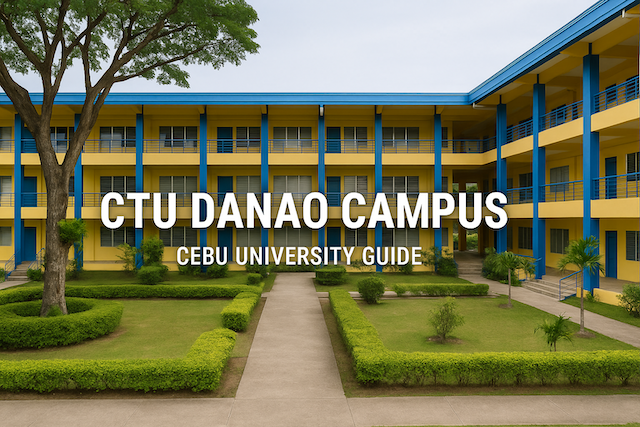
CTU Danao Campus: Cebu University Guide
Contents
- CTU Danao Campus: Cebu University Guide
- Overview of CTU Danao Campus
- Academic Programs Offered
- Admission Requirements
- Tuition and Fees
- Campus Facilities
- Student Life at CTU Danao
- Housing and Living Options Near CTU Danao
- Transportation and Accessibility
- Career Opportunities After Graduation
- Why Choose CTU Danao Campus?
- FAQs (Frequently Asked Questions)
- Where is CTU Danao Campus located and how far is it from Cebu City?
- What degree programs are offered at CTU Danao Campus?
- Is tuition free at CTU Danao Campus?
- What are the basic admission requirements for new students?
- Does CTU Danao Campus offer scholarships and financial assistance?
- What facilities can students use on campus?
- Is there on-campus dormitory housing for students?
- How do students commute to CTU Danao Campus?
- What is student life like at CTU Danao Campus?
- What career paths can CTU Danao graduates pursue?
- How can I get official updates about CTU Danao Campus?
CTU Danao Campus: Cebu University Guide
Cebu Technological University (CTU) Danao Campus is one of the most prominent satellite campuses of CTU in the northern part of Cebu Province. Known for its strong engineering programs, coastal location, and community-driven initiatives, CTU Danao has become a popular choice for students who want access to high-quality public higher education without the cost of studying in Metro Cebu. This guide provides a comprehensive overview of the campus—from programs and admissions to facilities, student life, and nearby living options.
Overview of CTU Danao Campus
CTU Danao Campus operates as one of the major extension units of the Cebu Technological University system. Situated in the city of Danao, around 33 kilometers north of Cebu City, the campus serves students from northern Cebu municipalities such as Compostela, Carmen, Catmon, and as far as Asturias and northern island towns.
The campus is especially known for its engineering and industrial technology programs. It also offers maritime-related courses due to its proximity to the sea, as well as business, education, and computer studies.
CTU Danao is recognized for:
-
Strong academic reputation within CTU’s engineering cluster
-
Accessibility for students in North Cebu
-
Affordable tuition under the Unified Student Financial Assistance System for Tertiary Education (UniFAST)
-
A growing set of facilities supporting laboratories, workshops, and skill-based learning
Academic Programs Offered
CTU Danao Campus offers a balanced mix of technical, professional, and teacher-education programs. While exact offerings may change depending on academic year and CHED approval, the following categories represent the typical degree programs available.
Engineering and Technology Programs
CTU Danao is known for engineering courses with a focus on practical and laboratory-based competencies. Common engineering programs include:
-
Bachelor of Science in Mechanical Engineering (BSME)
-
Bachelor of Science in Electrical Engineering (BSEE)
-
Bachelor of Science in Electronics Engineering (BSECE)
-
Bachelor of Science in Industrial Engineering (BSIE)
The campus may also offer technology-oriented degrees such as:
-
Bachelor of Industrial Technology
-
Bachelor of Science in Industrial Technology (various specializations)
These programs align with the demands of local industries in manufacturing, construction, ship repair, and automotive services.
Maritime and Marine Programs
Due to Danao’s coastal nature, CTU often integrates programs supporting marine industries:
-
Marine Engineering
-
Marine Transportation
-
Fisheries or Aquaculture (depending on curriculum cycle)
These programs support students who aim to work in shipping, fishing, marine operations, and related fields.
Education and Teacher-Training Programs
Teacher education is a staple in many CTU campuses. CTU Danao traditionally offers:
-
Bachelor of Elementary Education (BEEd)
-
Bachelor of Secondary Education (BSEd) – Various majors may include Math, English, Science, or Social Studies
Graduates often serve schools across North Cebu, where the demand for licensed teachers remains high.
Business and Management Programs
For students seeking careers in business sectors, the campus typically includes programs such as:
-
Bachelor of Science in Business Administration (BSBA), with possible majors in HRM, Marketing, or Financial Management
-
Office Administration or Management programs
These degrees prepare students for office, administrative, and entrepreneurship roles.
Computer and Information Technology Programs
As digital skills become more essential, CTU Danao supports IT-related programs such as:
-
Bachelor of Science in Information Technology (BSIT)
-
Diploma or certificate programs in computer systems servicing
These programs are attractive to students who want to enter IT support, software development, or tech-related jobs.
Admission Requirements
Admission procedures follow the general CTU system-wide guidelines. Applicants are advised to confirm through the official CTU Danao Facebook page or registrar’s office for updated steps each year. Generally, incoming freshmen must prepare the following:
-
Senior High School Report Card (Form 138)
-
Good Moral Certificate
-
PSA Birth Certificate
-
2×2 or passport-size photos
-
Accomplished CTU admission form
-
Entrance assessment or interview (depending on program)
Some programs—especially engineering or maritime—may require additional screening or medical evaluation.
Tuition and Fees
CTU is a state university, meaning undergraduate students typically enjoy free tuition under Republic Act 10931 (Free Higher Education Act).
However, students should expect minimal fees, such as:
-
Laboratory charges
-
School ID
-
Uniform (if required by program)
-
Miscellaneous campus fees
These remain significantly lower compared to private universities in Cebu.
Campus Facilities
CTU Danao Campus provides essential facilities that support academic learning and hands-on training.
Classrooms and Lecture Halls
Standard classrooms are available for general education subjects. Renovated spaces may include multimedia equipment for presentations and hybrid learning needs.
Engineering and Technical Laboratories
Since engineering is a key offering, laboratories and workshops commonly include:
-
Electrical and electronics laboratories
-
Machine shops
-
Automotive or mechanical workshops
-
Computer laboratories
-
Drafting rooms
-
Welding and fabrication facilities
These ensure students gain applied skills necessary for licensure and employment.
Library and Learning Resource Center
The campus library provides:
-
Textbooks and reference materials for engineering, education, business, and IT
-
Access to digital academic resources
-
Study spaces for individuals and groups
Maritime and Marine Training Areas
If the maritime program is active, the campus may have or coordinate access to:
-
Engine simulators
-
Basic safety training equipment
-
Seamanship tools and materials
Sports and Outdoor Facilities
Students often participate in campus-wide festivals and sports activities. Facilities may include:
-
Covered court or gymnasium
-
Multipurpose outdoor areas
-
Open grounds for practices and university events
Student Support Facilities
To ensure student welfare, the campus also provides:
-
Guidance office
-
Registrar’s office
-
Health services or clinic
-
Student affairs office
Student Life at CTU Danao
Life at CTU Danao is a balance of academics, community involvement, and campus activities. Students typically enjoy a close-knit atmosphere due to the campus’s medium size and community-centered culture.
Student Organizations
Organizations commonly include:
-
Engineering student societies
-
Technology or robotics clubs
-
Education and business program associations
-
Supreme Student Government (SSG)
-
Cultural, sports, and performing arts groups
These offer leadership development, competitions, volunteer programs, and skills training.
Campus Events
Annual events may include:
-
University intramurals
-
CTU system-wide academic competitions
-
Program showcases or exhibits
-
NSTP community outreach
-
Cultural festivals and celebrations
These help students build confidence and teamwork skills.
Internship and Industry Linkages
Given the city’s growing industrial sector, CTU Danao supports OJT placements with:
-
Local manufacturing companies
-
Automotive and engineering firms
-
Business offices
-
Schools (for education majors)
-
Marine or fisheries-related companies
Internships help students gain experience before graduation.
Housing and Living Options Near CTU Danao
Danao is more affordable compared to Cebu City. Students typically choose from:
-
Boarding houses
-
Dorm-style accommodations
-
Apartment rentals
-
Shared rooms with monthly rates
These are usually located near the city center or walking distance from the campus. Prices vary depending on amenities, but remain budget-friendly for most students.
Transportation and Accessibility
CTU Danao Campus is easily accessible via:
-
Jeepneys traveling along the northern Cebu route
-
Buses and mini-buses from Cebu North Bus Terminal
-
Motorcycle services (habal-habal) for inner routes
-
Tricycles within Danao City
Travel time from Cebu City ranges from 1 to 1.5 hours, depending on traffic.
Career Opportunities After Graduation
Graduates from CTU Danao often find employment in:
-
Engineering firms
-
Manufacturing and industrial companies
-
Maritime and marine industries
-
Public and private schools
-
Local government offices
-
Business administration roles
-
IT support and tech service companies
Licensure exams—for engineers, teachers, and maritime graduates—are an important focus, and CTU system has a solid track record of producing successful board passers.
Why Choose CTU Danao Campus?
Students often choose CTU Danao for key reasons:
-
Free tuition as a state university
-
Strong engineering and technical training
-
Convenient for students from northern Cebu
-
Coastal and relaxing environment away from urban congestion
-
Affordable living cost
-
Growing facilities and community partnerships
CTU Danao offers a practical option for students who want accessible higher education with a strong focus on technical skills and employment-readiness.
FAQs (Frequently Asked Questions)
Where is CTU Danao Campus located and how far is it from Cebu City?
CTU Danao Campus is located in Danao City, in the northern part of Cebu Province. It is roughly 30–35 kilometers away from Cebu City, depending on the exact route taken. Travel time usually ranges from 1 to 1.5 hours by bus or jeepney from the Cebu North Bus Terminal. Because Danao is a smaller city than Cebu City, students enjoy a more relaxed environment while still being connected to the wider Metro Cebu area. The campus mainly serves students from nearby municipalities such as Compostela, Carmen, and Catmon, as well as other towns in North Cebu.
What degree programs are offered at CTU Danao Campus?
CTU Danao Campus offers a mix of engineering, technology, teacher education, business, and information technology programs. Typical offerings include Mechanical, Electrical, Electronics, and Industrial Engineering, along with Industrial and Technical courses that prepare students for skilled work in various industries. The campus also provides Education degrees for future teachers, Business Administration for those interested in management and entrepreneurship, and Information Technology programs focused on digital and computer skills. Some maritime or marine-related courses may be offered, reflecting the coastal location of Danao City. Program availability can change, so it is always best to verify with the campus registrar or official channels.
Is tuition free at CTU Danao Campus?
CTU Danao Campus is part of a state university system in the Philippines, so qualified Filipino students can typically study with free tuition under the Free Higher Education Law (RA 10931). This means that most standard tuition-related fees for undergraduate degrees are covered by the government. However, students may still need to pay minimal miscellaneous fees, laboratory charges, uniforms, and other personal expenses. Compared with private colleges and universities, the total cost of studying at CTU Danao is usually much more affordable. For the latest details, students should check with the campus cashier or scholarship office.
What are the basic admission requirements for new students?
For incoming freshmen, common requirements include a Senior High School Report Card (Form 138), a Certificate of Good Moral Character, and a PSA-issued birth certificate. The campus may also ask for several 2×2 or passport-sized photos, a completed CTU application form, and a valid ID. Some programs, especially engineering, maritime, or technical tracks, may require entrance exams, interviews, or medical certificates to ensure students can handle the program’s physical and academic demands. Transferees and second coursers usually need to submit transcripts of records and honorable dismissal from their previous schools. Always refer to announcements from the CTU Danao admissions or registrar office for updated requirements and schedules.
Does CTU Danao Campus offer scholarships and financial assistance?
Yes, students at CTU Danao Campus can benefit from several scholarship and financial assistance options. Aside from the national free tuition program, there may be academic scholarships for high-performing students and grants from government agencies such as CHED, DOST, or LGUs. Certain private organizations and industry partners may also sponsor scholarships for specific programs like engineering or education. In addition, student assistant programs sometimes allow qualified students to work part-time in the campus for a small allowance while studying. Interested students should visit the guidance office or scholarship coordinator for availability and application procedures.
What facilities can students use on campus?
Facilities at CTU Danao generally include standard classrooms, engineering laboratories, technical workshops, and computer laboratories. The campus also has a library or learning resource center with textbooks, reference materials, and some digital resources to support research and assignments. There are usually spaces for sports and physical education, such as a covered court, open grounds, or multipurpose areas. Offices like the registrar, guidance, student affairs, and health services help support students’ academic and personal needs. Over time, facilities may be upgraded or expanded, especially in areas related to laboratories and hands-on training.
Is there on-campus dormitory housing for students?
On-campus dorm facilities may be limited or not always available for all students, depending on the current campus setup. Many CTU Danao students instead live in nearby boarding houses, rented rooms, or shared apartments within Danao City. These accommodations are often within walking distance or a short ride away and are generally more affordable compared with housing in Cebu City. When choosing a place to stay, students should consider safety, reliability of water and electricity, distance from campus, and the rules of the landlord. It is also helpful to ask current CTU Danao students for recommendations on trusted lodging options.
How do students commute to CTU Danao Campus?
Students from Cebu City and other towns usually travel via buses or jeepneys that pass through Danao City along the main national highway. Those coming from nearby barangays may use tricycles, multicabs, or motorcycle taxis (habal-habal) to reach the campus. Travel is generally straightforward because Danao is a known stop along the northern corridor of Cebu. However, during peak hours, students should allow extra time for traffic and waiting for public transport. Planning the daily commute is important, especially for early-morning classes or late-afternoon schedules.
What is student life like at CTU Danao Campus?
Student life at CTU Danao is often described as friendly, community-based, and practical. Because the campus serves many local students from North Cebu, the atmosphere tends to be close-knit, with classmates seeing each other not only in school but also in nearby communities. Various organizations—from engineering and education societies to sports, arts, and student government—provide opportunities for leadership and personal growth. Intramurals, academic competitions, and cultural events are held regularly, giving students a chance to socialize and showcase their talents. The campus environment is less hectic than that of a large metropolitan university, which many students find more comfortable and manageable.
What career paths can CTU Danao graduates pursue?
Graduates of CTU Danao Campus can pursue careers in engineering firms, manufacturing plants, construction and industrial companies, maritime and marine sectors, schools, IT services, and business organizations. Engineering and technology graduates may work as plant engineers, maintenance engineers, project supervisors, or technical specialists. Education graduates often become licensed teachers in public or private schools, while business and IT graduates work in offices, administrative roles, or start their own small enterprises. Many programs are aligned with professional licensure exams, giving graduates a clear pathway to recognized credentials and stable careers.
How can I get official updates about CTU Danao Campus?
The most reliable way to get official updates is to follow the recognized online channels of Cebu Technological University and the CTU Danao Campus, such as their official website or verified social media pages. Announcements on admissions, enrollment, scholarships, class suspensions, and events are usually posted there. You can also contact the registrar, guidance office, or student affairs office directly via phone or email if available. When seeking information, always rely on official sources rather than unofficial groups or hearsay. This helps ensure that you follow accurate requirements and deadlines for your chosen program.
Cebu Technological University (CTU) Guide: Courses, Campuses, and Admissions

How to Register for eTravel Philippines (2025 Guide)
Step-by-step guide to completing your eTravel registration before arriving in the Philippines, with images and tips.

Night Market in Cebu – Things You Don’t Know About Cebu Life
Discover the hidden charm of Cebu’s night markets, from street food stalls to local life tips you won’t find in tourist guides.

How to Use ChatGPT for IELTS Preparation: A Complete Guide
Learn how to prepare for IELTS using ChatGPT — including strategies for Writing, Reading, Listening, Speaking, and grammar support.

How to Build a Website Without Coding Using ChatGPT
Discover how to build your own website using AI—no coding skills needed. From structure planning to SEO and design, let ChatGPT guide you.