2025年12月31日
3D ACADEMY offers affordable English study programs in Cebu, Philippines – perfect for beginners, professionals, and exam takers.

3D UNIVERSAL ENGLISH INSTITUTE INC
info.3d-universal.com
8:00-17:00(Mon-Fri)
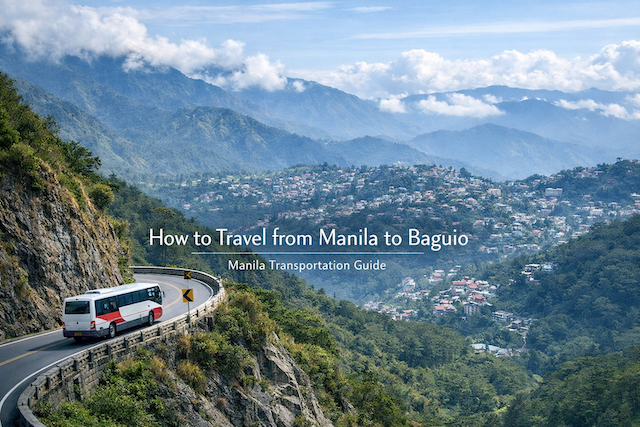
How to Travel from Manila to Baguio: Manila Transportation Guide
Contents
- How to Travel from Manila to Baguio: Manila Transportation Guide
- Distance and Overview of Traveling from Manila to Baguio
- Traveling from Manila to Baguio by Bus
- Major Bus Companies Serving the Manila–Baguio Route
- Victory Liner: Routes, Schedules, and Fares
- JoyBus (Genesis): Non-Stop and Premium Experience
- Genesis and Solid North: Budget-Friendly Alternatives
- How to Book Bus Tickets from Manila to Baguio
- Traveling from Manila to Baguio by Private Car
- Driving Routes and Road Conditions
- Cost of Traveling by Taxi or Private Transfer
- Is There a Train from Manila to Baguio?
- Can You Travel from Manila to Baguio by Plane?
- Best Time to Travel from Manila to Baguio
- What to Expect When You Arrive in Baguio
- Practical Travel Tips for First-Time Travelers
- Comparing Transportation Options from Manila to Baguio
- Summary: Best Way to Travel from Manila to Baguio
- FAQs (Frequently Asked Questions)
- How long does it take to travel from Manila to Baguio?
- What is the best way to travel from Manila to Baguio?
- Which bus company is most recommended for first-time visitors?
- Can I book Manila to Baguio bus tickets online?
- Is there an overnight bus from Manila to Baguio?
- Is it safe to travel by bus to Baguio?
- What should I pack for the trip and for Baguio weather?
- Is there a train from Manila to Baguio?
- Can I fly from Manila to Baguio?
- Which road is better: Kennon Road or Marcos Highway?
- How do I get from the Baguio bus terminal to my hotel?
How to Travel from Manila to Baguio: Manila Transportation Guide
Baguio City, often called the “Summer Capital of the Philippines,” is one of the most popular destinations for both local and international travelers. Known for its cool climate, pine forests, mountain views, and relaxed atmosphere, Baguio offers a refreshing contrast to the heat and congestion of Metro Manila.
If you are planning a trip, understanding how to travel from Manila to Baguio is essential. While the distance is not extremely far, the mountainous terrain and traffic conditions can significantly affect travel time. This guide explains all practical transportation options, including buses, private cars, taxis, and common travel tips, so you can choose the best option for your travel style and budget.
Distance and Overview of Traveling from Manila to Baguio
The distance between Manila and Baguio is approximately 250 kilometers (155 miles). Although this may seem manageable, the route passes through expressways and mountain roads, which makes the journey longer than typical intercity travel.
-
Average travel time: 4 to 7 hours
-
Primary route: NLEX → SCTEX → TPLEX → Marcos Highway or Kennon Road
-
Elevation: Baguio is located around 1,500 meters above sea level
Travel time depends heavily on traffic, weather, road conditions, and departure time. Proper planning can significantly improve your experience.
Traveling from Manila to Baguio by Bus
Taking a long-distance bus is the most common, reliable, and cost-effective way to travel from Manila to Baguio. Buses are widely used by tourists, students, and locals, and they offer a good balance of safety, comfort, and affordability.
Major Bus Companies Serving the Manila–Baguio Route
Several reputable bus companies operate daily trips between Manila and Baguio. The most trusted options include:
-
Victory Liner
-
Genesis Transport
-
JoyBus (operated by Genesis)
-
Solid North Transit
Among these, Victory Liner and JoyBus are generally the most convenient for foreign travelers due to their modern fleets, clear schedules, and online booking options.
Victory Liner: Routes, Schedules, and Fares
Victory Liner is the most popular bus operator on the Manila–Baguio route, offering frequent departures throughout the day and night.
-
Departure terminals: Cubao, Pasay, Sampaloc, Caloocan
-
Arrival terminal: Victory Liner Baguio Terminal
-
Travel time: Approximately 5 to 6 hours
-
Fare range:
-
Regular air-conditioned bus: ₱700–₱800
-
Deluxe / First Class: ₱900–₱1,200
-
Victory Liner is especially known for its overnight buses, which allow travelers to leave Manila late at night and arrive in Baguio early in the morning, avoiding traffic.
JoyBus (Genesis): Non-Stop and Premium Experience
JoyBus is a premium service operated by Genesis Transport and is ideal for travelers who prioritize comfort and speed.
-
Non-stop service: No passenger pickups along the way
-
Travel time: Around 4.5 to 5 hours
-
Features:
-
Spacious reclining seats
-
Onboard restroom
-
USB charging ports
-
-
Fare: Approximately ₱900–₱1,000
JoyBus is one of the best options for travelers who want a faster and more comfortable journey.
Genesis and Solid North: Budget-Friendly Alternatives
Genesis and Solid North also offer reliable services at competitive prices. While they may have more stops compared to JoyBus, they remain solid options, especially during peak seasons when other buses sell out quickly.
How to Book Bus Tickets from Manila to Baguio
Booking Online
Many bus companies now offer online booking through their official websites or travel platforms. Online booking is recommended during weekends, holidays, and peak travel seasons.
Buying Tickets at the Terminal
Tickets can also be purchased directly at bus terminals in Cubao or Pasay. However, buses can sell out quickly, especially on Friday evenings and before holidays.
Traveling from Manila to Baguio by Private Car
Driving from Manila to Baguio offers flexibility and convenience, particularly for families or groups traveling together.
Driving Routes and Road Conditions
The most commonly used and reliable route is:
-
NLEX → SCTEX → TPLEX → Marcos Highway
This route is preferred because it is safer and more stable compared to Kennon Road, which is often closed during heavy rain or landslides.
-
Estimated driving time:
-
Early morning or late night: 4–5 hours
-
Daytime or weekends: 6–7 hours or more
-
Cost of Traveling by Taxi or Private Transfer
Hiring a private car or taxi from Manila to Baguio is possible but expensive.
-
Estimated cost: ₱8,000–₱12,000 (one way)
-
Pros:
-
Door-to-door convenience
-
Flexible stops and schedule
-
-
Cons:
-
High cost compared to buses
-
Ride-hailing apps like Grab usually do not support long-distance trips, so private transfers must be arranged in advance.
Is There a Train from Manila to Baguio?
There is no train service between Manila and Baguio.
The Philippine National Railways (PNR) operates limited routes within Metro Manila and southern Luzon. While there have been discussions about railway expansion to northern Luzon, no active train line to Baguio currently exists.
Can You Travel from Manila to Baguio by Plane?
Flying directly to Baguio is not an option for regular travelers.
-
Loakan Airport in Baguio currently does not handle commercial passenger flights
-
Only private or chartered aircraft operate occasionally
As a result, buses and road transport remain the only practical options.
Best Time to Travel from Manila to Baguio
Timing your departure can significantly reduce travel time.
Times to Avoid
-
Friday evenings
-
Long weekends and public holidays
-
Major festivals and peak tourist seasons
Recommended Travel Times
-
Late night or early morning departures
-
Weekdays, especially Tuesday to Thursday
Traveling overnight is one of the best ways to avoid traffic congestion.
What to Expect When You Arrive in Baguio
Upon arrival, you will immediately notice a cooler climate compared to Manila.
-
Average temperature: 15–23°C (59–73°F)
-
Environment: Mountainous, pine-covered, less humid
-
Transportation: Taxis and jeepneys are readily available near bus terminals
Baguio City is compact, and most tourist areas are easy to reach from the city center.
Practical Travel Tips for First-Time Travelers
-
Bring a light jacket; buses and Baguio weather can be cold
-
If prone to motion sickness, prepare accordingly due to winding mountain roads
-
Keep valuables secure, especially on overnight buses
-
During the rainy season (June–October), check road and weather conditions before departure
Comparing Transportation Options from Manila to Baguio
| Travel Type | Best Option |
|---|---|
| Budget traveler | Regular bus |
| Comfort-focused | JoyBus or deluxe bus |
| Fastest option | Non-stop premium bus |
| Group or family | Private car |
Summary: Best Way to Travel from Manila to Baguio
For most travelers, taking a bus is the best and most practical way to travel from Manila to Baguio. It is affordable, safe, and widely available. Victory Liner and JoyBus stand out as the most reliable options, especially for first-time visitors.
With proper planning, choosing the right departure time, and selecting a suitable bus service, traveling from Manila to Baguio can be a smooth and enjoyable experience. Use this guide to decide the transportation option that best fits your schedule, comfort level, and budget.
FAQs (Frequently Asked Questions)
How long does it take to travel from Manila to Baguio?
In most cases, the trip from Metro Manila to Baguio takes around 4 to 7 hours. Travel time depends on your departure point, the time of day, weather conditions, and traffic on major expressways. If you leave late at night or very early in the morning, the ride can be closer to 4–5 hours. If you travel on weekends, holidays, or Friday evenings, it may take 6–7 hours or longer. For a smoother trip, many travelers choose overnight buses so they arrive in Baguio early in the morning.
What is the best way to travel from Manila to Baguio?
For most travelers, the best option is a direct bus because it is affordable, widely available, and generally reliable. Premium services like JoyBus offer fewer stops and more comfort, while standard buses can be cheaper. A private car is best if you want maximum flexibility or if you are traveling in a group and can split costs. There is currently no regular train or commercial flight service that directly connects Manila and Baguio, so road travel remains the most practical choice.
Which bus company is most recommended for first-time visitors?
Two of the most commonly recommended choices are Victory Liner and JoyBus (Genesis). Victory Liner has frequent departures, multiple terminals in Metro Manila, and various service classes (regular, deluxe, and first class depending on availability). JoyBus is popular for its premium features such as more spacious seating, onboard restroom on many units, and a more “non-stop” style of service. If you are traveling during peak days, booking in advance is highly recommended regardless of the company.
Can I book Manila to Baguio bus tickets online?
Yes, many operators allow online booking through their official platforms or authorized ticketing partners. Online booking is especially helpful during weekends and holidays, when seats sell out quickly. Even if online booking is available, it is still smart to arrive early at the terminal, bring a valid ID if required, and keep a screenshot or confirmation email accessible offline. If you prefer to buy tickets in person, you can purchase them at major terminals such as Cubao or Pasay, but availability may be limited during high-demand periods.
Is there an overnight bus from Manila to Baguio?
Yes. Overnight buses are common and are one of the best ways to avoid Metro Manila traffic. Many travelers depart late at night and arrive in Baguio around dawn. This can save time and also helps you start your day earlier once you arrive. If you choose an overnight trip, bring a light jacket because air-conditioning can be strong. Also keep valuables close, avoid placing important items in easily accessible pockets, and set alarms so you do not miss your stop if you tend to fall asleep deeply.
Is it safe to travel by bus to Baguio?
For most travelers, traveling by bus is generally safe when you use reputable companies and practice basic precautions. Choose well-known operators, keep your valuables in a small bag you can hold or wear, and avoid displaying cash or expensive items openly. If you are prone to motion sickness, bring medication because the last portion of the trip includes winding mountain roads. Safety also depends on weather and road conditions, so during heavy rain season it is wise to check advisories and allow extra time.
What should I pack for the trip and for Baguio weather?
Pack a light jacket or hoodie even if Manila is hot. Bus air-conditioning can be cold, and Baguio’s temperatures can feel surprisingly cool, especially at night or early morning. Comfortable clothing, socks, and a small travel blanket (optional) can make the ride more pleasant. Bring water, light snacks, and power bank or charging cable if your bus provides charging ports. If you plan to explore outdoors, include rain protection during wet months and comfortable shoes for walking on hilly streets.
Is there a train from Manila to Baguio?
No. As of now, there is no train route that connects Manila directly to Baguio. Travelers must use road transportation such as buses, private cars, or hired vans. If you see posts online about train projects, treat them as long-term plans rather than current travel options. For planning purposes today, assume that your realistic choices are bus or road-based private transport.
Can I fly from Manila to Baguio?
Not in a typical commercial way. Baguio has an airport (Loakan Airport), but regular commercial flights are not commonly available for standard travelers. Because of this, flying is usually not a practical option for most trips. If you are looking for the fastest route, the best alternative is a non-stop premium bus or a private car departing at off-peak hours.
Which road is better: Kennon Road or Marcos Highway?
Many drivers prefer Marcos Highway because it is generally more stable and less likely to be closed during bad weather. Kennon Road can offer scenic views, but it is also more prone to closures due to landslides or maintenance, especially during rainy months. If you are traveling for the first time, Marcos Highway is often the safer and more predictable choice. Always check current road advisories if you plan to drive or if your driver suggests a specific route.
How do I get from the Baguio bus terminal to my hotel?
Once you arrive at the terminal, you can usually find taxis nearby, which are convenient and reasonably priced for short city trips. Jeepneys are also available in many parts of Baguio, but taxis are easier if you have luggage or if you are unfamiliar with routes. It helps to have your hotel name, address, or a map pin ready on your phone. In busy seasons, expect longer taxi lines, so budgeting a little extra time can reduce stress.

How to Register for eTravel Philippines (2025 Guide)
Step-by-step guide to completing your eTravel registration before arriving in the Philippines, with images and tips.

Night Market in Cebu – Things You Don’t Know About Cebu Life
Discover the hidden charm of Cebu’s night markets, from street food stalls to local life tips you won’t find in tourist guides.

How to Use ChatGPT for IELTS Preparation: A Complete Guide
Learn how to prepare for IELTS using ChatGPT — including strategies for Writing, Reading, Listening, Speaking, and grammar support.

How to Build a Website Without Coding Using ChatGPT
Discover how to build your own website using AI—no coding skills needed. From structure planning to SEO and design, let ChatGPT guide you.