2026年1月9日
3D ACADEMY offers affordable English study programs in Cebu, Philippines – perfect for beginners, professionals, and exam takers.

3D UNIVERSAL ENGLISH INSTITUTE INC
info.3d-universal.com
8:00-17:00(Mon-Fri)
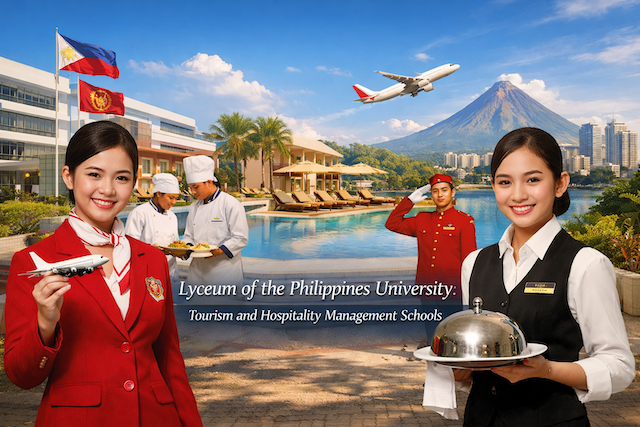
Lyceum of the Philippines University (LPU): Tourism and Hospitality Management Schools
Frequently Asked Questions (FAQs)
Is Lyceum of the Philippines University (LPU) a good school for tourism and hospitality management?
Yes. LPU is widely recognized in the Philippines for tourism and hospitality education because its programs are strongly career-oriented and designed around service standards used in real hotels, restaurants, travel companies, and tourism offices. Many students choose LPU for its practical training approach, which typically includes laboratory classes, skills-based assessments, and structured internships. Another reason students consider LPU a strong option is the university’s long-standing industry connections, which can help in securing on-the-job training placements and gaining exposure to professional workplace expectations. As with any university, the best choice depends on your preferred campus, learning style, budget, and career goals, but overall LPU is often viewed as a solid pathway into both local and international hospitality and tourism careers.
What is the difference between Tourism Management and International Hospitality Management at LPU?
Tourism Management focuses more on travel systems, tour operations, destination planning, tourism marketing, and how tourism businesses and government tourism offices function. It is a good fit if you are interested in travel agencies, tour guiding, destination promotions, events, or tourism development work. International Hospitality Management focuses more on hotel and resort operations, food and beverage service, customer experience, and management systems inside hospitality establishments. It is a good fit if your goal is to work in hotels, resorts, restaurants, catering, or cruise-related hospitality roles. Both programs overlap in service culture and customer experience, but they emphasize different industries and operational environments. Choosing between them often comes down to whether you see your future career more in “travel and destinations” or “hospitality operations and guest services.”
Do LPU tourism and hospitality students get hands-on training?
Yes. Hands-on training is a major part of tourism and hospitality programs, and LPU students generally complete laboratory-based courses that simulate real service environments. Depending on the campus and program, this may include training kitchens, mock hotel rooms, front office simulations, service sequence practice, basic culinary production, and food and beverage operations. Practical training helps students build confidence in professional routines such as guest interaction, service recovery, teamwork under pressure, and attention to detail. Hands-on learning is especially valuable in hospitality because employers often prioritize graduates who can demonstrate operational readiness and professional behavior from day one.
Are internships required, and where do students usually complete them?
Internships (often called on-the-job training) are typically required as part of tourism and hospitality degree programs. Students may complete training in hotels, resorts, restaurants, travel agencies, airlines, event companies, or tourism-related offices. The exact internship hours, timing, and placement process depend on your program and campus policies. Many students aim to complete internships in well-known hospitality brands or high-volume tourism environments because this strengthens experience and can improve future employability. Internships also help students identify which department or career path fits them best, such as front office, housekeeping, food and beverage, events, sales, or tour operations.
Does LPU offer international training or global exposure opportunities?
Some LPU programs and campuses may offer opportunities for international exposure, such as training abroad, exchange programs, or internships with international partners. Availability can vary by campus, academic year, and partner agreements. If international experience is important to you, it is best to check directly with your target LPU campus for the most current options and requirements. Even without international training, students can still develop global readiness through English communication practice, multicultural service standards, and coursework that reflects international hospitality and tourism operations. Many graduates pursue overseas employment after building local experience and completing required professional training.
What skills should I have to succeed in tourism and hospitality at LPU?
Successful students are usually strong in communication, teamwork, and customer service mindset. You do not need to be “perfect” at speaking English on day one, but you should be willing to improve your language confidence because hospitality and tourism involve constant interaction with guests, clients, and coworkers. Organization and time management also matter, since hospitality programs can involve practical tasks, uniform standards, grooming policies, and performance-based assessments. A calm attitude under pressure is helpful because service environments can be fast-paced. Most importantly, students who genuinely enjoy helping people and solving service problems tend to do well in these programs.
What career paths can LPU graduates pursue after completing these programs?
LPU tourism and hospitality graduates can pursue careers in hotels and resorts, restaurants, cruise lines, airlines, travel agencies, tour operations, event planning, and destination marketing. Some graduates work in corporate roles such as sales, marketing, revenue management, customer relations, or training. Others choose government or development-related roles in tourism offices, destination planning, and tourism research. Entrepreneurship is also common, with graduates opening cafés, travel services, small accommodations, catering businesses, or event companies. The career path you take often depends on your internship experiences, personal strengths, and whether you plan to work locally first or aim for international employment.
How can I choose the best LPU campus for tourism and hospitality?
Choosing the best campus depends on your location, budget, and preferred environment. Consider the campus setting, available facilities, internship networks, and any special strengths of that specific campus. You may also want to check class schedules, program structure, and how the school supports internships and career placement. If possible, visit the campus and ask about training laboratories, student organizations, and typical internship partners. A campus that is close to major hotels, business districts, or tourism centers may provide more convenient industry exposure. The “best” campus is the one that fits your learning style and supports your career direction.
Is Tourism and Hospitality Management a good choice if I want to work abroad?
It can be a strong choice, especially because hospitality and tourism skills are transferable across countries. International employers often look for service professionalism, communication ability, and operational competence. To improve your chances of working abroad, focus on building a strong internship record, improving English communication, and developing expertise in specific areas such as front office operations, food and beverage service, culinary basics, guest relations, or events. Many graduates start locally to gain experience and then transition to overseas work in hotels, cruise lines, or restaurants. Your success abroad will depend not only on your degree but also on your work performance, adaptability, and long-term career planning.
Best Tourism and Hospitality Management Schools in the Philippines

How to Register for eTravel Philippines (2025 Guide)
Step-by-step guide to completing your eTravel registration before arriving in the Philippines, with images and tips.

Night Market in Cebu – Things You Don’t Know About Cebu Life
Discover the hidden charm of Cebu’s night markets, from street food stalls to local life tips you won’t find in tourist guides.

How to Use ChatGPT for IELTS Preparation: A Complete Guide
Learn how to prepare for IELTS using ChatGPT — including strategies for Writing, Reading, Listening, Speaking, and grammar support.

How to Build a Website Without Coding Using ChatGPT
Discover how to build your own website using AI—no coding skills needed. From structure planning to SEO and design, let ChatGPT guide you.