2026年1月12日
3D ACADEMY offers affordable English study programs in Cebu, Philippines – perfect for beginners, professionals, and exam takers.

3D UNIVERSAL ENGLISH INSTITUTE INC
info.3d-universal.com
8:00-17:00(Mon-Fri)
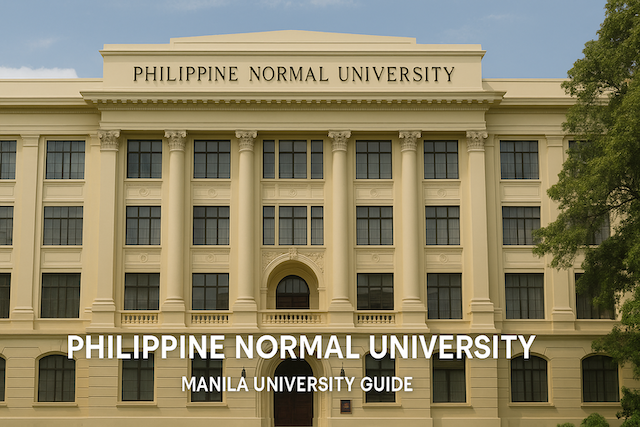
Philippine Normal University (PNU Manila): Manila University Guide
Contents
- Philippine Normal University (PNU Manila): Manila University Guide
- Overview of Philippine Normal University (PNU Manila)
- Why Choose PNU Manila?
- Academic Programs at PNU Manila
- Campus Location and Accessibility
- Campus Facilities and Learning Resources
- Admission Requirements and Process
- Student Life at PNU Manila
- Teaching Practicum and Training Opportunities
- Accommodation Options Near PNU Manila
- Safety and Security Around the Area
- Employment Outlook for PNU Graduates
- Conclusion: Is PNU Manila Right for You?
- FAQs (Frequently Asked Questions)
- What is Philippine Normal University (PNU Manila) known for?
- What undergraduate programs are offered at PNU Manila?
- Does PNU Manila offer graduate studies?
- How do I apply as an incoming freshman at PNU Manila?
- Are there scholarships and financial aid options available?
- Is PNU Manila friendly to international students?
- Where is PNU Manila located and how do I get there?
- Does PNU Manila have on-campus dormitories?
- What kinds of facilities and learning resources are available?
- What is student life like at PNU Manila?
- What are the teaching practicum and internship opportunities?
- What career opportunities are available for PNU graduates?
Philippine Normal University (PNU Manila): Manila University Guide
Overview of Philippine Normal University (PNU Manila)
Philippine Normal University (PNU Manila) is the country’s National Center for Teacher Education and one of the most respected institutions for aspiring educators in the Philippines. Established in 1901, PNU has played a pivotal role in shaping the national education framework and continues to produce high-caliber teachers, administrators, researchers, and education innovators. Its Manila campus serves as the flagship campus, offering comprehensive undergraduate and graduate programs tailored to modern educational needs.
Strategically located in Taft Avenue near various government offices, libraries, and transport routes, PNU Manila provides students with both academic depth and convenient access to key educational resources. With its long-standing reputation for excellence, specialized training, and strong focus on education research, it remains the top choice for local and international students pursuing careers in teaching and educational leadership.
Why Choose PNU Manila?
Strong Reputation as the National Center for Teacher Education
PNU Manila is recognized nationally for its academic rigor in teacher preparation. Its curriculum is continuously developed to meet the evolving demands of the K–12 system, higher education reforms, and global standards in pedagogy.
Highly Specialized Programs
Unlike general universities that offer various disciplines, PNU focuses on teacher education, allowing its faculty and departments to concentrate deeply on methodologies, curriculum development, classroom technologies, assessment tools, and educational psychology.
Extensive Research Opportunities
The university is home to numerous research centers focused on literacy development, inclusive education, educational leadership, and assessment innovation. Students benefit from access to data, mentorship, and opportunities for publication or conferences.
Affordable Tuition and Accessible Financial Aid
As a state university, PNU offers one of the most cost-effective tuition structures in Manila. Qualified students can benefit from government-backed scholarships, grants, and financial assistance.
Excellent Board Exam Performance
PNU graduates consistently rank high in the Licensure Examination for Teachers (LET), with many producing topnotchers each year. This strong track record is one of the major reasons students choose PNU.
Academic Programs at PNU Manila
Undergraduate Programs
PNU offers a wide range of Bachelor of Science in Education (BSEd) and Bachelor of Elementary Education (BEEd) programs with specialized majors such as:
-
English
-
Filipino
-
Mathematics
-
Sciences (Biology, Chemistry, Physics)
-
Social Studies
-
Early Childhood Education
-
Special Needs Education
-
Technology and Livelihood Education
-
Values Education
-
Music, Arts, Physical Education, and Health (MAPEH)
These programs integrate theory and practice, ensuring graduates are fully prepared for classroom teaching, curriculum creation, and educational leadership.
Graduate Programs
For advanced studies, PNU Manila offers:
-
Master of Arts in Education
-
Master of Education
-
Master in Reading Education
-
Master in Early Childhood Education
-
Doctor of Philosophy in Education
-
Doctor of Education (EdD)
Graduate programs focus on developing educational leaders, policy writers, administrators, and researchers who contribute significantly to national education strategies.
Continuing Professional Development
PNU provides short courses, certificate programs, online seminars, and professional development workshops aligned with the CPD requirements for teachers.
Campus Location and Accessibility
The PNU Manila campus is located along Taft Avenue, a major educational corridor in the city. It is near:
-
LRT-1 United Nations Station
-
National Library of the Philippines
-
Rizal Park
-
Supreme Court
-
PGH (Philippine General Hospital)
-
Nearby universities such as UP Manila and Adamson University
This central location makes commuting convenient for students coming from different parts of Metro Manila.
Transportation Options
-
LRT-1 – The most convenient option, UN Avenue station is just a short walk from the campus.
-
Jeepneys and Buses – Several routes pass through Taft Avenue.
-
P2P buses – Nearby pickup points provide air-conditioned transit options.
-
Grab and taxi services – Widely available around the area.
Campus Facilities and Learning Resources
Library and Research Centers
PNU Manila houses one of the most extensive education-focused libraries in the country, featuring rare books, journals, teaching modules, and digital learning tools. Research centers support studies in:
-
Literacy
-
Inclusive education
-
Teacher development
-
Assessment innovations
-
Educational leadership
Smart Classrooms and Technology Integration
Many classrooms are equipped with projectors, computers, digital boards, and high-speed internet to support modern teaching strategies and blended learning.
Laboratories and Specialized Rooms
The university has:
-
Science laboratories
-
Early childhood education demo rooms
-
Speech and language labs
-
Special education training areas
-
Music and arts studios
These specialized spaces allow students to apply concepts in realistic teaching environments.
Auditoriums and Events Spaces
PNU frequently hosts education summits, workshops, teacher congresses, and international conferences.
Student Services
-
Guidance counseling
-
Career development center
-
Mental health support
-
Student organizations
-
Scholarship and financial aid offices
Admission Requirements and Process
For Incoming Freshmen
Applicants typically complete:
-
Online application via the PNU admission portal
-
Submission of academic records (Form 138)
-
Identification documents
-
Entrance examination or assessment
-
Interview (for selected programs)
Some programs may impose minimum grade requirements, especially for majors such as Mathematics or Sciences.
For Transfer Students
PNU accepts transferees based on:
-
Availability of slots
-
Evaluation of previous academic performance
-
Alignment of subjects taken
For Graduate Applicants
Applicants must submit:
-
Transcript of Records
-
Recommendation letters
-
Purpose statement
-
Resume or CV
-
Entrance exam results (if required)
Scholarships and Financial Aid
Common options include:
-
CHED scholarships
-
DOST scholarships (for science-related majors)
-
GSIS and DepEd scholarships
-
University-funded grants
-
Private donor scholarships
Student Life at PNU Manila
Academic Culture
PNU maintains high academic standards and expects students to excel in:
-
Lesson planning
-
Demonstration teaching
-
Field practice
-
Educational research
-
Classroom assessments
The culture emphasizes discipline, resourcefulness, and professionalism—key traits for educators.
Clubs and Student Organizations
Students can join various organizations related to:
-
Academics
-
Arts and culture
-
Sports
-
Community extension
-
Environmental sustainability
Many student groups also participate in outreach programs and teaching missions in rural communities.
Events and Traditions
PNU students enjoy events such as:
-
Education Week
-
Research Congress
-
Teacher’s Day celebrations
-
Intramurals
-
Cultural showcases
These activities enrich student life and promote collaboration, leadership, and creativity.
Teaching Practicum and Training Opportunities
One of PNU’s strongest features is its field practicum program, where students undergo real classroom training in public and private schools. The university has partnerships with:
-
Local DepEd divisions
-
Top private schools
-
International schools (for selected programs)
This experience equips students with practical classroom management skills, teaching confidence, and firsthand understanding of the Philippine education system.
Accommodation Options Near PNU Manila
While PNU does not provide on-campus dormitories, many students stay in nearby accommodations:
Options include:
-
Dormitories near UN Avenue and Taft Avenue
-
Affordable boarding houses in Ermita and Malate
-
Studio rentals near Robinsons Place Manila
-
Shared apartments with fellow students
These options vary based on budget, location, and comfort. Many students choose accommodations that offer:
-
High-speed internet
-
Security services
-
Proximity to transport lines
-
Study-friendly environments
Safety and Security Around the Area
Since the campus is located in Manila’s busy district, students are encouraged to stay alert, especially at night. However, PNU maintains security personnel and collaborates with local authorities to safeguard the campus.
Key safety tips:
-
Use LRT and well-lit areas when commuting
-
Avoid walking alone late at night
-
Store belongings securely
-
Stay updated with university advisories
Employment Outlook for PNU Graduates
Graduates from PNU Manila enjoy strong employability due to the university’s reputation and training standards. Career pathways include:
-
Public school teacher
-
Private school teacher
-
Special education teacher
-
Curriculum developer
-
Reading specialist
-
Educational researcher
-
Instructional designer
-
Guidance counselor (with further studies)
-
Textbook writer
-
Educational technologist
-
School administrator
PNU alumni also work abroad, especially in countries with strong demand for Filipino teachers such as Thailand, Japan, the United States, and the Middle East.
Conclusion: Is PNU Manila Right for You?
Philippine Normal University (PNU Manila) is the ideal institution for students passionate about teaching and contributing to the nation’s educational development. With its specialized programs, strong academic culture, excellent board exam performance, and national reputation, PNU provides future educators with comprehensive preparation for successful careers in the Philippines and beyond.
Whether you aim to teach in basic education, specialize in a specific subject, or pursue leadership roles in the education sector, PNU Manila stands as one of the top choices in the country.
FAQs (Frequently Asked Questions)
What is Philippine Normal University (PNU Manila) known for?
Philippine Normal University (PNU Manila) is widely recognized as the National Center for Teacher Education in the Philippines. It specializes in preparing future educators, school leaders, and education researchers. The university is especially known for its strong performance in the Licensure Examination for Teachers (LET), research-driven approach to teaching, and its focus on improving the quality of education nationwide through innovative programs and community engagement.
What undergraduate programs are offered at PNU Manila?
PNU Manila offers a variety of undergraduate teacher education programs such as Bachelor of Elementary Education (BEEd) and Bachelor of Secondary Education (BSEd) with majors in English, Filipino, Mathematics, Sciences, Social Studies, Early Childhood Education, Special Needs Education, MAPEH, and more. These programs combine theory, practicum, and research to prepare students for classroom teaching, curriculum development, and educational leadership roles in basic and secondary education.
Does PNU Manila offer graduate studies?
Yes. PNU Manila provides a comprehensive lineup of graduate programs, including Master of Arts in Education, Master of Education, and various specialized master’s degrees like Reading Education and Early Childhood Education. It also offers doctoral programs such as Doctor of Education and Doctor of Philosophy in Education. These advanced degrees are designed for teachers, administrators, and policymakers who want to deepen their expertise and contribute to educational reform and research.
How do I apply as an incoming freshman at PNU Manila?
Prospective freshmen usually apply through PNU’s official admission portal, where they complete an online application form and upload required documents such as their Form 138 (report card), good moral certificate, and valid ID. Applicants may be asked to take an entrance examination and, in some cases, attend an interview. Exact requirements and timelines can change, so it is important to regularly check the official PNU website or admissions page for the latest guidelines and announcements.
Are there scholarships and financial aid options available?
Yes. As a state university, PNU Manila already offers relatively affordable tuition, and students may further reduce costs through scholarships and financial aid. Available options may include government-funded grants, CHED and DOST scholarships (for qualified majors), university-based scholarships, and private donor assistance. Some scholarships are merit-based, while others may consider financial need, leadership, or community involvement. Students should visit the scholarship or student affairs office for detailed and updated information.
Is PNU Manila friendly to international students?
PNU Manila welcomes international students who are interested in teacher education and educational research. Foreign applicants typically need to submit authenticated academic records, proof of English proficiency (if applicable), a valid passport, and other immigration-related documents. While the student population is mostly Filipino, international students can benefit from specialized training in teaching, exposure to the Philippine education system, and opportunities to engage in cross-cultural learning and research collaborations.
Where is PNU Manila located and how do I get there?
PNU Manila is located along Taft Avenue in Manila, a major educational and institutional hub. It is easily accessible via LRT-1, with the United Nations (UN) Station only a short walk away. Numerous jeepney and bus routes also pass through Taft Avenue, and taxis or ride-hailing services are widely available. The central location makes it convenient for students coming from different parts of Metro Manila and nearby provinces.
Does PNU Manila have on-campus dormitories?
PNU Manila does not typically provide large-scale on-campus dormitories for students. Most students find housing in nearby dorms, boarding houses, and apartments located in areas such as Ermita, Malate, and along Taft Avenue. Options range from budget-friendly shared rooms to more private studio units. When choosing accommodation, students often prioritize safety, proximity to campus and public transport, study-friendly environments, and access to essential services like internet and laundry.
What kinds of facilities and learning resources are available?
The university offers a wide range of facilities tailored to teacher education. These include a well-equipped library with strong holdings in education, research centers, smart classrooms, science laboratories, special education and early childhood education demo rooms, as well as music and arts spaces. Many classrooms are equipped with multimedia tools and internet access to support blended learning. Students also have access to guidance services, career counseling, and various student support offices.
What is student life like at PNU Manila?
Student life at PNU Manila is academically demanding but vibrant and community-oriented. Learners engage in lesson planning, classroom demonstrations, research projects, and teaching practicums. Outside the classroom, students join academic and interest-based organizations, participate in outreach and literacy programs, and enjoy events such as education fairs, cultural activities, and intramurals. The campus culture emphasizes professionalism, service, and a strong sense of responsibility as future educators and nation-builders.
What are the teaching practicum and internship opportunities?
One highlight of studying at PNU Manila is the robust teaching practicum program. Students are deployed to partner public and private schools, where they practice actual classroom teaching under the supervision of cooperating teachers and university supervisors. This practicum allows them to apply theories in real settings, develop classroom management skills, design learning materials, and gain firsthand experience with the K–12 curriculum. For some majors, there may also be opportunities to engage with specialized or inclusive education settings.
What career opportunities are available for PNU graduates?
PNU Manila graduates are highly employable in the field of education. Many become teachers in public and private schools, special education teachers, reading or subject specialists, curriculum developers, and education researchers. With further studies, graduates can become school administrators, department heads, or policy advisors. Some alumni pursue opportunities abroad in countries that actively hire Filipino teachers. The strong reputation of PNU and its focus on quality teacher training give graduates a competitive edge in both local and international education sectors.
Philippines University Guide
Manila University Guide
Manila Province All Universities Lists

How to Register for eTravel Philippines (2025 Guide)
Step-by-step guide to completing your eTravel registration before arriving in the Philippines, with images and tips.

Night Market in Cebu – Things You Don’t Know About Cebu Life
Discover the hidden charm of Cebu’s night markets, from street food stalls to local life tips you won’t find in tourist guides.

How to Use ChatGPT for IELTS Preparation: A Complete Guide
Learn how to prepare for IELTS using ChatGPT — including strategies for Writing, Reading, Listening, Speaking, and grammar support.

How to Build a Website Without Coding Using ChatGPT
Discover how to build your own website using AI—no coding skills needed. From structure planning to SEO and design, let ChatGPT guide you.