2026年1月12日
3D ACADEMY offers affordable English study programs in Cebu, Philippines – perfect for beginners, professionals, and exam takers.

3D UNIVERSAL ENGLISH INSTITUTE INC
info.3d-universal.com
8:00-17:00(Mon-Fri)
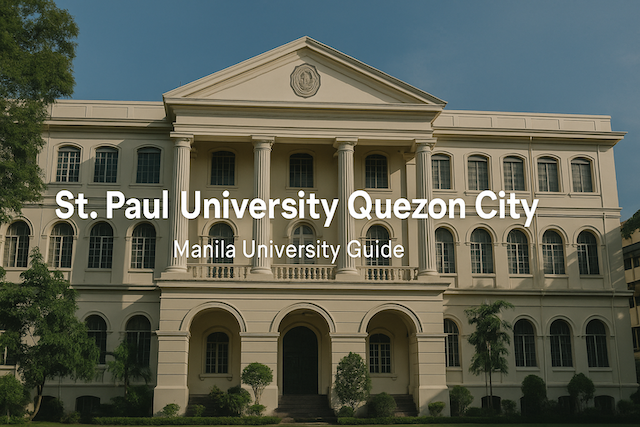
St. Paul University Quezon City: Manila University Guide
Contents
- St. Paul University Quezon City: Manila University Guide
- Overview of St. Paul University Quezon City
- History and Mission of SPUQC
- Academic Programs Offered
- Campus Facilities
- Tuition and Fees
- Admission Requirements
- Why Choose St. Paul University Quezon City
- Student Organizations and Campus Life
- Internships and Career Opportunities
- Location and Accessibility
- Alumni Network
- Conclusion
- FAQs (Frequently Asked Questions)
- Where is St. Paul University Quezon City located?
- What type of institution is St. Paul University Quezon City?
- What academic programs does SPUQC offer?
- Is St. Paul University Quezon City a good choice for Nursing?
- What strands are available for Senior High School?
- How much is the tuition at St. Paul University Quezon City?
- Are there scholarships or financial assistance options?
- What are the admission requirements for new college students?
- What is campus life like at SPUQC?
- What facilities are available on campus?
- Is St. Paul University Quezon City safe for students?
- What kind of graduates does SPUQC aim to produce?
St. Paul University Quezon City: Manila University Guide
St. Paul University Quezon City (SPUQC) is one of the most respected private Catholic universities in Metro Manila, known for its strong academic foundation, values-centered education, and a safe, nurturing campus environment. Operated by the Sisters of St. Paul of Chartres, the university maintains a tradition of excellence across basic education, undergraduate programs, and graduate studies. This comprehensive guide covers everything you need to know if you are considering St. Paul University Quezon City as your academic home.
Overview of St. Paul University Quezon City
St. Paul University Quezon City is part of the nationwide network of St. Paul institutions known for academic rigor, character formation, and holistic development. The university is located along Aurora Boulevard in Quezon City, providing convenient access to transportation, malls, dining options, and residential areas.
SPUQC aims to develop students to become competent, compassionate, and committed professionals. Its curriculum integrates values-based learning, leadership formation, and modern educational practices.
History and Mission of SPUQC
St. Paul University Quezon City traces its roots to the early 20th century, established by the Sisters of St. Paul of Chartres—a congregation that has long contributed to Philippine education and healthcare.
Its mission is grounded on:
-
Academic excellence
-
Faith-based formation
-
Community service and social responsibility
-
Holistic student growth
SPUQC consistently combines traditional Catholic education with contemporary teaching methodologies to prepare students for a dynamic, global society.
Academic Programs Offered
St. Paul University Quezon City offers a wide range of programs from basic education to postgraduate studies. Below is an overview of the major colleges and programs:
Basic Education (K–12)
-
Pre-school
-
Grade School
-
Junior High School
-
Senior High School (STEM, ABM, HUMSS, GAS)
The SHS department is known for its strong academic foundation and excellent preparation for college entrance.
College Programs
SPUQC offers diverse undergraduate programs such as:
-
College of Arts and Sciences
-
Communication
-
Psychology
-
-
College of Business and Technology
-
Business Administration
-
Information Technology
-
-
College of Education
-
Elementary Education
-
Secondary Education
-
-
College of Nursing and Allied Health Sciences
-
Nursing (among the university’s flagship programs)
-
These programs are designed to meet both local and international standards.
Graduate Studies
Graduate programs at SPUQC include:
-
Master of Arts in Education
-
Master in Business Administration
-
Master of Arts in Psychology
-
Multiple specializations across professional fields
These programs are ideal for professionals seeking career advancement.
Campus Facilities
The SPUQC campus is designed to provide a safe and conducive learning environment. Modern facilities include:
Academic and Learning Facilities
-
Fully equipped classrooms
-
Multimedia centers
-
Computer laboratories
-
Science laboratories
-
Library and learning resource center
-
Nursing simulation laboratory
These facilities allow students to learn through hands-on, practical experience.
Student Life and Amenities
-
Chapel
-
Multi-purpose hall
-
Cafeteria
-
Sports facilities
-
Student lounges and organization rooms
SPUQC creates a well-rounded campus experience grounded in community and values.
Tuition and Fees
Tuition fees vary depending on the program and year level. SPUQC’s fees fall within the mid-range bracket for private universities in Metro Manila. Nursing and specialized programs may cost higher due to laboratory requirements.
Financial assistance options include:
-
Academic scholarships
-
Athletic and performing arts scholarships
-
Grants for honor students
-
Discounts for siblings
Interested students should contact the admissions office for updated tuition information.
Admission Requirements
SPUQC has a streamlined admissions process that welcomes both local and international students.
General Requirements
-
Completed application form
-
Form 138 (for incoming freshmen)
-
Good moral certificate
-
Two ID photos
-
Birth certificate (PSA)
For College Applicants
-
Entrance exam (depending on program)
-
Interview (for selected departments)
-
Additional requirements for Nursing and Education programs
For Graduate Studies
-
Transcript of Records
-
Recommendation letters
-
Resume/CV
Admission policies may change, so applicants are encouraged to check the latest guidelines.
Why Choose St. Paul University Quezon City
Students choose SPUQC for its:
Strong Academic Reputation
The university is known for consistently high performance in licensure exams, particularly in Nursing and Education.
Values-Centered Education
SPUQC emphasizes character formation alongside academic learning.
Safe and Accessible Location
Situated in Quezon City, the campus is secure and highly accessible via public transportation.
Supportive Community
The Paulinian community fosters leadership, faith, service, and commitment.
Holistic Development
Student programs and organizations offer balanced academic and extracurricular experiences.
Student Organizations and Campus Life
SPUQC promotes active student engagement through:
-
Campus ministry
-
Academic clubs
-
Performing arts groups
-
Leadership organizations
-
Sports teams
These organizations help cultivate teamwork, talent, and community involvement.
Internships and Career Opportunities
St. Paul University Quezon City maintains partnerships with:
-
Hospitals and healthcare institutions
-
Corporate businesses
-
Media companies
-
Government agencies
-
Educational institutions
These partnerships ensure students receive practical experience and strong career opportunities after graduation.
Location and Accessibility
Address
Aurora Boulevard, Quezon City, Metro Manila
Nearby Landmarks
-
Gateway Mall
-
Cubao commercial district
-
Restaurants and dormitories
-
Public transport stations (LRT-2)
Commuting to SPUQC is convenient for students from various parts of Metro Manila.
Alumni Network
SPUQC graduates are known to succeed in:
-
Healthcare and nursing
-
Business and entrepreneurship
-
Education and research
-
Psychology and social sciences
-
IT and digital industries
The strong Paulinian alumni network enhances professional connections and opportunities.
Conclusion
St. Paul University Quezon City remains one of the leading Catholic educational institutions in the Philippines, offering academic excellence, moral formation, and a supportive learning environment. Whether you are preparing for senior high school, college, or graduate studies, SPUQC provides exceptional programs that shape students into competent, compassionate professionals.
If you are looking for a university that blends academic rigor with values-based education, SPUQC is a compelling choice in Metro Manila.
FAQs (Frequently Asked Questions)
Where is St. Paul University Quezon City located?
St. Paul University Quezon City (SPUQC) is located along Aurora Boulevard in Quezon City, Metro Manila. It is close to major commercial areas such as Cubao, as well as malls, restaurants, dormitories, and public transport lines like the LRT-2, making it convenient for students coming from different parts of Metro Manila.
What type of institution is St. Paul University Quezon City?
St. Paul University Quezon City is a private Catholic institution run by the Sisters of St. Paul of Chartres. It offers basic education, college, and graduate programs. The university is known for combining academic excellence with strong Christian values, character formation, and community service.
What academic programs does SPUQC offer?
SPUQC offers programs from basic education (pre-school, grade school, junior high school, and senior high school) to higher education. On the college level, it has programs in Business Administration, Information Technology, Communication, Psychology, Education, Nursing, and related fields. The university also offers various master’s degree programs in areas such as Education, Business Administration, and Psychology.
Is St. Paul University Quezon City a good choice for Nursing?
Yes. The Nursing program at SPUQC is considered one of its flagship courses. The university provides well-equipped nursing laboratories, simulation facilities, and affiliations with hospitals for clinical exposure. Graduates of the Nursing program are known to perform well in licensure examinations and enjoy good employment prospects both locally and abroad.
What strands are available for Senior High School?
For Senior High School, SPUQC typically offers academic strands such as STEM (Science, Technology, Engineering, and Mathematics), ABM (Accountancy, Business, and Management), HUMSS (Humanities and Social Sciences), and GAS (General Academic Strand). These strands are designed to prepare students for related college programs within SPUQC or other universities.
How much is the tuition at St. Paul University Quezon City?
Tuition fees at SPUQC vary depending on the program and level. Professional programs such as Nursing may have higher fees due to laboratory and clinical requirements. Generally, SPUQC falls in the mid-range among private universities in Metro Manila. Since tuition and miscellaneous fees can change every school year, it is best to contact the Admissions or Registrar’s Office directly or visit the official website for updated fee structures.
Are there scholarships or financial assistance options?
Yes. SPUQC offers several forms of financial assistance, which may include:
- Academic scholarships for honor students and high achievers
- Grants for student leaders, athletes, or performing artists
- Discounts for siblings enrolled simultaneously
- Possible assistance for financially challenged but deserving students
Each type of scholarship has specific qualifications and requirements, so applicants should inquire directly with the Scholarships or Student Affairs Office.
What are the admission requirements for new college students?
For incoming college freshmen, the usual requirements include a completed application form, high school report card (Form 138 or its equivalent), good moral certificate, birth certificate, and ID photos. Some programs may require an entrance examination, an interview, or additional documents, especially for Nursing and Education. International students may need to submit passport copies, visa-related documents, and certified academic records.
What is campus life like at SPUQC?
Campus life at SPUQC is grounded in a family-like, faith-filled atmosphere. Students can join various organizations such as academic clubs, performing arts groups, campus ministry, student government, and sports teams. Regular activities include recollections, outreach programs, cultural events, seminars, and leadership trainings. The environment encourages not only academic growth but also spiritual, social, and emotional development.
What facilities are available on campus?
The SPUQC campus provides a range of facilities to support learning and student life, including:
- Air-conditioned classrooms with multimedia equipment
- Computer and IT laboratories
- Science and nursing laboratories
- Library and learning resource center
- Chapel for worship and reflection
- Cafeteria and common areas
- Sports and fitness areas
These facilities help ensure that students have access to modern learning tools and a comfortable environment.
Is St. Paul University Quezon City safe for students?
Yes. SPUQC places high importance on safety and security. The campus is gated and monitored by security personnel. Visitors usually need to register at the entrance, and students are encouraged to follow campus safety guidelines. Its location along a main thoroughfare also provides accessibility to transportation and nearby establishments while maintaining a controlled campus environment.
What kind of graduates does SPUQC aim to produce?
St. Paul University Quezon City aims to produce graduates who are competent in their chosen fields, compassionate toward others, and committed to serving society. The Paulinian education model emphasizes academic competence, moral integrity, leadership, and social responsibility. Many alumni find success in nursing and healthcare, education, business, media, psychology, and other professions, both in the Philippines and overseas.
Philippines University Guide
Manila University Guide
Manila Province All Universities Lists

How to Register for eTravel Philippines (2025 Guide)
Step-by-step guide to completing your eTravel registration before arriving in the Philippines, with images and tips.

Night Market in Cebu – Things You Don’t Know About Cebu Life
Discover the hidden charm of Cebu’s night markets, from street food stalls to local life tips you won’t find in tourist guides.

How to Use ChatGPT for IELTS Preparation: A Complete Guide
Learn how to prepare for IELTS using ChatGPT — including strategies for Writing, Reading, Listening, Speaking, and grammar support.

How to Build a Website Without Coding Using ChatGPT
Discover how to build your own website using AI—no coding skills needed. From structure planning to SEO and design, let ChatGPT guide you.