2026年1月23日
3D ACADEMY offers affordable English study programs in Cebu, Philippines – perfect for beginners, professionals, and exam takers.

3D UNIVERSAL ENGLISH INSTITUTE INC
info.3d-universal.com
8:00-17:00(Mon-Fri)
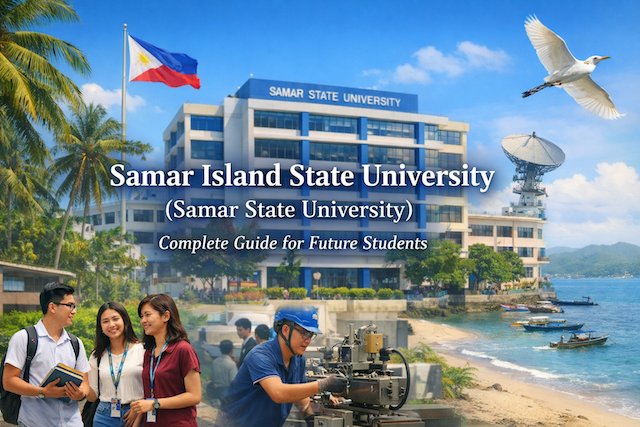
Samar Island State University (Samar State University): Complete Guide for Future Students
Contents
- Samar Island State University (Samar State University): Complete Guide for Future Students
- Quick Overview: What SSU Is Known For
- Location and Campuses: Studying on Samar Island
- Colleges and Programs: What You Can Typically Find
- Engineering and Built Environment
- Information Technology and Computing
- Education and Teacher Preparation
- Nursing and Health-Related Programs
- Fisheries, Marine, and Community-Relevant Fields
- How Admissions Usually Work (Practical Steps)
- Tuition, Fees, and Realistic Student Budget
- Scholarships and Financial Support
- Student Life: Organizations, Activities, and Campus Culture
- Facilities and Learning Environment: What to Expect
- Research and Extension: Community Impact Matters
- Housing, Transportation, and Daily Life in Catbalogan
- Career Outcomes: How to Maximize Employability
- Application Checklist (Practical and Simple)
- Final Thoughts: Is SSU Right for You?
- FAQs (Frequently Asked Questions)
- Is “Samar Island State University” the same as Samar State University (SSU)?
- Where is Samar State University located?
- What programs can I study at SSU?
- How does the admissions process usually work?
- Do I need to take an entrance exam?
- Is SSU affordable compared with private universities?
- What scholarships or financial aid options are available?
- What is student life like in Catbalogan?
- Are there dormitories or recommended housing options?
- How can I improve my chances of success once I enroll?
- How do I confirm the latest requirements and announcements?
Samar Island State University (Samar State University): Complete Guide for Future Students
If you are searching for “Samar Island State University,” you are most likely referring to Samar State University (SSU), a public state university located in Catbalogan City, Samar (Eastern Visayas, Philippines). Because “Samar Island” is often used to describe the broader region, many students use that phrase informally when looking for a state university on the island. This guide will help you understand what SSU is known for, what programs you can expect, how admissions generally work, and what student life looks like—so you can decide if it’s the right fit for your goals.
University policies, requirements, and offerings can change from year to year, so treat this as a practical overview and always confirm final details with the university’s official announcements and admissions office.
Quick Overview: What SSU Is Known For
Samar State University is a state-funded higher education institution with a long history in Samar. Over time, it expanded from a vocational and polytechnic identity into a comprehensive university that serves students across multiple disciplines. Today, SSU is typically associated with programs and training in areas such as:
- Engineering and technology (fields that support regional infrastructure and development)
- Education (preparing future teachers for local and regional schools)
- Health-related programs (such as nursing and other allied fields, depending on current offerings)
- Information technology and applied sciences (supporting digital skills and employability)
- Fisheries and marine-related studies (important for coastal and island communities)
As with many state universities, SSU’s mission tends to focus on access to quality education, professional training, and public service through research and extension programs that benefit local communities.
Location and Campuses: Studying on Samar Island
SSU’s main presence is in Catbalogan City, a key urban center in Samar. Catbalogan is a practical location for students because it has essential services (markets, malls/shops, hospitals/clinics, transportation hubs) while still being more affordable than major metropolitan areas.
SSU is also commonly described as having multiple campuses or external sites serving different parts of Samar. This setup is helpful if you live outside Catbalogan or prefer a program offered in a specific campus. If you are applying, double-check:
- Which campus offers your intended program
- Where entrance exams or screenings take place
- Whether you can complete your entire degree in one campus or need to move later
Tip: When you ask for requirements, always specify your intended degree and campus. Policies can differ slightly depending on program capacity, laboratory needs, and clinical or practicum placements.
Colleges and Programs: What You Can Typically Find
Most state universities organize their offerings by colleges or schools (for example, College of Engineering, College of Education, etc.). SSU is generally associated with several major academic areas. Below is a practical way to understand what each area usually involves and who it fits best.
Engineering and Built Environment
If you want a career in infrastructure, construction, utilities, or technical systems, engineering programs are often among the strongest draws of a state university. Expect a curriculum that balances math and theory with hands-on labs, design projects, and field exposure. Typical student pathways include:
- Construction and site work (contractor-side or government projects)
- Power and electrical systems
- Industrial plants and maintenance environments
- Licensure-focused preparation (when applicable to your degree)
Who it’s for: Students comfortable with math/science and ready for rigorous coursework, deadlines, and practical projects.
Information Technology and Computing
For students aiming at tech roles, computing programs generally focus on programming foundations, databases, networking, systems analysis, and applied problem-solving. Many students use these degrees as a launching pad toward:
- Software and web development
- IT support and systems administration
- Data-related roles (entry-level analytics, reporting, database work)
- Digital services and remote-friendly careers
Who it’s for: Students who want flexible career options and are willing to keep learning outside class (projects, portfolios, certifications).
Education and Teacher Preparation
Education degrees remain a core pillar for many state universities because they help supply qualified teachers to the region. Programs often include:
- Professional education subjects (teaching methods, assessment, classroom management)
- Major specialization (English, Math, Science, Social Studies, etc.)
- Practice teaching / internship in partner schools
Who it’s for: Students who want stable, service-oriented careers and enjoy communication, mentoring, and structured environments.
Nursing and Health-Related Programs
Health programs can be highly competitive because training requires specialized facilities and clinical placement coordination. If SSU offers a nursing or allied health program you’re interested in, expect:
- Screening requirements (academic performance, interviews, medical clearance)
- Laboratory work and clinical exposure
- Strict compliance with uniforms, skills checklists, and duty schedules
Who it’s for: Students who can handle responsibility, time pressure, and hands-on practice, and who are motivated by patient care and service.
Fisheries, Marine, and Community-Relevant Fields
In island and coastal regions, fisheries and marine-related programs can be especially meaningful. These degrees often combine science with community development and livelihood relevance. Students may learn about:
- Aquatic ecosystems and resource management
- Sustainable practices and food security
- Fieldwork, lab testing, and applied research
Who it’s for: Students interested in environmental systems, coastal livelihoods, and applied science that directly supports local communities.
How Admissions Usually Work (Practical Steps)
Admissions at public universities in the Philippines typically involve a combination of document submission, evaluation, and (in many cases) an entrance exam or screening process. While exact steps vary, here is a common, practical flow you can expect:
- Choose your program and campus. This affects deadlines and requirements.
- Prepare documents. Common items include school records, identification documents, and application forms.
- Submit within the admissions window. Some programs fill quickly, so earlier is better.
- Take an entrance exam or undergo screening. Competitive programs may add interviews or additional tests.
- Wait for results and confirm enrollment. You may need to pay minimal fees and complete enrollment steps.
Tip: For high-demand programs (often nursing and some engineering tracks), ask early about cut-off scores, grade requirements, and the number of available slots.
Tuition, Fees, and Realistic Student Budget
Many Filipino students choose a state university because it is more affordable than private institutions. However, even when tuition is reduced or subsidized, you should still plan for school-related expenses such as:
- Miscellaneous school fees (varies by term and program)
- Uniforms (especially for health programs)
- Laboratory fees and materials (science, engineering, health programs)
- Books, printing, and supplies
- Transportation and daily meals
- Internet/data and device needs
Living costs depend on your housing choice and lifestyle. If you are relocating to Catbalogan, create a monthly budget that includes rent/boarding, utilities, food, transportation, and school materials. Students in lab-heavy or clinical programs should budget extra for requirements that appear throughout the semester.
Scholarships and Financial Support
Students typically combine multiple sources of support to make college affordable. Common options include:
- Government-funded scholarship programs (national or local initiatives)
- LGU support (city/provincial assistance depending on your residency and program)
- University-based grants (needs-based or merit-based, when available)
- Part-time or project-based work (as feasible with your course load)
Tip: Ask the student affairs or scholarship office about requirements early. Many scholarships require maintaining a minimum grade, full-time enrollment, and timely submission of documents.
Student Life: Organizations, Activities, and Campus Culture
College success is not just academic; it also depends on belonging, support systems, and routines. State universities typically have student organizations that match academic interests, leadership development, culture and arts, athletics, and volunteer service.
Joining one or two organizations can help you:
- Build friendships and local networks
- Develop leadership and communication skills
- Access peer support for tough subjects
- Discover internships, scholarships, and opportunities
Try to balance activities with academic workload—especially in programs with heavy labs, practicum, or licensure-focused subjects.
Facilities and Learning Environment: What to Expect
Facilities differ by campus and program, but in general, you can expect core student services and learning spaces such as:
- Libraries and study spaces
- Computer labs (important for IT and research needs)
- Specialized laboratories for science/engineering/health programs
- Student service offices (guidance, scholarship coordination, registrar, etc.)
Because public universities often serve many students, it helps to develop strong habits: plan your schedule, avoid last-minute requirements, and use office hours or consultation time when you need support.
Research and Extension: Community Impact Matters
Many state universities have a strong public-service role through research and extension. “Extension” often means community programs that translate academic knowledge into practical outcomes—such as livelihood training, technology support, health education, and development projects.
As a student, participating in research or extension can give you:
- Real-world experience beyond the classroom
- Stronger resumes and interview stories
- Mentorship from faculty and community partners
- A clearer sense of how your field serves Samar and the region
Housing, Transportation, and Daily Life in Catbalogan
If you are relocating, your day-to-day experience will depend on how close your accommodation is to campus and how you manage routines. Consider these practical points:
- Distance to campus: Closer housing saves time and transportation costs.
- Safety and accessibility: Choose areas with reliable transport options and basic services nearby.
- Internet reliability: Important for submissions, research, and online learning components.
- Budget-friendly food options: Find carinderias/eateries and plan meals to manage costs.
Transportation in provincial cities is typically manageable, but travel time can still add up during exam weeks and project deadlines. If your schedule includes early labs or duty hours, prioritize a location that supports consistent attendance.
Career Outcomes: How to Maximize Employability
To get the most value from your degree, think beyond graduation requirements and build employability early. Regardless of your course, focus on:
- Strong fundamentals: Grades matter, but real skill matters more.
- Portfolio or proof of work: Projects, research posters, teaching demos, case write-ups, or system builds.
- Internships and practicum performance: Treat these as extended job interviews.
- Communication skills: Writing, presenting, teamwork, professionalism.
- Licensure readiness (if applicable): Plan review strategies early, not only after graduation.
Tip: Ask your department about industry partners, local employers, and alumni networks. Even small connections can open doors to internships or first jobs.
Application Checklist (Practical and Simple)
- Pick your intended program and confirm which campus offers it
- Track admissions dates and deadlines
- Prepare your school records and identification documents
- Budget for application steps, transportation, and initial fees
- Plan for entrance exam review (basic math, reading comprehension, and reasoning are commonly tested)
- Have a backup program choice in case your first option is highly competitive
Final Thoughts: Is SSU Right for You?
Samar State University can be a strong choice if you want an affordable public education with programs aligned to regional needs—especially if you plan to build a career in Eastern Visayas or in fields that serve community development. The best outcomes typically happen when students combine classroom learning with initiative: joining organizations, building practical skills, and using university resources early.
If you share what program you’re targeting (for example: nursing, engineering, IT, education, fisheries), I can tailor this into a version that focuses on that track—recommended preparation, typical subjects, practicum expectations, and what to prioritize in your first year.
FAQs (Frequently Asked Questions)
Is “Samar Island State University” the same as Samar State University (SSU)?
In most cases, yes. Many people search “Samar Island State University” as an informal way to describe a state university located on Samar Island. The institution most commonly associated with that search intent is Samar State University (SSU), which is based in Catbalogan City, Samar. If you are applying, it is important to confirm the official school name used on application forms, transcripts, and government documents. Using the correct official name helps prevent delays during admissions, scholarship processing, or credential verification. When in doubt, check the university’s official website and announcements, or contact the admissions office directly before submitting forms.
Where is Samar State University located?
SSU is associated with Catbalogan City in the province of Samar, part of the Eastern Visayas region in the Philippines. Catbalogan is a practical student city with access to transportation options, basic services, food establishments, and government offices. Some state universities also operate multiple campuses or extension sites to serve different areas, so your program might be offered in a specific campus. Before you finalize your plans, confirm the exact campus where your chosen degree is delivered, where entrance exams or screenings are held, and whether you need to relocate later for higher-year requirements such as labs, practicum, or specialized courses.
What programs can I study at SSU?
State universities typically offer a range of degree programs aligned with regional workforce needs. SSU is often associated with programs in engineering, technology, education, IT/computing, and other applied fields. Availability can change depending on accreditation, faculty capacity, and facility requirements. The best approach is to start with your target career (for example: teaching, engineering, or IT), then check which SSU college or department handles that program. If you are undecided, ask for a current list of programs and any “quota” or limited-slot courses that require higher grades or additional screening.
How does the admissions process usually work?
While exact steps vary, the admissions process for a public university commonly includes an application form, submission of academic records, identity documents, and an entrance exam or screening. Some programs may also require interviews, medical clearance, or minimum grades. Pay attention to deadlines and the order of steps, because missing a test date or submitting incomplete requirements can push your application to the next intake. If you are applying from a different city or province, plan your travel in advance and keep digital copies of your documents as a backup.
Do I need to take an entrance exam?
Many universities require an entrance exam or assessment, but requirements can differ by campus and program. Entrance exams often measure basic readiness skills such as reading comprehension, math reasoning, and general logic. Competitive programs may add department-level screening. Even if the exam feels “general,” it is worth preparing to improve your chances, especially if programs have limited slots. Review fundamentals, practice time management, and bring the correct identification and materials on exam day. Always confirm whether the test is on-site, online, or scheduled by batch.
Is SSU affordable compared with private universities?
State universities are generally more affordable than private institutions because they are publicly funded. However, “affordable” does not mean “free of all costs.” Students should still budget for miscellaneous fees, laboratory requirements, uniforms (for some programs), school supplies, printing, and daily living expenses such as food and transportation. If your program involves labs or fieldwork, costs can increase during certain semesters. A realistic budget plan helps you avoid disruptions mid-term and allows you to complete requirements on time.
What scholarships or financial aid options are available?
Students often use a combination of financial support sources, such as government scholarship programs, local government assistance, and university-based grants when available. Each scholarship typically has eligibility rules, required documents, and maintaining-grade conditions. Some also require service commitments or enrollment in priority programs. The best time to ask about scholarship options is before enrollment or early in your first term so you can meet submission deadlines. Keep your grades steady, maintain good attendance, and save copies of all documents you submit.
What is student life like in Catbalogan?
Catbalogan offers a student-friendly environment with essential services, transportation, and affordable food options. Like many provincial cities, daily life can be simpler and more budget-friendly than larger urban centers, but convenience depends on where you live. Students often look for housing that is close to campus, safe, and reliable for internet access. Joining student organizations can help you build a support network, find study groups, and learn about opportunities such as internships, outreach programs, and campus events. Balancing academics with activities is important, especially in demanding programs.
Are there dormitories or recommended housing options?
Housing options vary. Some universities have dormitories or limited campus accommodation, while many students rent boarding houses or rooms near campus. When choosing housing, prioritize safety, walking distance or easy transport routes, and study-friendly conditions. Ask about rules such as curfews, visitor policies, and utility arrangements. If you are new to the city, arriving a few days early can help you inspect options and settle before classes begin. It is also wise to choose a location that supports early labs, practicum schedules, or late project work when necessary.
How can I improve my chances of success once I enroll?
Success in a state university often depends on consistency and initiative. Attend classes regularly, build strong fundamentals, and use faculty consultation time when you struggle. Create a system for deadlines, especially if you have laboratory reports, group projects, or practicum requirements. Join one or two organizations to develop leadership and communication skills without overloading your schedule. For employability, build a portfolio of work: for IT, create projects; for education, develop teaching demonstrations; for engineering, keep design work and documentation. Treat practicum and internships as serious career steps.
How do I confirm the latest requirements and announcements?
The most reliable sources are the university’s official website, official social media pages, and the admissions or registrar offices. Because schedules and policies can change, avoid relying only on unofficial reposts or outdated blog content. If you are unsure, send a direct inquiry with your intended program, campus preference, and your current academic status (for example: incoming first-year, transferee, or returning student). Keep screenshots or copies of official announcements and note deadlines on a calendar so you do not miss key steps like exam dates, enrollment windows, or document submission cutoffs.
Complete List of Medical Schools in the Philippines (All 78 MD Programs)
Best Medical Schools in the Philippines (Local & International Rankings)
Recommend
2026年1月23日
Sultan Kudarat State University College of Medicine: Complete Guide for Aspiring MD Students
2026年1月23日
University of Southern Mindanao College of Medicine: Complete Guide for Aspiring MD Students
2026年1月23日
Mindanao State University – General Santos College of Medicine: Complete Guide for Future MD Students

How to Register for eTravel Philippines (2025 Guide)
Step-by-step guide to completing your eTravel registration before arriving in the Philippines, with images and tips.

Night Market in Cebu – Things You Don’t Know About Cebu Life
Discover the hidden charm of Cebu’s night markets, from street food stalls to local life tips you won’t find in tourist guides.

How to Use ChatGPT for IELTS Preparation: A Complete Guide
Learn how to prepare for IELTS using ChatGPT — including strategies for Writing, Reading, Listening, Speaking, and grammar support.

How to Build a Website Without Coding Using ChatGPT
Discover how to build your own website using AI—no coding skills needed. From structure planning to SEO and design, let ChatGPT guide you.