2025年12月18日
3D ACADEMY offers affordable English study programs in Cebu, Philippines – perfect for beginners, professionals, and exam takers.

3D UNIVERSAL ENGLISH INSTITUTE INC
info.3d-universal.com
8:00-17:00(Mon-Fri)
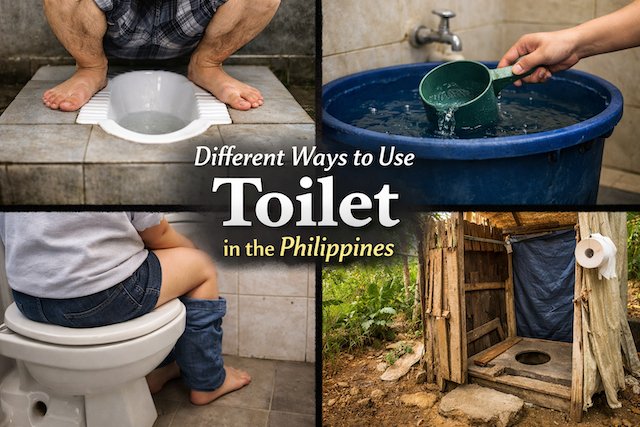
Different Ways to Use Toilet in the Philippines
Contents
- Different Ways to Use Toilet in the Philippines
- Modern Western-Style Flush Toilets
- Bidet Sprayers and Water-Based Cleaning
- Tabò: The Traditional Water Dipper
- Squat Toilets in the Philippines
- Bucket-Flush Toilets
- Public Toilets: What to Expect
- Toilet Etiquette in the Philippines
- Toilets in Filipino Homes vs Public Places
- Toilets in Schools and Workplaces
- Toilets in Malls and Airports
- Toilets in Budget Accommodations
- Toilets in Condominiums and Modern Apartments
- Health and Hygiene Considerations
- Common Mistakes Foreigners Make
- How to Prepare as a Traveler or Student
- Cultural Perspective on Toilets in the Philippines
- Final Thoughts
- FAQs (Frequently Asked Questions)
- Is it normal to throw toilet paper in the bin instead of flushing it in the Philippines?
- Do all toilets in the Philippines have bidets?
- How do I use a bidet sprayer (bum gun) correctly?
- What is a tabò and why is it common?
- Will I encounter squat toilets in the Philippines?
- Are public toilets in the Philippines free to use?
- What should I bring to feel prepared for Philippine restrooms?
- Is water-based cleaning more hygienic than using toilet paper?
- How do I know if it is okay to flush toilet paper?
- What should I do if there is no running water in the bathroom?
- Can I use wet wipes in the Philippines?
Different Ways to Use Toilet in the Philippines
Understanding how toilets are used in the Philippines can be surprising for first-time visitors, students, and expats. While modern flush toilets are common in malls, hotels, and condominiums, many households and public places still follow traditional or hybrid practices. These differences are shaped by plumbing systems, water availability, hygiene customs, and local culture.
This guide explains the different ways to use toilets in the Philippines, why they exist, and how to adapt comfortably and respectfully.
Modern Western-Style Flush Toilets
Western-style flush toilets are widely used in urban areas, especially in:
-
Shopping malls
-
Hotels and resorts
-
Condominiums and serviced apartments
-
Offices and international schools
In these places, toilet usage is similar to what many travelers are used to: sit, flush, and wash hands afterward.
However, even with modern toilets, there are important differences that visitors should know.
Toilet Paper Is Not Always Flushed
In many Philippine toilets, toilet paper should not be flushed, even if the toilet looks modern. Instead, used toilet paper is placed in a trash bin beside the toilet.
This practice exists because:
-
Plumbing pipes are often narrow
-
Septic systems clog easily
-
Toilet paper quality varies and may not dissolve well
Some newer buildings allow flushing toilet paper, but unless there is a clear sign saying “Toilet paper can be flushed”, it is safer to use the trash bin.
Bidet Sprayers and Water-Based Cleaning
One of the most common features in Philippine toilets is the bidet sprayer, also known as a “bum gun.”
How Bidet Sprayers Are Used
Instead of relying only on toilet paper, many Filipinos prefer to clean with water. The bidet sprayer is attached to the wall near the toilet and is used for rinsing after using the toilet.
Benefits include:
-
Better hygiene
-
Less toilet paper usage
-
Comfort in hot weather
First-time users should be careful with water pressure, as it can be strong.
Why Water Is Preferred
Water-based cleaning is influenced by:
-
Cultural emphasis on cleanliness
-
Tropical climate
-
Influence from other Asian countries
For many locals, using only toilet paper feels incomplete.
Tabò: The Traditional Water Dipper
In homes without bidet sprayers, a tabò is commonly used.
What Is a Tabò
A tabò is a small plastic dipper kept near a bucket of water inside the bathroom. After using the toilet, water is scooped and poured manually for cleaning.
This method is still widely used in:
-
Provincial homes
-
Older houses
-
Budget accommodations
-
Rural areas
How to Use a Tabò Properly
-
Scoop water from the bucket
-
Pour gently for cleaning
-
Repeat as needed
-
Flush or rinse the toilet afterward
While it may feel unfamiliar at first, many foreigners adapt quickly.
Squat Toilets in the Philippines
Squat toilets are less common than in some Asian countries, but they still exist.
Where You May Encounter Squat Toilets
-
Public markets
-
Bus terminals
-
Rural areas
-
Some older public schools
Squat toilets require squatting over a floor-level bowl. Water is often used for flushing and cleaning.
Tips for Using Squat Toilets
-
Face the correct direction (usually indicated)
-
Balance carefully
-
Bring your own tissue
-
Use water for cleaning
Although intimidating at first, squat toilets are considered hygienic by many locals.
Bucket-Flush Toilets
Some toilets in the Philippines do not flush automatically.
How Bucket-Flush Toilets Work
-
A bucket of water is kept nearby
-
After use, water is poured into the bowl to flush waste down
-
This is common in areas with limited water pressure
Bucket-flush toilets are practical and water-efficient but require manual effort.
Public Toilets: What to Expect
Public toilets in the Philippines vary widely in quality.
Common Characteristics
-
Some require a small fee (5–20 PHP)
-
Toilet paper may not be provided
-
Cleanliness depends on location
-
Attendants may hand you tissue upon entry
In many cases, you will need to:
-
Bring your own toilet paper
-
Use a bidet, tabò, or water hose
-
Dispose of paper in bins
Toilet Etiquette in the Philippines
Understanding local toilet etiquette helps avoid awkward situations.
Do Not Flush Non-Flushable Items
Never flush:
-
Wet wipes
-
Sanitary pads
-
Diapers
-
Excessive toilet paper
Bins are provided for a reason.
Keep the Bathroom Dry
After using water for cleaning, many locals rinse the floor slightly and leave the bathroom clean for the next user.
In shared housing:
-
Refill water buckets
-
Return the tabò to its place
-
Keep the toilet area clean
Toilets in Filipino Homes vs Public Places
In Private Homes
-
Water-based cleaning is standard
-
Toilet paper is optional
-
Guests follow house rules
In Public and Commercial Areas
-
More signage about disposal rules
-
Bidets more common than tabò
-
Western-style toilets dominate in cities
Toilets in Schools and Workplaces
In schools and offices:
-
Toilets may be shared
-
Supplies can run out quickly
-
Students often bring tissue or wipes
In some public schools, toilets may lack seats or running water, especially in rural areas.
Toilets in Malls and Airports
Malls and international airports offer the most comfortable toilet experience.
Features usually include:
-
Clean flush toilets
-
Bidet sprayers
-
Hand soap and dryers
-
Clear disposal instructions
However, even in malls, paper flushing rules may still apply.
Toilets in Budget Accommodations
Hostels and low-cost guesthouses may have:
-
Shared bathrooms
-
Bucket-flush systems
-
Limited water supply
Reading accommodation reviews helps avoid surprises.
Toilets in Condominiums and Modern Apartments
Modern condos typically have:
-
Flush toilets
-
Bidet sprayers
-
Strong water pressure
Rules about flushing toilet paper depend on the building’s plumbing system. Always ask or check signage.
Health and Hygiene Considerations
Is It Safe to Use Water-Based Cleaning?
Yes. Many consider it more hygienic than toilet paper alone. Just ensure:
-
Clean water supply
-
Proper handwashing afterward
Handwashing Is Essential
Soap and water should always be used after toilet use. In places without soap, hand sanitizer is useful.
Common Mistakes Foreigners Make
-
Flushing toilet paper when not allowed
-
Forgetting to bring tissue
-
Being surprised by bidet pressure
-
Assuming all toilets are the same
Awareness prevents discomfort and plumbing issues.
How to Prepare as a Traveler or Student
Bring:
-
Small tissue packs
-
Hand sanitizer
-
An open mindset
Adapting to local toilet practices becomes easy with experience.
Cultural Perspective on Toilets in the Philippines
Filipinos value cleanliness and practicality. Toilet practices evolved based on:
-
Infrastructure limitations
-
Climate conditions
-
Cultural norms
What may seem unusual at first often makes sense in context.
Final Thoughts
The Philippines offers a mix of modern and traditional toilet practices. From Western-style flush toilets to tabò and bucket systems, each method reflects local conditions and culture.
By understanding different ways to use toilets in the Philippines, visitors can avoid confusion, show respect, and stay comfortable throughout their stay. With a bit of preparation and flexibility, adapting to these practices becomes a natural part of the Philippine experience.
FAQs (Frequently Asked Questions)
Is it normal to throw toilet paper in the bin instead of flushing it in the Philippines?
Yes. In many places in the Philippines, it is normal to dispose of used toilet paper in a small trash bin beside the toilet. This is often due to plumbing systems that can clog easily, especially in older buildings or areas that rely on septic tanks. Even if a restroom looks modern, the pipes may still be narrow or the system may not be designed for large amounts of paper. If you do not see a clear sign saying that toilet paper can be flushed, it is safer to place it in the bin. When in doubt, follow what locals do or check posted instructions.
Do all toilets in the Philippines have bidets?
No. Many modern restrooms in condos, hotels, and malls have a bidet sprayer, but it is not universal. Some private homes and budget accommodations rely on a tabò (water dipper) and a bucket of water instead. In rural areas, you may also encounter bucket-flush toilets or simple facilities without a sprayer. If a bidet is not available, you can use water from a bucket for cleaning. Travelers who strongly prefer a certain setup often choose hotels or apartments known for modern bathrooms.
How do I use a bidet sprayer (bum gun) correctly?
A bidet sprayer is a handheld nozzle connected to a hose near the toilet. After using the toilet, you hold the nozzle and gently press the trigger to release water for cleaning. Start with low pressure and aim carefully to avoid splashing. Many first-time users accidentally spray too strongly, so a slow approach helps. After rinsing, you can use a small amount of tissue to dry, then dispose of it according to local rules. Always return the sprayer to its holder and make sure it is not leaking.
What is a tabò and why is it common?
A tabò is a plastic dipper used with a bucket of water, commonly found in Filipino homes. It is used for personal cleaning and sometimes for flushing. It remains common because it is simple, inexpensive, and works even when water pressure is weak. It is also part of a strong cultural preference for water-based hygiene. If you are staying with a local family, using the tabò properly is considered respectful. If you are unsure, you can observe how the bathroom is set up and keep the area tidy after use.
Will I encounter squat toilets in the Philippines?
It is possible, though less common in major malls or newer buildings. Squat toilets are more likely in public markets, bus terminals, older facilities, or rural areas. A squat toilet is a floor-level fixture that you use by squatting rather than sitting. Water for cleaning and flushing may be provided via a bucket, hose, or faucet. If you are not used to squat toilets, take your time, keep your balance, and bring tissues just in case supplies are missing.
Are public toilets in the Philippines free to use?
Some are free, but many public restrooms charge a small fee, especially in terminals, markets, and some tourist areas. The fee is usually low and helps pay for cleaning or supplies. In some places, an attendant may provide a small amount of tissue when you enter. However, you should not rely on that. It is a good habit to carry your own tissues and hand sanitizer whenever you go out, particularly when traveling outside major commercial centers.
What should I bring to feel prepared for Philippine restrooms?
Carrying a small “restroom kit” makes life easier. Common items include pocket tissues, hand sanitizer, and sometimes wet wipes (but do not flush wipes). If you are staying long-term, you may also keep extra soap or tissue in your bag, especially if you commute or travel often. In hot weather, water-based cleaning may feel more comfortable, but having tissue for drying is still useful. Preparation helps you stay calm even when the restroom is basic.
Is water-based cleaning more hygienic than using toilet paper?
Many people believe water-based cleaning is more hygienic because it removes residue more effectively than dry paper alone. In the Philippines, it is common to rinse with a bidet sprayer or tabò, then dry with tissue. The key factor is clean water and proper handwashing afterward. If you are in an area where water quality is uncertain, you can still use water for external cleaning, but focus on careful hand hygiene. Soap and water remain the gold standard.
How do I know if it is okay to flush toilet paper?
Look for posted signs inside the restroom. Some places clearly state “Please flush toilet paper” or “Do not flush tissue.” If there are no signs, check whether there is a bin next to the toilet; its presence often suggests that paper should be placed there. In many newer hotels and high-end buildings, flushing paper may be acceptable, but rules can still vary. When staying in an apartment or condo, asking the host or building staff is the safest option.
What should I do if there is no running water in the bathroom?
If there is no running water, the restroom may use a bucket system. You may see a bucket filled with water and a tabò for cleaning and flushing. Use the dipper to pour water into the bowl to flush, and use water for personal cleaning as needed. If the bucket is empty, you may need to fill it from another faucet, or inform staff if you are in a public place or accommodation. In shared housing, it is polite to refill the bucket if you used most of the water.
Can I use wet wipes in the Philippines?
You can use wet wipes for personal comfort, but you should not flush them unless the packaging and the facility clearly indicate they are safe to flush (and even then, it can still cause clogs). In many Philippine plumbing systems, wipes are a major cause of blockages. If you use wipes, dispose of them in the bin. For everyday use, many people prefer water-based cleaning plus a small amount of tissue, which is both practical and widely accepted.

How to Register for eTravel Philippines (2025 Guide)
Step-by-step guide to completing your eTravel registration before arriving in the Philippines, with images and tips.

Night Market in Cebu – Things You Don’t Know About Cebu Life
Discover the hidden charm of Cebu’s night markets, from street food stalls to local life tips you won’t find in tourist guides.

How to Use ChatGPT for IELTS Preparation: A Complete Guide
Learn how to prepare for IELTS using ChatGPT — including strategies for Writing, Reading, Listening, Speaking, and grammar support.

How to Build a Website Without Coding Using ChatGPT
Discover how to build your own website using AI—no coding skills needed. From structure planning to SEO and design, let ChatGPT guide you.