2026年1月12日
3D ACADEMY offers affordable English study programs in Cebu, Philippines – perfect for beginners, professionals, and exam takers.

3D UNIVERSAL ENGLISH INSTITUTE INC
info.3d-universal.com
8:00-17:00(Mon-Fri)
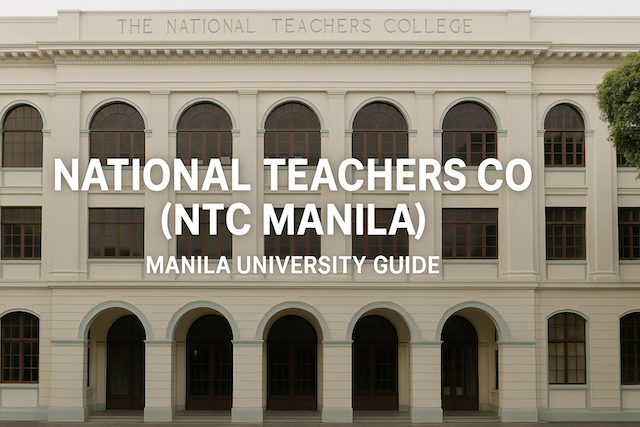
National Teachers College (NTC Manila): Manila University Guide
Contents
- National Teachers College (NTC Manila): Manila University Guide
- Overview of National Teachers College (NTC Manila)
- Why Choose NTC Manila?
- Undergraduate Programs at NTC Manila
- Graduate Programs at NTC
- Tuition Fees and Estimated Costs
- Campus Facilities and Learning Environment
- Student Life at NTC Manila
- Location and Surrounding Area
- Admission Requirements and Application Process
- Recommended Accommodation Near NTC Manila
- Ideal Students for NTC Manila
- Final Thoughts
- FAQs (Frequently Asked Questions)
- Where is National Teachers College (NTC Manila) located?
- What programs does NTC Manila offer for undergraduate students?
- Is NTC Manila a good school for future teachers?
- How much is the tuition at NTC Manila?
- Does NTC Manila offer scholarships or financial assistance?
- Are there programs for working students at NTC Manila?
- Does NTC Manila accept transferees and second-degree students?
- What are the basic admission requirements for new freshmen?
- Is NTC Manila suitable for international students?
- What is student life like at NTC Manila?
- Are there dormitories or affordable housing options near the campus?
- Does NTC Manila offer online or blended learning?
- How can I get more information or contact NTC Manila?
National Teachers College (NTC Manila): Manila University Guide
Overview of National Teachers College (NTC Manila)
The National Teachers College (NTC), located in the heart of Manila, is one of the Philippines’ most established institutions specializing in teacher education and professional development. Founded in 1928, NTC has spent nearly a century preparing educators, school leaders, and professionals across various fields. Today, it is part of the AC Education group under the Ayala Corporation, giving it access to modern learning systems and enhanced academic quality standards.
NTC is known for its strong focus on Education degrees, but it has also expanded to offer programs in Business, IT, Psychology, and graduate studies. Its campus is situated along Nepomuceno Street in Manila, surrounded by historical landmarks, academic institutions, and convenient transport options, making it a practical choice for students seeking an accessible city-based learning environment.
Whether you are a local student or an international learner looking for an affordable and reputable education institution in Metro Manila, NTC provides academic quality, strong community support, and a student-centered learning approach.
Why Choose NTC Manila?
NTC has built its name as an educator-producing institution with a strong reputation in teaching and training. Several factors make it an attractive choice:
1. Specialization in Teacher Education
NTC is widely recognized for its emphasis on producing competent educators. Its programs are aligned with CHED standards and Philippine licensure examination requirements, making it a favored choice for aspiring teachers.
2. Strategic Manila Location
Located in the busy educational district of Manila, the campus is accessible from major roads, LRT stations, jeepney routes, and bus terminals. Students can easily reach the school from surrounding cities like Quezon City, Makati, and Pasay.
3. Affordable Tuition and Flexible Payment Plans
NTC is known for offering budget-friendly education compared to larger private universities. Many students choose the school because it provides quality learning at a manageable cost.
4. Modern Learning Environment
As part of AC Education, NTC benefits from upgraded facilities, blended learning platforms, digital resources, and continuous academic innovation.
5. Strong Support for Working Students
Flexible schedules, weekend classes, and modular learning options make NTC a suitable choice for students balancing work and studies.
Undergraduate Programs at NTC Manila
NTC offers a strong lineup of undergraduate degrees, especially in the field of Education. Below are the main programs available for incoming freshmen and transferees:
Bachelor of Elementary Education (BEEd)
Designed for future elementary school educators, this program focuses on child development, pedagogy, curriculum design, and teaching strategies tailored for primary-level learners.
Bachelor of Secondary Education (BSEd)
One of the school’s most popular programs, BSEd offers major specializations such as:
-
English
-
Filipino
-
Mathematics
-
Science
-
Social Studies
-
Values Education
Graduates are prepared for teaching in junior and senior high schools.
Bachelor of Early Childhood Education (BECEd)
A specialized program ideal for students who want to teach preschool and kindergarten. Courses include child psychology, play-based learning, and early literacy development.
Bachelor of Technical-Vocational Teacher Education (BTVTEd)
A track for students aiming to become certified TVET instructors under TESDA. This program blends technical skills and educator training.
BS in Psychology
Focuses on human behavior, mental health, counseling, and psychological assessment. Popular among students interested in social sciences and human development careers.
BS in Business Administration (BSBA)
A solid program covering management, accounting, marketing, and entrepreneurship. Suitable for students aiming to enter corporate or business fields.
BS in Information Technology (BSIT)
A tech-focused program covering programming, database systems, systems analysis, and IT infrastructure management.
Graduate Programs at NTC
NTC also offers graduate-level programs for teachers, school administrators, and professionals who aim to enhance their credentials:
-
Master of Arts in Education (MAEd)
-
Master in Education (MEd)
-
Doctor of Education (EdD)
These programs emphasize research, leadership, and advanced teaching methodologies, making them ideal for aspiring principals, academic heads, and education specialists.
Tuition Fees and Estimated Costs
NTC Manila is known for providing affordable tuition rates. While exact fees vary by program and academic load, the average cost for undergraduate students typically ranges between:
-
₱20,000 to ₱35,000 per semester for most programs
-
₱25,000 to ₱40,000 per semester for IT or Business programs
-
Graduate school: ₱15,000–₱30,000 per term
Additional fees apply for labs, student activities, and miscellaneous charges. NTC also offers:
-
Installment payment plans
-
Scholarships for academic achievers
-
Discounts for siblings
-
Government financial aid (TES, UniFAST, CHED scholarships)
The accessible cost structure makes the school a practical option for many students.
Campus Facilities and Learning Environment
Despite being located in a compact urban space, NTC provides functional and student-friendly facilities such as:
-
Air-conditioned classrooms
-
Modernized Education laboratories
-
Psychology testing rooms
-
IT laboratories
-
Libraries and digital resource centers
-
Study lounges
-
Multipurpose halls
-
Food court and nearby dining options
The campus emphasizes safety and accessibility, with helpful staff and centralized student services.
Student Life at NTC Manila
NTC offers a balanced and community-oriented student life. While not as large as other Manila universities, it provides opportunities for student engagement, personal development, and academic growth.
Student Organizations
Students can join groups such as:
-
Education student councils
-
Psychology organizations
-
Business clubs
-
Performing arts and cultural groups
-
Sports teams
These groups organize seminars, competitions, outreach programs, and cultural activities.
Events and Activities
NTC hosts year-round activities including:
-
Teachers’ Day Celebrations
-
Foundation Week
-
Academic festivals
-
Intramurals
-
Community outreach
-
Leadership workshops
These events add vibrancy to campus life while promoting collaboration and cultural appreciation.
Location and Surrounding Area
NTC is located in Sampaloc–Quiapo area of Manila, surrounded by universities, review centers, and commercial spots. The campus is close to:
-
LRT-2 Recto Station
-
Quiapo Church
-
Far Eastern University (FEU)
-
University of the East (UE)
-
Several dormitories and apartments
-
Fast-food chains, cafes, and convenience stores
Students will find it easy to commute, eat, study, and socialize around the area due to its busy and student-friendly environment.
Admission Requirements and Application Process
NTC accepts freshmen, transferees, and returning students. Below is the typical process:
1. Online Application
Applicants fill out the form through the NTC admissions portal.
2. Submission of Documents
Common requirements include:
-
Form 138 (Report Card)
-
PSA Birth Certificate
-
Certificate of Good Moral Conduct
-
Two ID photos
-
For transferees: Transcript of Records or Transfer Credentials
3. Entrance Evaluation
NTC may conduct interviews or assessment exams depending on the program.
4. Enrollment and Payment
Once accepted, students proceed with registration, subject advising, and payment (installment or full).
5. Orientation and Start of Classes
Freshmen are encouraged to join orientation activities to familiarize themselves with campus policies and services.
Recommended Accommodation Near NTC Manila
Students coming from outside Metro Manila can find many affordable dormitories and apartments nearby. Options include:
-
Shared dorms (₱3,000–₱6,000 per month)
-
Boarding houses (₱4,000–₱8,000 per month)
-
Studio-type apartments (₱10,000–₱16,000 per month)
Areas like Quiapo, Legarda, Recto, and Sampaloc are popular student zones with easy access to the campus.
Ideal Students for NTC Manila
NTC is an excellent fit for students who:
-
Want to pursue teaching or education-related fields
-
Prefer a budget-friendly school with flexible schedules
-
Value a community-oriented, supportive environment
-
Seek a campus in a highly accessible Manila district
-
Need programs suitable for working students
With its long history and modernized academic approach, NTC continues to attract students who want both affordability and quality.
Final Thoughts
National Teachers College (NTC Manila) remains one of the Philippines’ premier institutions for teacher education and applied academic programs. Thanks to its strategic Manila location, affordable tuition, strong academic framework, and supportive community culture, the school is a top choice for anyone looking to build a career in education or pursue professional development in related fields.
FAQs (Frequently Asked Questions)
Where is National Teachers College (NTC Manila) located?
National Teachers College (NTC Manila) is located in the central part of Manila, in an academic district close to Quiapo, Sampaloc, and Recto. It is surrounded by other universities, review centers, dormitories, and commercial establishments, making it a convenient area for students. The campus is accessible via jeepneys, buses, and the LRT line, which is helpful for commuters from different parts of Metro Manila.
What programs does NTC Manila offer for undergraduate students?
NTC Manila is best known for its Education programs, such as Bachelor of Elementary Education (BEEd), Bachelor of Secondary Education (BSEd), and Bachelor of Early Childhood Education (BECEd). It also offers other programs like Bachelor of Technical-Vocational Teacher Education (BTVTEd), BS Psychology, BS Business Administration, and BS Information Technology. These courses provide options for students interested in teaching, social sciences, business, and IT.
Is NTC Manila a good school for future teachers?
Yes. NTC Manila has a long history as a teacher education institution and is focused on preparing students for teaching careers in basic education, early childhood, and technical-vocational settings. Its curriculum is aligned with national standards and licensure examination requirements. Many students choose NTC specifically because they want to become licensed teachers and build their careers in schools, training centers, and education-related organizations.
How much is the tuition at NTC Manila?
Tuition at NTC Manila is generally considered affordable compared to many private universities in Metro Manila. While exact fees depend on the program and the number of units enrolled, typical undergraduate tuition can range from around ₱20,000 to ₱35,000 per semester for most Education programs, and slightly higher for some IT or business programs. Students should always check directly with the school for the latest official fee schedules and breakdowns.
Does NTC Manila offer scholarships or financial assistance?
NTC Manila provides several options for students who need financial support. These may include academic scholarships for high-performing students, discounts for siblings, and internal grants depending on availability and criteria. In addition, qualified students can also apply for government-funded programs such as TES, UniFAST, or CHED scholarships when available. It is best to contact the admissions or scholarships office for updated requirements and application periods.
Are there programs for working students at NTC Manila?
Yes. NTC Manila is known for being friendly to working students. It often offers flexible schedules, such as late afternoon, evening, or weekend classes, depending on the program. Some subjects may also be available through blended or modular formats, allowing students to juggle work and study. If you are currently employed, you can coordinate with the registrar or program chair to plan a realistic and manageable study load.
Does NTC Manila accept transferees and second-degree students?
NTC Manila accepts transferees and second-degree applicants, subject to evaluation of their credentials. Transferees typically need to submit their Transcript of Records, course descriptions (if necessary), and a Certificate of Good Moral Character from their previous institution. Second-degree applicants may be credited for certain subjects if they are aligned with NTC’s curriculum. The admissions office can guide each applicant on specific requirements and credit evaluation procedures.
What are the basic admission requirements for new freshmen?
For incoming freshmen, common admission requirements include a completed application form, senior high school report card (Form 138), PSA birth certificate, certificate of good moral character, and recent ID photos. Some programs may require interviews or additional assessment. Once documents are submitted and the applicant is accepted, they can proceed with enrollment, subject advising, and payment of fees according to the school’s schedule.
Is NTC Manila suitable for international students?
International students who are interested in education or related programs may find NTC Manila a practical option due to its specialization, affordable tuition, and central location. However, foreign applicants must comply with additional requirements such as visa documents, certification of English proficiency (if applicable), and evaluation of foreign credentials. It is important for international students to contact the registrar or international admissions office in advance for detailed guidance.
What is student life like at NTC Manila?
Student life at NTC Manila is community-oriented and focused on both academic and personal development. While the campus is not as large as some universities, it hosts active student organizations, academic clubs, sports activities, and cultural events such as Foundation Day, intramurals, seminars, and outreach programs. These activities allow students to build friendships, practice leadership, and gain experiences beyond the classroom.
Are there dormitories or affordable housing options near the campus?
Yes. The area around NTC Manila has many dormitories, boarding houses, and apartments catering to students from different schools in the district. Options range from shared dorm rooms with basic facilities to more private studio-type units. Monthly rent can vary widely depending on location, room type, and amenities, but there are typically budget-friendly choices that suit students who want to live close to campus and reduce commuting time.
Does NTC Manila offer online or blended learning?
In recent years, many Philippine institutions, including NTC, have adopted blended and technology-supported learning approaches. While the exact format may change over time, students can expect some use of learning management systems, digital resources, and possibly online or hybrid classes, especially for certain subjects. The specific delivery mode for each term is usually announced by the school and may depend on regulations, technology readiness, and program requirements.
How can I get more information or contact NTC Manila?
Prospective students can get more information by visiting NTC Manila’s official website or official social media pages, where announcements about admissions, scholarships, and events are posted. You may also reach out through the school’s published phone numbers or email addresses for the registrar, admissions, or guidance office. For the most accurate and updated details, it is always recommended to rely on official NTC communication channels.
Philippines University Guide
Manila University Guide
Manila Province All Universities Lists

How to Register for eTravel Philippines (2025 Guide)
Step-by-step guide to completing your eTravel registration before arriving in the Philippines, with images and tips.

Night Market in Cebu – Things You Don’t Know About Cebu Life
Discover the hidden charm of Cebu’s night markets, from street food stalls to local life tips you won’t find in tourist guides.

How to Use ChatGPT for IELTS Preparation: A Complete Guide
Learn how to prepare for IELTS using ChatGPT — including strategies for Writing, Reading, Listening, Speaking, and grammar support.

How to Build a Website Without Coding Using ChatGPT
Discover how to build your own website using AI—no coding skills needed. From structure planning to SEO and design, let ChatGPT guide you.