2026年1月23日
3D ACADEMY offers affordable English study programs in Cebu, Philippines – perfect for beginners, professionals, and exam takers.

3D UNIVERSAL ENGLISH INSTITUTE INC
info.3d-universal.com
8:00-17:00(Mon-Fri)
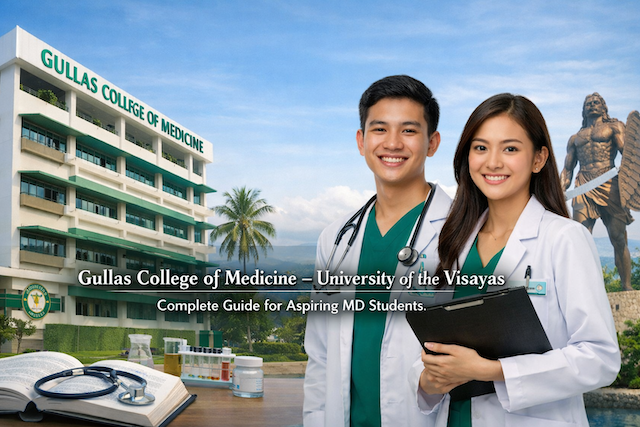
Gullas College of Medicine – University of the Visayas: Complete Guide for Aspiring MD Students
Contents
- Gullas College of Medicine – University of the Visayas: Complete Guide for Aspiring MD Students
- Quick Overview
- Why Students Choose Cebu for Medical School
- Doctor of Medicine (MD) Program Structure
- Academic Workload and Study Expectations
- Clinical Training and Patient Exposure
- Admissions Requirements
- Tuition, Fees, and Budget Planning
- Student Life in Cebu City
- Housing Tips for Medical Students
- How to Prepare Academically Before Starting
- Career Path After the MD Program
- Challenges to Expect and How to Handle Them
- Who Is This School a Good Fit For?
- Practical Next Steps
- FAQs (Frequently Asked Questions)
- Is Gullas College of Medicine part of the University of the Visayas?
- What degree do students earn, and how long is the program?
- Is the MD program taught in English?
- Do international students need the NMAT?
- What documents are usually required for admission?
- How competitive is admission, and what makes an application stronger?
- What is the workload like in medical school?
- When do students start clinical training and hospital exposure?
- How much should I budget for living expenses in Cebu City?
- Where should students live to minimize commute stress?
- Can students work part-time while studying medicine?
- What should international students consider before enrolling?
- What are common challenges, and how can students handle them?
Gullas College of Medicine – University of the Visayas: Complete Guide for Aspiring MD Students
Gullas College of Medicine (often referred to as GCM) is one of the medical schools in Cebu City, Philippines, operating under the University of the Visayas (UV). For many applicants—especially international students who want an English-taught Doctor of Medicine (MD) program in a major Philippine city—Cebu is appealing because it offers a balance of urban convenience, a large healthcare ecosystem, and access to beaches and islands for weekend breaks.
This guide explains what prospective students typically want to know before applying: what the MD program is like, how clinical training usually works, how to prepare academically, what student life in Cebu looks like, and what to consider if you are coming from overseas. The details of admissions and fees can change year to year, so treat this as a practical overview and always confirm the latest requirements directly with the school.
Quick Overview
Gullas College of Medicine – University of the Visayas is located in Cebu City, a regional hub in the Central Visayas. Cebu is well known for its universities, hospitals, and a large student population. For medical students, this matters because you will benefit from exposure to a wide range of patient cases, community health needs, and clinical settings.
Like most medical schools in the Philippines, the MD curriculum is designed around foundational sciences, integrated organ-system learning, clinical skills training, and then hospital-based clerkship. Medical education in the country is generally aligned with the expectations of Philippine licensure requirements, with a strong emphasis on hands-on patient contact during the clinical years.
Why Students Choose Cebu for Medical School
Cebu is one of the most practical places in the Philippines for students who want a city-based medical education experience outside Metro Manila. Daily life is more manageable for many students: commutes can be shorter depending on where you live, and there are plenty of housing options ranging from dorm-style rooms to condos and shared apartments.
Another reason is lifestyle. Cebu offers modern malls, varied food options, gyms, coworking spaces, and transport networks that are relatively familiar to international students. At the same time, weekend travel can be surprisingly easy: nearby islands and beaches are accessible for short breaks that help students recharge.
Finally, Cebu’s healthcare environment is busy. Medical students often value environments where they can observe and participate in diverse cases—internal medicine, pediatrics, surgery, obstetrics and gynecology, emergency care, and community health. The density of clinics and hospitals in a major city can support that breadth.
Doctor of Medicine (MD) Program Structure
While exact course sequencing can vary by institution, the MD program in the Philippines commonly follows a progression from basic sciences to clinical sciences and then to clerkship. In broad terms, you can expect:
- Early years: Foundational sciences such as anatomy, physiology, biochemistry, microbiology, parasitology, pathology, pharmacology, and behavioral science.
- Clinical transition: History-taking, physical examination skills, patient communication, and early clinical exposure where you learn to apply science concepts to real cases.
- Clinical years: Rotations in major departments (medicine, surgery, pediatrics, OB-GYN, psychiatry, family/community medicine) with increasing responsibility under supervision.
Many programs integrate case-based discussions, practical laboratory sessions, small group learning, and simulation activities. Your success will depend not only on memorizing facts but also on building clinical reasoning: learning to interpret symptoms, form differential diagnoses, order appropriate tests, and communicate safe plans of care.
Academic Workload and Study Expectations
Medical school is time-intensive. Students often underestimate how much repetition is required to retain knowledge and how quickly the curriculum moves. If you are planning to enroll, it helps to adopt a sustainable system early:
- Daily review: Revisit lecture content the same day to reduce backlog.
- Spaced repetition: Use flashcards or structured review schedules for anatomy, pharmacology, and microbiology.
- Active recall: Practice self-testing rather than only rereading notes.
- Case practice: Link symptoms to mechanisms and management plans to strengthen clinical thinking.
Also, be realistic about wellness. Sleep, nutrition, and stress management directly affect academic performance. A consistent routine beats an extreme “cram and crash” cycle, especially when exams occur frequently.
Clinical Training and Patient Exposure
Clinical education typically includes a mix of classroom-based case learning and real-world exposure. During skills training, you will practice patient interviews, physical exams, and procedural basics in controlled settings before doing them in wards or clinics. As you progress, you will learn to present cases, write clinical notes, and communicate with patients and healthcare teams.
In clerkship, students rotate through hospital departments and experience the realities of healthcare delivery: time constraints, complex cases, multidisciplinary teamwork, and ethical decision-making. The goal is to graduate with competence in core clinical skills and the professional habits needed for internship and licensure.
If you are an international student, pay attention to communication. English is widely used in medical education, but patients may speak Cebuano, Tagalog, or other local languages. Even basic local-language phrases can improve bedside rapport. Many international students learn practical phrases quickly with daily exposure.
Admissions Requirements
Medical school admission requirements vary, but many Philippine institutions request a combination of academic records and standardized testing. Common requirements often include:
- Completed undergraduate degree (or equivalent) with required prerequisite subjects depending on the school’s policy
- Transcript of Records and proof of graduation
- Entrance examination results (some schools request NMAT for local applicants; international requirements may differ)
- Personal documents such as birth certificate or passport, photos, and identification
- Medical certificate and other health-related documentation
- Interview and/or additional screening
International applicants may need extra steps such as credential evaluation, authenticated documents, and student visa processing. Always verify the current checklist and deadlines directly with the admissions office because immigration and institutional policies can change.
Tuition, Fees, and Budget Planning
Tuition and fees can differ by intake year and student category. Beyond tuition, plan for “real” living costs in Cebu. A practical budget usually includes:
- Housing: shared rooms, dorm-style accommodations, apartments, or condominiums
- Utilities: electricity (air-conditioning can be a major cost), water, internet
- Food: cafeteria meals, cooking at home, or restaurant eating
- Transportation: jeepneys, buses, taxis, ride-hailing, and occasional long-distance travel
- School expenses: uniforms (if required), lab materials, equipment, and printing
- Medical books and tools: stethoscope, sphygmomanometer, and learning resources
A good approach is to create a monthly “fixed cost” plan (rent, utilities, internet) and a “variable cost” plan (food, transport, printing, social activities). Many students also budget for exam periods because expenses can increase due to printing, extra meals, and occasional transportation needs.
Student Life in Cebu City
Cebu is a student-friendly city with an active university environment. You can find coffee shops and study spots, libraries, and spaces that cater to students. Medical students, however, often spend more time building routines that support consistent studying rather than a typical university social schedule.
For stress relief, many students choose simple habits: morning walks, short gym sessions, quick beach day-trips, or community involvement. Cebu also offers convenient access to essential services—clinics, pharmacies, supermarkets—making daily life manageable even during heavy academic periods.
Safety and convenience depend on your exact neighborhood and commuting route. If you are new to Cebu, prioritize housing that minimizes commute time and offers reliable internet and quiet study conditions. In medical school, saving an hour of travel per day can translate to meaningful study and rest.
Housing Tips for Medical Students
When choosing where to live, consider your daily schedule. Early morning classes and clinical duties can make long commutes exhausting. Common student priorities include:
- Distance to campus and training sites: short commutes reduce fatigue
- Reliable internet: essential for lectures, research, and online submissions
- Quiet environment: sleep quality and focus matter
- Security: secure building entry, well-lit streets, and safe transport options
- Access to food and essentials: grocery stores, pharmacies, and laundry services nearby
If you are an international student, ask about lease terms and deposits. Some rentals require longer commitments, while others are flexible. Clarify whether utilities are included and whether the unit has air-conditioning, as this can affect your monthly cost significantly.
How to Prepare Academically Before Starting
If you want to enter medical school with confidence, focus on building a foundation rather than trying to pre-learn everything. Strong preparation areas include:
- Basic anatomy: learn common terms, body planes, and major organ systems
- Physiology basics: understand core mechanisms like respiration, circulation, and renal function
- Study system: practice flashcards, active recall, and consistent review habits
- Medical English skills: especially writing case summaries and understanding clinical vocabulary
Also, practice discipline. In medical school, the difference between struggling and succeeding is often not raw intelligence but consistency: showing up, reviewing daily, and asking for help early.
Career Path After the MD Program
After completing the MD degree, graduates typically proceed to internship, licensure exams (for those pursuing Philippine licensure), and then residency training if they plan to specialize. Career paths can include hospital-based practice, primary care, public health, research, academe, and specialized clinical fields.
International students should consider their long-term plan early. If you intend to practice outside the Philippines, research the requirements in your target country well in advance. Each country has specific pathways for international medical graduates, including exam requirements, credential verification, and training prerequisites.
Challenges to Expect and How to Handle Them
Every medical school journey has difficult phases. Common challenges include heavy exam schedules, information overload, and performance anxiety. Practical strategies include:
- Use a weekly plan: divide tasks into daily chunks and keep one buffer day
- Study in cycles: focused sessions with short breaks improve retention
- Find a small peer group: share resources and clarify confusing topics
- Ask early: don’t wait until the final week to seek help from faculty or mentors
- Protect health: sleep and meals are performance tools, not luxuries
If you are adjusting to a new country, also expect culture shock. Simple steps—learning local etiquette, understanding transport routines, and building a support network—can reduce stress significantly.
Who Is This School a Good Fit For?
Gullas College of Medicine – University of the Visayas can be a practical choice for students who:
- Want to study medicine in an English-instruction environment
- Prefer to live in a major city with access to hospitals and healthcare services
- Can handle a structured, fast-paced academic workload
- Value clinical exposure and a hands-on approach during the clinical years
It may be less ideal for those who strongly prefer a rural setting or who need a very narrow, research-intensive environment from the earliest year. Most students thrive when they match the program to their learning style and long-term goals.
Practical Next Steps
If you are considering applying, take these steps to move forward efficiently:
- Confirm admissions requirements: ask the school for the current document list, deadlines, and eligibility criteria.
- Plan your budget: estimate tuition, housing, monthly expenses, and emergency funds.
- Prepare documents early: international applicants should allow extra time for authentication and visa processing.
- Choose a housing strategy: prioritize commute time and reliable internet.
- Start building habits now: establish a study routine and basic science refreshers before the first semester.
Medical school is a long-term commitment, but with clear planning and consistent habits, it becomes manageable. Cebu offers a supportive environment for students who want both serious training and a livable city experience. If you approach the journey with discipline and curiosity, you can make the most of what the program and the city have to offer.
FAQs (Frequently Asked Questions)
Is Gullas College of Medicine part of the University of the Visayas?
Yes. Gullas College of Medicine (GCM) operates under the University of the Visayas (UV) in Cebu City, Philippines. When you apply, your academic records, enrollment process, and student policies are generally managed within the broader UV framework. However, the medical college often has its own program-specific requirements, offices, and procedures. For the most accurate details, applicants should confirm the current admissions checklist, intake schedules, and documentation requirements directly with the medical school.
What degree do students earn, and how long is the program?
Students typically pursue the Doctor of Medicine (MD) degree. In the Philippines, the MD program is commonly structured across several academic years, progressing from foundational medical sciences to clinical training and hospital-based rotations. The exact length and sequencing can vary by institution and by curriculum updates, so you should verify the current program outline and academic calendar with the school. After finishing the MD program, graduates generally proceed to internship and licensure steps depending on their career plans and the country where they intend to practice.
Is the MD program taught in English?
Medical education in the Philippines is largely delivered in English, especially for lectures, textbooks, examinations, and clinical documentation. This is one reason international students often consider Philippine medical schools. That said, patient interaction in clinical settings may involve local languages such as Cebuano and Tagalog, particularly in busy wards and community rotations. Many students learn practical phrases over time, and clinical teams may help with translation when needed. Strong English communication skills are still essential for academic success.
Do international students need the NMAT?
Requirements can differ depending on nationality, prior education, and the school’s current policy. Some Philippine medical schools require the National Medical Admission Test (NMAT) for local applicants, while international applicants may follow a different pathway or present alternative credentials. Because policies can change, you should ask the admissions office whether NMAT is required for your specific case and what minimum score (if any) is needed. Clarifying this early can prevent delays and help you plan your application timeline.
What documents are usually required for admission?
Commonly requested documents include an undergraduate transcript, proof of graduation (or expected graduation), identification documents, and a set of application forms. Schools may also request a medical certificate, photographs, and additional records depending on your background. International applicants often need authenticated or officially verified documents, and some may need credential evaluation depending on the country of origin. Because missing paperwork is a frequent cause of processing delays, it is wise to prepare a clear document checklist and submit items in the exact format requested.
How competitive is admission, and what makes an application stronger?
Competitiveness varies by intake year, seat availability, and applicant volume. A stronger application typically includes consistent academic performance, solid prerequisite preparation, and clear motivation for pursuing medicine. If interviews are part of the process, professionalism and communication skills also matter. For international students, showing readiness to study in an English-based environment and demonstrating a realistic plan for living in Cebu can help. Ultimately, the best strategy is to apply early, follow instructions carefully, and submit complete documentation.
What is the workload like in medical school?
The workload is intense and fast-paced. Students must manage frequent exams, laboratory work, reading assignments, and skill-building activities. In many programs, the early years emphasize foundational sciences, while later years demand clinical reasoning, patient communication, and practical competency. Successful students typically rely on daily review, active recall, and steady progress rather than last-minute cramming. Time management is crucial, and maintaining basic health habits—sleep, nutrition, and exercise—often improves academic performance.
When do students start clinical training and hospital exposure?
Clinical exposure usually increases as students advance through the program. Early on, students may practice history-taking and physical exam skills in structured sessions, then gradually transition into hospital or community settings. In the clinical years, students typically rotate through major departments such as internal medicine, surgery, pediatrics, obstetrics and gynecology, psychiatry, and community medicine. Clinical training focuses on safe patient interaction, structured case presentations, proper documentation, and teamwork within healthcare systems.
How much should I budget for living expenses in Cebu City?
Living costs depend heavily on your housing choice, lifestyle, and study habits. Your main expenses will likely include rent, utilities (especially electricity if you use air-conditioning), internet, food, transportation, and school-related supplies. Many students also spend on printing, clinical tools, and occasional exam-related materials. A practical approach is to estimate fixed monthly costs first, then add a buffer for variable spending and emergencies. If you are arriving from overseas, budgeting for initial setup costs—deposits, furnishings, and local registration fees—is also important.
Where should students live to minimize commute stress?
Medical students often prioritize convenience over luxury. If possible, choose housing that reduces daily travel time to campus and training sites. Reliable internet, a quiet study environment, and basic safety features matter more than extra amenities. Some students prefer shared accommodations to reduce costs, while others choose private rooms for better rest and focus. If you are unfamiliar with Cebu, consider temporary housing first so you can evaluate commuting routes before committing to a long lease.
Can students work part-time while studying medicine?
Because medical school is demanding, part-time work can be difficult to sustain without affecting performance. Some students earn income through flexible online tasks, tutoring, or occasional freelance work, but this depends on schedule and personal stamina. International students should also confirm visa or residency rules that may limit employment options. If your financial plan requires work, it is safer to secure funding in advance, then treat any additional income as supplemental rather than essential.
What should international students consider before enrolling?
International students should plan for documentation, immigration requirements, and realistic living arrangements. You may need extra time for document authentication, student visa processing, and local registration steps. You should also research your long-term licensure pathway if you intend to practice outside the Philippines, since each country has different exams and credential verification processes. Finally, prepare for cultural adjustment: learning basic Cebuano phrases, understanding local transportation, and building a support network can make your transition smoother.
What are common challenges, and how can students handle them?
Common challenges include information overload, exam pressure, and fatigue during clinical rotations. Students manage these by maintaining a consistent study routine, using active recall methods, and forming small peer groups for discussion and support. It also helps to schedule recovery time: short breaks, exercise, and adequate sleep reduce burnout. If you struggle academically or emotionally, seek help early through mentors, faculty, or student services. In medical school, early intervention is often the difference between prolonged stress and steady improvement.
Complete List of Medical Schools in the Philippines (All 78 MD Programs)
Best Medical Schools in the Philippines (Local & International Rankings)
Recommend
2026年1月23日
Sultan Kudarat State University College of Medicine: Complete Guide for Aspiring MD Students
2026年1月23日
University of Southern Mindanao College of Medicine: Complete Guide for Aspiring MD Students
2026年1月23日
Mindanao State University – General Santos College of Medicine: Complete Guide for Future MD Students

How to Register for eTravel Philippines (2025 Guide)
Step-by-step guide to completing your eTravel registration before arriving in the Philippines, with images and tips.

Night Market in Cebu – Things You Don’t Know About Cebu Life
Discover the hidden charm of Cebu’s night markets, from street food stalls to local life tips you won’t find in tourist guides.

How to Use ChatGPT for IELTS Preparation: A Complete Guide
Learn how to prepare for IELTS using ChatGPT — including strategies for Writing, Reading, Listening, Speaking, and grammar support.

How to Build a Website Without Coding Using ChatGPT
Discover how to build your own website using AI—no coding skills needed. From structure planning to SEO and design, let ChatGPT guide you.