2026年1月23日
3D ACADEMY offers affordable English study programs in Cebu, Philippines – perfect for beginners, professionals, and exam takers.

3D UNIVERSAL ENGLISH INSTITUTE INC
info.3d-universal.com
8:00-17:00(Mon-Fri)
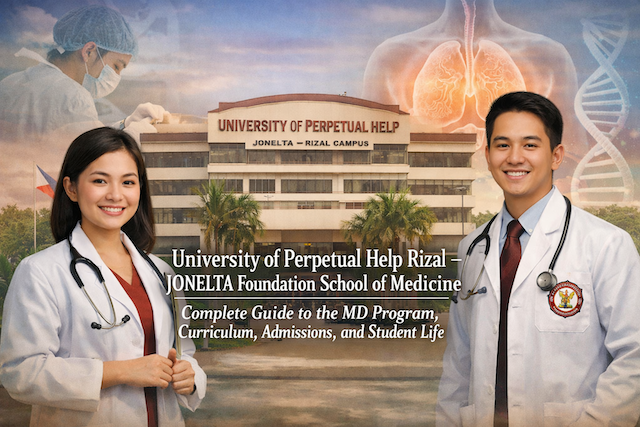
University of Perpetual Help Rizal – JONELTA Foundation School of Medicine: Complete Guide to the MD Program, Curriculum, Admissions, and Student Life
Contents
- University of Perpetual Help Rizal – JONELTA Foundation School of Medicine: Complete Guide to the MD Program, Curriculum, Admissions, and Student Life
- Overview: What This Medical School Is Known For
- Location and Campus Environment
- Doctor of Medicine (MD) Program Overview
- Pre-Clinical Curriculum: Building the Foundation
- Clinical Years: Transition to Patient-Centered Learning
- Clinical Training and Hospital Exposure
- Facilities and Learning Resources
- Admissions Requirements and Application Process
- Tuition Fees and Cost of Attendance
- Accreditation and Recognition
- Student Life and Academic Culture
- Who Should Consider This Medical School
- Tips for Succeeding in Medical School
- Final Thoughts
- FAQs (Frequently Asked Questions)
- Where is the University of Perpetual Help Rizal – JONELTA Foundation School of Medicine located?
- What degree does the school offer for aspiring doctors?
- How long is the MD program in the Philippines?
- What subjects are covered in the pre-clinical years?
- When do students start clinical rotations?
- What should applicants prepare for the admissions process?
- Is this school suitable for international students?
- How much is the tuition, and what other costs should students expect?
- How can I evaluate whether the clinical training is strong?
- Does the school provide scholarships or financial assistance?
- What is student life like, and how demanding is the schedule?
- What career paths are possible after graduating from the MD program?
- What are practical tips for succeeding in the first year?
University of Perpetual Help Rizal – JONELTA Foundation School of Medicine: Complete Guide to the MD Program, Curriculum, Admissions, and Student Life
Overview: What This Medical School Is Known For
The University of Perpetual Help Rizal – JONELTA Foundation School of Medicine is a private medical school located in Las Piñas City, Metro Manila. It is part of the University of Perpetual Help System DALTA, a well-established private university network in the Philippines offering programs in medicine, allied health, business, and education.
The School of Medicine focuses on training future physicians through a structured Doctor of Medicine (MD) program that balances academic foundations, clinical exposure, and professional values. Its educational philosophy emphasizes competence, discipline, and service to the community, aligning medical education with real-world healthcare needs in the Philippines.
Location and Campus Environment
The School of Medicine operates within the University of Perpetual Help System DALTA campus in Las Piñas, a residential and commercial area in southern Metro Manila. This location provides students with access to urban amenities while still offering a relatively quieter environment compared to central business districts.
Being part of a large university system allows medical students to benefit from shared facilities, administrative support, and student services. Access to libraries, study spaces, food services, and transportation options contributes to a stable and convenient campus life throughout the demanding years of medical training.
Doctor of Medicine (MD) Program Overview
The core academic offering of the School of Medicine is the Doctor of Medicine (MD) degree, the required professional qualification to pursue physician licensure in the Philippines. The MD program follows a multi-year structure that integrates theoretical instruction with progressive clinical exposure.
The program is generally divided into:
- Pre-clinical years focused on foundational medical sciences
- Clinical years emphasizing hands-on hospital training
- Clerkship and supervised patient care in major medical departments
Pre-Clinical Curriculum: Building the Foundation
During the pre-clinical phase, students focus on acquiring a strong grounding in the biomedical sciences that underpin clinical medicine. Instruction typically combines lectures, laboratory work, small-group discussions, and examinations.
- Anatomy, including gross anatomy and neuroanatomy
- Physiology and integrated organ system function
- Biochemistry and molecular medicine
- Histology and cell biology
- Microbiology and Parasitology
- Pathology and mechanisms of disease
- Pharmacology and therapeutics
- Preventive and Community Medicine
At this stage, students also begin learning basic clinical skills such as patient interviewing, vital sign measurement, and introductory physical examination techniques.
Clinical Years: Transition to Patient-Centered Learning
The clinical phase shifts the focus from classroom learning to real-world medical practice. Students spend increased time in hospitals and clinical settings, learning directly from patients under faculty and physician supervision.
- Internal Medicine
- Surgery
- Pediatrics
- Obstetrics and Gynecology
- Psychiatry
- Family and Community Medicine
Assessment methods during clinical years often include written examinations, oral case presentations, practical skills evaluations, and professionalism assessments.
Clinical Training and Hospital Exposure
Clinical training is a critical component of medical education. Students gain experience through hospital rotations where they observe, assist, and gradually participate in patient care. These rotations help students develop clinical reasoning, diagnostic skills, and professional confidence.
Prospective students are encouraged to ask about:
- Affiliated hospitals and training sites
- Student-to-patient ratios during rotations
- Faculty supervision and teaching structure
- Opportunities for hands-on clinical procedures
Facilities and Learning Resources
Medical students have access to classrooms, laboratories, and study facilities designed to support intensive academic work. Skills laboratories may be used for practicing physical examinations, basic procedures, and clinical simulations.
Additional resources often include:
- Medical libraries and digital learning platforms
- Group study and discussion areas
- Student support and academic advising services
Admissions Requirements and Application Process
Admission to the MD program typically requires completion of an undergraduate degree and submission of academic records. While requirements may change, applicants should generally prepare the following:
- Completed application form
- Official academic transcripts
- Personal identification documents
- Certificates of good moral character
- Entrance examination and/or interview
Applicants are advised to contact the admissions office directly to confirm current requirements, deadlines, and intake schedules.
Tuition Fees and Cost of Attendance
Tuition and fees for medical programs vary depending on the academic year, enrolled units, and additional laboratory or clinical charges. Students should request an official and updated fee breakdown from the university.
In addition to tuition, students should budget for:
- Laboratory and miscellaneous fees
- Clinical rotation costs
- Books and digital subscriptions
- Housing, transportation, and daily living expenses
Accreditation and Recognition
The School of Medicine operates within the Philippine medical education framework and follows national standards for MD programs. Students planning to pursue postgraduate training or licensure abroad should independently verify recognition and eligibility requirements with the relevant authorities.
Student Life and Academic Culture
Medical school life is academically demanding and time-intensive. Students often balance lectures, examinations, self-study, and clinical duties throughout the week. Despite the workload, many students develop strong peer relationships and collaborative study habits.
Time management, consistency, and resilience are essential traits for success. Support systems, including classmates and mentors, play a significant role in helping students navigate the challenges of medical education.
Who Should Consider This Medical School
The University of Perpetual Help Rizal – JONELTA Foundation School of Medicine may be a suitable choice for students who:
- Prefer studying medicine in Metro Manila
- Value being part of a large private university system
- Seek a structured MD program with progressive clinical exposure
Tips for Succeeding in Medical School
- Build a strong foundation in basic sciences early
- Use active study methods such as practice questions and case reviews
- Maintain healthy study-life balance to avoid burnout
- Engage actively during clinical rotations
Final Thoughts
Choosing a medical school is a significant commitment that requires careful consideration of curriculum quality, clinical training, financial investment, and personal learning style. The University of Perpetual Help Rizal – JONELTA Foundation School of Medicine offers a Metro Manila-based MD pathway within an established private university system.
Prospective students are encouraged to conduct thorough research, communicate directly with the school, and, if possible, speak with current students before making a final decision.
FAQs (Frequently Asked Questions)
Where is the University of Perpetual Help Rizal – JONELTA Foundation School of Medicine located?
The School of Medicine is based in Las Piñas City, Metro Manila, Philippines. Las Piñas is in the southern part of Metro Manila, offering access to major roads, public transportation options, and essential city services. For many students, studying in this area can be convenient because it provides an urban lifestyle without being as congested as some central districts. When planning your routine, consider your housing location, commute time, and study environment, since medical school schedules can become early and demanding—especially once clinical activities begin.
What degree does the school offer for aspiring doctors?
The main program is the Doctor of Medicine (MD) degree. This is the standard professional medical degree required to pursue physician licensure in the Philippines. The MD program typically progresses from pre-clinical medical sciences to clinical training and supervised patient care. After completing the MD program, graduates usually proceed to take the Physician Licensure Examination and then continue with internship, residency training, or other postgraduate pathways depending on their career goals.
How long is the MD program in the Philippines?
In the Philippines, the MD program commonly takes four academic years, followed by a separate internship period (often referred to as post-graduate internship) before full licensure and residency training. The first part emphasizes foundational sciences and early clinical skills, while the later years focus on clinical rotations and hospital-based learning. Exact structures can vary by school, so it is best to confirm the current year-by-year flow with the admissions office or program coordinator.
What subjects are covered in the pre-clinical years?
Pre-clinical years usually include core biomedical sciences such as Anatomy, Physiology, Biochemistry, Histology, Microbiology, Parasitology, Pathology, Pharmacology, and Preventive/Community Medicine. Students should expect intensive examinations, laboratory work, and frequent assessments. Strong study habits and active learning methods—like practice questions, flashcards, and group discussion—are often more effective than rereading notes. These foundational subjects also form the backbone of later clinical reasoning, so it is worth mastering them early.
When do students start clinical rotations?
Students usually begin more direct clinical exposure as they move into the clinical phase of the program. This commonly happens after the early pre-clinical foundation is completed, with increasing time spent in hospitals, outpatient clinics, and supervised patient care settings. Clinical rotations generally cover major departments such as Internal Medicine, Surgery, Pediatrics, Obstetrics and Gynecology, Psychiatry, and Community/Family Medicine. The exact timeline can differ, so it is important to ask the school how clinical exposure is staged across the years.
What should applicants prepare for the admissions process?
Applicants typically need an undergraduate degree and must submit required documents such as academic transcripts, identification papers, and other institutional forms. Many medical schools also require an entrance examination and/or an interview as part of the selection process. Because requirements can change, the most reliable approach is to request the official admissions checklist for the current intake. It also helps to prepare a clear personal statement (if required), strong recommendation letters (if applicable), and a realistic plan for finances and study commitment.
Is this school suitable for international students?
International students may be eligible to apply, but the requirements can differ depending on nationality, prior education, and documentation. If you are an international applicant, you should ask about document authentication, language expectations, student visa support, and any additional steps required by Philippine authorities or the university. You should also clarify whether the curriculum and clinical training meet the standards you need for your long-term goal—especially if you plan to take licensing exams or pursue residency outside the Philippines.
How much is the tuition, and what other costs should students expect?
Tuition and total cost of attendance can vary year to year and may depend on fees for laboratories, facilities, and clinical training. In addition to tuition, students should budget for books, medical equipment (such as a stethoscope), uniforms, transportation, meals, and housing. Clinical years may introduce additional expenses related to rotations and hospital requirements. To avoid surprises, request a detailed breakdown of tuition and fees from the admissions office and compare your annual total cost—not just the base tuition figure.
How can I evaluate whether the clinical training is strong?
Clinical training quality often depends on the school’s training hospitals, patient volume, case variety, and supervision culture. When evaluating the program, ask which hospitals are used for clerkship, how student groups are assigned, and how teaching is structured. You can also ask about typical schedules, case conferences, skills assessments, and opportunities to perform supervised procedures. If possible, talk to current students or recent graduates about their day-to-day rotation experience, because firsthand feedback is often the most practical indicator of training quality.
Does the school provide scholarships or financial assistance?
Scholarships and financial assistance policies vary by institution and may change by academic year. Some schools offer merit-based discounts, academic scholarships, or special programs for qualified applicants. Others may have payment plans or partner financing options. The best approach is to request the latest scholarship and financial aid information directly from the university. If you are relying on financial assistance, ask about eligibility rules, required grades to maintain support, and the timeline for application approvals.
What is student life like, and how demanding is the schedule?
Medical school is demanding in any setting. Students typically balance lectures, lab work, frequent exams, and extensive self-study. As you move into clinical years, early mornings and long hours become more common due to hospital duties. Many students cope by building strong routines, joining supportive study groups, and maintaining basic health habits such as sleep, hydration, and exercise. A good support network—classmates, mentors, and family—can make a major difference, especially during high-pressure exam periods.
What career paths are possible after graduating from the MD program?
After completing the MD program, graduates typically proceed toward licensure and then choose a pathway such as internship, residency training in a medical specialty, research, public health, hospital administration, or further study. Some graduates aim to practice in the Philippines, while others explore international routes. If you have a specific destination in mind (for example, the US, UK, Australia, or other regions), you should research early because requirements for licensing and residency often involve exams, credential verification, and additional clinical experience.
What are practical tips for succeeding in the first year?
Start by building a consistent study system from the first month. Prioritize Anatomy and Physiology, because they support almost every later subject. Use active recall methods, practice questions, and short daily reviews instead of cramming. Track your weak areas weekly and fix them early. Also, protect your health: sleep is a performance tool, not a luxury. Finally, treat professionalism seriously—attendance, punctuality, and respectful communication matter in medical culture and can influence evaluations long before you reach clinical rotations.
Complete List of Medical Schools in the Philippines (All 78 MD Programs)
Best Medical Schools in the Philippines (Local & International Rankings)
Recommend
2026年1月23日
Sultan Kudarat State University College of Medicine: Complete Guide for Aspiring MD Students
2026年1月23日
University of Southern Mindanao College of Medicine: Complete Guide for Aspiring MD Students
2026年1月23日
Mindanao State University – General Santos College of Medicine: Complete Guide for Future MD Students

How to Register for eTravel Philippines (2025 Guide)
Step-by-step guide to completing your eTravel registration before arriving in the Philippines, with images and tips.

Night Market in Cebu – Things You Don’t Know About Cebu Life
Discover the hidden charm of Cebu’s night markets, from street food stalls to local life tips you won’t find in tourist guides.

How to Use ChatGPT for IELTS Preparation: A Complete Guide
Learn how to prepare for IELTS using ChatGPT — including strategies for Writing, Reading, Listening, Speaking, and grammar support.

How to Build a Website Without Coding Using ChatGPT
Discover how to build your own website using AI—no coding skills needed. From structure planning to SEO and design, let ChatGPT guide you.